






































Can Natural Ingredients Help Ease Newborn Cold Symptoms?
 Skip to main content

Can Natural Ingredients Help Ease Newborn Cold Symptoms?

Soap vs Soap-free Cleanser: Which is Better for Babies?

Infant Solid Foods: A Beginner's Guide for Parents

Which Ingredients in Vapour Rub Help Ease Chest Congestion in a Newborn

The Science Behind pH-Balanced Baby Skincare Products
Shishu Abhyanga, or baby oil massage, is an ancient Ayurvedic tradition that has been widely practised by Indian parents for generations. Regular oil massages are known to offer numerous benefits for a baby’s overall well-being. Since an infant’s skin is delicate and sensitive, a daily oil massage helps nourish and hydrate the skin, protecting it from dryness while keeping it soft and healthy.
Beyond skincare, gentle massage also supports better blood circulation, which can help strengthen the immune system and aid in healthy physical development. More importantly, this daily ritual nurtures a baby’s physical, mental, and emotional well-being while creating a beautiful bonding experience between mother and child.
To help you get started, we’ve put together a simple baby massage guide with easy step-by-step instructions, making it easy for anyone to practise this time-honoured Ayurvedic tradition at home. But first,
In Ayurveda, the word Shishu means baby and Abhyanga refers to the practice of oil massage. Shishu Abhyanga is therefore the traditional Ayurvedic practice of gently massaging a baby’s body with warm oil. This ritual has been followed in many Indian households for generations and is usually done before a baby’s bath. Natural oils such as almond oil for baby massage or cold pressed coconut oil are commonly used, as they help keep the baby’s skin soft while making the experience soothing and comforting.
In the early months of life, babies experience the world primarily through touch. Gentle massage may support nervous system development, encourage more settled sleep patterns, and help build a sense of safety.
When your baby feels your warm hands and steady presence, their body relaxes. Their breathing softens and tiny muscles loosen. These small moments of calm build lifelong emotional resilience.
Before beginning Abhyanga, ensure the space feels peaceful and warm.
Choose a quiet time when your baby is calm and alert
Keep the room comfortably warm and draught-free.
Lay a clean, soft sheet or towel underneath
Keep everything you need within reach
Massage tends to work best when the baby is calm, rather than overly hungry or immediately after feeding.
Before starting a massage, you must take some precautions as described below, including choosing a gentle massage oil for the baby that suits your little one’s delicate skin.
Abhyanga should be done preferably in the morning.
Use a clean sheet while giving a massage.
Use a slightly warm oil for giving the baby a massage. Take a few drops on your palm before applying to your baby’s skin to avoid skin burn.
Do not give a massage on a full stomach, as sudden aspiration can occur. If the baby has been fed, it is best to wait for an hour before the massage.
The pressure should be gentle to moderate.
Massage must be done with clean hands and nails. You must trim the nails to avoid causing any harm to the baby’s skin.
Make sure oil is not in contact with the baby’s eyes.
Use caution when holding and massaging the baby to avoid falls and injuries.
Babies should always be kept warm & well covered after Abhyanga.
Baby oil massage can be one of the best ways to bond with your baby. Not only does it help you to connect with your baby, but it also helps to relax them, making it easier for both of you to fall asleep at night. However, performing a massage can be difficult when you have never done one before. Here is a step-by-step process to give your baby a massage using a good massage oil for the baby in simple steps:
The first thing you must do is get your baby ready for their massage. You should make them feel comfortable and relaxed, so make sure that they are wearing something soft and comfortable, such as a t-shirt or onesie. It is also important that the room is warm enough, so check the room temperature on your thermostat to ensure that it is comfortably warm for your baby.
You will need ample area to give Shishu Abhyanga. The bed, floor, or changing table are good options. “Then place a towel on the surface and lay your baby down. The towel helps prevent the massage oil for the baby from getting on the bed or table while also providing a soft and comfortable surface for your little one.
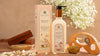
Always select an unscented oil that’s safe for babies, such as mineral oil, coconut oil, or olive oil. You can give a massage with Baby Forest Maasoom Maalish baby body massage oil. This oil is a mishran of 10 Ayurvedic natural essential oils of herbs, flowers, nut oils, and medicinal plants that are good for baby skin.
Pour some onto your hands and rub them together to warm it up before you start massaging your baby’s body.
Slowly massage heels and toes with firm, gentle strokes. Hold the baby by one hand at all times. Then massage the leg from ankle to thigh and from hip to hip. Smoothly massage the leg for several minutes. It is recommended to do this on both legs simultaneously. Do not rub the genital area.
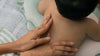
Massage the upper back by placing both hands in the downward direction from shoulders to waist. After that, massage each arm separately. Start from the wrist up to the shoulder by making circular motions with the fingers and palms of hands. Repeat this process for another arm also.
After massaging the front of your baby’s body, turn them onto their tummy and massage them from head to toe. Make sure your touch is soothing. Take a pause if you feel your baby is uncomfortable.
Massage the baby’s face with your finger pads. You should begin at the middle of the forehead, down the outer side of the baby’s face, and then in toward the cheeks. Gently massage the scalp in small circular motions.
Abhyanga, or Ayurvedic oil massage, can be introduced to newborns after their umbilical cord stump has healed, typically around 10-14 days old. The best time to perform Abhyanga is before a bath, ideally in the morning or early evening when the baby is calm and alert. Ensure the room is warm and draft-free to keep the baby comfortable. Abhyanga can be done daily or several times a week, depending on the baby's skin type and routine. It is essential to observe the baby's response to the massage and adjust the frequency and duration accordingly to ensure a positive and soothing experience.
Shishu Abhyanga, or infant massage, offers numerous benefits for both the baby and the caregiver. It promotes better sleep patterns and helps in the development of the baby's nervous and immune systems. Regular massage can improve blood circulation, support healthy skin, aid in digestion, and reduce colic and gas. Additionally, Shishu Abhyanga strengthens the bond between the baby and the caregiver, providing a sense of security and comfort through physical touch. The gentle massage also helps in the overall growth and development of the baby, contributing to a calm and happy demeanor.
Shishu Abhyanga is not about technique perfection. It is about presence. Even 10–15 minutes of mindful touch can calm your baby’s body and heart. In these quiet moments, you’re not just strengthening muscles: you’re building trust, warmth, and emotional connection that lasts far beyond infancy. A slow, gentle approach is often enough.
These moments support both physical comfort and emotional bonding.


