 Skip to main content


Baby Care & Parenting Blogs

Make Her First Mother’s Day Special: Ideas & Gifts for Ne...
Motherhood is a beautiful and lifelong journey filled with love, joy, and unforgettable moments. Celebrating motherhood means acknowledging the hard work, dedication, and love that mothers pour into raising their children. It's a celebration of the unique bond between a mother and her child, a connection that starts from the very first heartbeat and lasts a lifetime.
Finding meaningful gifts for new moms is more than just a tradition, it’s a way of appreciating the emotional and physical journey of becoming a mother. Whether you are looking for comforting wellness rituals, thoughtful self-care essentials, or timeless keepsakes, the best gifts for moms are the ones that make them feel seen, supported, and cherished.
Embracing New Motherhood
For new moms, the journey into motherhood is filled with a mix of emotions, from overwhelming joy to occasional uncertainty. These first few months are crucial as they adapt to their new roles and learn about their baby's needs and personalities. Celebrating new mothers involves recognizing their initial steps into parenting, which are often as challenging as they are rewarding. Providing support, understanding, and encouragement during this transformative period is essential in helping them feel confident and cherished in their new role. Thoughtful gifts for mom to be and new mothers can also make this transition feel a little more comforting and special.
The Unique Bond Between a Mother and Child
The relationship between a mother and her child is unlike any other. From the moment of birth, mothers and their children share a deep emotional connection. This bond is built on endless moments of care, affection, and understanding. A mother often understands her child's needs and emotions, sometimes even before the child expresses them. This unique connection is not just about biological ties; it's about the countless sacrifices, endless support, and unconditional love that define motherhood.
The Challenges of Motherhood
Being a mother is one of life’s most beautiful blessings, a feeling filled with love, warmth, and emotions that words can rarely capture. But along with the joy, motherhood also brings its own set of challenges. From the moment a woman begins her motherhood journey, her life changes in countless ways. She learns to balance multiple responsibilities, often putting her child’s needs before her own, while managing her home, career, relationships, and personal well-being.
There are exhausting days, sleepless nights, moments of self-doubt, and endless sacrifices that often go unnoticed. Yet, through it all, mothers continue to show incredible strength, patience, and resilience. Their journey is not about perfection, but about showing up every single day with unconditional love and care. This is why small gestures, support, and thoughtful gifts for new moms can mean so much during the early stages of motherhood.
How to make Mother's Day Special?
Celebrating mothers should be more than just a one-day affair; it should be a continuous appreciation of all they do. Here are a few ideas to make mothers feel special:
-
Spend Quality Time Together:
Organize a day out or a special meal at home. The gift of time is often the most cherished.
Even a few meaningful moments together can make a mother feel truly loved and appreciated. -
Create a Handmade Gift:
A personalized gift, like a handmade card or a photo album, can hold special meaning.Thoughtful gestures filled with memories often become treasures mothers cherish forever. -
Gift Certificates:
Whether it's for a spa day, a favorite store, or a cooking class, a gift certificate can give mothers a much-deserved break or a chance to pursue their interests.It’s a simple way of encouraging her to take time for herself and unwind. -
Help Out:
Offer to take over some of her daily tasks. Sometimes, the best gift is a day off from usual responsibilities.Small acts of support can make a big difference in a mother’s everyday life.
Gifts for New Moms
When thinking of gifts for new moms, consider items that add comfort to their lives or simplify their new routines:
-
Nursing Pillows and Accessories:
These can offer much-needed comfort and support during feeding times. -
Pampering Kits:
A basket filled with spa essentials like lotions, bath salts, and soothing teas can offer a new mom a peaceful retreat at home.They help reduce strain on the back, neck, and arms, making feeding sessions more relaxed and comfortable for both mother and baby. Practical essentials like these are among the most thoughtful gifts for new moms during the postpartum journey. -
Baby Cradle:
A comfortable and safe cradle can be a sanctuary for a newborn, ensuring they have a cozy place to sleep.These practical essentials can also work beautifully as gifts for mom to be while preparing for the baby’s arrival. -
Feeding Bottles:
High-quality feeding bottles that are easy to clean and safe for the baby can be a practical and thoughtful gift. -
Baby Clothes:
Soft, comfortable, and easy-to-wear baby clothes that makes frequent changes easier can also be a fantastic gift option.
The Importance of Mothers in Family and Upbringing
Mothers play a crucial role in the upbringing of children and in the family's stability. They often serve as the heart of the household, offering emotional support and guidance to everyone. The influence of a mother in her child's life is profound and far-reaching, affecting their emotional growth, learning, and overall development.
The essence of motherhood is made up of joy, challenges, and an unbreakable bond between mother and child. Celebrating this essence not only honors mothers but also acknowledges their fundamental role in shaping the next generation. So, take the time to celebrate and appreciate the mothers in your life, not just on special occasions but every day. Their impact is priceless, and their role is irreplaceable.

Why Water Wipes are a Game-Changer for Babies?
Parenthood is a journey of decisions, each of which is critical to ensure your baby's well-being. One such decision is choosing the right baby wipes, an essential item for every parent's toolkit. In recent years, water wipes have emerged as a game-changer in baby care, providing a gentle, effective solution for cleaning delicate skin.
A baby’s skin is sensitive and is still developing its natural barrier. So, what touches its skin repeatedly matters. This is where the water wipes have changed baby care in the modern world. Traditional wipes often contain fragrances, preservatives, and other unnecessary additives. Baby wet wipes are crafted with simplicity and gentleness as fundamental concepts, providing parents with a cleaner, safer alternative. With the increasing awareness of skin sensitivity and ingredient transparency, baby water wipes are becoming increasingly popular for newborns and infants.
This blog outlines what water wipes are, why they have become increasingly popular, and the many benefits they offer. It also explains how parents can find the correct type of wipes to use to keep the baby’s skin healthy during the early days.
What are Water Wipes?
Water wipes are a minimalist answer to baby hygiene, comprising mostly purified water and aloe vera. Unlike traditional wipes, which may contain a variety of chemicals and fragrances, water wipes boast simplicity and purity, making them ideal for newborns and infants with sensitive skin.
As parents become more conscious of the products they use on their babies, the demand for safe, non-toxic options has risen sharply. Water wipes have gained popularity for their commitment to simplicity and safety, offering a no-fuss solution to parents who wish to avoid potential irritants found in conventional wipes.
Benefits of Water Wipes
The primary advantage of using water wipes is their gentleness on the baby's skin. With a composition that mimics the natural cleansing properties of water, they reduce the risk of irritation, making them perfect for daily use. Additionally, the minimal ingredients in the product mean there's less chance of exposing the baby to harmful chemicals. Here are some key benefits of using baby water wipes:
-
Gentle on Sensitive Skin
The best thing about water wipes is that they are very gentle. The skin of a baby is much more absorbent than the skin of an adult, and that is why the harsh ingredients can easily cause the skin to be dry, red, or rashy. Water wipes reduce this risk by using purified water as a main cleansing agent. This suits them perfectly when dealing with babies that have sensitive skin, eczema-prone skin or those that are frequently affected by diaper rashes.
-
Reduced Risk of Irritation and Allergies
The best baby wipes for newborns have extremely minimal ingredients, hence the chances of an allergy are extremely low. Conventional wipes can contain scents or preservatives that can irritate over time, particularly when used more than once. Hypoallergenic water wipes are appropriate for everyday use and are not overwhelming to the delicate baby skin.
-
Helps Maintain Natural Skin Balance
Babies’ skin tends to lose moisture easily. Strong-scented or alcohol-based wipes may dry the skin, and they destroy the natural barrier. Water cleans naturally without damaging natural oils, which makes the skin remain soft, moist, and firm. This is particularly important during the newborn stage, when diapers need to be changed frequently.
-
Safe for Newborns
Babies have delicate skin, and water wipes are usually prescribed even at birth. Their gentle formulation makes them appropriate even for babies with delicate skin is even more sensitive. Parents can be assured that they are working with a product which is concerned with safety during the initial days.
-
Eco-Conscious and Minimalist Choice
Several water wipes are developed with concerns of sustainability in mind, with some utilising biodegradable materials and a minimal amount of processing. Water wipes provide a more responsible substitute for parents who care about environmental impact and do not want to lose efficiency.
-
Effective Yet Simple Cleaning
Water wipes are gentle on the skin while still being highly effective at cleaning. It can be a diaper change, clean-up after a feeding or wiping sticky hands; they can do it without the need for additional products. Their clean formulations are a great and necessary addition to baby care.
How can you use them?
The uses of water wipes extend beyond merely cleaning the baby's bottom. They are versatile enough for wiping faces, cleaning up spills, or freshening up while travelling. Their gentle nature makes them suitable for all skin types, providing a one-size-fits-all solution to various cleaning needs.
Tips for Choosing the Right Wipes for Babies
When choosing baby wipes, be sure they are safe and comfortable for your baby's sensitive skin. Here are some key points to consider to ensure you're making the best choice:
Alcohol-Free:
Opt for alcohol-free wipes to prevent skin irritation. Alcohol can dry up and irritate the skin, particularly in infants or babies with delicate skin. Alcohol-free wipes maintain the natural moisture balance of your baby's skin, ensuring it remains soft and hydrated.
Hypoallergenic:
Choosing hypoallergenic wipes can significantly reduce the risk of allergic reactions. Hypoallergenic wipes are designed to be mild and contain fewer irritants or allergens that might cause redness, rashes, and other skin disorders. They are ideal for all babies, especially those with sensitive skin or eczema.
Dermatologically Tested:
Look for wipes that have been dermatologically tested. This implies that the wipes have been tested for skin compatibility and are certified as mild and safe for use on sensitive skin. Dermatologically tested wipes provide assurances that the product will cause less irritation or injury.
Soft and Gentle:
The texture of the wipes is also important. Choose wipes that are soft and gentle to the touch. Rough or textured wipes can be abrasive and uncomfortable for your baby, especially with frequent diaper changes. Soft wipes ensure that cleaning your baby is a soothing and irritation-free experience.
Reading Ingredient Labels:
Always check the ingredient list to ensure the wipes are as pure as possible. The fewer ingredients, the better.
Conclusion
Every minor decision in the early stage of baby’s life counts. Baby wipes are a small detail, but they are influential in keeping the skin healthy, comfortable, and hygienic. The uniqueness of water wipes is that they focus on the things which really matter: gentleness, safety, and simplicity.
By using water wipes for babies, parents are deciding to use a product that does not interfere with the natural requirements of the baby’s skin, and they do not expose their baby to avoidable chemicals. They are versatile, effective, and have a skin-friendly composition, so they are a good addition to the normal baby care routine.
After all, caring for a baby means making careful choices with love and awareness. Water wipes support this approach by offering a clean, gentle, and dependable solution that offers simple, effective care in every wipe.

Postpartum Skincare Made Simple for New Moms
Your body just grew, carried, and delivered a life, and your skin isn't going to bounce back overnight, and it doesn't need to. Postpartum skin care is less about chasing glow and more about listening to what your skin needs right now. Whether it's dryness, acne, sensitivity, or just exhaustion showing up on your face, there's no one-size-fits-all solution.
The reality of skin care for new moms is that routines have to be quick, forgiving, and functional. You don't need complicated products or 10-step routines; you need the right basics, a little consistency, and some grace for the phase you're in. This guide helps you understand how to care for your skin gently, practically, and without pressure.
Understanding Postpartum Skin Changes
Hormones don't clock out after delivery. In fact, some of the most noticeable shifts happen in the weeks that follow. You might notice excessive dryness or oiliness, acne, pigmentation (especially around the forehead or cheeks), and dark under-eye circles. Some women experience skin that's suddenly sensitive to products they've used for years. Others deal with flare-ups of conditions like eczema or rosacea.
It isn't just your face; your entire body reacts to the internal shift. Stretch marks, dehydration, and a loss of elasticity are common, and they're not failures of routine or self-discipline. They're physiological. A good postpartum skincare routine starts by accepting that your skin has changed. One that might shift again.
Gentle Skin Care for the First Few Weeks After Birth
Start with cleansing. Not a 12-step cleansing ritual. Just a gentle, fragrance-free cleanser, preferably something pH-balanced. Avoid products that foam aggressively or promise "deep purification." Your skin doesn't need that right now.

Moisturising is the next non-negotiable. Whether your face is oily or dry, your skin's barrier function has likely taken a hit. A rich, ceramide-based or oat-infused moisturiser can help repair that barrier without clogging your pores.
Sleep? You probably don't get much. But when you can, layering on an occlusive balm or heavier cream at night can help your skin hold onto moisture longer. This is skin care for new moms that respects time limitations. No serums to layer. No elaborate timing. Just base-level nourishment. And if nothing else fits? Apply sunscreen.
Best Skincare Ingredients for Postpartum Moms
After giving birth, your skin may feel more sensitive than usual. That is why, when you're building a postpartum skin care routine, it's better to keep things simple and soothing. Your skin may be more sensitive than usual, so focus on ingredients that support healing, hydration, and comfort. These gentle options can be a helpful part of your daily care:
| Ingredient | What It Does |
|---|---|
| Niacinamide | Calms the skin, supports the skin barrier, and helps reduce uneven skin tone. |
| Hyaluronic Acid | Boosts hydration by drawing water into the skin, great for dry, tired skin. |
| Centella Asiatica (Cica) | Soothes redness and supports healing, ideal for irritated or stressed skin. |
| Colloidal Oatmeal | Relieves itching and dryness; very gentle for reactive or rash-prone skin. |
| Squalane | Mimics skin’s natural oils and keeps it soft without clogging pores. |
Caring for Stretch Marks: What Works and What Doesn't
Stretch marks are biologically, torn dermal collagen. No topical cream can erase them, and most that claim to do so are selling fantasy. But certain ingredients can help improve their appearance and keep the skin around them healthy.
- Centella, vitamin E, and retinoids (post-breastfeeding only) have some clinical evidence to support their use in improving skin texture.
- Cocoa butter, shea butter, and sweet almond oil help moisturise and reduce tightness.
- Microneedling and laser treatments offer more significant changes, but those are longer-term decisions.
Postpartum Acne: How to Manage Hormonal Breakouts
Some women notice that the acne they had as teenagers comes back strongly after giving birth. And no, it's not because you're not washing your face enough. Hormones, especially androgens, can surge unpredictably.
- Stick to gentle exfoliation 2–3 times a week.
- Lactic Acid or Mandelic Acid is better tolerated than glycolic or salicylic acid in this phase.
- If you're breastfeeding, consult your doctor before using anything with benzoyl peroxide or retinoids.
- Spot treatments with tea tree oil (in diluted forms) or niacinamide serums can help too.
- Treat your breakouts like you'd treat your newborn with some patience and zero harshness.
Hydrating Your Skin: Restoring Moisture After Pregnancy
Dehydration doesn't show up only as dry, flaky skin. It can look like dullness, loss of plumpness, or uneven tone. Your skin barrier might be intact but starved of water.
To tackle this, layer your hydration:
- Start with a hydrating mist or essence right after cleansing
- Follow with a hyaluronic acid-based serum (press, don't rub)
- Lock it in with a moisturiser that contains ceramides or fatty acids
- If you're in dry weather, finish with an oil or balm
This layered skin care for new moms approach is far more effective than just piling on a thick cream.
Caring for Your Skin Post-Cesarean Section
A C-section scar takes time to heal both inside and outside. In the first few weeks, it's best not to touch it too much.
- Just keep the area clean, dry, and covered. Let your body do the work without interference.
- After about six weeks (and only if your doctor says it's okay), you can gently massage the scar using silicone gel or vitamin E oil.
- Avoid tight clothes that press against the scar.
- Try to stay away from scrubs, strong acids, or any heat-based treatments near the area for a few months.
Postpartum skin care isn't just about your face; it also means looking after the parts of you that are healing quietly.
How to Manage Dark Circles and Puffy Eyes After Birth
Lack of sleep is part of life after birth, and no cream can erase that. But you can still care for the skin around your eyes. Choose eye creams or gels that contain caffeine or peptides, as these ingredients help reduce puffiness. A cool metal applicator or storing the product in the fridge can make a difference, too. The cold helps calm swelling and makes tired eyes feel a bit better.
Also, make sure you're staying hydrated. Puffy eyes can sometimes be a sign of your body holding onto water or not getting enough of it. You don't have to hide the tiredness, but if your eyes feel heavy or look swollen, these small steps can help them feel more refreshed.
The Importance of Sunscreen for New Moms
Sun exposure can worsen hyperpigmentation, particularly melasma, which many moms notice in the months following birth. And even if pigmentation isn't an issue, UV exposure still breaks down collagen and worsens dryness. Choose a mineral sunscreen (zinc oxide or titanium dioxide) if your skin's feeling sensitive. These are less likely to irritate than chemical filters. And yes, you still need SPF even indoors if you're near a window. Skin care for new moms should never skip this step, no matter how minimal the routine.
What to Avoid: Ingredients and Products to Stay Away From
Not everything labeled "natural" is safe, and not all chemicals are bad. But after childbirth, especially if you're breastfeeding, it's better to be cautious about what you put on your skin. Avoid retinoids (forms of vitamin A), often found in anti-aging creams, that aren't safe while breastfeeding. Hydroquinone, used for lightening pigmentation, is also best skipped during this phase.
Be careful with essential oils, especially if they're strong or used in large amounts. Even though they seem gentle, they can irritate sensitive skin or cause allergic reactions. The same goes for strong acids like high-percentage glycolic acid or TCA peels. These are too harsh right now. Try to stay away from products with heavy artificial fragrance. Your skin might react in ways it didn't before pregnancy. Focus your postpartum skin care routine on keeping things calm and simple. You can always bring in stronger products later, when your skin is ready.
Read Also: Early Signs of Postpartum Complications: What to Look Out For
Conclusion
Postpartum life is unpredictable. Your skin doesn't need you to master everything to pay attention, adjust gently, and choose products that support rather than stress. Skin care for new moms is not a luxury. It's a quiet form of repair, often done in five stolen minutes at a time. You don't need perfect skin. Just skin that feels okay in your own body again. Let the rest be background noise.

Monsoon Diet Tips for Pregnant Women to Boost Immunity
A well-balanced diet for pregnant women is very important, but this becomes a bigger concern during the monsoon season. This is the time when the risk of infections increases, and immunity usually drops due to changing weather conditions and exposure to contaminated food or water. Humidity, reduced sunlight, and poor food hygiene make the rainy months challenging for all moms-to-be. The monsoon brings not only relief from heat but also a higher chance of digestive issues, seasonal flu, and waterborne diseases. During pregnancy, the immune system is already working differently, which means any added stress from the environment can have a more substantial effect.
Moreover, food plays a direct role in how the body responds to such seasonal threats. Selecting clean, safe, and nutrient-rich foods, while knowing what to avoid, can help reduce unnecessary health risks during this time. This guide focuses on how the monsoon affects maternal immunity and how to create a practical diet for pregnant women that supports their health throughout pregnancy during this season.
Common Monsoon Health Risks for Expecting Mothers
The immune system is a reactive structure. During monsoons, the air, water, and food can carry more germs, which makes the body more exposed to infections and illnesses. Waterborne infections spike, airborne pathogens multiply in moisture-rich conditions, and food spoilage becomes common due to higher humidity levels. For pregnant women, these factors are compounded by hormonal fluctuations that can already alter immune responses.
This seasonal shift doesn't alter nutritional needs dramatically, but it makes the consequences of dietary neglect more pronounced. Nutrient absorption can be impaired by gut infections. Appetite might reduce. Some foods that are typically beneficial tend to become risky due to contamination issues. Hence, immunity-supporting strategies need adjustment.
Read More: Track Your Pregnancy Week by Week
Key Nutrients to Consume During Monsoon
During the monsoon, it is important that pregnant women focus on certain foods and nutrients. These nutrients are important during monsoon, and they make the diet for pregnant women more reliable.
1. Protein
Protein is important for the baby’s growth, but during the monsoon, it also helps the body fight infections and stay strong. It helps the body produce antibodies and enzymes that fight infection. However, caution is needed with sources like meat and fish, which spoil quickly in humid conditions. Opting for paneer, boiled eggs, and cooked legumes may be a safer choice.
2. Vitamin C
Its antioxidant function helps combat free radicals generated by low-grade infections or inflammation. Citrus fruits are the go-to, but their surface hygiene is vital; washing or peeling is non-negotiable.
3. Zinc
This trace element often gets overlooked. Zinc supports T-cell function and enhances mucosal integrity. Seeds (like pumpkin or sunflower) are shelf-stable and, thus, less vulnerable to monsoon-related spoilage.
4. Iron
Low iron levels can make even minor infections feel overwhelming. Iron-rich foods like spinach should be consumed cooked, never raw, in monsoon. Cooking neutralizes surface bacteria and reduces contamination risk.
Importance of Eating Fresh, Seasonal, and Well-Cooked Foods

During monsoons, food safety becomes as important as nutrition. Choosing the right foods can lower the risk of infections and support overall health during pregnancy. Here is a list of safe food choices for monsoon that are a great addition to the diet for pregnant women.
1. Vegetables That Are Safe and Beneficial in Rainy Weather
Raw salads are generally discouraged during this time of year. Even vegetables that are typically eaten raw (like cucumber or tomato) should be lightly sautéed or boiled. This minimizes exposure to soil-borne microbes.
2. Immunity-Boosting Fruits to Include in Your Diet
Papaya (ripe), banana, and pomegranate are good options. The emphasis is not on avoiding fruits but on consuming only those that can be peeled and that don't have a high-water content, which tends to promote microbial growth.
3. Herbs and Spices That Naturally Strengthen Immunity
Herbs and spices like turmeric, ginger, garlic, and tulsi can support the immune system in small, regular amounts. They help fight infections and improve digestion during the monsoon. Adding them to soups, teas, or cooked meals is a safe way to include them in your diet.
4. Warm Soups and Broths for Rainy Day Comfort
Warm, spiced broths (with turmeric, ginger, or tulsi) can offer hydration and a dose of immune-modulating compounds. These are not miracle foods but rather serve as a supplement to an already healthy diet for pregnant women.
Foods to Avoid During Monsoon When Pregnant
Some foods carry a higher risk of contamination during the rainy season. Avoiding these can help reduce the chances of infection and support a safer, more stable pregnancy diet. Here’s a list that you can look at to see the food you need to avoid during monsoon.
| Food Item | Why Avoid During Monsoon |
|---|---|
| Leafy greens | When uncooked, they can carry residual water, dirt, and microbes. Safe only when cooked well. |
| Street food | Hygiene is difficult to maintain during monsoon, increasing the risk of contamination. |
| Seafood | Spoils quickly in humid conditions; shellfish is especially prone to contamination. |
| Unpasteurized dairy | High humidity can lead to microbial growth in improperly stored dairy products. |
Hydration Tips: What to Drink and What to Avoid
Hydration during pregnancy is something people talk about often, but they don’t always explain it clearly. It is an often overlooked aspect of pregnancy diet. During monsoon, drinking sufficient fluids is only part of the equation. Ensuring the water is boiled, cooled or filtered using a certified method is critical. Boiled water should not be stored for more than 24 hours. Pre-packaged or processed bought juices or drinks, especially those that are unsealed, are best avoided. Soups, homemade fruit infusions (with lemon and ginger), and coconut water (if freshly cracked) are better alternatives.
Avoiding Street Food and Raw Salads: Here’s Why
Street food and raw salads may seem harmless, but during the monsoon, they carry a higher risk of contamination. Right from unclean water, poor storage, and unhygienic handling are just to name a few. Rainwater runoff, damp conditions, and changing temperatures can all contribute to bacterial growth. For pregnant women, even a minor infection can lead to unnecessary complications. This is why it is important and safe to stick to freshly cooked, home-prepared meals.
Safe Snacking Options to Curb Cravings and Stay Healthy
Pregnancy cravings are natural, but monsoon calls for safer snack choices. Go for homemade options like roasted makhana, boiled chana, baked snacks, or dry fruit mixes. Light dishes like steamed idlis or vegetable upma are filling without being risky. Choose fruits that can be peeled, like bananas or oranges, and avoid anything cut or pre-packaged from outside. If you’re craving fried food, prepare it fresh and eat it warm. The focus should be on freshness, hygiene, and easy digestion to stay healthy during the rainy season.
Read Also: 10 Healthy Snacks for Pregnant Women
Cooking Hygiene Tips to Prevent Infections
Kitchen hygiene becomes non-negotiable during this time of year. Here’s a list that won’t demand a kitchen makeover, but just a little consistency.
- Wash the utensils in a saltwater solution or a potassium permanganate solution.
- Use separate knives for raw and cooked foods.
- Reheat refrigerated meals until steaming hot before consumption.
- Avoid reheating more than once.
- Store perishable items in airtight containers to prevent exposure to fungal growth.
Final Thoughts
The monsoon season is not inherently dangerous for pregnancy, but it can be unpredictable in terms of hygiene and digestion. A practical, immunity-oriented diet for pregnant women should not aim for novelty but for reliability. It's not about overloading with superfoods or making dramatic changes but about adjusting known healthy habits to suit a more sensitive environment. With every meal prepared safely and consumed mindfully, the immune system is not only supported but also strengthened. It is buffered from unnecessary stress.

Best Alternative Activities to Tummy Time for Baby's Deve...
Being a new parent is full of firsts, and tummy time is often one of the earliest baby milestones everyone talks about. But what if your baby doesn't like it? What if every attempt at baby tummy time ends in cries and protests? Don't worry, you're not alone. And the good news? There are plenty of tummy time alternatives that can support your baby's development in fun, gentle ways.
Let's explore some of the best options that are just as beneficial (and sometimes more enjoyable) for your little one.
Why Some Babies Dislike Tummy Time
Before we dive into the alternatives, it helps to understand why some babies push back during baby tummy time. It's a new position for them. Their neck and shoulder muscles are still developing, and being placed on their tummy might feel strange or even frustrating. Some babies simply prefer to see the world around them, not face down on a mat. It’s okay and you don't have to force it. The goal is to help your baby build those same skills in other creative ways.

Lap Time Exercises
One of the simplest tummy time alternatives is placing your baby face-down across your lap. Gently rub their back or sing to keep them calm. This position helps them lift their head and strengthen their neck without feeling completely on the floor. It's a great bonding moment too.
Babywearing for Muscle Development
Yes, carrying your baby in a sling or wrap can help with development too! When your baby is upright against your chest, they're naturally working on head control and core strength. Plus, they get to be close to you, which they love. This alternative is especially helpful during the early weeks when babies want to be held constantly. You're helping them grow just by wearing them.
Side-Lying Play
Not all play has to be face-down. Try placing your baby on their side with a rolled towel behind their back for support. Add a toy or mirror in front to keep them curious. Side play helps babies develop balance and eventually learn to roll. This position is comfy and gives them a new perspective on their surroundings.
Chest-to-Chest Time with Parents
Lie back on a couch or bed and place your baby's tummy down on your chest. Talk, sing, or make faces. It’s just like baby tummy time, but even better because you’re right there, keeping them comforted and close. This trick not only builds neck and upper body strength but also promotes emotional bonding.
Encouraging Rolling Over
Give your baby opportunities to roll by placing toys just out of reach or helping them gently shift from side to back and vice versa. Rolling builds the same muscles that tummy time targets and gives your baby a sense of movement and independence.
Using an Exercise Ball for Baby Strengthening
Here's a fun one! Place your baby's tummy down on a large yoga or exercise ball. Hold them securely and gently roll the ball forward and back. It's a playful activity that stimulates muscles and balance. Make sure it's slow and steady and don't forget to sing while doing it!
Supported Sitting and Upright Play
By around 3 to 4 months, many babies enjoy being in a supported sitting position. Use a nursing pillow or your arms to prop them up while playing. This helps build back and neck strength encourages interaction and gives your baby a break from floor time.
Playing on a Soft Incline
Reclined baby loungers or a folded blanket can create a soft incline where your baby isn't flat on their back or tummy. While it's not a direct replacement, it's useful for babies who need a gradual approach to floor play. You can place toys or books nearby to keep them engaged.
Water Play as an Alternative
A warm water bath (always supervised!) can be a magical time for babies to move their arms and legs freely. The water supports their body while helping muscles grow stronger. It's not just relaxing, it's developmental, too.
Try placing your baby's tummy down on your forearm in the tub for a gentle water-based tummy time alternative.
Also Read: Baby Playtime Guide
When to Introduce Tummy Time Again
If your baby previously disliked baby tummy time, don't give up forever. Keep trying in small doses. Start with just 30 seconds, then slowly increase as your baby gets stronger and more confident. Remember, the goal is quality, not quantity.
Often, once babies can roll or lift their heads better, tummy time becomes less frustrating and even fun.
Conclusion
Not every baby loves being on their tummy, and that's okay. The most important thing is to find safe, loving ways to help them grow and explore. These tummy time alternatives help build key skills while keeping your baby comfortable and happy. As a parent, trust your instincts. Every baby is different. What works for one might not work for another. The key is to be patient, present, and playful. You're doing great!

First-Time Mom? Know All About Becoming a Mom
For many women, the experience of becoming a first-time mom is like entering an entirely different dimension. It's exciting, overwhelming, gorgeous, and sometimes a little messy...all at once. You may have read books, attended classes, and hear an endless amount of advice from friends and family about parenting, but nothing can truly prepare you for your experience as a mother. It's important to know that, as a mom, you will have many unexpected moments; some heartwarming, some tiring, and some downright confusing, and it is OK!
No mom is immune, and even if they don't talk about it all the time, they are going through it too. So, if you have been asking yourself, why you feel emotional all the time, when you will understand your baby's sleep schedule, or why do you feel like you want your old self back? You are not alone!
The purpose of this guide is to help navigate everything that no one really tells you about motherhood. And just to reassure you, you've got this, mama!
The Emotional Rollercoaster: It's Normal to Feel Overwhelmed
It feels like a rush of emotions, including love, pleasure, terror, and a little anxiety, when you hold your kid for the first time. You may be crying with joy one moment, and then you may feel totally overwhelmed the next. And what do you know? That is quite typical.
In actuality, there are many highs and lows associated with parenthood. On certain days, you may feel as though you have everything under control, while on other days, you may question whether you are doing anything correctly. Every mother experiences these emotions, so it's acceptable to grieve, miss your former life, or feel uncertain.
Just keep in mind that becoming a mother is a learning experience. You don't have to know everything at once, and there is no right or wrong method to go about it. Be gentle to yourself, take things one day at a time, and don't be afraid to ask for assistance when you need it.
Mom Guilt is Real – And How to Overcome It
No one really warns you about the guilt that comes with motherhood, right? You'll find yourself wondering, “Am I doing enough?” Should I have cuddled my baby more instead of cleaning? Did I feed them the right way? It's called mom guilt, and guess what? Almost every mom feels it.
However, the reality is that there is no such thing as being a perfect mother. Your baby only needs you; they don't require perfection. Nothing is more important than your presence, love, and caring. Therefore, give yourself a break. It's acceptable to have a messy laundry pile or a simple dinner. The happiness and health of you and your child are the most important things.
Therefore, keep in mind that you are doing your best, and that is more than enough, the next time guilt starts to creep in. Being a mother is about being there, not about being flawless.
Breastfeeding Isn't Always Easy (And That's Okay!)
You probably pictured breastfeeding as this beautiful bonding moment, and sometimes it is. But the truth is, motherhood doesn't always make it that easy. Many moms face challenges like painful latching, low milk supply, or just feeling completely overwhelmed. And guess what? That's perfectly okay.
If breastfeeding is effective for you, that's fantastic! If it doesn't, that's also acceptable. The most important thing is that your kid is fed, loved, and cared for, regardless of whether you formula-feed, breastfeed, or pump. Motherhood is defined by the love you give your child every day, not by how you feed them.
Therefore, try not to be too hard on yourself. There is no "right" way to feed a baby; every mother's experience is unique. Trust yourself, do what's best for you and your child, and never forget that what counts most is a happy, healthy mother and a happy, fed baby.
Must Read: All You Need To Know About Breastfeeding
You'll Be More Tired Than You Ever Imagined
Forget about the idea of getting a good night's sleep for a bit. Newborn babies have small stomach and will need to eat every few hours, so you'll probably be getting very little sleep. It will probably be truly exhausting and not something anyone can really prepare for.
The best thing to do is sleep when your baby sleeps, accept help from friends and family, and don't feel like you have to do it all yourself. The newborn phase can be rough, but it will only last for a while. You will eventually get more sleep and figure out a new rhythm.
Also Read: Experiencing Motherhood for the First Time
Your Relationship with Your Partner Will Change
Having a baby in your home means that your relationship with a partner may transform as well. Your attention will inevitably begin to shift to the baby, and your relationship with your partner may feel neglected. This is normal and does not mean your relationship is going downhill.
Make time for each other in your new baby dynamic even for just ten minutes of complete uninterrupted conversation. Keep in mind you are a team, and motherhood is easier when there is teamwork and support.
Your Body Will Take Time to Heal – Be Kind to Yourself
One of the most surprising parts of motherhood is realizing how long it takes for your body to heal after childbirth. Whether you had a natural birth or a C-section, recovery takes time. Your body has done something extraordinary so give it grace.
Don't rush to lose the baby weight or feel pressured to look a certain way. Focus on nourishing yourself, resting, and slowly easing into light movement when you're ready. Your body will heal in its own time.
You'll Get Tons of Advice – Learn to Filter It Out
The moment you become a mom, everyone around you suddenly becomes an expert. You'll get advice on feeding, sleeping, bathing, and even parenting styles. While some advice will be helpful, not all of it will apply to you.
Trust your instincts and do what feels right for you and your baby. Motherhood looks different for everyone, and what works for one mom might not work for you. It's okay to politely ignore unsolicited advice.
It's Okay to Ask for Help (And You Should!)
One of the biggest mistakes new moms make is trying to do it all alone. Whether it's cooking, cleaning, or caring for the baby, don't hesitate to ask for help. Motherhood is not meant to be a solo journey.
Reach out to your partner, family, or friends when you need a break. Even a 20-minute nap or a quick shower can do wonders for your mental health. Remember, taking care of yourself is just as important as taking care of your baby.
You'll Find a New Version of Yourself in Motherhood
Before becoming a mom, you had your own identity. You may think that version of yourself is lost after birth. It's simple to lose sight of your former self as you get preoccupied with feeding schedules, diaper changes and restless nights.
The lovely thing is that becoming a mother broadens your identity rather than diminishes it. You will discover patience you never thought imaginable, love you never thought conceivable, and strength you never knew you have. Give yourself permission to grow into this new you.
Conclusion
The path of becoming a mother is exciting, wonderful, and transformative. It's quite normal to feel like you've got everything under control on some days and to wonder if you're doing anything correctly on others. In actuality, there is no ideal way to be a mother. It all comes down to self-compassion, tolerance, and love.
Motherhood isn't about getting everything right; it's about showing up every day with love.

Understanding Your Menstrual Cycle and Ovulation
Understanding your menstrual cycle and ovulation is key to mastering fertility and health. Whether planning a pregnancy or monitoring your body, this guide breaks it down simply. From phases to tracking methods, we’ll help you navigate this natural rhythm with confidence and care.
What is the Menstrual Cycle?
The Menstrual Cycle and Ovulation define the time from the first day of one period to the first day of the next. A typical cycle lasts between 21-35 days, with 28 days being the average. Using a Period and Ovulation Tracker can simplify understanding these phases:
- Menstrual Phase: Shedding of the uterine lining, leading to bleeding (3-7 days).
- Follicular Phase: The body prepares for ovulation by developing follicles in the ovary.
- Ovulation Phase: A mature egg is released from the ovary, usually mid-cycle.
- Luteal Phase: The body prepares for pregnancy or starts a new cycle if fertilization doesn’t occur.

How to Track Your Cycle for Pregnancy Planning?
Accurately tracking your Menstrual Cycle and Ovulation is crucial for pregnancy planning. Begin by recording your cycle's start date, the first day of your period, with a Menstrual Cycle Calculator. Note cycle length, typically 21-35 days. Ovulation, when an egg is released, usually occurs 12-14 days before your next period. Monitor basal body temperature (BBT) for a slight rise post-ovulation. Observe cervical mucus changes; clear, stretchy mucus indicates fertility. Utilize ovulation predictor kits (OPKs) to detect luteinising hormone (LH) surge, signalling impending ovulation. Combine these with a Period Ovulation Tracker for accurate fertility window identification.
You Might Like This: Pregnancy Conception Calculator
What is Ovulation?
Ovulation occurs when a mature egg is released from the ovary, typically around the midpoint of the cycle. The egg survives for 12-24 hours, but sperm can live in the female body for up to five days. This means the days leading up to ovulation, tracked via a Fertile Days After Period Calculator, are also fertile and crucial for conception.
How to Calculate Ovulation?
Knowing your Menstrual Cycle and Ovulation helps in planning conception effectively. A Menstrual Cycle Calculator can estimate your cycle length easily:
- Track Your Cycle Length: Count the days from the first day of your period to the first day of the next period. A normal cycle is between 21-35 days.
- Determine Your Ovulation Day: Ovulation typically occurs about 14 days before your next period. For example, if your cycle is 28 days, ovulation occurs around day 14.
- Identify Your Fertile Window: The most fertile days, pinpointed by a Fertile Days After Period Calculator, are the five days leading up to ovulation and the ovulation day itself.

Signs of Menstrual Cycle and Ovulation
Recognizing ovulation signs is key to predicting your fertile window. During this time, you may notice several changes in your body. Cervical mucus typically becomes clear, stretchy, and slippery, resembling egg whites—a sign tracked by the Best Period and Ovulation Tracker. After ovulation, your basal body temperature (BBT) may show a slight rise. Ovulation test kits can also be used to detect the surge in luteinizing hormone (LH), which triggers ovulation. Some women may experience mild pelvic pain, known as Mittelschmerz, lasting a few hours to a day. Additionally, increased libido and energy levels are common indicators of ovulation.

Using an Ovulation Calculator
An ovulation calculator estimates your most fertile days based on your menstrual cycle ovulation. While it provides a general idea, combining it with physical ovulation signs and a Period Ovulation Tracker enhances accuracy. These calculators, especially an Ovulation Calculator for Irregular Periods, are useful but should be used alongside other tracking methods for the best results.

How Accurate is Ovulation Prediction?
Ovulation prediction methods vary in accuracy depending on your menstrual cycle and ovulation patterns. Here’s a breakdown with tools like the Most Accurate Period Tracker Online:
Ovulation Calculators: Provide estimates but do not guarantee exact ovulation timing,as cycle lengths can fluctuate.
Basal Body Temperature (BBT): About 75-80% accurate in confirming ovulation after it has occurred.
Cervical Mucus Observation: Can be 70-90% accurate when tracked consistently with a Period and Ovulation Tracker.
Ovulation Predictor Kits (OPKs): Detect LH surges and are about 99% accurate in predicting ovulation within 24-36 hours. Using multiple methods, including an Ovulation Calculator for Irregular Periods, increases reliability. If cycles are irregular, consulting a doctor is recommended.
The Role of Hormones in Ovulation
Hormones are vital as they regulate your menstrual cycle and ovulation seamlessly. . Follicle-stimulating hormone (FSH) initiates egg development within the ovaries. Luteinizing hormone (LH) then triggers the release of a mature egg. Estrogen levels increase before ovulation, resulting in fertile cervical mucus—insights you can gain from the Best Period and Ovulation Tracker. Post-ovulation, progesterone rises, preparing the uterus for potential pregnancy. The optimal time for conception is within the fertile window, which spans approximately six days: the five days preceding ovulation and the day of ovulation itself. Intercourse during this period significantly enhances pregnancy likelihood. Sperm can survive in the female reproductive tract for up to five days, making intercourse before ovulation advantageous.
How to Improve Ovulation Naturally?
Maintaining a healthy menstrual cycle and ovulation involves several key practices. Consume a balanced diet rich in essential vitamins and minerals, including folic acid, zinc, and iron. Effectively manage stress, as elevated stress levels can disrupt hormone balance and postpone ovulation. Maintain a healthy weight, as both underweight and overweight conditions can negatively impact ovulation—track progress with the Most Accurate Period Tracker Online. Engage in regular, moderate exercise to support hormonal equilibrium. Consult a healthcare professional if you experience irregular, excessively painful, or absent menstrual cycles for several months, as these may indicate hormonal imbalances or underlying fertility-affecting conditions. Additionally, seek medical advice if you have been attempting to conceive for over a year, or six months if you are over 35.
Conclusion
Tracking your menstrual cycle and ovulation is essential for understanding fertility. Whether If you are planning to conceive or simply monitoring your health, knowing your fertile window can be highly beneficial. Menstrual cycle calculators and tracking tools provide helpful estimates, but combining multiple methods ensures the best accuracy. If you experience irregularities or difficulty determining ovulation, seeking medical advice is recommended.

Why Is Breastfeeding Painful in the First Few Weeks? Caus...
Breastfeeding is a special journey for both mothers and babies. It's a time of bonding, nourishment, and closeness. However, for many mothers, the first few weeks of breastfeeding can come with unexpected challenges, especially pain. If you're experiencing discomfort, know that you're not alone. Breastfeeding pain is common initially, but it's usually temporary and can be managed with the right approach.
In this blog, we'll explore why breastfeeding can be painful in the early weeks, what causes it, and, most importantly, how you can ease the discomfort while continuing to nourish your baby.
Why Does Breastfeeding Hurt Initially?
Breastfeeding pain in the first few weeks is often due to your body adjusting to this new process. Here's why it happens:
-
Learning Curve for Both Mother and Baby
Breastfeeding doesn't always come naturally. Both you and your baby are learning how to latch and feed effectively. This process can sometimes cause pain until both of you get the hang of it.
-
Tender Nipples
Your nipples may feel tender or sore as they adjust to frequent feeding. This is especially common if your baby isn't latching correctly, leading to excessive friction.
-
Engorgement
When your milk comes in, your breasts might feel swollen, firm, and tender. This is called engorgement, and it can make breastfeeding uncomfortable.
-
Let-Down Reflex
The let-down reflex is the release of milk triggered by your baby's sucking. While it's essential for feeding, some mothers feel a tingling or sharp pain during let-downs, especially in the early weeks.
-
Blocked Ducts or Mastitis
If a milk duct becomes blocked or infected (mastitis), it can cause pain and inflammation. This is less common but can occur if milk isn't being emptied properly.
Common Causes of Breastfeeding Pain
Understanding the root cause of your pain is the first step in addressing it. Here are some common reasons why breastfeeding may hurt:
-
Poor Latch
If your baby doesn't latch deeply onto your breast, they may only suck on the nipple instead of the areola. This can lead to cracked, sore nipples.
-
Tongue-Tie or Lip-Tie
Some babies are born with tongue-tie or lip-tie, which can make it difficult for them to latch properly. This may cause pain for the mother and frustration for the baby.
-
Thrush
Thrush is a fungal infection that can develop in your baby's mouth or on your nipples, leading to pain during and after feeding. It's characterized by redness, itching, or white patches.
-
Oversupply of Milk
An oversupply can cause forceful let-downs, making feeding uncomfortable for your baby and resulting in painful latching for you.
-
Incorrect Breastfeeding Position
The way you hold your baby can impact their latch. An incorrect position might make feeding more difficult and painful.
Solutions to Ease Breastfeeding Pain

The good news is that breastfeeding pain in the early weeks is usually manageable with a few adjustments and tips. Here's how you can find relief:
-
Focus on a Proper Latch
A good latch is key to pain-free breastfeeding. Make sure your baby's mouth covers the nipple and most of the areola. If it hurts, gently break the suction and try again. Don't hesitate to seek help from a lactation consultant if you're struggling.
-
Try Different Positions
Experiment with breastfeeding positions to find one that works for you and your baby. Popular options include the cradle hold, football hold, and side-lying position. Each position offers a different angle for latching, which might help reduce pain.
-
Use Nipple Creams or Oils
Applying a lanolin-based cream or coconut oil after feeding can soothe sore nipples. These are safe for your baby and help promote healing.
-
Warm Compresses for Engorgement
If engorgement is causing discomfort, apply a warm compress or take a warm shower before feeding. This helps soften the breast tissue and encourages milk flow.
-
Cold Packs for Swelling
After feeding, use a cold pack to reduce swelling and relieve pain. A chilled cabbage leaf can also work wonders for engorged breasts.
-
Empty Your Breasts Fully
Ensure that your baby empties one breast before switching to the other. This prevents blocked ducts and reduces the risk of mastitis.
-
Address Tongue-Tie or Lip-Tie
If you suspect your baby has a tongue-tie or lip-tie, consult your paediatrician. A simple procedure can correct the issue and improve latching.
-
Use a Breast Pump If Needed
If feeding directly is too painful, consider using a breast pump temporarily to express milk. This allows your baby to continue receiving breast milk while giving your nipples time to heal.
How to Make Breastfeeding More Comfortable
Creating a comfortable environment can make a big difference. Find a quiet, cosy spot for feeding, use supportive pillows, and wear nursing bras for added comfort. Don't be afraid to ask for help from family or friends during this time—it's okay to need support.
Conclusion
Breastfeeding is as much a learning experience for you as it is for your baby. While the first few weeks might bring some discomfort, remember that it's temporary, and with patience and practice, it gets easier. Every feed strengthens your bond with your baby and provides them with the best nutrition possible. Take it one day at a time, and don't hesitate to seek help when needed.

Celebrate Motherhood with Baby Forest: The Best Baby Prod...
Mother's Day is a time to celebrate and appreciate the incredible women who have shaped our lives with their love and care. For new moms, nothing is more special than providing the best care for their newborns. One way to make this journey easier is by offering high-quality baby care products that ensure the best for their little ones. Baby Forest understands this and offers a range of natural baby care products inspired by the ancient principles of Ayurveda, ensuring both mother and baby receive the gentle, nurturing care they deserve.
If you're looking for the best baby care products for newborns, here are six essential items from Baby Forest's range that every new mom should have for their little ones.
Must Have Baby Care Products
-
Baby Shampoo
Babies have delicate scalps and sensitive skin, so it's crucial to choose the right baby skin care products. A sulfate-free and paraben-free shampoo is ideal for gently cleaning and nourishing your baby's scalp. Harsh chemicals can cause irritation, so opting for a natural baby shampoo that hydrates and strengthens hair is important.
We recommend Baby Forest's Nikhrae Kesh Baby Shampoo, which is rich in Brahmi and Hibiscus leaf extracts, known for strengthening hair roots and promoting scalp hydration. This is a perfect addition to your newborn baby care products list, ensuring your baby's hair stays soft and healthy.
-
Body Massage Oil
An essential part of baby skincare is daily massages, and nothing beats the benefits of a good baby massage oil. Massaging your baby not only promotes relaxation but also aids in muscle development and improves circulation. Ayurvedic oils are particularly effective due to their natural healing properties.
For this, try Baby Forest's Maasoom Maalish Baby Body Massage Oil, which contains Sesame Oil and Rosemary to support bone and muscle development. This oil is a key item in any baby care product kit, offering therapeutic benefits that nourish and soothe your baby's skin.
-
Diaper Rash Cream
With the warmer months approaching, babies are more prone to diaper rashes due to sweating. Diaper rash creams are vital in keeping your baby's skin rash-free and comfortable. Look for creams made from natural ingredients that are gentle on sensitive skin.
We suggest Baby Forest's Komal Kawach Diaper Rash Cream, enriched with Aloe Vera and Harachampaka Madanah, which not only soothes irritated skin but also provides a natural barrier against future rashes. It's a must-have on your newborn baby care products list to ensure your baby's comfort all summer long.
-
Baby Body Wash
During hot summer months, it's essential to use a natural baby wash that cleanses without stripping the skin of its natural oils. A gentle, sulphate-free body wash will keep your baby's skin hydrated and free from irritation.
Baby Forest's Sampoorna Snan Baby Body Wash is a perfect choice, formulated with Jojoba Oil, Castor Oil, and Rosehip Oil to maintain your baby's soft, supple skin. Adding this soap to your baby care products list ensures your little one's skin remains cool and nourished, even during the heat.
-
Feeding Bottle
A baby feeding bottle is a thoughtful and practical essential for every new mom. It allows babies to feed comfortably, whether they are breastfed or formula-fed. When choosing a feeding bottle, prioritize safety, ease of cleaning, and baby-friendly designs.
Check out Baby Forest's BPA-Free Laad Pyaar Feeding Bottle, which is made from high-quality, non-toxic materials. It's the perfect feeding solution for your baby and a must-have item in any baby care products kit.
-
Baby Toys
Toys aren't just for fun—they play a vital role in a baby's cognitive and motor development. Whether it's interactive baby toys or simple stacking blocks, providing your baby with safe, educational toys helps stimulate their senses and encourages exploration.
At Baby Forest, you'll find a wonderful collection of toys for 1-year-olds that are designed to boost cognitive development and motor skills. From beach buckets to stacking toys, there's something for every curious little mind.
This Mother's Day, show your love and appreciation by choosing Baby Forest's baby care products, ensuring that both moms and their little ones receive the very best.


How to Plan the Perfect Baby Shower?
A baby shower is a special celebration for the soon-to-arrive bundle of joy, but it's also an occasion to honour the mom-to-be. Whether you're organizing the baby shower for a close friend, family member, or yourself, it's a day filled with love, laughter, and lots of excitement. But how do you ensure that the event is memorable and perfect? Planning a baby shower can feel like a big task, but with a few thoughtful steps, you can create a fun, heartwarming, and stress-free experience for everyone.
Here's a complete guide to planning the perfect baby shower, filled with tips and ideas to make the day truly special.
Steps to Planning the Perfect Baby Shower
-
Choose the Right Date and Time
One of the first things to do is decide on the date and time of the baby shower. Typically, baby showers are held during the third trimester of pregnancy, around the seventh or eighth month. However, it's important to check with the mom-to-be and see what works best for her schedule and comfort.
The timing of the event is also key. Baby showers usually take place in the afternoon, so people have enough time to enjoy the party without feeling rushed. A good time to host the event is between 2 PM and 5 PM—it's late enough for lunch but early enough for guests to head home without it getting too late. -
Decide on the Guest List
The next step is to create a guest list. This should be done in collaboration with the mom-to-be, as she'll know who she wants to invite. Whether it's an intimate gathering with close family and friends or a larger celebration, the number of guests will influence other decisions like venue, food, and activities.
Some important people to consider are close family members, childhood friends, work colleagues, and even distant relatives. Baby showers in India often include multi-generational women—moms, aunts, grandmothers—and can sometimes turn into a big celebration. -
Choose the Perfect Venue
Choosing the right venue depends on the number of guests and the type of baby shower you're planning. For a small, intimate gathering, hosting the baby shower at home is a cosy and personal option. If you're inviting a larger group, you may want to consider renting a venue such as a banquet hall, restaurant, or community center.
If you're looking for a unique touch, outdoor venues like gardens or terraces work well, especially if the weather is nice. Just make sure the venue is easily accessible for the mom-to-be and comfortable for guests. -
Decide on a Theme
A baby shower theme can add a fun and personal touch to the celebration. It doesn't need to be complicated; even a simple theme can make the party more memorable. Some popular baby shower themes include:Cultural themes:
In India, cultural elements like traditional godh bharai ceremonies can be included in the baby shower, adding a rich, spiritual touch.Character themes:
You can go for cartoon characters, animals, or storybook characters that the parents-to-be love.
Decorate the venue with balloons, streamers, flowers, and centerpieces that match the theme. Don't forget to add personal touches, such as photos of the mom-to-be and her journey through pregnancy. -
Send Out Invitations
Once the date, venue, and theme are set, it's time to send out invitations. These days, digital invitations via WhatsApp or email are common and convenient. However, if you want a more traditional touch, you can go for printed invitations that reflect the theme of the baby shower.
Be sure to send out the invites at least 2-3 weeks in advance, giving guests enough time to RSVP and plan accordingly. -
Plan the Menu
Food is an essential part of any Indian celebration, and the baby shower is no different! The menu can range from a simple selection of snacks and refreshments to a more elaborate spread, depending on the time of the event and the preferences of the guests.
Some popular baby shower food ideas include:Finger foods:
Mini sandwiches, samosas, paneer tikka, vegetable rolls, and fruit platters.Main dishes:
Depending on the time, you could serve a buffet with Indian favourites like biryani, pulao, chole, or paneer dishes.Desserts:
A must-have for any celebration, desserts can include cupcakes, sweets like gulab jamun or kaju katli, or even a themed baby shower cake.
Make sure to cater to any special dietary needs the mom-to-be might have, such as avoiding spicy foods or providing pregnancy-friendly snacks. -
Plan Fun Games and Activities
No baby shower is complete without a few fun games and activities to keep the guests entertained. Games can also help break the ice, especially if not everyone knows each other well. Here are a few baby shower game ideas:
Guess the Baby's Birth Date: Guests predict the baby's arrival date and write it down. Whoever gets closest wins a prize!Diaper Changing Race:
Set up a fun race where guests compete to see who can change a diaper on a baby doll the fastest.Baby Name Game:
Guests write down as many baby names as they can think of in a certain amount of time. You can even limit it to names starting with a specific letter.Advice for the Mom-to-Be:
Have a station where guests can write down advice or wishes for the mom-to-be. It's a fun keepsake she can look back on.
Prizes for the winners can include small gifts like chocolates, scented candles, or even cute baby-themed items. -
Get Creative with Gifts
A baby shower isn't complete without gifts for the mom-to-be and the baby. If you're hosting the event, you can gently guide the guests towards practical and meaningful gifts. Some popular gift ideas include:Baby essentials:
Diapers, clothes, blankets, and baby care products.Keepsakes:
Personalized baby memory books or photo albums.Gift hampers:
These can include baby care sets, soft toys, or pampering kits for the mom-to-be.Unique experiences:
Consider gifting a photoshoot session for the mom and baby or a maternity spa day. -
Plan Thoughtful Party Favors
Party favours are a lovely way to thank guests for coming and celebrating the mom-to-be. Favours don't need to be extravagant; something small and thoughtful can make a big impact. Ideas include:
Customized cookies or candies wrapped in cute baby-themed packaging.
Miniature plants or succulents.
Scented candles with a thank-you tag.
Personalized keychains or trinkets.
Conclusion
Planning the perfect baby shower is about making the day special, not just for the mom-to-be but for everyone attending. While it's easy to get caught up in decorations and themes, what truly matters is creating an atmosphere of love and support for the expecting mom. The baby shower is a celebration of life, community, and the journey ahead for the new parents.
As you plan, remember to keep things flexible and open to adjustments. It's okay if everything doesn't go perfectly as planned. What will be remembered most are the moments of laughter, love, and the connections made on this special day. So, enjoy the process, and let the baby shower be filled with warmth and joy!
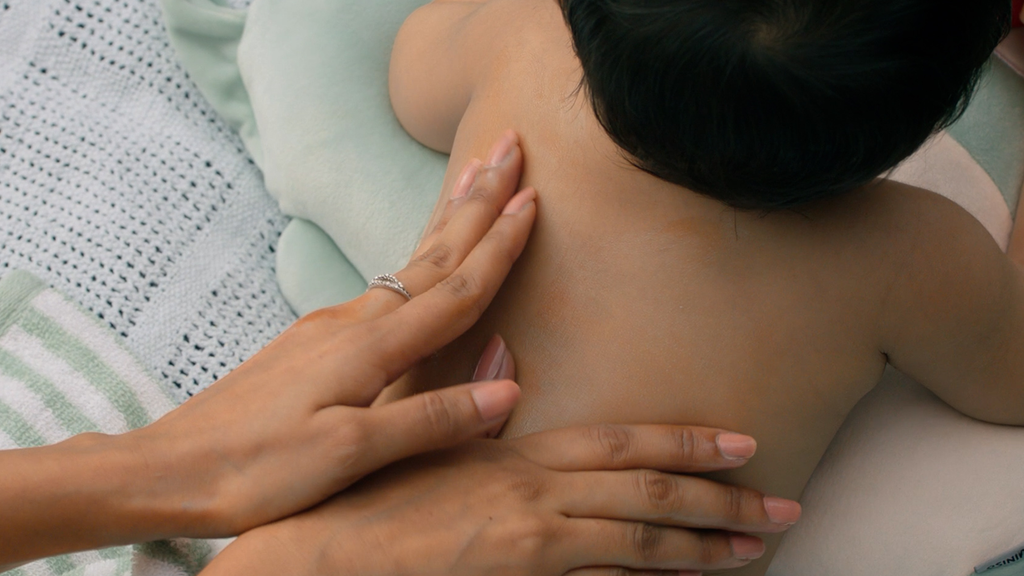
Essential Oils Benefits for Babies: A Complete Guide for ...
The arrival of a newborn is a beautiful and transformative experience that inspires you to seek the best ways to care for your precious bundle of joy.

Breastfeeding Twins: A Comprehensive Guide for New Moms
Welcoming twins into your life is a joyous occasion, but it can also be overwhelming, especially when it comes to breastfeeding. Breastfeeding twins presents unique challenges and requires special techniques, but with the right information and support, you can successfully nourish your babies. This comprehensive guide will cover everything you need to know about nursing twins, from twin breastfeeding positions to creating a twin-feeding schedule.
Benefits of Breastfeeding Twins
Breastfeeding offers numerous benefits for both mothers and babies. For twins, it provides the essential nutrients needed for growth and development while also promoting a strong immune system. For mothers, breastfeeding helps in postpartum recovery and strengthens the bond with each baby. Additionally, it is economical and convenient, eliminating the need for formula and bottle preparations.
Getting Started with Breastfeeding Twins
How to breastfeed twins can be daunting at first, but with some preparation and patience, you can establish a successful breastfeeding routine. Here are some initial steps to help you get started:
-
Seek Early Support
Contact a lactation consultant or join a support group for mothers of twins. Professional guidance can be invaluable in addressing specific concerns related to breastfeeding twins. -
Create a Comfortable Feeding Area
Set up a dedicated space for breastfeeding with comfortable seating, pillows for support, and easy access to water, snacks, and entertainment.
-
Practice Makes Perfect
Initially, you might find it challenging to position both babies correctly. Practice different twin breastfeeding positions until you find what works best for you and your babies.
Twin Breastfeeding Positions
Finding the right twin breastfeeding positions is crucial for comfort and efficiency. Here are some popular positions to consider:
-
Football Hold
This position involves holding each baby under your arm, with their legs pointing towards your back. It provides excellent support and allows you to control their heads easily. -
Cradle Hold
In this position, each baby is held across your lap, with their heads resting in the crook of your arms. This is a natural and comfortable position for many mothers. -
Double Clutch
Similar to the football hold but with both babies positioned on the same side. This can be useful if you have limited space or need to free up one hand. -
Upright Hold
Suitable for older babies who can support their heads. Both babies sit on your lap facing you, which can be less tiring for your arms.
Experiment with these positions to determine what feels most comfortable and effective for you and your twins.
Establishing a Twins Feeding Schedule
Creating a consistent twin feeding schedule is essential for managing your time and ensuring both babies are well-fed. Here are some tips to help you establish a schedule:
Synchronize Feedings
Try to feed both babies at the same time. This can save you a lot of time and energy compared to feeding them separately.
Track Feedings
Use a notebook or an app to record feeding times, durations, and which breast each baby is nursed from. This helps ensure both babies receive equal feeding time and allows you to monitor their intake.
Be Flexible
While a schedule is helpful, it's important to remain flexible. Babies' needs can change frequently, especially during growth spurts. Adapt your schedule as needed.
Managing Milk Supply
A common concern for mothers of twins is whether they will produce enough milk. Here are some tips to boost and maintain your milk supply:
Frequent Nursing:
The more you nurse, the more milk your body will produce. Aim to feed your babies every 2-3 hours or on demand.
Stay Hydrated and Nourished:
Drink plenty of water and eat a balanced diet rich in nutrients to support milk production.
Pumping:
Consider pumping between feedings to stimulate milk production and build a supply of expressed milk.
Overcoming Challenges
Breastfeeding twins can present unique challenges, but with patience and perseverance, you can overcome them. Here are some common issues and how to address them:
Latch Issues:
If one or both babies have difficulty latching, seek help from a lactation consultant. They can provide techniques to improve latch and ensure effective feeding.
Sore Nipples:
Use lanolin cream or nipple shields to soothe sore nipples. Ensure proper latch to minimize discomfort.
Fatigue:
Caring for twins is exhausting. Rest whenever possible, and don't hesitate to ask for help from family and friends.
Remember, every mother and baby pair is unique, so find what works best for you and seek support when needed. With the right approach and mindset, you can make nursing twins a positive and fulfilling experience.

Pregnancy Hair Loss: What Moms Need to Know
Pregnancy brings a whirlwind of emotions and transformations, with some shifts being unexpectedly striking. One such change that doesn't get as much attention is hair loss during and after pregnancy. If you're experiencing this, know that you're not alone. This article is here to guide you through understanding pregnancy-related hair loss, why it happens, and how to manage it.
Understanding Hair Loss in Pregnancy
Most people picture pregnancy as a time when women have thick, luscious hair. And it's true, during pregnancy, many women find their hair feels fuller. But what happens after the baby arrives can be quite the opposite. Some new moms start to notice their hair falling out in clumps. This can be alarming, but it's a common experience.
Why Does Hair Loss Happen During and After Pregnancy?
The main culprit behind hair loss before, during, or after pregnancy is hormones. Throughout pregnancy, your body undergoes a significant increase in estrogen and progesterone levels. These hormones can cause your hair to remain in a growth phase, leading to less shedding and thicker hair.
However, after childbirth, your hormone levels drop dramatically. This sudden change can shock your hair follicles, pushing more hair into the resting phase. Several months following the birth of your baby, you may observe an unusual amount of hair shedding. This phenomenon is referred to as postpartum hair loss, also known as telogen effluvium.
What Can You Do About Hair Loss During Pregnancy?
First and foremost, it's important to understand that this phase is temporary. Most women see their hair return to its pre-pregnancy condition within 6 to 12 months after childbirth. However, there are steps you can take to manage hair loss and care for your hair during this time.
-
Maintaining a Healthy and Nutritional Diet
For your hair to grow robust and healthy, it requires essential nutrients. Make sure your diet includes a whole lot of vitamins and minerals conducive to hair growth, like iron, zinc, vitamin D, and proteins. Consuming a well-rounded diet benefits not just hair loss management but also contributes significantly to your comprehensive recovery post-pregnancy.
Related Read - What to Eat When Pregnant: Your Ultimate Guide to a Healthy Pregnancy Diet -
Be Gentle with Your Hair
Try to minimize stress on your hair. Avoid hairstyles that pull tightly on your scalp, like ponytails or braids. When brushing your hair, use a wide-toothed comb to gently detangle your hair, reducing breakage. -
Choose the Right Hair Care Products
You can look for shampoos and conditioners that are designed for thinning hair as they can help make your hair appear fuller. Also, avoid heavy styling products, as they can weigh down your hair and make hair loss more noticeable.
-
Consider Supplements
After consulting with your healthcare provider, you might consider taking supplements to support hair growth. Vitamins like biotin and vitamin E have been known to help, but it's important to get professional advice before starting any new supplement, especially if you are breastfeeding.
-
Manage Stress
Caring for a newborn is often filled with stress, and this can further intensify hair loss. It's important to discover methods to unwind and minimize stress levels. Practices such as meditation, light physical activity, or reaching out for support from friends and family can have a substantial impact. -
Consult with a Professional
If hair loss is causing you worry, it's important to consult with a healthcare provider or dermatologist. They can provide advice and, if needed, suggest treatments or diagnostic tests to verify that no severe underlying condition is causing your hair loss.
When to See a Doctor?
Although postpartum hair loss is typical, unusually heavy shedding may indicate a deeper health concern, like thyroid disorders or anaemia. If you notice your hair loss is severe or accompanied by other symptoms, it's important to seek medical advice.
Pregnancy-related hair loss can be a distressing experience, but it's a temporary and normal part of the postpartum period for many women. By understanding why it happens and taking steps to care for your hair and health, you can navigate this change more comfortably. Remember, this phase will pass, and your hair will gradually return to its normal cycle. In the meantime, focus on your well-being and enjoying time with your new baby.
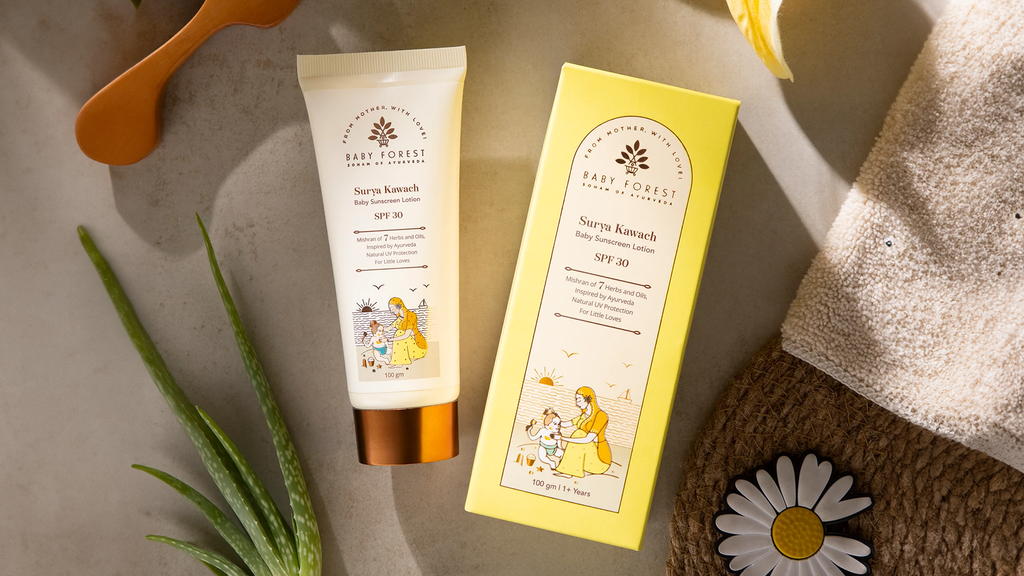
The Importance of Sun Protection: Why Baby Sunscreen is a...
In the warm embrace of sunlight, babies experience not just the joy of being outdoors but also the potential risk of sun damage to their delicate skin. Understanding the importance of sun protection for infants is crucial for ensuring their well-being. This article will delve into the reasons why baby sunscreen is a must, covering various aspects to enhance your awareness and guide you in safeguarding your little ones.
Baby Skin Vulnerability to Sun Damage:
To comprehend the significance of sun protection, it's essential to recognize the vulnerability of baby skin. Infants have thinner, more delicate skin that is highly susceptible to harmful UV rays. Unlike adults, their skin has not fully developed the natural defenses needed to shield them from the sun's impact.
Harmful Effects of Sun Exposure on Babies:
Sun exposure can have severe consequences on a baby's skin. From sunburns to long-term damage, the risks are substantial. UV rays have the capability to infiltrate the skin, potentially causing concerns like dehydration, heatstroke, and an elevated susceptibility to skin cancer in the future. It's imperative to address these potential hazards through effective sun protection measures.
Why Regular Sunscreen Isn't Suitable?
Not all sunscreens are made equal, and sunscreens meant for adults may not be suitable for baby skin. Chemical ingredients found in some sunscreens can be harsh, causing irritation and allergic reactions. Understanding the characteristics of baby sunscreen becomes crucial to ensure optimal protection without compromising safety.
Characteristics of Baby Sunscreen:
Tailored to the distinctive requirements of infant skin, baby sunscreens stand out for their specialized formulation. These sunscreens are often infused with potent natural ingredients such as Seabuckthorn Oil, Carrot Oil, Red Raspberry Seed, and other beneficial herbs and oils. This unique blend not only delivers effective natural sun protection but also contributes to the overall well-being of the baby's delicate skin.
In addition to their natural composition, these sunscreens prioritize gentleness, employ a nongreasy formula, and are suitable for daily use that shields against UV rays without causing irritation. The inclusion of Seabuckthorn Oil, Carrot Oil, and Red Raspberry Seed adds an extra layer of nourishment, ensuring that the baby's skin remains soft and hydrated after application.
How to Apply Baby Sunscreen Lotion?
To apply the Baby Forest Surya Kawach Sunscreen Lotion effectively, start by dispensing a small amount onto your palms. Gently rub the lotion in your hands to ensure even distribution. When applying to your baby's face and body, pay special attention to areas such as the cheeks, neck, and ears. To achieve the best outcome, it is advisable to apply the Baby Forest Surya Kawach Sunscreen Lotion to moistened skin. This helps in seamless absorption and enhances the effectiveness of the sunscreen.

Tips for Sun Protection on Adventures:
Adventurous outings with your little one require extra precautions and these additional measures contribute to a safer and more enjoyable outdoor experience.
-
Choose the Right Time for Outings:
When planning outdoor activities with your baby, try to schedule them during the early morning or late afternoon when the sun's intensity is lower. This reduces the risk of exposure to harsh midday sunlight. -
Opt for Shade Solutions:
When outdoors, look for shaded areas or create your own shade with a stroller canopy, a baby sun tent, or a portable umbrella. This ensures a cool and protected environment for your baby to enjoy.
-
Stay Hydrated:
Hydration is crucial, especially during sunny days. Keep your baby well-hydrated by offering fluids regularly. If your baby is still breastfeeding, ensure they are nursing adequately, and if they've started solids, offer water in a sippy cup. -
Cooling Accessories:
Consider using cooling accessories like baby-friendly cooling pads or towels to keep your little one comfortable in the heat. These accessories can be especially useful during warmer weather. -
Be Mindful of Hot Surfaces:
Be cautious of hot surfaces, such as playground equipment, car seats, or sand, that can become uncomfortably warm in the sun. Check surface temperatures before placing your baby down to avoid burns or discomfort.
-
Monitor Sunscreen Expiry Dates:
Check the expiration dates on your baby's sunscreen lotion regularly. Expired sunscreen may lose its effectiveness, compromising the level of protection it offers. Replace it promptly to ensure continuous safety.
Conclusion
Understanding the importance of sun protection for babies goes beyond the application of sunscreen. It involves recognizing the vulnerability of baby skin, comprehending the harmful effects of sun exposure, and adopting a holistic approach to safeguarding against UV rays. By prioritizing baby sunscreen with suitable characteristics and implementing additional protective measures, parents can ensure their little ones bask in the warmth of the sun without compromising their health. Embrace the responsibility of nurturing your baby's skin, and let each outdoor adventure be a safe and joyous experience.

Experiencing Motherhood for the First Time: A Precious Ph...
When a baby is born, there's also a birth of a parent. Parenthood is a beautiful yet intense time with a pinch of nervousness, overwhelming emotions, and, most importantly- a lot of learning. A woman gets to know the extremes of herself that she possesses and is never aware of. Only motherhood could do that!
The first experience of being a mother is all about "Discovering." One discovers the care that they are capable of. A selfless is born out of the self. You start putting someone else before yourself. A mother has to face many changes in all aspects of her life, including physical appearance, health, and mood. The approach to life itself turns upside down. But, at last, those sleep-deprived days and nights will all be worth the happiness when you will see the smile on that tiny little face. Here are some of the focuses that can be helpful in this crucial time.
Take It Easy:
A new mom is constantly sleep deprived. That adrenalin episode, full of energy when you feel like a wonder woman, might work for a while but are not a solution for the long term. So whenever it is possible, take a nap. Your body is still recovering and needs the best care possible. It doesn't matter if it's day or night. Frequent feeds and diaper changes are constant. Coordinate with your partner or always prefer to take a nap when your baby is asleep too.
Tough Or New?
There are different ways that a new mom copes with the all-new things around her. They have their own pace to get themselves comfortable with. Some let that slip from their recollection, and some moms are very zestful of the new beginnings and adapt to everything quickly. Meanwhile, some moms have to go through what is called postpartum depression. It is usual for a lot of mothers. But with time, With just a bit more care and support, everything falls right into place.
Rely On Your Loved Ones:
Emotional reassurance plays a vital role in the process. The bridge between difficulties and the special moments with your little one makes the experience of motherhood so pristine. Whether it's from friends and family or the inner you who is filled with joy when the baby speaks, sits, eats, walks, and giggles for the first time. This is all that serves the beauty of being a mother.
Your lifestyle might not be easy to fit in when you have a little human to look after for 24 hours. The bond might take some time or can happen on the first day you meet your baby. Both situations are normal. There's not even one aspect that you should feel pressured about. All you need to worry about is keeping a record of everything before it starts fading away because of the liveliness of the new baby and the mother.

Balancing Baby and Life: Time Management Tips for Moms
Have you ever wished a day should be 30 hours long? So that you can take out some time all to yourself. As if you are always running out of time. You have to multitask even if you don't want to! Well, Ask a new mom about it. The crisis they will tell is going be concrete—a neverending saga of to-do lists. And for the working mom, the list goes on and on and on........ This blog is not about giving fancy advice for making and writing planners daily, because that will be another work to do! But here are some tips that a new mom can induce in their life to relax a bit. After all, we've got your back, new mamas!
Find Your Mom Buddies
Mom support groups are such an underrated solution. You can discuss ideas and problems with someone you can relate to! It also opens a gateway to better parenting with counseling for postpartum depression. Things that take a lot of time for a mother are more manageable when all the wonder women are together. Isn't it beautiful?
Eat Well and Sleep Well
New Moms always run short on sleep, whether it is because of breastfeeding their babies at night or being awake till they are asleep. Sleeping soundly for the ideal time is a rare task for them. Ask your partner to manage the time with you alternatively. Or a babysitter isn't a bad idea for a while to take some time out for you. A well-rested mom will be much happier and able to connect more with a baby. And eating healthy will heal both the mind and body.
No Chasing On What's there On The Internet
Let's be honest. There are neverending standard examples of being a perfect mother who knows parenting the best on the internet! It would be best to focus on the connection, not the perfection. You already know what's best for your baby. You must follow and believe in your bond with your Lil one.
Simplify And Take Out The Me-Time
Month end comes with many pending and scheduled tasks, and aligning them with a mom's life is a very hectic idea. Automate the task that is possible. Web-enabling some payments and functions will be an excellent way to take some time out. Then what, Hit the spa or book a yoga session all to yourself!
Prioritize and Divide
The daily miscellaneous tasks are the ones that create absolute chaos. Divide chores with your partner and weekly prioritize whatever you need to do first. You don't have to pen everything down to finalize, but just what's first and what can be done later will sort a lot for you.
Expectation from a mother is infinite. She has to be a role model for their children and take care of them throughout the day, from caring for their health to feeding, bathing, and playing with them. All of it requires almost the whole day. The importance of "me time" is already becoming an essential part of the fast-paced world. It works wonders for your mental health if you give yourself the space you deserve. The journey of you and your Lil one should be beautiful and not a stressful one!