 Skip to main content


Baby Care & Parenting Blogs

A Parent’s Guide to Building the Perfect Baby Bathing Kit
Bath time is part of the daily routine. Some days it feels quick and effortless. Other days, it can turn slightly chaotic, with small moments that test your patience.
Many parents are unsure which bath products are necessary and which can be avoided. Babies have more delicate skin than adults and require mild products designed specifically for them. A thoughtfully assembled baby bathing kit focuses on essential products that support cleansing, hydration, and comfort without overwhelming the routine. When each product serves a clear purpose, bath time becomes more structured, efficient, and reassuring for both parent and baby.
Why Does a Baby Need a Separate Bathing Kit?
Baby skin is not the same as adult skin. It is softer, thinner, and loses moisture faster. Adult products are made stronger and are suitable for grown-ups, but they may not suit delicate baby skin. That is why a separate bathing kit for babies is important, as it helps keep baby products separate and safe.

Using mild products made especially for babies helps avoid dryness or irritation. A proper bathing kit ensures that everything used on your baby is formulated with care.
What Are the Basic Essentials in a Baby Bathing Kit?
You do not need ten different bottles. A few simple essentials are enough to form a complete bathing kit for your baby.
-
A gentle body wash for baby helps clean the skin without making it dry.
-
A tear-free baby shampoo keeps the scalp clean in a soft way.
-
A moisturizing baby body lotion keeps the skin moisturised after bath time.
-
A hydrating face cream helps keep delicate skin soft and protected.
These simple essentials make up a practical and complete baby bathing kit.
What Should You Look for in a Baby Body Wash?
A good body wash for babies should be mild. It should be clean without leaving the skin tight or dry. After a bath, the skin should feel soft and comfortable. It should also rinse off easily. Heavy products can leave residue on the skin if not washed properly.
Products designed specifically for baby skin, such as Baby Forest Sampoorna Snan Baby Body Wash, focus on mild cleansing. With nourishing ingredients like coconut oil, aloe vera, jasmine oil, and red sandalwood, it helps cleanse the skin gently while maintaining natural softness and hydration.
When choosing a body wash for baby, simple and gentle always works better.
Why Is a Separate Baby Shampoo Important?
A baby’s scalp is soft and sensitive, the hair may be thin, and the skin on the head needs mild care. Adult shampoos can feel too strong and may irritate the eyes. A separate baby shampoo helps keep bath time peaceful.
Baby Forest Nikhrae Kesh Baby Shampoo is made for mild scalp cleansing. It helps cleanse the hair and scalp without causing discomfort. Enriched with hibiscus leaves and the Ayurvedic herb Brahmi, it helps strengthen hair roots while supporting moisture balance in the delicate scalp, leaving hair soft and manageable. The formula is tear-free, cruelty-free, natural, and derma-safe, making it suitable for regular use.
During bath time, babies move a lot, so a mild, tear-free formula makes the process smoother and helps prevent eye irritation. Baby hair does not need heavy products; simple cleansing is usually enough. When using shampoo, create a light lather in your palms and massage softly on the scalp without applying pressure on the fontanel, then rinse well.
Why Should Lotion Be Part of the Bath Routine?
After a bath, the baby's skin can lose moisture quickly. Water cleans, but it can also make the skin feel dry if not followed by proper care. Applying lotion helps maintain softness. It keeps the skin comfortable throughout the day.
Baby Forest Moh Malai Baby Body Lotion supports daily moisture care. After gently patting the baby dry, apply a small amount and spread it slowly. Some parents also like to use a light massage oil for baby before bath time as part of their routine.
Lotion does not need to be applied in large amounts, just enough to keep the skin hydrated.
Does a Baby Need a Separate Face Cream?
A baby’s face is constantly exposed to drool, milk, food, and environmental factors. All of it touches the face. Because of this, the facial skin may become dry or slightly rough. A separate face cream helps maintain softness.
Baby Forest Khilta Mukhra Baby Face Cream is made, keeping a baby's delicate facial skin in mind. It focuses on light care without feeling heavy. A small amount gently applied is enough.
Baby care does not need to feel complicated. Consistency and simplicity are often enough.
How Can You Keep the Bathing Kit Organised?
Keeping things organised saves time. It also reduces stress during bath time with your baby bathing kit.
-
Keep all baby products in one basket or tray. Do not scatter them around the bathroom.
-
Store them in a dry place. Close the lids tightly after use. Check expiry dates once in a while.
-
Keep towels nearby so you can wrap your baby comfortably after bath time.
Small habits like these make daily routines smoother. When everything has a place, bath time feels less chaotic.
Choosing Safe and Thoughtfully Made Baby Care Products
When building a baby bathing kit, the brand you choose also matters. Parents feel more relaxed when products are clearly made for babies.
Look for brands that focus on baby-safe ingredients and natural formulations. Clear labels and honest information help you make better decisions.
Baby Forest offers bathing essentials created for delicate baby skin. From body wash for baby to lotion and face cream, the range supports everyday bath-time routines with a focus on mild care. Parents can also explore the Bath Ritual section, where these bathing essentials are organised together to help build a complete and practical baby bathing kit. Baby Forest Maasoom Pitari is another convenient option for parents who prefer everything in one place, bringing together trusted bath-time products in a single set.
Sometimes, having everything together saves both time and effort.
Conclusion
A perfect baby bathing kit does not mean a large collection of products. It means choosing the right essentials. A gentle body wash for baby, a mild tear-free shampoo, a moisturizing lotion, a lightweight and hydrating face cream, along with warm swaddles after a bath, can cover most daily needs. When products are chosen carefully and kept organised, bath time becomes easier and more comfortable for both parent and baby.
Daily care does not need to be complicated; simple choices often work best.

Benefits of Baby Rose Water for Your Little One
Caring for your baby's skin is as essential as nurturing their health. In a world teeming with baby skin care products, finding the gentlest and most natural option for your little one can be a challenge. Among the myriad choices, baby rose water stands out as a remarkable solution that not only pampers but also benefits your baby's delicate skin.
Crafted from the essence of native rose petals, it brings nature's best to your baby's skincare routine. Here are a few
Benefits of incorporating baby rose water into your daily routine:
-
Soothing Calmness
The core ingredient, Rosa Damascena flower water, is renowned for its calming properties. Native rose petals are carefully selected and distilled to create rose water and it offers a soothing touch to your baby's skin. The natural fragrance of roses is not just a scent but a sensory experience that calms the mind and body. It's like wrapping your baby in a soft, fragrant hug that soothes them into peacefulness. The delicate aroma of roses also ensures your baby enjoys a luxurious, calming bath time, making it a serene ritual.
-
Hydration and Nourishment
Baby rose water is a fantastic hydrator. Due to its vital formulation, enriched with Vitamin E, it aids in preserving the skin's moisture barrier, which helps in avoiding dryness and ensures the skin remains smooth and pliable. This works as a natural moisturizer that absorbs easily without leaving any greasy residue, ensuring your baby's skin remains hydrated and nourished. -
Natural and Safe Ingredients
When choosing rose water for your baby, it's crucial to opt for a product with natural and safe ingredients. A formula comprising Rosa Damascena Flower Water and Vitamin E, without any added chemicals, is ideal. This ensures that the product is gentle on your baby's skin and free from any harmful substances. By selecting a natural, cruelty-free, and derma safe rose water, you provide your baby with the safest and most loving care.
-
Versatility
Its natural soothing properties make it an excellent choice for various situations – from diaper changes to after bath time, ensuring your baby's skin remains clean, calm, and refreshed. On hot and humid days, a quick spritz of rose water can provide an instant refreshment for your baby, helping to cool and soothe their delicate skin. The gentle fragrance of rose water also adds a mild, pleasant scent that can comfort and relax your baby, making it a perfect, all-natural way to enhance their overall well-being and comfort throughout the day.
Why Rose Water Plays a Gentle Role in Baby Skin Care
Baby skin care not only involves cleansing but also maintaining comfort during the day. Rose water is beneficial as it provides hydration, freshness, and a calming touch without harming the delicate skin of the baby. Babies’ skin is easily prone to dryness, heat-sensitivity and irritation. Rose water for baby skin is a great option to use as a mild everyday refresher. It is soothing to the baby’s skin and can be regularly added to their skin care, particularly between baths or on warmer days.
Pro Tip for Using the Gulaab Oose - Baby Rose Water Mist:
To enhance the nourishment and softness, combine a few drops of the rose water mist with Loi Ubtan Powder and gently massage it into your baby's skin. This blends not only hydrates but also leaves the skin incredibly soft, supple, and with a healthy glow. It's a simple yet effective way to enhance the natural benefits of rose water, providing your baby with the ultimate skincare treatment.
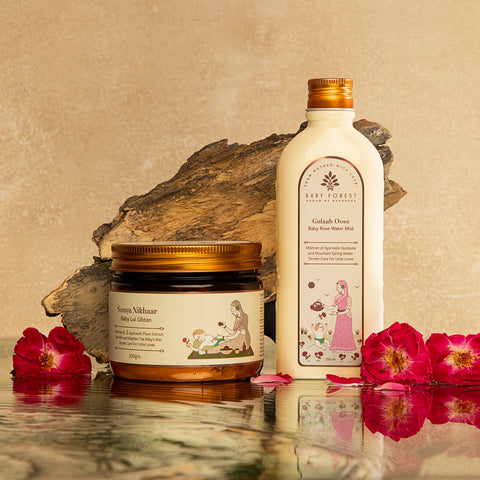
Related Read - Baby Loi Ubtan: Traditional & Modern Care for Stylish Moms
Selecting the appropriate skincare products for your baby is crucial. By choosing a product that is natural, cruelty-free, and free from harsh chemicals, you're guaranteeing that your baby benefits from the finest offerings of nature. Incorporate baby rose water into your baby's skincare routine for a touch of nature's gentleness and purity, embracing its benefits for a happy, healthy baby.
Whether you're a new parent looking for inspiration for the perfect baby shower gift ideas or simply looking for any essential baby care product, like the best baby lotion, our resources are designed to guide you every step of the way.
You can also read more about the traditional and modern significance of using a mustard seed pillow for your little one and explore its various benefits. Or, if you're interested in understanding the richness of Indian ceremonies for your child, our detailed guides on the Annaprashan ceremony and Mundan ceremony will offer insights and practical tips to celebrate these milestones for your little one.
You can read more blogs to ensure that your parenting path is well-informed, joyful, and rich in tradition and care.

Best Skincare Routine for Each Baby Skin Type
Every baby is born with something truly special, and that’s their own unique baby skin types. Some little ones have soft, dry cheeks that need extra love, while others may have shiny foreheads or skin that reacts in a flash. Understanding these differences is crucial, because a skincare routine isn’t just about choosing what’s mild. It’s about choosing what’s right. And what works well for one baby might not suit another at all. A skincare approach, specific to your baby’s skin type, can support the skin’s barrier, reduce discomfort, and even prevent common issues like rashes or eczema flares.
How to Identify Your Baby’s Skin Type
No diagnostic test tells you exactly what skin types your baby falls under. Understanding your baby’s skin type starts with simple, everyday moments like most parents rely on gentle observation. After a bath, does the skin look tight, flaky, or red? That could suggest dryness. If it looks shiny or gets tiny bumps easily, it could be an oily skin type. Some babies have no reaction to anything, not even fragrance, temperature shifts, or fabrics, which tends to indicate normal skin. Babies who often break out in rashes or who get red patches with new products are likely to have sensitive skin. And then there are babies with eczema-prone skin, which may present as rough patches, itching, or chronic irritation even without obvious triggers. Understanding baby skin types early on helps in choosing the right care that keeps the baby’s skin protected and supple.
Why Baby Skin Needs a Thoughtful Skincare Routine From Day One
Newborn baby care starts way before skin concerns emerge. A baby’s skin is still developing and is more prone to changes in the environment, drying up, and irritation. That is why it is important to have gentle yet consistent skincare at a young age.
An effective skincare routine does not mean using up too many products. It involves mindfully selecting the correct ones for the baby’s skin. When skincare is chosen according to the baby’s needs, it supports skin health and prevents common concerns before they begin. This simple method gradually forms a strong foundation for healthy baby skin.

The Complete Guide to Choosing the Right Sunscreen for Kids
Sunshine brings warmth, smiles, and outdoor joy, but for babies and young children, it also calls for thoughtful protection. Their skin is delicate, still developing, and far more sensitive to environmental stressors than adult skin.
That's why sun care for little ones isn’t just about preventing a tan, it’s about protecting their skin barrier, shielding skin from harmful UV rays, lowering the risk of sunburn, and promoting long-term skin health.
Choosing the right sunscreen for babies and kids can feel overwhelming with so many options on the shelf. This guide breaks it down simply, so you can protect your little one’s skin with confidence every time they step out into the sun.
How to Choose the Best Sunscreen
Choosing the right sunscreen for your little one is about more than just SPF, it’s about safety, gentleness, and suitability for their delicate skin. Here are a few tips to choose the right sunscreen for your little one:

-
At what age can babies use sunscreen?
-
Under 6 months: Avoid direct sun. Use shade, hats, and protective clothing.
-
6 months and older: Introduce a baby-safe, mineral-based sunscreen. Toddlers and young children benefit from daily use as part of their skincare routine.
-
Why Use Sunscreen?
A child’s skin is thinner and absorbs more from its surroundings compared to adult skin. This makes it more vulnerable to:
-
Redness and irritation
-
Long-term sun damage
Sunscreen forms a protective barrier against harmful UV rays, allowing babies and kids to explore the outdoors safely without compromising their skin’s natural balance.
-
Factors to consider
When selecting a sunscreen for little ones, look for:
-
SPF 30 or above.
-
Broad-spectrum protection.
-
Gentle and non-greasy.
-
Water and sweat-resistant.
-
Dermatologically tested for sensitive skin.
Tip: SPF30 is ideal for kids, as it blocks 97% of UVB rays and is suitable for everyday use.
-
Ingredients Matter: What to Avoid & Look for
Not all sunscreens are made for baby skin. Here are a few ingredients to avoid in sunscreens for little ones:
-
Oxybenzone
-
Octinoxate
-
Parabens
-
Phthalates
-
Artificial fragrances and dyes
These ingredients can be harsh, irritating, or too strong for young, developing skin.
Opt for sunscreens enriched with gentle, nourishing ingredients for little ones:
-
Mineral filters like zinc oxide
-
Natural oils and herbs that moisturize and soothe
-
Antioxidants that support skin health
-
Non-toxic ingredients
These help protect while also caring for the skin, because sun protection should never come at the cost of comfort.
*Oxybenzone: A chemical sunscreen ingredient that can be absorbed into the skin. Baby’s skin is extra delicate, so this ingredient may increase the risk of irritation or sensitivity.
*Octinoxate: Often used to absorb UVB rays, but it can be too strong for babies and may cause skin reactions on sensitive or developing skin.
-
How to apply sunscreen
-
Use a generous amount on all exposed areas: face, neck, ears, arms, legs
-
Apply 15–20 minutes before sun exposure
-
Reapply every 2–3 hours, especially after water play or sweating
-
Use soft strokes, never rub harshly
Making sunscreen a part of your little ones' daily routine helps build lifelong sun-safe habits. Also, it is advised to do a patch test before using the sunscreen.
Why Choose Baby Forest Surya Kawach SPF30 Baby Sunscreen Lotion
Baby Forest Surya Kawach SPF30 baby sunscreen lotion is created with a clear understanding that babies' and young children's skin needs sun protection that is effective yet gentle. It offers SPF 30 protection, suitable for everyday outdoor exposure.

Made using 10 natural herbs and beneficial oils that help protect and care for delicate skin. Ingredients such as sea buckthorn oil help protect a baby's skin from dryness while keeping it moisturised, carrot oil supports full-spectrum protection, and red raspberry is known for offering natural UV protection benefits. Aloe vera, known for its nourishing and soothing properties, retains natural moisture and leaves skin smooth and supple even after sun exposure.
Its lightweight, lotion-based texture spreads easily, absorbs quickly, and leaves no white cast. The finish is soft, hydrating, and non-greasy, making it comfortable for babies and active kids alike. Thoughtfully formulated for sensitive skin, it is safe for everyday use, so time spent outdoors feels easy and worry-free.
Baby Skin vs Adult Skin: Why Regular Sunscreen is a NO-GO
Using adult sunscreen on children can lead to irritation, rashes, or discomfort. A baby-specific sunscreen is always the safer choice. Baby skin is very different from adult skin, which is why regular sunscreens made for grown-ups may not be suitable for little ones.
The table below shows the key difference that makes baby-specific sun protection essential.
|
Factor |
Baby Skin |
Adult Skin |
|
Thickness |
30% thinner, absorbs chemicals more easily. |
Thicker protective barrier with lower absorption. |
|
Sensitivity |
Higher pH, more prone to irritation and rashes. |
Balanced pH, generally more resilient. |
|
Melanin (Natural Protection) |
Lower melanin levels, higher risk of sunburn. |
More developed melanin (varied by skin tone). |
|
Oil & Sweat Glands |
Underdeveloped glands, less natural moisture & protection. |
Fully functional glands that regulate hydration & body temperature. |
Additional Sun Protection Essentials
Sunscreen is an important part of sun safety, but it works best when paired with a few simple everyday habits. Along with applying sunscreen, these additional sun protection tips keep babies and kids comfortable, protected, and happy while enjoying time outdoors.
-
Hats on
Choose wide-brimmed hats that shield your child’s face, ears, and neck from direct sunlight. Choose a hat with a chin strap to keep it secure during outdoor adventures. Ensure that it’s comfortable and fits snugly to stay put.
-
Dressing Right Under the Sun
Dress babies and kids in lightweight, breathable, full-sleeve cotton clothing or a fabric with a tight weave to add an extra layer of protection.
-
On-the-go shades
Use strollers with sun canopies, umbrellas, or portable shades when stepping outdoors. Also consider carrying a pop-up tent for picnic days.
-
Limit direct sunlight exposure
Whenever possible, keep little ones in shaded areas, away from direct sunlight exposure, especially with infants who have very sensitive skin.
-
Avoid peak/strongest hours (between 10 AM and 4 PM)
Plan outdoor activities to avoid peak sun hours from 10 AM to 4 PM, whenever possible. This is the time when the sun's rays are the strongest.
Conclusion
Sun protection is an essential part of caring for your little one’s skin, not just during summer, but every time they step outdoors. Because little ones have delicate, developing skin, choosing the right sunscreen and supporting it with mindful sun-safe habits can make a meaningful difference to their comfort and long-term skin health.
After all, protecting your little one from the sun today helps nurture healthy, happy skin for the years to come.

Cloth Wipes vs. Water Baby Wipes: The Better Choice For M...
Parenthood is a journey filled with life's profound and intimate experiences, both the smallest moments and the most powerful emotions. Becoming a parent for the first time often brings a mix of small routines and meaningful decisions. From everyday cuddles to routine diaper changes, parents find themselves carefully weighing even the smallest choices. During everyday routines, many parents look for choices that feel gentle, safe, and reassuring for their baby.
In the midst of all this care and chaos, many questions often arise. Is convenience okay? Does choosing ease mean choosing less? Many parents find that comfort and convenience do not have to come at the cost of gentle care. Today’s baby wet wipes are designed to support modern parents by offering a gentle cleansing option that fits smoothly into daily routines. With baby comfort kept in focus, they aim to simplify everyday cleaning moments.
This guide assists parents in choosing between cloth wipes and water baby wipes. By comparing the two, it aims to help parents select the best option for their baby's skin, integrate it smoothly into their daily routine, and ultimately achieve peace of mind.
Cloth Wipes vs Water Baby Wipes: What's the Difference?
Parents today have two primary choices for baby wipes: reusable cloth wipes or disposable water baby wipes. Understanding how each option works in daily life can help you make a confident decision for your little one.
What Are Cloth Wipes?
Cloth wipes are reusable pieces of fabric used to clean a baby’s skin during diaper changes or minor messes. Some parents choose cloth wipes based on personal preference, sustainability considerations, or established care routines.
Using cloth wipes involves regular washing, drying, and storage. Parents also need to ensure that clean wipes are readily available and that used wipes are handled hygienically. While this system fits well into certain household routines, it may require additional planning, particularly during the early months when time and energy can be limited.

What Are Water Baby Wipes?
Water baby wipes, commonly known as baby wet wipes, are pre-moistened wipes designed specifically for a baby’s delicate skin. They typically contain a high percentage of purified water and are ready to use straight from the pack.
These wipes are often chosen for their ease of use and gentle formulation. Water baby wipes support quick clean-ups during diaper changes, feeding times, and everyday messes, making them a convenient option for many parents.
Baby’s Delicate Skin Needs Gentle Care
A baby’s skin is thinner and more sensitive than an adult’s, which means it can lose moisture easily and react quickly to friction or unsuitable ingredients. This is why gentle handling and careful product choices are especially important.
Whether parents choose cloth wipes or baby wipes, the material that comes into contact with the baby’s skin plays a key role. Soft, plant-based fabrics such as bamboo are often preferred because they feel smoother and reduce friction.
When using baby wipes, many parents also find reassurance in knowing exactly what ingredients are present. Water baby wipes with simple, transparent formulations are often favoured for daily use. Fragrance-free and alcohol-free options are generally considered gentler, as they reduce the likelihood of dryness or irritation when used appropriately.
Convenience That Truly Supports Parents
Everyday Diaper Changes
Newborns require frequent diaper changes throughout the day and night. During these moments, simplicity can make routines feel calmer and more manageable.
Baby wipes are ready to use and provide a consistent experience with each change. Parents do not need to prepare water or manage multiple steps, which can be especially helpful during late nights or busy mornings.
On-the-Go Moments
Parenting continues well beyond the home. Outings, travel, doctor visits, and everyday errands often come with unexpected messes.
Baby wet wipes are easy to carry and use anywhere, without the need for additional bottles, sprays, or storage for used wipes. This portability makes them a practical option for parents who are frequently on the move.
Hygiene You Can Rely On
Maintaining hygiene is particularly important during the newborn stage. Disposable baby wipes provide a fresh wipe for each use, which many parents find reassuring.
This can be especially comforting during travel, illness, or outdoor activities, where access to washing facilities may be limited. For these situations, baby wipes offer a simple and hygienic solution when used correctly.
Cost vs. Value: What Parents Often Find
At first glance, cloth wipes may appear more economical since they are reusable. However, they also involve ongoing use of water, detergent, electricity, and time for washing and drying.
Baby wipes, on the other hand, reduce the need for additional preparation and maintenance. For many families, the time and effort saved contribute to their overall value, especially during demanding phases of parenting.
Environmental Concerns, Thoughtfully Addressed
Sustainability is an important consideration for many parents when choosing baby care products.Today, several baby wipe brands offer options made with plant-based fabrics, biodegradable fibres, and responsibly sourced materials. Conscious packaging choices can also help reduce environmental impact.
Choosing baby wipes does not exclude environmental responsibility. It often means selecting products that aim to balance gentle baby care with mindful sourcing and production practices.
Cloth Wipes vs. Water Baby Wipes: A Simple Comparison
|
Feature |
Cloth Wipes |
Water Baby Wipes |
|
Preparation |
Requires washing and setup |
Ready to use |
|
Skin Feel |
Depends on the fabric and washing |
Soft and consistent |
|
Hygiene |
Reusable, needs careful handling |
Fresh wipe every time |
|
Travel Friendly |
Less convenient |
Easy to carry |
|
Time & Effort |
More steps involved |
Quick and simple |
|
Fit for Modern Life |
Limited |
Highly adaptable |
Are Baby Wipes the Better Choice for Modern Parents?
For many families, especially during the early years, baby wipes feel easier to incorporate into daily routines. They offer a balance of gentle care, hygiene, and convenience that suits fast-paced, unpredictable days.
While cloth wipes may work well for certain households, baby wipes often adapt more easily to a wide range of parenting moments, from nighttime diaper changes to outdoor activities.
Why Many Parents Choose Baby Water Wipes from Baby Forest
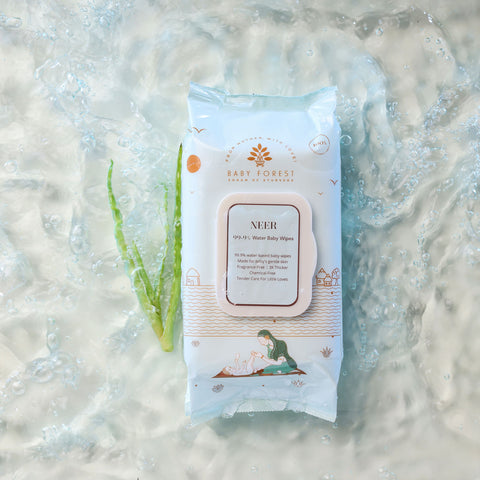
Neer 99.9% Water Baby Wipes from Baby Forest are created with babies’ sensitive skin in mind. They are made using ultra-soft bamboo fabric and are infused with 99.9% purified water along with aloe vera extract, offering a gentle cleansing experience.
These wipes contain no added synthetic fragrance, colour, or alcohol and are dermatologically tested. Their minimal formulation makes them suitable for everyday use when used as directed. Parents often choose unscented water baby wipes like Neer for their simple ingredient profile and gentle feel on the skin.
Final Thoughts: Choose What Makes Parenting Easier
Choosing baby wipes is not about taking shortcuts. It is about selecting options that support parents in their daily routines.
When parents feel supported, they are able to focus more on bonding, comfort, and presence. Simple, thoughtful baby care solutions can make everyday moments feel easier and more reassuring. Baby Forest aims to walk alongside parents, offering gentle care and trust through every stage of their journey.

The Benefits of Using Water Wipes for Your Baby's Delicat...
Welcoming a baby into your family means making so many choices, guided by love, care, and a deep wish to provide the best for your little one. Among these many decisions, choosing everyday hygiene products such as soaps, shampoos, oils, and wipes plays a crucial role in a baby’s daily care.
These products come into direct contact with the baby’s skin multiple times a day. Since a baby’s skin is extremely delicate and still developing its natural protective barrier, it can easily react to harsh chemicals, artificial fragrances, or additives. This makes gentle, chemical-free options essential for keeping the skin healthy, comfortable, and irritation-free.
Baby wet wipes are used multiple times throughout the day, making their ingredients and texture essential for ensuring comfort during everyday care routines. As the demand is increasing with regard to the baby’s skin sensitivity and clean formulations, parents are currently shifting towards easier-to-use products that are safer. Water wipes have become a favourite, as they provide a good cleansing and are gentle to the baby and their delicate skin. This blog will help parents understand the benefits of choosing water wipes for babies and how to pick the right ones.
Understanding the Delicate Nature of Your Baby's Skin
The skin of a baby is more sensitive when compared to an adult. It is more prone to irritation and allergic reactions when exposed to harsh chemicals commonly found in traditional baby wipes. This is where water wipes come into play. Infused with purified water and natural ingredients like aloe vera extract, these wipes offer a gentle yet effective solution for cleaning your baby without causing any harm.
The Purity of Water Wipes
Water wipes are designed with your baby's health in mind. They are predominantly made of purified water, typically over 99%, ensuring that the wipes are free from harmful chemicals and irritants. The simplicity of water combined with the natural soothing properties of aloe vera makes these wipes ideal for frequent use, reducing the risk of diaper rash and skin irritations.
Ultra-Soft Bamboo Fabric
The choice of material in baby wipes is as crucial as the ingredients. Ultra-soft bamboo fabric is renowned for its natural properties: it's anti-bacterial, hypoallergenic, and, most importantly, incredibly gentle on your baby's skin. Unlike traditional materials, bamboo fabric is more absorbent, ensuring a cleaner wipe with less rubbing, thus preventing redness or inflammation.
No Added Fragrance
Many baby wipes come with added fragrances, which, while pleasant, can lead to skin irritations or allergic reactions. Water wipes, especially those that are unscented, eliminate this risk, making them safe for even the most sensitive skin. By choosing fragrance-free wipes, parents can avoid unnecessary chemicals and ensure a pure and natural cleaning experience for their babies.
Dermatologically Tested
When selecting baby wipes, look for those that are dermatologically tested and approved. This certification attests to their safety, assuring that they are devoid of alcohol, parabens, and other harsh chemicals that may harm your baby's skin. It gives parents peace of mind, knowing that the wet wipes for babies they use have been tested and proven to be gentle and safe for newborns and babies with sensitive skin.
Free from Harmful Chemicals and Alcohol
The absence of harmful chemicals and alcohol in water wipes further underscores their suitability for newborns. Alcohol, commonly found in various cleaning products, can cause drying and irritation to delicate skin. By choosing water wipes, parents can ensure their baby's skin remains hydrated and protected from potential irritants found in conventional wipes.
Environmental Impact and Sustainability
Using bamboo-based water wipes benefits both your baby's skin and the environment. Bamboo is a sustainable and biodegradable material, making these wipes an eco-friendly alternative to traditional options. By opting for water wipes, parents are making a conscious choice to protect their baby's health and contribute positively to the planet's well-being.
How to Use Baby Forest Neer 99.9% Water Baby Wipes
Using Baby Forest Neer 99.9% Water Baby Wipes is a simple and effective way to keep your baby clean and refreshed, whether at home or on the go. Start by opening the lid located at the top of the pack to access the moisture-rich wipes. Gently pull out a single wipe, ensuring that the rest remains covered. Close the lid firmly after each use to retain the wipes' moisture and prevent them from drying out. Use the wipe to gently clean your baby's skin, including the bottom, face, and hands, effectively removing dirt, germs, and impurities. These wipes are designed for delicate skin, making them suitable for frequent use. Dispose of the wipe responsibly after use, and ensure the pack is sealed to maintain the high quality of the remaining wipes.
Final Thoughts
The journey of parenthood is full of decisions that shape the health and happiness of your baby. Selecting the right baby wipes is a small yet significant part of this journey. Water wipes, particularly those crafted from ultra-soft bamboo fabric and infused with purified water and aloe vera, offer a safe, gentle, and eco-friendly solution for maintaining your baby's hygiene and comfort.
Parents are now choosing a baby product that aligns with the delicate nature of the baby's skin while supporting sustainable practices. Remember, in a world full of choices, the simplest ones are often the kindest for your baby and the planet.
As parents manage through the early stages of parenthood, let the love and care for the baby guide their decisions. By opting for water wipes, parents are ensuring a gentle, pure, and loving touch for the baby's delicate skin, reinforcing their commitment to their health and happiness.

The Right Way to Bathe a Newborn: Steps, Water Temperatur...
Most newborns only need about 2–3 baths a week, not daily, because their skin is still learning how to protect itself. And yes, bathing a newborn can feel a little overwhelming at first. They are so tiny, every body part is delicate, and you might keep thinking, “Am I doing this right” you are, and you will get better each time. Bath time isn’t about being perfect. It’s about being gentle, prepared, and calm. This guide will walk you through the newborn baby bath step-by-step so you feel confident from day one.
When to Bathe Your Newborn
In the first few days, your baby doesn’t need a full bath right away, and it’s completely okay to take things slow. You can wait at least 24 hours after birth for the first bath, giving your little one time to settle into this new world. Until the umbilical cord stump falls off, which is usually within 1 to 2 weeks, you should stick to sponge baths only. This keeps the stump clean and dry while it heals.
However, once the stump has fallen off and the area looks properly healed, you can begin bathing your newborn in a tub. Even if you are bathing a newborn with umbilical cord still attached, just remember to avoid soaking the stump. Clean around it gently, keep the area dry, and if it gets a little wet by accident, simply pat it dry with a clean cloth. You’re doing just fine, this stage passes sooner than it feels, and you’ll be more confident with every bath.

Baby Skincare in Winter: Baby Body Lotion for Soft, Hydra...
The New Year often begins softly in homes with babies. There are no long lists of resolutions, just small promises parents make to themselves. To slow down, be more present, and care for their little one with extra love and gentleness. And in winter, those promises feel even more important.
With cold air, dry winds, and longer nights, a baby’s delicate skin is often the first to feel the change. Parents notice it during bath time, a dry patch here, a bit of roughness there and suddenly, skincare becomes a priority. Because baby comfort matters, and so does keeping their skin soft, calm, and protected. That’s where a simple, mindful routine can make all the difference.

Baby Loi Ubtan: Traditional & Modern Care
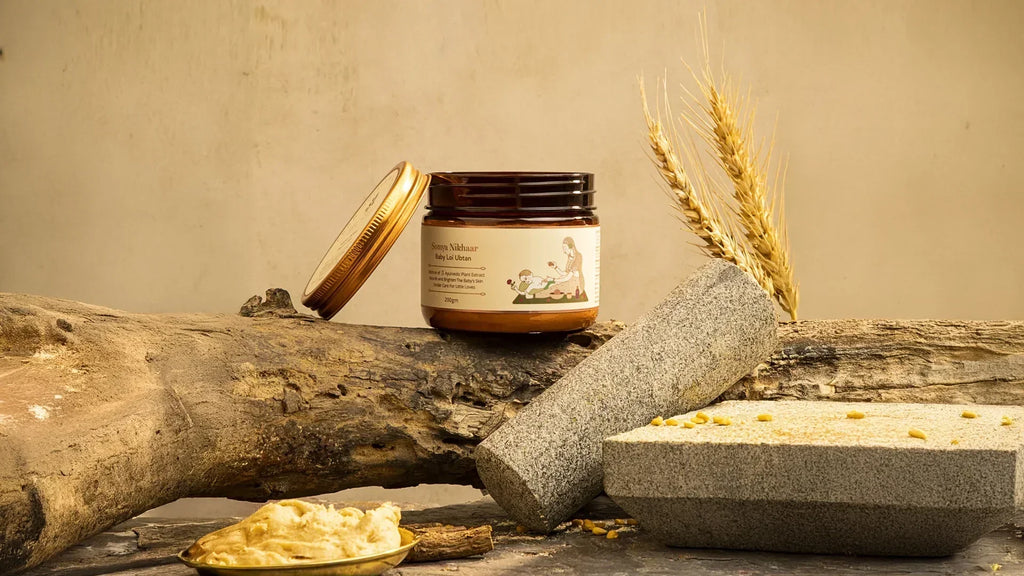
We all have at least one dainty memory of our Dadi maa or Nani maa rubbing the back of an infant with wheat atta loi, especially on a baby's forehead. It’s one of those heartwarming rituals that reminds us how beautifully Indian traditions blend love with care. Since babies are as delicate as rose petals, ubtan for babies to remove hair by loi is pain-free. There’s something so reassuring about knowing that this little practice has been passed down through generations, not just as a routine but as a gesture of pure affection. For these fragile and initial days, using wheat atta loi for babies is a perfect Indian tradition with an optimum amount of tenderness!
Not as typical as it sounds, a loi is just a tiny amount of wheat dough rolled into a ball and dipped into oil of preference for giving a loi massage to your little one. It’s that simple, soothing touch, almost like a grandmother’s warm hand, that makes the experience feel so comforting for both parent and baby.

Saffron for Baby Skin: A Star Ingredient
Parents are always mindful of what touches their baby’s delicate skin. After all, every ingredient in a baby care product truly matters. In this search for gentle and safe choices, saffron naturally stands out as one of the best options. Known for its purity and long-trusted benefits, saffron brings a soft, comforting touch to baby skincare. It helps brighten, soothe, and protect, making tiny skin feel calm, healthy, and nourished. With its natural warmth and age-old goodness, saffron has become one of the most loved ingredients in baby skincare and body care, offering parents a simple, worry-free choice for everyday care.
What Makes Saffron Such a Special Ingredient?
Saffron comes from the beautiful purple flowers of the Crocus sativus plant. Each flower has only three tiny red threads, which are carefully hand-picked. This makes saffron one of the rarest and most precious spices in the world. Its gentle nature and rich history have made it a special part of traditional skincare rituals for centuries. Over time, families discovered that saffron wasn’t just loved in kitchens but also worked wonderfully on skin, especially delicate baby skin.
Moreover, due to its natural goodness, saffron slowly made its way into baby skincare and body care. It is packed with vitamins, minerals, and powerful antioxidants like crocin and crocetin, which help protect the skin from environmental stress. Its soothing and calming properties help comfort sensitive skin, while its antibacterial and antiseptic abilities gently cleanse and unclog pores, removing dirt and excess oil. With regular use, saffron can help even out skin tone, deeply hydrate, and leave baby skin soft, glowing, and naturally healthy.
Key Compounds in Saffron and Their Benefits for Baby Skin
Here are some of the major key compounds in saffron, and each compound offers its own unique benefits.
| Compound | Benefit for Baby Skin |
|---|---|
| Crocin | Protects and brightens the skin, helps reduce irritation. |
| Crocetin | Calms inflammation and supports an even skin tone. |
| Safranal | Offers antibacterial and antioxidant care to keep skin clean and protected. |
| Kaempferol | Supports skin repair and helps maintain softness. |
The Golden Touch: Saffron for Gentle Baby Skin
Small in size but rich in goodness, saffron is a golden thread that truly transforms baby skin and body care. Here’s why parents prefer saffron-infused baby care products for their little one’s daily rituals.

Brightens and Evens Skin Tone
Saffron contains natural compounds like crocin and crocetin, which gently enhance the skin’s natural glow. These antioxidants help reduce dullness and support an even-looking skin tone over time. For babies, this means their delicate skin looks fresh, radiant, and naturally bright, without any harsh ingredients.
Soothes Redness and Irritation
Baby skin is sensitive and can easily get red or irritated. Saffron’s anti-inflammatory properties, especially from crocetin, help calm tiny flare-ups. Its soothing nature comforts skin that feels itchy, rashy, or dry while keeping the baby skin soft and nourished.
Keeps Skin Clean and Protected
Thanks to compounds like safranal, saffron offers gentle antibacterial and antiseptic care. This helps keep baby skin free from impurities, dirt, and excess oil without stripping away moisture. The added antioxidants help shield the skin from everyday exposure to dust and pollutants.
Deeply Hydrates Delicate Skin
Baby skin loses moisture faster than adult skin. Saffron is rich in vitamins, minerals, and natural oils that help lock in moisture. These nutrients strengthen the skin’s hydration levels, keeping it soft, supple, and comfortably moisturised through the day.
Protects From Environmental Stress
Crocin and crocetin are those two star compounds in saffron that acts like tiny bodyguards for baby skin. They protect the skin from environmental stress such as pollution, heat, or dryness. It also maintains a stronger, healthier skin barrier, which is essential for sensitive baby skin.
Supports Soft and Supple Skin
Saffron is naturally rich in antioxidants and skin-loving nutrients that help improve skin texture. These compounds support gentle skin repair and maintain softness, making baby skin feel smooth, soft and cuddly.
The Ancient Roots of Saffron in Indian Baby Skincare
Saffron has held a special place in Indian tradition for thousands of years. Its use in baby care goes far beyond modern skincare, as it’s deeply connected to Ayurveda, cultural rituals, and generational wisdom. The shift of saffron from a sacred spice to a trusted baby-skincare ingredient is both historical and meaningful.
Why Ayurveda Trusts Saffron for Sensitive, Delicate Skin
In Ayurveda, saffron also known as Kumkumadi or Kesar is considered a “Satvik” herb, symbolizing purity and warmth. Ancient Ayurvedic texts describe saffron as one that:
-
Encourages an even-looking skin tone
-
Recognized as tridoshic balancing all three doshas
-
Gentle enough to soothe even highly sensitive skin
Traditional Post-Birth Rituals
Across India, saffron has been part of postpartum and newborn rituals for centuries. While people rarely gave it to babies to eat, they more commonly applied it to the skin in forms like:
-
Mild ubtan powders mixed with milk
-
Early morning massage rituals
-
Ceremonial applications during naming or blessing ceremonies
These practices weren’t meant to change a baby’s complexion but to purify and protect their delicate skin with natural ingredients.
Symbol of Purity, Warmth & Protection
Saffron was and has been believed to carry a gentle warmth that:
-
Improve blood circulation
-
Supports healthy skin development
-
Protects babies from environmental factors
Families often added a strand of saffron to oil or homemade baby balms to give them a nurturing, protective touch.
From Tradition to Modern Skincare
As time passed by, traditional wisdom was combined with modern dermatology. Scientists found that saffron is rich in:
-
Antioxidants
-
Carotenoids
-
Natural soothing compounds
This made people believe what Ayurveda had known long ago. Saffron can be a helpful skincare ingredient when used safely and correctly. Today, saffron is widely used in baby skincare formulations such as:
-
Cleansing bars
Its role has evolved from being a rare spice valued mainly for its colour and aroma in food to becoming a cherished skincare ingredient known to benefit both adult and baby skin in many gentle and meaningful ways.
Conclusion
Saffron has long been known as one of the world’s rarest and most precious spices, cherished for its rich colour, soothing aroma, and traditional significance. Over time, it's remarkable properties have moved far beyond the kitchen. With the presence of the active compound crocin, saffron is now utilised in modern skincare for its gentle cosmetic and medical benefits of saffron for both babies and adults.
Today, saffron has become a star ingredient in baby skincare for its ability to nourish delicate skin and keep it soft, healthy, and smooth. If you're looking for something truly special for your little one’s daily care routine, saffron-infused creams, lotions, and massage oils are a beautiful way to bring together ancient wisdom and modern skin science.

Preventing Chapped Lips During Winter: Benefits of Using ...
A baby’s lips may be tiny, but they hold so many emotions, like every smile, every coo, and every sleepy pout. They’re soft, delicate, and always exposed to the world. During winter, these tiny lips face their own quiet challenge.
Dry air, cold winds, and indoor warmth all strip away moisture, leaving the lips feeling dry and chapped. Unlike the skin, lips do not have oil glands. Therefore, they cannot defend themselves so well against changes in the environment. For babies who cannot communicate discomfort effectively, chapped lips can show up as fussiness, difficulty in feeding, and even irritability at night.
Parents discover that chapped lips aren't only about dryness; they are an indication that sensitive skin requires special attention. That's why a baby lip balm is no longer just a product; it is a soothing, comforting daily ritual of care of protection. It protects, moisturises, and calms the sensitive skin of the lips through the harsh winter months.
A simple, natural lip balm becomes a small but meaningful act of love, one that keeps your baby’s lips soft, happy, and smiling all season long.

Baby Skin Care for a Merry Winter
Winter can be tough on a baby's delicate skin, with cold air, low humidity, and indoor heating contributing to dryness, flakiness, and irritation. For your baby's delicate skin, it can also mean dryness, flakiness, and discomfort. A baby's skin is about 30% thinner than adult skin, which can make it more sensitive to environmental changes.
The good news is that simple skincare habits can help prevent or reduce many common winter skin concerns. From gentle bathing and moisturising to keeping indoor air comfortable, these simple habits can help protect your baby's skin throughout winter.
Skin Problems During Winter
As the temperature drops and the air dries out, your baby's skin has to work harder to hold on to its moisture. One important factor behind many winter skin concerns is Transepidermal Water Loss (TEWL), the natural movement of water from the skin through its surface. Cold, low-humidity air and indoor heating speed it up, and a baby's still-developing skin barrier may be less effective at retaining moisture.

Here are five winter skin problems to watch for.
Dry and Itchy Skin
Dry, itchy skin is one of the most noticeable effects of increased moisture loss. Low humidity and indoor heating can increase moisture loss, while frequent bathing or harsh cleansers can remove some of the skin's natural oils. Skin turns rough and flaky, especially on the cheeks, arms, and legs. Babies often rub the itchy spots against clothes or bedding, which irritates the skin even more.
Diaper Rash
Winter diaper rash can become more likely when thicker layers reduce airflow, and the diaper area stays warm and damp. Thicker layers limit air circulation, and diapers often stay on longer, so the area stays warm and damp. Moisture and friction can contribute to redness, bumps, and inflammation, and skin already stressed by dry air is less able to cope.
Eczema Flare-ups
If your baby has eczema, winter can make it worse. Cold, dry air pulls moisture out of the skin, making it prone to cracking, and a weakened skin barrier can make the skin more vulnerable to irritants. Woolen fabrics, scented soaps, and harsh or fragranced products are common triggers, leaving red, rough, scaly patches that itch intensely.
Temporary Skin Color Changes
Your baby's hands, feet, or cheeks may look paler or slightly flushed in the cold. Chilly temperatures can cause blood vessels near the skin's surface to constrict, temporarily reducing blood flow to the extremities. This is usually temporary and harmless if your baby's overall body temperature is normal. Prolonged exposure to very cold conditions can increase the risk of cold-related skin injury, so keep your baby appropriately dressed and monitor exposed fingers, toes, ears, and nose.
Heat Rash from Overbundling
Wanting to keep your baby warm is natural, but too many layers or a tight wrap traps heat and sweat against the skin. This can trap heat and sweat against the skin, contributing to heat rash and irritation. Warmth matters, but so does breathability.

Why Rose Water Is a Gentle Skincare Secret for Babies
Did you know that a small bottle of rose water can do wonders for your little one’s delicate skin? This simple, natural liquid made from the pure essence of rose petals carries nature’s gentle care in every drop. From keeping the skin soft and hydrated to calming irritation, rose water for face and baby skin has been a trusted secret in Indian homes for generations.
The cooling touch and mild aroma of roses bring a sense of calm, comfort, and freshness, just what your baby’s sensitive skin needs. For many mothers and grandmothers, rose water isn’t just a skincare ingredient, it’s a tradition of love, passed down through years of gentle care and natural wisdom. Read along to see how this age-old beauty secret can become a soothing and safe part of your baby’s everyday skincare ritual.
Why Rose Water is important for Your Baby’s Skin
Roses are known for their soothing and healing properties. When rose petals are distilled into water, it comes out in a pure rose water form, which is light, refreshing, and full of natural antioxidants and vitamins.
Here’s why rose water is perfect for babies:
- Hydrating: Keeps your baby’s skin soft and supple.
- Soothing: Calms irritation, redness, or dryness caused by weather changes.
- Natural and safe: Free from harsh chemicals, making it ideal for sensitive baby skin.
- Refreshing: A few drops can make your baby feel clean and comfortable after playtime or during summer heat.
Rose Water for Face: Nature’s Gentle Cleanser
Using rose water on face can be one of the most soothing ways to care for your baby’s delicate skin. It helps cleanse gently without taking away natural moisture.
How to use rose water on face for babies:
- Take a few drops of pure, baby-safe rose water on a soft cotton pad.
- Gently wipe your baby’s face, especially cheeks and forehead.
- Avoid the eyes and mouth area.
- Let it air-dry, no rinsing needed.
This gentle step keeps your baby’s face clean, hydrated, and fresh every day.
Rose Water Benefits for Baby Skin
Parents love using rose water because it’s both simple and natural. Here are some rose water benefits that make it a wonderful choice for baby skincare:

- Moisturizes naturally: Keeps skin soft and smooth.
- Soothes irritation: Helps calm diaper rashes, dryness, and mild heat rashes.
- Balances pH levels: Supports the skin’s natural barrier.
- Adds a healthy glow: Regular use gives baby skin a fresh, radiant look.
Always choose rose water that is 100% pure, alcohol-free, and safe for infants.
Mix Rose Water with Ubtan for Gentle Exfoliation
For generations, Indian mothers have used ubtan, a soft, natural powder made from herbs and grains to care for their babies’ skin. When you mix a few drops of rose water for face with baby ubtan powder and create a dough, it helps remove tiny body hair and keeps the skin smooth.
How to prepare it:
- Take a small amount of baby-safe ubtan powder.
- Add enough rose water and baby oil to make a dough.
- Gently massage it on your baby’s arms, legs and overall body in circular motions.
- Leave it on for 10-15 minutes and then wipe off with a damp cloth.
This soft exfoliation:
- Removes tiny baby hair naturally.
- Keeps the skin soft and glowing.
- Boosts circulation while giving your baby a relaxing massage.
It’s an age-old ritual that connects the little one to their cultural roots while keeping the baby’s skin clean, soft, and happy.
Baby Rose Water Mist: A Refreshing Ritual
A baby rose water mist is another wonderful way to add freshness to your little one’s day. This little ritual can calm your baby after playtime or during warm weather.
How to use it:
- Take a little amount in a hand and gently dab on the face.
- Use after baths or before bedtime for a soothing aroma.
- Add a few drops in a bathtub to gently cleanse and relax the baby's skin.
- Make sure the product says “gentle rose water for infants” or “safe for sensitive skin.”
This small routine can make your baby feel loved, cared for, and comfortable.
Creating a Simple Skincare Routine with Rose Water
A few drops of rose water can make daily baby care extra special. Here’s how you can include it in your everyday ritual:
- Morning: Wipe your baby’s face with rose water to refresh the skin.
- After Bath: Use rose water as a toner before applying a soft baby lotion.
- Weekly: Mix rose water with ubtan for gentle exfoliation.
- Before Bed: A few drops on cotton can relax your baby before sleep.
Choose Natural Over Synthetic
Many baby products today contain harsh chemicals and artificial fragrances that can irritate sensitive skin. Choosing natural ingredients like rose petals, made through a gentle steam distillation process, helps keep your baby’s skin soft, calm, and safe. Using pure, naturally distilled rose water, made with love and care ensures your little one’s skin stays supple and healthy.
This may seem like a small and simple routine, but it’s deeply effective, keeping your baby’s skin fresh, hydrated, soothed, and naturally refreshed every day.
Conclusion
Caring for your baby’s skin doesn’t need to be complicated, it just needs to be gentle and full of love. Using rose water for face and body as part of your baby’s daily routine helps keep the skin soft, fresh, and naturally glowing.
Whether you use it alone or mix it with ubtan, rose water brings the purity of fresh rose petals, leaving behind a mild, soothing aroma that gently heals, refreshes, and rejuvenates your baby’s delicate skin. It’s more than skincare, it’s a moment of love and nature shared between you and your little one

Winter Skincare for Babies: Best Oils for Massage and Hyd...
Winter can make a baby’s delicate skin feel dry, tight, flaky, or uncomfortable, as cold outdoor air and warm indoor environments can contribute to moisture loss. A gentle massage with a suitable oil can be a comforting part of winter skincare while also creating an opportunity for bonding. The choice of oil matters because almond and coconut oils have different properties that may suit different skin, scalp, and hair needs.
Understanding these differences can help you choose an oil based on your baby’s specific winter skin needs.
The Winter Skin Challenge: What the Little One Faces Now
Cold weather and dry indoor air can contribute to moisture loss from a baby’s delicate skin. This may appear as dry patches, mild redness, flakiness, chapped areas, or skin that feels rough and tight. Choosing the best massage oil for a baby in winter depends on the baby’s skin needs, as a suitable oil can help moisturize the skin and support its moisture barrier.
For dry, flaky skin, almond oil may be a suitable option because of its vitamin E content and moisturizing properties. It may also help moisturize areas of a dry or flaky scalp. For dry or chapped skin, coconut oil may be a useful option because of its emollient properties, which can help moisturize the skin.
Why Organic Massage Oils are Useful in Winter
Cold weather and dry indoor air can contribute to moisture loss and dryness, making regular moisturization an important part of winter skincare. Cold-pressed almond and coconut oils for infant massage can help moisturize the skin and support a comfortable massage routine.
Gentle massage also provides touch and warmth, making it a simple addition to a baby's skincare routine. Rubbing a few drops of oil between the palms before application can make the massage more comfortable. The oil can then be applied using gentle strokes rather than vigorous rubbing.
For parents choosing between almond and coconut oil for infant massage, the differences are better understood in terms of their properties, texture, and suitability for different skincare needs. Almond oil contains vitamin E and has an emollient texture that can help moisturize dry skin. Coconut oil is also an emollient and can help soften and moisturize the skin. The choice can therefore depend on the baby's skin needs, the oil's texture, and how well the baby tolerates the product.
The Benefits of Ubtan Powder for Your Little One
A baby’s skin carries a special kind of magic, soft, tender, and untouched by the world. Parents often look on with awe at this pure joy, wanting to do everything to preserve it. In Indian homes, constant care for a baby's skin has never been a mere routine; it has been a very precious ritual, combining love, traditions, and gentle healing remedies that have withstood time.
And among these wonderful time-tested traditions is the use of ubtan powder. Ubtan, prepared from homemade ingredients like besan, haldi, and dahi was more than a simple cleanser of the skin; it was a sincere expression of care from one generation to the other. Grandmothers passed it down, while mothers applied it with love, and the babies received not just skincare but the touch of tradition itself or the warmth of ancient tradition. To this day, this ritual of using ubtan powder represents the collaboration between nature’s simplicity and a parent’s desire to nurture.
Why Baby Skin Needs Gentle, Natural Care
A baby’s skin is thinner and considerably more sensitive than that of an adult. This makes it more prone to dryness, rashes, redness, irritation, and even conditions like eczema. Frequent exposure to harsh weather, rough fabrics, or unsuitable products can also lead to discomfort and imbalance in the baby’s delicate skin barrier. Especially with bathing and weather changes to aggravate itching, parents try to look for natural and safer alternatives that cleanse and nurture their baby's skin. Ubtan powder is an ideal choice for babies because it respects the gentle nature of their skin.

Best Coconut Oil for Babies: What Every Parent Should Loo...
Parents can have a tough time selecting the right coconut oil for babies. The presence of numerous choices in the market complicates things rather than simplifying them. In general, almost all coconut oil bottles claim to be organic. Yet, not all available coconut oils are made with the delicate skin of a baby in mind.
Coconut oil has always been a key ingredient used in baby massage rituals in Indian households over the years. When it comes to choosing the right coconut oil for babies’ daily ritual, parents must consider every aspect related to purity, from where it has been sourced and what extraction method has been used for that particular bottle of coconut oil.
What Makes Coconut Oil Safe for Babies?
A baby’s skin is way more delicate than an adult's. That’s why the skin not just loses moisture easily but also absorbs anything applied to the skin. Due to this, a lot of thought goes into choosing the massage oil. Here are some criteria to consider for parents:
- Extraction through cold pressing to maintain the purity of the oil.
- Low processing without the use of tough refining procedures.
- Free from any artificial fragrances, mineral oils, or other unnecessary ingredients.
- Safety and high-quality guarantees.
- A light consistency that is appropriate for daily massages.
Cold-Pressed vs Regular Coconut Oil for Babies
Cold-Pressed Coconut Oil
In this process, the coconut oil is extracted without any heat, which helps to maintain the natural qualities of the oil.
Regular Coconut Oil
Regular Coconut Oil, also known as Refined Coconut Oil, generally goes through more processing, which includes heating and filtering. While it may still be suitable for general use, these extra steps can alter the oil's natural characteristics.
A Parent’s Guide to Finding the Ideal Diaper Rash Cream
Parents always want to keep their baby comfortable and happy. Changing diapers on time becomes a daily duty, yet even with the best care, a baby’s skin can sometimes develop mild redness or irritation. While such redness and rashes may seem minor to adults, they can make babies cranky and uncomfortable. That’s when understanding the importance of chemical-free baby products and how to protect your child’s delicate skin becomes essential for parents.
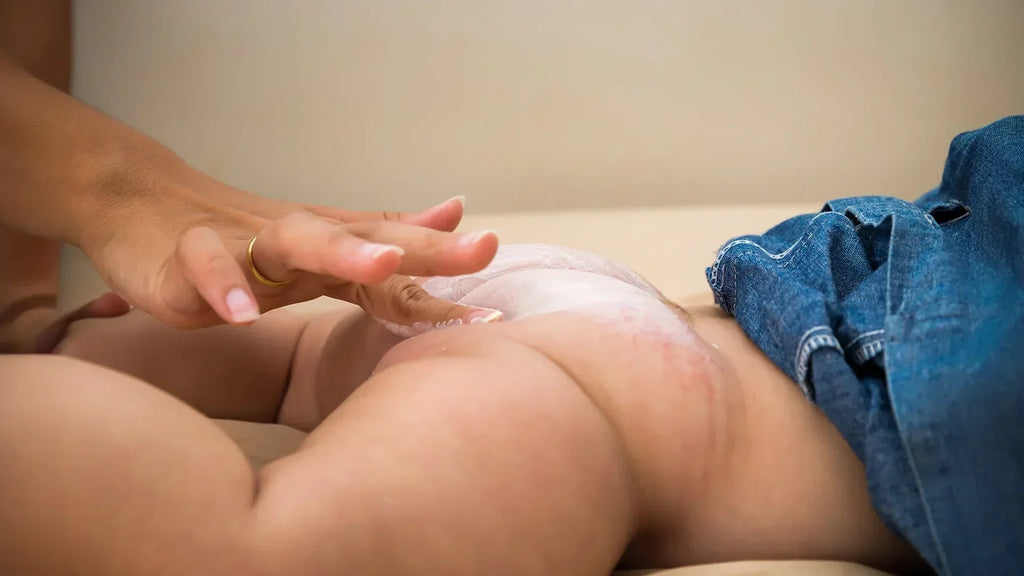
Among baby care essentials, a diaper rash cream is one product that is truly important. It is not only used post the appearance of rashes but is also put on as a protective barrier to make sure the baby’s skin remains soft, dry, and not irritated.
A lot of parents who make it a point to use diaper rash cream for babies every day notice how it works as a protective shield, providing comfort and preventing any sort of irritation. In this blog, we will take you through all the tips and tricks of finding the best diaper rash cream.
Why Is Diaper Rash Cream Important?
For many parents, a baby diaper rash cream quickly becomes as essential as wipes or diapers. The reason is that babies’ skin is thin and sensitive. This means it reacts quickly to wetness or rubbing. A good rash cream sits gently on the skin, keeps the moisture at bay, while also soothing any irritation. If used regularly, it also heals small rashes faster and keeps the skin smooth and well cared for.
A diaper rash cream works in two ways: shielding the skin and easing discomfort. It is not just about soothing redness but about creating a daily habit that makes the diaper area healthier and more comfortable.
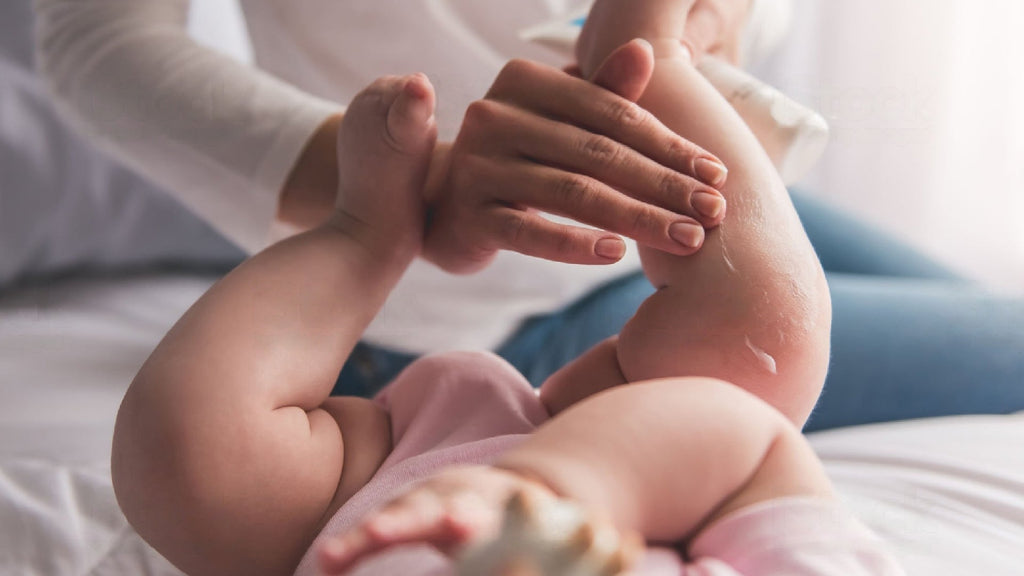
Tips for Choosing the Best Baby Lotion For Your Newborn
The first few months of a newborn’s life are filled with cuddles, comfort, and constant care. Every small thing matters, like the bedsheets that hold their tiny bodies or the onesies that they wear. Among all these little thoughtful concerns, skin care is a matter of utmost worry. In the early days, a baby’s skin is wonderfully delicate; far thinner and more sensitive than adult skin. A baby’s skin also tends to get dry quickly, and with changing seasons, rashes, rough patches, and irritation are frequent for little ones.
In such cases, a baby's body lotion takes the spotlight. Baby lotion helps protect the skin from seasonal dryness and preserves moisture. Parents often find themselves wondering which is the best baby lotion, hoping to choose what truly cares for their little one’s delicate skin. It all comes down to how the lotion feels and how nourishing it is. Let’s understand more about how to pick the right lotion for your baby.
Why Baby Lotion Matters More Than You Think
Using lotion becomes even more important when it comes to a newborn baby. Newborns have extremely delicate skin, and as we already know, their skin loses a lot of water, which causes discomfort and dryness. Using a baby body lotion can help a lot, as it removes the discomfort that comes with dryness and makes the body soft. This is especially true during the colder months when baby skin is even more susceptible to dryness.
Applying a good baby body lotion forms a protective layer on the skin that helps protect the baby from irritation caused by dust, changes in weather, frequent bathing, and many other reasons.
A baby lotion does more than just prevent dryness. When made with soothing natural ingredients, it helps the skin stay relaxed, soft, and comfortable throughout the day. Applying lotion after a warm bath or during daily care routines keeps the baby’s delicate body nourished and cared for.
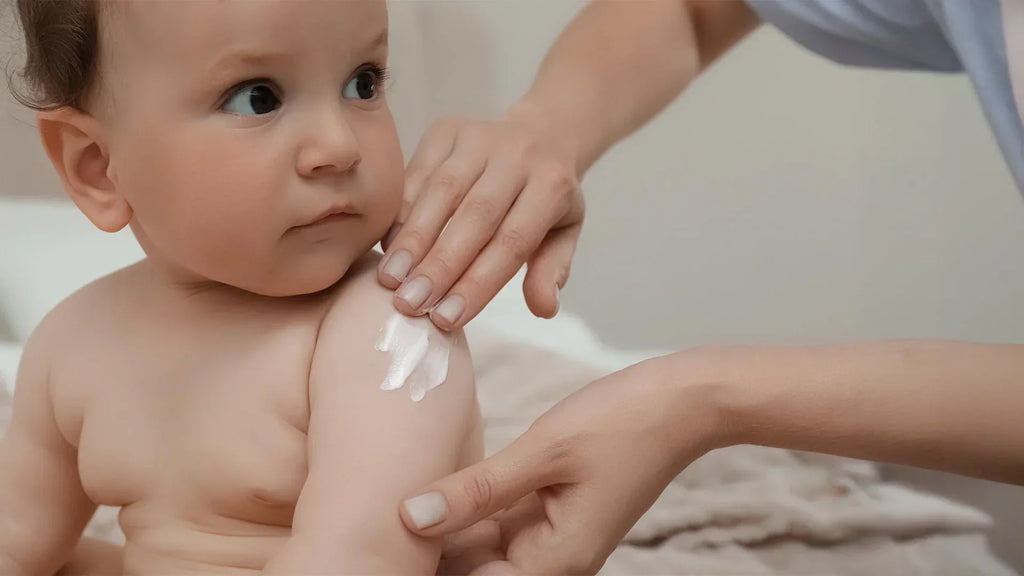
How to Choose the Right Cream for Your Baby's Itchy Skin?
Baby itchy skin is a frequent concern for parents, and in most cases, it's not something serious. But that doesn't mean it should be dismissed. Babies can't communicate their discomfort clearly, and scratching when it happens often goes unnoticed until redness or inflammation appears. A well-formulated topical cream can help soothe irritation, protect the skin barrier, and provide relief. However, not every cream for itchy skin in babies works the same way, and using the wrong ingredients can sometimes worsen the condition.
Common Causes of Itchy Skin in Babies
In infants, itchy skin can be caused by multiple overlapping factors. Dry weather, harsh fabrics, infrequent moisturizing, or soap residue left on the skin can all lead to irritation. In other cases, reactions to diapers, detergents, or new skincare products might be the culprit. Conditions like cradle cap, baby eczema, or heat rashes are also common sources of baby itchy skin, each requiring a slightly different approach to treatment. Because the skin barrier in babies is still developing, it's more permeable, reactive, and prone to transepidermal water loss.
When to Use a Cream for Itchy Skin
There's no fixed rule, but creams are typically introduced when a baby itchy skin becomes visibly dry, flaky, red, or inflamed. A targeted cream for itchy skin for babies may also help manage minor flare-ups caused by seasonal shifts, clothing friction, or prolonged exposure to irritants. A well-formulated cream forms a semi-occlusive layer that prevents moisture loss while delivering active ingredients that help calm inflammation. This is especially useful in areas such as the elbows, knees, and cheeks, which tend to dry out more quickly. If the itchy skin doesn't improve even after bathing and moisturizing, it's time to consider switching to or adding a specialized cream.
Signs Your Baby's Skin Needs Soothing Care
Most parents notice redness or flakiness first, but subtler signs often appear before visible symptoms of the baby itchy skin. A baby repeatedly rubbing certain body parts against fabric or bedding may be experiencing discomfort. Patchy, rough areas, especially in folds of the skin, shouldn't be ignored. Small, raised bumps or blisters, although not always alarming, commonly accompany itchy skin, and may benefit from prompt, targeted care. Frequent irritability during baths or diaper changes is another indirect but important sign that your baby’s skin needs care.
Ingredients to Look for in an Itch Relief Cream
Just as some ingredients soothe, others can sensitize, often worsening baby itchy skin instead of relieving it. Artificial fragrances, whether synthetic or "natural," are among the top irritants and should be avoided, especially in creams for itchy skin in babies. Parabens, phthalates, and formaldehyde-releasing preservatives (such as DMDM hydantoin) can compromise the skin barrier over time. Essential oils may appear harmless, but not all are safe for infants; peppermint, eucalyptus, and tea tree oil can be too harsh. Alcohol-based solvents may improve a product's texture or absorption rate, but they can also dry out the skin. In most cases, a shorter, simpler ingredient list is safer and easier to evaluate.
Ingredients to Avoid in Baby Skincare Products
Just as some ingredients soothe, others can irritate or sensitise. Artificial fragrances, whether synthetic or natural, are among the top irritants. Parabens, phthalates, and formaldehyde-releasing preservatives are best avoided in baby products. Essential oils may sound beneficial, but not all are safe for infant use. This includes commonly known ingredients like peppermint, eucalyptus, or tea tree oil that can be harsh. Alcohol-based solvents dry out the skin, even if they improve the product's texture or absorption rate. A short ingredient list is often safer than a long, complex one.
Choosing a Cream Based on Skin Type (Dry, Sensitive, Eczema-Prone)
Choosing the right baby cream for itchy skin in babies depends on your baby's specific skin type. What helps with one issue might irritate another. Understanding how different textures and activities interact with baby itchy skin, whether it's dry, sensitive, or eczema-prone, ensures better results and fewer surprises.
Sensitive Skin
When a baby's skin is sensitive, simplicity is key. Minimal formulas with few carefully chosen ingredients reduce the risk of irritation. Look for creams labelled hypoallergenic or designed for sensitive skin. These typically avoid fragrances, dyes, and essential oils, all common culprits for reactions. The lower the ingredient count, the fewer chances for unexpected sensitivity.
Dry Skin
Babies with dry, itchy skin benefit most from richer emollient creams. Formulas that contain shea butter, lanolin, or squalane are effective on irritated and itchy skin. These ingredients create a protective moisture-retaining layer, reducing flakiness and tightness. Water-based lotions, while lighter, tend to evaporate quickly and may not offer sustained hydration; for persistent dryness, a denser cream is more reliable.
Eczema-Prone Skin
Eczema-prone skin requires both barrier support and anti-inflammatory care. Creams rich in ceramides help rebuild the lipid layer, while ingredients such as colloidal oatmeal or liquorice root extract can help soothe redness and itching. In moderate to severe flare-ups, a pediatrician may recommend low-dose corticosteroid creams; these should only be used under medical guidance. Heavy ointments not specifically formulated for eczema may feel protective, but they can trap irritants and worsen symptoms.
Fragrance-Free vs. Lightly Scented: What's Safer?
Fragrance-free is not a trend; it's a safety measure, especially when dealing with itchy skin in babies. The term "lightly scented" can be misleading, as some fragrance is still present but simply in smaller concentrations. Even a tiny amount can cause reactions in babies with already compromised or itchy and irritated skin, making the condition worse rather than better. When choosing a cream for itchy skin in babies, it's best to opt for a fragrance-free option unless the source of the scent is clearly listed and has been tested for sensitivity. Some parents prefer products with a “fresh” or “clean” smell, but these scents can often irritate a baby’s skin. In most cases, unscented products are the safer choice.
Natural vs. Medicated Creams: What's Better for Your Baby?
Both natural and medicated creams have a role in managing baby itchy skin. The right choice depends on the severity of symptoms, skin sensitivity, and whether you're treating a chronic condition or providing daily care. Here is a closer look at what one could be better for your baby.
| Aspect | Natural Creams | Medicated Creams |
|---|---|---|
| Key Ingredients | Plant-based oils, botanical extracts, colloidal oatmeal, shea butter | Low-dose hydrocortisone, antifungal agents, prescription actives |
| Usage Purpose | Daily care, prevention, general soothing | Acute flare-ups, persistent rashes, diagnosed skin conditions |
| Suitability | Generally safe for most babies; ideal for routine skincare | Should be used under pediatric guidance; not for long-term or unsupervised use |
| Potency | Mild, gentle; may not be effective during severe itching episodes | Stronger and fast-acting; offers targeted relief |
| Side Effects Risk | Low risk when ingredients are well-tolerated | Potential side effects with overuse, especially with steroids |
| Recommendation | Good for everyday hydration and mild irritation | Best reserved for specific conditions or persistent symptoms |
| Need for Medical Approval | Usually not required unless baby has allergies or sensitivities | Strongly advised, especially for babies under 6 months or with recurring symptoms |
Conclusion
Choosing the right cream for itchy skin for babies is more than a cosmetic decision. It's part of a larger effort to manage and prevent baby itchy skin effectively. It requires understanding the root causes, identifying your baby's skin type, reading through ingredient lists with care, and knowing when it's time to seek medical input. A deliberate, informed approach doesn't just ease discomfort. It helps build long-term skin resilience and keeps flare-ups in check.

Common Food Allergies in Babies and How to Handle Reactions
Parenting is full of firsts—first smile, first giggle, first bite of food. But that first taste of something new can sometimes bring unexpected worries, especially if it triggers a reaction. It's completely normal to feel nervous when starting solids. Many parents wonder if their baby might be allergic to something. Food allergies are more common than many new parents expect, but with the right care, they can often be managed smoothly.
Food allergies can feel a bit overwhelming, but understanding what causes them is half the battle. So, let's work through the what, why, and how of common food allergies in babies.
What Causes Food Allergies in Babies?
Food allergies happen when your baby’s immune system reacts strongly to a protein in a food, mistaking it for something harmful. Even a tiny amount can set off a reaction in sensitive little ones. While the immune system is still developing, it sometimes misfires—this is what causes allergy symptoms.
Sometimes, food allergies are passed down through genetics. So, if allergies, asthma, or eczema run in the family, your baby might be more likely to develop food allergies, too. However, many babies develop allergies even without a family history. It’s something beyond your control and knowing what to look for helps you feel more prepared and confident.
Most Common Food Allergens for Babies
Here are some common food allergies in babies:
- Cow's milk - it is often the first allergy noticed, especially in formula-fed babies.
- Eggs – usually, the whites are more allergenic than the yolks.
- Peanuts – one of the most well-known allergens.
- Tree nuts – like almonds, walnuts, and cashews.
- Wheat – may lead to reactions or sensitivities.
- Soy – found in a lot of baby food and formula.
- Fish and shellfish – less common in infancy but still possible.
These are known as the “big 8” food allergens, and they account for most reactions seen in babies and young children.
Signs and Symptoms of a Food Allergy
The signs can show up minutes after eating, or even a few hours later. Here’s what to look for:
- Red rashes or hives, especially around the mouth or face
- Swelling of lips, tongue, or face
- Vomiting or diarrhoea
- Wheezing, coughing, or trouble breathing
- Itchy or watery eyes
- Crying or irritability after eating a certain food
In severe cases, babies can experience anaphylaxis—a life-threatening allergic reaction. That’s rare but knowing the signs early can make all the difference.
How to Introduce Allergenic Foods Safely
The idea of feeding your baby a potential allergen might sound scary, but the early introduction of allergenic foods (around 6 months old) is now thought to help to reduce the chances of allergies. The key is to do it slowly, mindfully, and safely.
Start by offering just a small amount of one allergenic food at a time, like a little bitdab of peanut butter diluted in water or breastmilk, or a spoon of well-cooked egg. A calm, relaxed environment can make this step feel less intimidating for both of you. Wait for a couple of days before introducing another new food. This way, if a reaction occurs, you'll know which food was likely responsible. Always try new foods when your baby is well-rested and healthy so it's easier to monitor for reactions. And, of course, if your baby has severe eczema or a family history of allergies, it's best to consult your paediatrician before introducing allergenic foods.
What to Do If Your Baby Has a Food Allergy Reaction
If your baby reacts to food, don't panic—but take it seriously. If it's a mild reaction like a few hives or a rash, stop feeding the food and call your doctor to discuss what happened. Snapping a quick photo when your baby is calm. It can help the doctor understand the reaction better later. On the other hand, if your baby shows any signs of trouble breathing, swelling around the face or mouth, or intense vomiting, you should call emergency services right away. These could be signs of a serious reaction, and quick medical attention is vital.
Sometimes, your baby may not react the first time they eat a certain food, but can have a reaction the second or third time. This is why it's important to stay alert every time a new food is introduced.
Managing Food Allergies in Babies
If your baby has been diagnosed with a food allergy, don't worry—you've got this. It just means being a bit more aware and prepared. Learn to read food labels carefully because allergens can hide under different names. Make sure everyone who cares for your baby—like grandparents, babysitters, or daycare providers—knows about the allergy and what to do in case of a reaction. Keeping everyone in the loop ensures your baby is safe and cared for, even when you’re not around.
It also helps to keep a written allergy action plan on hand, especially for emergencies. There are many allergy-friendly and organic food options out there that make it easier to provide safe, nutritious meals for your baby. And cooking at home, even simple meals, gives you total control over what goes into their food.
Can Babies Outgrow Food Allergies?
Yes, many babies do outgrow their food allergies. Allergies to milk, eggs, soy, and wheat are often outgrown by early childhood. Some allergies, like those to peanuts or tree nuts, may stick around longer. However, with time and the right medical guidance, some children outgrow even these.
Your doctor may recommend regular allergy testing to see if your baby's immune response has changed over time. This process takes patience, but it also brings hope. In many cases, what feels overwhelming today becomes more manageable tomorrow.
When to See an Allergy Specialist
If you suspect your baby might have a food allergy, or if they had more than one reaction, it's a smart move to see a paediatric allergist. Specialists can perform skin tests or blood tests to confirm which foods are causing the issue. This takes the guesswork out of the equation and helps you create a clear plan.
Allergy specialists also guide you on how to safely manage and even reintroduce certain foods in the future, if it's safe to do so. So, if you're unsure, don't wait. Getting expert advice early can ease a lot of worry and keep your baby safe.
Conclusion
Navigating food allergies in babies might feel like stepping into the unknown, but with a little knowledge and a lot of love, you'll be more than ready. Understanding the common food allergies in babies, learning how to introduce foods carefully, and knowing what to do in case of a reaction—these steps make all the difference.
Read More: Eczema in Babies: Causes, Symptoms, and How to Treat It

How to Treat Dry Lips in Babies: Pediatrician-Approved So...
Have you noticed your babies often get their lips dry, which could look normal to you? Every feature of a baby tends to be soft and gentle, but their lips are mostly chapped, dry, and cracked. While it may seem like a minor issue, dry or chapped lips can cause discomfort and could be due to dehydration or exposure to harsh weather. However, there are various pediatrician-approved solutions to treat dry lips in babies.
Common Causes of Dry Lips in Babies

Cold and Dry weather
Weather conditions can be one of the major reasons for chapped lips in babies, which can irritate them. The cold and windy weather holds less moisture, creating low humidity levels, resulting in dry and flaky lips. Also, babies produce less saliva during winter, which can make the lips feel dry more often.
Harsh UV Exposure
Like windy and cold weather conditions can cause dry lips in babies, even harsh UV rays are not suitable for the baby's soft and gentle skin. Babies haven’t yet developed strong skin defenses, and thus, the lack of natural oil barrier losses due to harsh sun exposure.
Low Hydration Levels
Low hydration levels can cause chapped lips in babies. An infant or newborn doesn’t get enough fluids; therefore, their body contains less moisture to keep the skin soft and hydrated. Lips are very sensitive and dry out too quickly. Without enough water, they can become dehydrated, dry, cracked, and uncomfortable for the baby.
Repeated Lip contact during feeding
A mother feeds their baby every 2-3 hours, and that keeps their lips constantly wet while sucking the milk. If not, when being breastfed, they are often licking or drooling, which can result in excessive saliva due to a lack of teeth, which can create friction between the lips. It can cause a baby to have dry, flaky, and cracked lips, which can also lead to allergies if not treated well.
Dry air intake during mouth breathing
Mouth breathing can lead to chapped lips in babies. While they don’t always breathe through their mouth, babies often do when they have a cold or blocked nose. Breathing through the mouth dries out the lips, which can cause them to become dry, cracked, and sore over time.
Are Dry Lips in Babies Common?
As a parent, you want to protect your baby from every little discomfort and keep them safe and secure. While dry lips can be common due to various reasons such as weather conditions, constant licking and drooling, and harsh sun rays, it’s very important to follow a proper baby dry lips remedy so that your baby’s lips are moisturized, preventing discomfort in intaking breast milk and supporting their overall well-being.
Safe Solutions to Treat Dry Lips in Babies
Mothers are cautious when it comes to their babies and often wonder why their babies’ lips are dry or chapped. While dry lips are common in babies, it’s essential to follow a proper baby dry lips remedy so that the baby gets long-lasting protection and nourishing hydration.

Moisturizing Lip Balm: A vegan and natural lip balm is the safest way to keep babies' lips moisturized and comfortable all day long. Applying a thin layer of nourishing lip balm to the baby's delicate lips can soothe and prevent chapping. It creates a protective barrier for the baby’s lips from harsh weather conditions and provides the goodness of nature.
Organic Cold-Pressed Coconut Oil: If you are looking for an alternative, then coconut oil is another safe treatment for babies' lips. Chemical-free coconut oil includes antibacterial and antifungal properties that heal, hydrate, and soothe babies' dry and chapped lips, giving them soft and rosy lips.
Natural Aloe Vera Gel: Gently rubbing a small amount of organic aloe vera gel on babies' lips can soothe the soreness and redness of dry lips in babies. It’s usually preferred to do so while they are asleep so that they do not wipe it off and thus wake up feeling soft, nourished, and relieved of any discomfort.
Signs and Symptoms of Dry Lips in Babies
If your baby's lips are frequently dry and cracked, here’s what to look out for that can help you catch it early and keep your baby comfortable and smiling. Let’s go over the symptoms and signs of dry lips in babies.
- Extreme dryness and creakiness
- Redness and dry texture
- Constant lip licking
- Fussy and uncomfortable while breastfeeding
- Dry white patches around the lips
- Slight darkening of the lips
Protecting Baby's Lips: Do's and Don'ts
If you are a mother, here’s what you need to know for your baby’s lip care. You cannot experiment with products when it comes to your baby, so take this as a helpful guide.
| Do’s | Don’ts |
|---|---|
| Applying a hydrating and nourishing lip balm | Avoid using any adult lip care products on the baby |
| Using a natural lip balm to keep it smooth and soft | Don’t scrub or peel off the dry skin |
| Feeding from time to time to keep the baby hydrated | Avoid taking your baby out during harsh weather conditions |
| Use a humidifier to add enough moisture | Wipe off the saliva with a gentle and soft cloth |
Benefits of Using Lip Care Products for Babies
You are already on the safer side if you’ve been using a lip care product for your baby. But how does it benefit a child? Let’s see some of its healthy benefits.

Nourishment and Hydration: Providing lip care for your baby is a must because babies usually have dry and chapped lips. Therefore, using a gentle and nourishing lip balm can keep your baby protected, leaving them feeling joyful and cozy.
Long-lasting Protection: Applying a thin layer of baby lip balm on those soft and rosy lips can provide them long-lasting protection. Organic essential oils used in lip balms create a breathable layer over the lips, perfect for their sensitive lips.
Comfortable Feeding and healthy growth: A baby needs to be breastfed every 2 to 3 hours, and if they have dry lips, it can be uncomfortable for the intake of milk. However, breast milk is the only source of nutrition for newborns, and if they are not fed well, they might be irritated and fussy most of the time.
Locks in Moisture: Babies have thinner and more sensitive lips than adult skin and thus easily lose moisture due to constant lip licking and drooling. So, to treat dry lips in babies using an organic and natural formula, baby lip balms can lock in moisture and support natural healing.
Goodness of Natural and organic protection
Baby lip care products are usually made using organic, plant-based essential oils, which bring the goodness of nature. Using these safe lip balms for babies can work as a dry lip newborn treatment, making it soft, shiny, smooth, and nourished.

Why Use Madhur Muskaan Baby Lip Balm?
Choosing the right baby lip balm can be a little tricky because not all lip balms are safe, fragrance-free, and chemical-free for your little one. But we’ve got you covered! The Madhur Muskaan Baby Lip Balm is 100% natural, Ayush-certified, and contains no fragrance or color. It has essential oils such as coconut oil, chamomile oil, aloe vera oil, and all the essential oils that are needed for your baby's glowing, plump, and soft lips.
What makes it better?
Here’s why Madhur Muskan Baby Lip Balm is an essential add-on to your baby's skincare routine.
- Enriched with moisturising oils
- Infused with nature’s goodness
- Chemical and paraben-free
- Finest organic ingredients
- No use of antioxidants
When to Consult a Pediatrician?
A parent's instincts can never be wrong, and if you feel something’s not right, you need to quickly take your baby and see a pediatrician. Be it a newborn or a toddler, chapped lips in babies can be common, but if it’s persistent, it’s something you need to be concerned about.
No Signs of Healing: If applying baby lip balm regularly and keeping babies well-hydrated doesn’t treat dry lips, it’s a good time to reach out to a pediatrician.
Bleeding or peeling develops: While a bit of dryness is common, lips that begin to crack or peel may need a closer look. These signs might mean the skin is more irritated, and your pediatrician can recommend gentle ways to heal and protect it.
Babies show signs of dehydration: Watch for signs like a dry mouth and fewer wet diapers than usual due to lack of hydration. If the baby seems less active or isn’t feeding well, a visit to the pediatrician can help ensure they are hydrated and nourished.
Mild Fever: When a baby gets affected by mild fever, irritability, or unusual fussiness, it’s a good idea to consult a pediatrician. Sometimes, dry lips can be part of a bigger issue, like a mild virus, and getting an expert opinion is the best solution.
Conclusion
Hey Mama, we know how every little sign feels big when it is about your little one. But don’t worry, dry lips are usually harmless and easy to treat with gentle care and the right baby-safe products. Trust your instincts, keep your little one hydrated, and when in doubt, your pediatrician is just a visit away. You’re doing an amazing job because your baby’s smile says it all!
Read More: Does Your Baby Need Face Cream? Here's What You Should Know
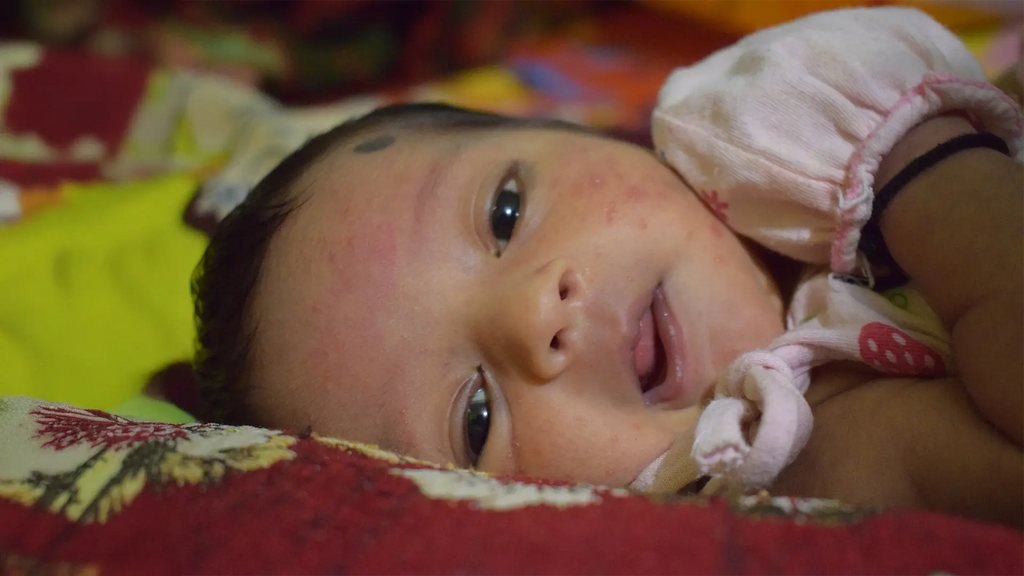
Eczema in Babies: Causes, Symptoms, and How to Treat It
As a mom or dad, nothing is more distressing than having your baby be uncomfortable. Your baby may be experiencing baby eczema if they have patches of dry, itchy, or red skin. Eczema is very common, and don’t worry, baby eczema is fully manageable with the right information and care.
Let’s talk about what baby eczema is and what causes it.
We will also look at how to spot it and, most importantly, how to treat it and prevent it from coming back.
What is Baby Eczema?
Baby eczema, also referred to as atopic dermatitis, is a skin condition that manifests as irritation, dryness, and inflammation. Most babies show signs of eczema within their first six months to a year. You might notice small, dry patches on their soft little cheeks, forehead, or behind the ears, these are places where their skin is most delicate.
It can sometimes be visible on the back, arms, or legs. It is not contagious. While it can look worrisome, many babies simply outgrow it. Prompt and consistent treatment may reduce flare-ups and increase your child's comfort.
Common Causes of Baby Eczema
There is no single cause of baby eczema, but several key factors include:
Heredity: If your family has a history of eczema, allergies or asthma, your baby may be at a higher risk of developing it too.
Dryness: Babies have delicate skin that can lose moisture rapidly.
Irritants: Soap, shampoo, detergent and rough fabrics such as wool can all cause irritants.
Weather: Exposure to cold dry air or excessive heat can also trigger a flare-up.
Allergens: Dust mites, pet dander or even certain foods can be part of the equation too. Understanding what triggers your baby’s eczema can really help you manage it more gently and confidently.
Symptoms of Baby Eczema
Here's what you might notice if your baby has eczema:
- Dry, flaky skin
- Red, itchy patches—especially on the cheeks, elbows, or knees
- Crusting, oozing, or swelling in severe cases
- Skin that thickens or darkens over time from scratching
Baby eczema can look like a cradle cap, but it tends to be itchier and more inflamed. If you're unsure, always check with your doctor.
How to Treat Baby Eczema at Home
Managing baby eczema starts with gentle skincare. Here are some easy steps for infant eczema treatment at home:
- Moisturize frequently: Apply a thick moisturizer several times a day, especially right after baths.
- Short, lukewarm baths: Stick to 5-10 minutes, and avoid hot water.
- Use mild cleansers: You may pick soap-free, gentle options for sensitive skin.
- Pat dry don't rub: Always be gentle with your baby's skin.
- Dress in soft fabrics: Cotton clothes are great—avoid anything rough or itchy.
- Trim those tiny nails: Babies tend to scratch, and that can worsen the irritation.
These daily steps can go a long way in calming baby eczema.
Foods and Allergies: Do They Affect Baby Eczema?
Food doesn't cause eczema, but it might trigger it in some babies. Common food-related triggers include:
- Cow's milk
- Eggs
- Wheat
- Soy
- Peanuts
If you notice more flare-ups after certain foods, talk to your paediatrician before making any diet changes. Nutrition is essential, especially for babies.
Medical Treatment for Baby Eczema
When home care isn’t enough, a doctor can help with an infant eczema treatment. They might suggest:
- Mild steroid creams to reduce itching and inflammation
- Special moisturizers to rebuild the skin barrier
- Antibiotics if the skin gets infected
- Allergy testing in case of suspected triggers
Only use prescribed treatments and never apply over-the-counter steroid creams without checking with your doctor first.
Natural Remedies for Eczema Relief
Some parents try gentle, natural options along with regular treatment. These can include:
- Oatmeal baths: They can be very soothing for itchy skin.
- Coconut oil: It’s moisturizing and has antibacterial benefits.
- Calendula cream: Known for calming inflamed skin.
- Breast milk: Some moms use a bit of breast milk on minor spots as it may help healing.
Always test any new product on a small area first, even if it’s natural.
Must Read: Tips to Keep Your Baby's Skin Healthy
How to Prevent Eczema Flare-Ups
The best way to deal with baby eczema is to prevent flare-ups as much as possible:
- Stick to a moisturizing routine every day.
- Avoid sudden temperature changes.
- Use fragrance-free detergents and baby products.
- Identify and avoid any known allergens.
Even when your baby’s skin seems fine, keeping up the routine helps keep eczema away.
When to See a Doctor
Call your pediatrician if:
- Your baby’s eczema is spreading or getting worse
- They’re not sleeping due to discomfort
- You see signs of infection-like pus or yellow crust
- Home treatments aren't working
Getting professional help early can make infant eczema treatment more effective and much easier for your baby.
Conclusion
While baby eczema may seem alarming at first, it is a common condition to deal with, and other parents have successfully navigated through it. With a little daily care, the right products, and proper treatment, your baby’s skin can stay healthy, comfortable, and ready for all the cuddles. When in doubt, reach out to your doctor. The only thing that matters is the comfort of your baby, especially when they are young!

Dealing with Cradle Cap: Causes, Treatment Options, and P...
Becoming a parent brings many firsts - your baby’s first smile, first bath, and sometimes, first skin concerns too. One common surprise you may notice is the cradle cap. If you spot flakes on your baby’s scalp, don’t worry; it’s a harmless and very common condition.
Cradle cap in newborns often happens due to leftover maternal hormones that can lead to excess oil production on your baby’s scalp. You may see yellow or white scales, but the good news is they aren’t painful, and they’re not contagious.
While a cradle cap can make your baby’s scalp look flaky, you can manage it easily. In this article, you’ll learn what cradle cap is, why it happens, how to treat it, and what steps you can take to keep your little one’s scalp healthy and comfortable.
What is a Cradle Cap in Babies?
Cradle cap, scientifically termed seborrheic dermatitis in babies, is a prevalent skin condition that commonly manifests in infants within the initial months of their lives. This condition is typically identified by the presence of yellowish, greasy scales on a baby's scalp, making it look like a mild case of dandruff. Though the cradle cap isn't itchy or painful for your baby, it can understandably cause concern for parents.
A cradle cap newborn flare-up tends to make its debut in the first few weeks of a baby's life and can persist for a few months. While it might be a bit unsightly, the good news is that cradle cap in infants is temporary and usually resolves on its own without causing any long-term issues for your little one.
Cradle cap tends to impact approximately 10 per cent of newborns within their first month, with the prevalence soaring to 70 per cent by the time they reach three months old. Surprisingly, the occurrence diminishes significantly to only 7 per cent in infants aged 1 to 2 years. For many parents, spotting cradle cap newborn symptoms can be unsettling at first. The reassuring news is that it's a very common and harmless condition that usually resolves on its own.
How Long Does Cradle Cap Last? What Parents Can Expect
Cradle cap shows up early, often getting better naturally. For some babies, it might last weeks. For others, a few months. Babies usually outgrow this condition by their first birthday. It really helps parents to know that a cradle cap is only temporary, so they can be patient and still follow gentle care.

Causes of Cradle Cap
Sebum Overproduction
One of the causes of cradle cap is the excess production of sebum, a natural oil that the skin produces. In newborns, the sebaceous glands can go into overdrive, resulting in an excess of this oily substance. When dead skin cells mix with sebum, it results in the characteristic yellowish crust seen in the cradle cap.
Fungal Involvement
The presence of a fungus known as Malassezia, which resembles yeast, is considered to be another factor that contributes to the problem. While harmless, this fungus can exacerbate the production of sebum and contribute to the development of cradle cap.
Environmental Factors
Environmental elements, such as alterations in weather conditions or exposure to abrasive shampoos, can contribute to the onset or exacerbation of cradle cap. Parents can take proactive measures to handle the condition by comprehending and addressing these factors effectively.
Cradle Cap vs Baby Eczema
A cradle cap newborn diagnosis is common, but many parents worry that the flakes on their baby’s scalp could be eczema rather than cradle cap. While the two can look similar at first glance, they behave quite differently. Cradle cap, a form of seborrheic dermatitis in babies, usually appears on oilier areas such as the scalp, eyebrows, and behind the ears, showing up as greasy, yellowish scales that aren’t itchy or uncomfortable for your baby.
Baby eczema, on the other hand, tends to be dry, red, and itchy and can appear anywhere on the body, including the cheeks, arms, and legs. Unlike cradle cap, eczema often causes visible irritation and may leave your little one fussy or uncomfortable. If you’re ever unsure which one your baby has, a quick check with your pediatrician can offer clarity and help you choose the right care routine for their delicate skin.
Treatment Options for Cradle Cap
Gentle Shampooing
A simple yet effective way to manage a cradle cap is through gentle shampooing. Opt for a mild, organic baby shampoo, using warm water to soften the scales before gently massaging and rinsing the scalp.
Scalp Massage
Gently massaging your baby's scalp with your fingers using a natural hair massage oil can help loosen and lift the scales. Massage with a natural and baby-friendly hair oil not only aids in the removal of cradle caps but also provides a comforting and bonding experience for both parent and baby.
Brushing or Combing
Using a soft baby brush or comb, carefully brush through the baby's hair to remove loose scales. Be gentle to avoid irritating the scalp, and always ensure the tools are clean and safe for your little one. The Sunehere Resham baby comb is a wooden hairbrush made of natural elements with super-soft bristles for infants and kids. It gets rid of the cradle cap and releases natural oils in the baby’s hair and skin without damaging or scratching.
Natural Remedies
For parents who prefer natural remedies, applying a small amount of coconut oil or almond oil to the affected areas before washing can help soften and loosen the scales. Always test a small patch to ensure your baby doesn't have any adverse reactions.

Does Your Baby Need Face Cream? Here's What You Should Know
As a new parent, it's totally normal to wonder about the best ways to care for your baby's delicate skin. You've probably seen a ton of products out there marketed as essentials, but when it comes to moisturizer for your baby's face, is it really necessary? Should you be adding it to your baby care routine?
Let's break it down and help you make an informed decision.
Understanding Your Baby's Skin
Babies are born with soft, smooth, sensitive, and still-developing skin. Unlike adults, their skin is thinner, more porous, and more prone to irritation. Plus, it cannot protect itself from environmental stressors like the sun, wind, or pollution. That's why many parents turn to moisturizer for their baby's face, which can help shield and hydrate the little one's skin.
Why Does Your Baby's Face Need Extra Moisture?
A baby's skin is delicate and can be more prone to dryness and sensitivity, especially in areas that are frequently exposed to air and external conditions. While a simple skincare routine is usually enough, adding a gentle face cream formulated for babies can provide extra moisture and help keep the skin soft and comfortable. Choosing a gentle product designed specifically for babies can help provide added care without making the routine unnecessarily complicated.
Infant Face Cream vs. Infant Body Lotion
Although both products provide moisture, a baby's face and body are exposed to different conditions, which can influence the type of product you choose. A baby's face is regularly exposed to drool, wind, food residue, and frequent wiping. For this reason, a face moisturizer for babies is often formulated to provide targeted hydration without feeling overly heavy. So, an infant care cream for the face may have a lighter consistency that spreads easily across smaller, more exposed areas such as the cheeks, chin, and forehead.
In comparison, a body lotion is generally designed to spread easily across larger areas, including the arms, legs, and torso, especially after bathing. An infant body cream may have a richer texture for areas that are particularly dry.
Ultimately, the right choice of skin cream for a newborn depends on your baby's individual skin needs, so it is better to select products based on where and how they will be used.
- 1
- 2