



















































SPF 30 vs SPF 50 Sunscreen: What’s Best for Your Baby?
 Skip to main content

SPF 30 vs SPF 50 Sunscreen: What’s Best for Your Baby?

First 6 Months of a Baby: Traditional Practices & Common Mistakes to Avoid

200 Unique Indian Baby Girl Names for Your Little Princess

Swaddles & Pashmina Blankets: Gentle Comfort for Your Baby From Day One

A Parent’s Guide to Building the Perfect Baby Bathing Kit
For many parents, caring for a baby’s hair and scalp comes with a mix of curiosity and caution. A newborn’s delicate head, soft scalp, and tiny movements can make hair washing feel like a moment that needs extra care and patience. In those early days, it’s natural to approach such routines slowly, learning what feels right for both parent and baby.
Using gentle methods and carefully selected products, it is possible to make hair washing a relaxing and reassuring experience for raising a baby. This rhythmic awareness of the frequency of washing, the ingredients that are compatible with a baby's delicate scalp, and the gentle handling of each step aids in transforming this routine into a comforting procedure that nurtures a healthy and happy scalp.
Regularly washing your baby’s hair is essential for several reasons:
Babies don’t need their hair washed as frequently as adults, as their scalp produces much less oil. Their scalp generates very little oil during the initial months, and overwashing may, at times, lead to dryness or irritation. Understanding the appropriate washing routine helps parents keep their baby’s scalp clean while preserving the natural balance of their delicate skin.
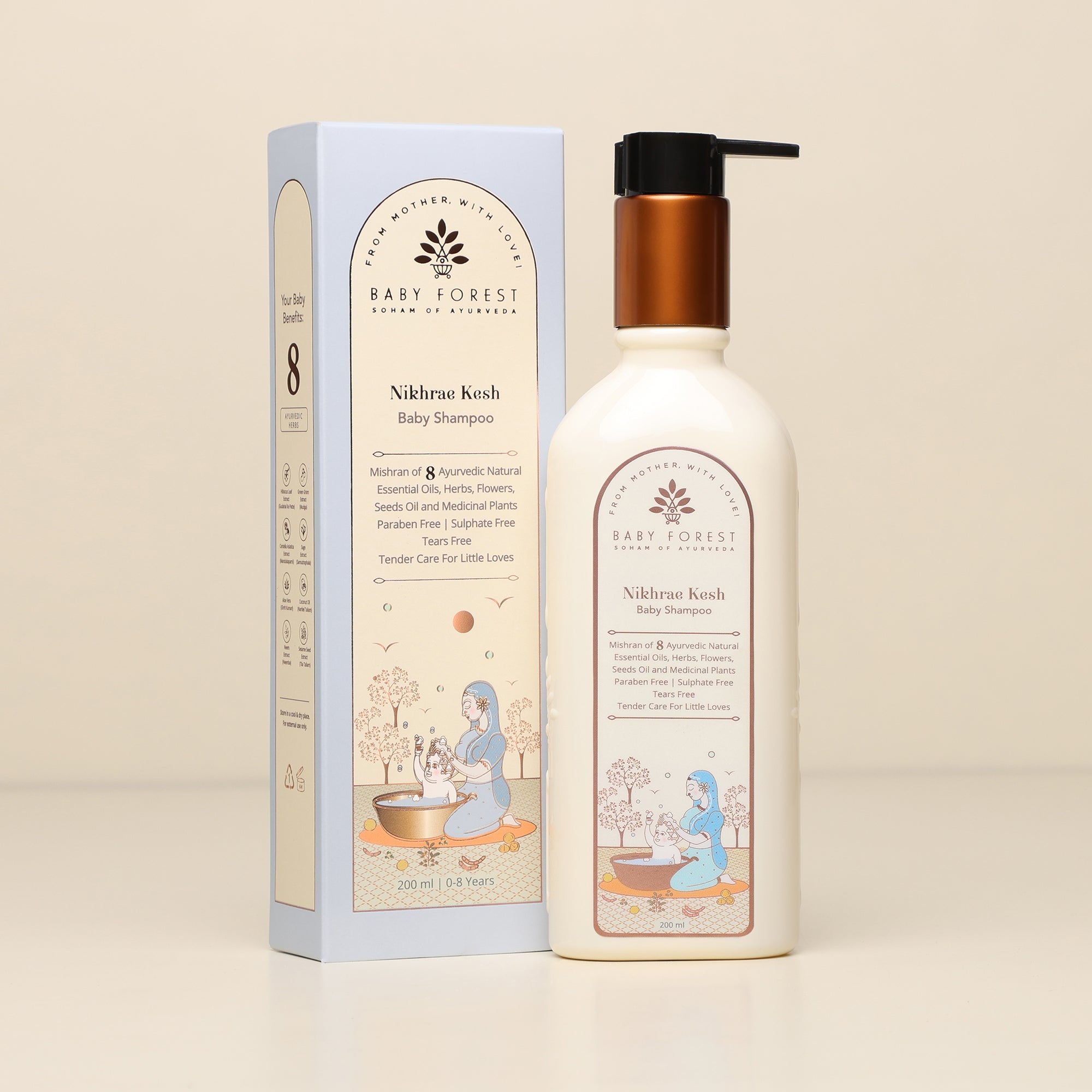
Selecting the right shampoo is crucial for maintaining your baby’s hair and scalp health. Here’s what to consider:
A baby’s scalp is very sensitive and much more absorbent than the skin of a grown-up, which is why it is particularly important to use the right baby shampoo. The ingredients of a baby shampoo are equally important as the number of times it is applied. Choosing gentle, thoughtfully made products can help protect the scalp while supporting healthy hair growth.
Before you start washing your baby’s hair, gather all necessary supplies to ensure a smooth process:
Choose a warm, comfortable room for the bath. Make sure you have everything within arm’s reach to avoid leaving your baby unattended.
Gently cradle your baby’s head with one hand while supporting their body with the other. You can either hold them in your arms or lay them on a padded surface like a bath cushion or a sink insert.
Using a cup or rinse bottle, gently pour warm water over your baby’s head. Ensure the water is at a comfortable temperature (around 37-38°C or 98-100°F).
Squeeze a small amount of baby shampoo onto your hand and gently massage it into your baby’s scalp using your fingertips. Be gentle to avoid causing any discomfort. Focus on the scalp rather than the hair itself, as the scalp is where oils and dirt accumulate.
Rinse your baby’s hair thoroughly with warm water, ensuring all the shampoo is washed away. Residual shampoo can cause irritation or dryness.
Wrap your baby in a soft, absorbent towel and gently pat their hair dry. Avoid rubbing, as this can damage their delicate hair and scalp.
Turn hair washing into a fun activity by singing songs, talking to your baby, or using bath toys to distract them.
Establish a routine so your baby knows what to expect. Consistency can make the process smoother and less stressful over time.
Your baby might not enjoy hair washing at first, but with patience and gentle handling, they will gradually get used to it.
Babies have sensitive skin, so it’s best to use minimal products. Stick to a gentle shampoo and avoid using conditioner or other hair products unless necessary.
If your baby has a cradle cap (a common condition characterized by flaky, crusty patches on the scalp), you can gently massage a bit of baby oil onto the scalp before shampooing. This helps to loosen the flakes. Use a soft brush to gently remove the flakes during shampooing.
For more information on cradle cap, you can read this detailed guide - Dealing with Cradle Cap: Causes, Treatment Options, and Proactive Prevention
Some babies are afraid of water being poured over their heads. To minimize discomfort, pour water slowly and shield their eyes with your hand. Using a rinse bottle with a spout can help direct the water flow more precisely.
If your baby has a particularly sensitive scalp, consult your pediatrician before using any new products. They might recommend a specific shampoo or provide additional care tips.
Properly washing your baby’s hair is an important part of their hygiene routine. By choosing the right products, such as organic baby shampoo, and following gentle techniques, you can ensure that hair washing is a comfortable and enjoyable experience for both you and your baby. Remember, patience and consistency are key to making hair washing a smooth part of your baby’s bath time. With these tips, you can keep your baby’s hair clean, healthy, and happy.
Washing a baby’s hair does not necessarily have to be a complicated task. With tender care, conscious buying habits, and a relaxed mood, it can become a soothing routine for both the baby and the parents. While choosing the best baby shampoo, parents should refer to the product label and opt for a gentle and natural formulation. Frequency of washing, patience, and tenderness ensure that the baby’s scalp remains healthy, making bath time a positive experience.