 Skip to main content


Baby Care & Parenting Blogs

Benefits of Eucalyptus Oil in Baby Products: A Natural Ch...
Eucalyptus oil has been cherished for centuries for its healing and soothing properties. It’s a natural remedy often used in various health and wellness products. But did you know it can also be beneficial for your baby? In this blog, we’ll explore the benefits of eucalyptus oil for babies.
Eucalyptus oil infused products offer natural solutions and are gentle and safe for your little one.
What is Eucalyptus Oil?
Eucalyptus oil is extracted from the leaves of the eucalyptus tree. It is known for its refreshing scent and medicinal properties. This essential oil is often used in aromatherapy and is a popular ingredient in many natural health products. Eucalyptus oil can be a safe option for babies when used correctly and in appropriate amounts.
Instead of using the oil directly, it’s often more effective and safer to use products that incorporate eucalyptus as an ingredient. This ensures the oil is diluted to the right concentration, making it gentle enough for your baby’s delicate skin and sensitive system. Many baby products, such as vapor rubs and natural floor cleaners, include eucalyptus oil for its therapeutic benefits while ensuring it’s safe for everyday use. Let’s explore some of these benefits in more detail.
Benefits of Eucalyptus Oil in Baby Vapor Rubs
When your baby has a cold or feels congested, it can be really tough to see them uncomfortable. Baby vapour rubs containing eucalyptus oil can be a gentle and effective way to help relieve this discomfort.
-
Natural Decongestant
Eucalyptus oil acts as a natural decongestant. When applied to the chest or back, the soothing vapours can help to clear your baby’s nasal passages, making it easier for them to breathe. This is especially useful during colds or flu. -
Promotes Relaxation
The calming scent of eucalyptus oil can help your baby relax and sleep better. This is particularly helpful when your baby is restless due to illness. -
Safe for Sensitive Skin
Baby vapour rubs that contain eucalyptus oil are typically formulated to be gentle on sensitive skin. They are usually free from harsh chemicals, making them safer for your baby. -
Boosts Immunity
Eucalyptus oil is known for its antimicrobial properties. Products containing this oil can help protect your baby from germs and bacteria, boosting their immunity.
Eucalyptus Oil in Natural Floor Cleaners
When you have a baby, keeping the home clean is a top priority. Babies spend a lot of time on the floor, crawling and playing, so it’s important to ensure that the surfaces are free from harmful chemicals. This is where natural floor cleaners with eucalyptus oil come in.
-
Natural Disinfectant
Eucalyptus oil is a powerful disinfectant. It can effectively kill bacteria and viruses on surfaces when used in floor cleaners. This ensures that your baby is crawling on clean and safe floors. -
Safe for Babies
Unlike conventional floor cleaners that may contain harsh chemicals, natural floor cleaners with eucalyptus oil are free from toxins. This makes them safe for your baby to be around, reducing the risk of allergies or skin irritation. -
Pleasant Aroma
The fresh scent of eucalyptus oil leaves your home smelling clean and natural. It’s a great alternative to synthetic fragrances that can sometimes be overwhelming or irritating.
How to Use Eucalyptus Oil-Based Baby Products Safely?
While eucalyptus oil has many benefits, it’s important to use it safely, especially with babies.
-
Choose Baby-Specific Products
Always choose products that are specifically designed for babies. These products contain the right concentration of eucalyptus oil, ensuring that they are safe for your little one. -
Patch Test
Before using any new product on your baby, it’s a good idea to do a patch test. Apply a small amount of the product on a small area of your baby’s skin to check for reactions. -
Follow Instructions
Always follow the instructions on the product label. Use the recommended amount and avoid applying it too close to the baby’s face, especially around the eyes and nose. -
Consult Your Pediatrician
If you’re unsure about using eucalyptus oil products on your baby, consult your paediatrician. They can provide guidance based on your baby’s health and needs.
Additional Benefits of Eucalyptus Oil
Eucalyptus oil offers more than just respiratory and cleaning benefits. Here are a few more reasons to consider eucalyptus oil in your baby products:
-
Insect Repellent
Eucalyptus oil can act as a natural insect repellent. Products containing this oil can help keep mosquitoes and other insects away from your baby. -
Supports Respiratory Health
In addition to vapour rubs, eucalyptus oil can also be found in humidifiers and diffusers. These devices can help maintain healthy respiratory function by keeping the airways clear.
Eucalyptus oil is a natural, effective, and safe ingredient to include in baby products. Remember to always use these products as directed and consult your paediatrician if you have any concerns. Your baby deserves the best, and natural choices like eucalyptus oil are a step in the right direction.

A Day in My Life as a 12-Month-Old
Hi there! It’s me, your favorite 12-month-old influencer, I'm going to share a little bit about my typical day as a 12-month-old and a few growth milestones. Get ready to see all the cool things I do and the awesome products I use every day. Let’s dive in!
Morning Wake-Up Call
My day starts bright and early. I wake up with a stretch, a yawn, and a giggle, ready to start another amazing day. Mumma and Dadda might still be catching Z’s, but my cheerful babbling gets them up and smiling. First things first: diaper duty. Mommy uses the softest, most luxurious baby wipes – only the best for this little star!
Breakfast is next, and let me tell you, it’s an event. I sit in my highchair, ready to tackle my car-shaped feeding plate. It’s a mealtime must-have, with separate sections for all my favorite foods. Today’s menu? Banana bites and scrambled eggs. Yummy and nutritious!
Playtime Fun
After breakfast, it's playtime! I crawl over to my toy basket and pull out my favourite soft toy, Mr. Monkey. It's so cuddly and soft. We play on the floor, and I like to use my stacking toys and knock them over again. I'm getting pretty good at this!
From building little structures with pieces of toys, jumping over small hurdles in the backyard, or having fun during playtime with my parents, there is always something interesting for me like my wooden rabbit baby rattle & wooden car toy. My cognitive development has been phenomenal since birth, in particular my conducting abilities. It all starts with my ability to distinguish people or simple words that I have been instructed to obey.
Mommy says I'm reaching lots of infant milestones now. I’m also working on my walking skills. I hold onto the furniture and take wobbly steps, with Mommy cheering me on. Sometimes, we hold hands and walk around the house together – I feel like such a big kid!
Mid-Morning Nap
All that playing makes me sleepy, that reminds me, it's time for my morning nap. Mommy reads me a story, and then I snuggle up with Mr. Monkey in my crib. Naptime is important because it helps me grow and gives me energy for the rest of the day.
Lunchtime Delights
When I wake up, it's lunchtime. Mommy gives me a warm bath before lunch. Mommy uses the best baby body wash – it smells so nice and leaves my skin super soft. I love splashing and playing with my bath toys. My rubber ducky is my favourite.
After my bath, Mommy wraps me up in a big, fluffy towel and dries me off. Then, she applies baby body lotion on me to keep my skin soft. I love the feeling of being all clean and cosy. Today, I am wearing a very cute bodysuit.
For lunch, I sit in my highchair again, and today, I have some steamed vegetables, sweet potato, and a little bit of yoghurt. I'm getting better at using my spoon, but sometimes my hands are faster! I get food all over my face, and we both giggle.
Afternoon Adventures
As the morning turns to midday, I am still energetic, ready to jump and crawl around the house. Mommy reads me more stories, and I like to turn the pages. I can even point to some pictures when Mommy asks, "Where's the dog?" I love the stories with animals in them.
Then, it's time for another nap. I'm usually pretty tired by now, so I fall asleep quickly. When I wake up, we sometimes have visitors. Grandma and Grandpa come over, and they always bring me a new toy or book. I love spending time with them.
Dinner and Bedtime
Dinner time is another chance for me to practice eating different foods. Tonight, I have some dal khichdi. After dinner, we have a bit more playtime before it's time to get ready for bed.
Mommy changes me into my favorite blanket and gives me my bedtime bottle. We sit in the rocking chair, and she sings me a lullaby. I start to feel very sleepy. Mommy puts me in my crib with Mr. Monkey, and I snuggle up, ready for a good night's sleep.
Before going to bed, I follow my nighttime routine as my doctor suggested my newborn sleeping hours, because why not? I am no less than a celebrity! Every day is a new adventure, and I can't wait to see what tomorrow brings. Being a 12-month-old is exciting, and I'm learning so much every day.

Early Signs and What to Expect During Your Second Pregnancy
Expecting your second child brings a mix of excitement, anticipation, and perhaps a bit of apprehension. Each pregnancy is unique, and even though you have been through it before, being pregnant for a second time comes with its own set of experiences and challenges. Understanding what to expect during your second pregnancy can help you prepare better and manage your expectations.
Similarities and Differences Between First and Second Pregnancy
One of the first things you might notice is the difference between the first and second pregnancy. While some aspects may feel familiar, others might be quite different.
-
Physical Changes:
During your second pregnancy, your body might show signs earlier than it did the first time. This is because your abdominal muscles have already been stretched, making it easier for your baby bump to become noticeable sooner. -
Fatigue:
You might feel more tired this time around. Juggling a toddler or older child, along with the demands of pregnancy, can be exhausting. Make sure to rest as much as possible and ask for help when needed.
Common Symptoms You Might Notice Again in Your Second Pregnancy
The second pregnancy symptoms might be similar to what you experienced the first time, but there could also be new symptoms or variations in intensity.
-
Morning Sickness:
Some women experience less morning sickness during their 2nd pregnancy, while others find it just as intense or even worse. -
Back Pain:
Back pain might be more pronounced during your second pregnancy due to the added strain of caring for your first child. -
Braxton Hicks Contractions:
These "practice" contractions may start earlier and be more noticeable. -
Fatigue:
Feeling tired is common again, and it might be more intense if you are chasing a toddler while pregnant. -
Showing Earlier:
Many women notice that their baby bump appears sooner in the second pregnancy, as the abdominal muscles are already stretched. -
Stronger Baby Movements:
You might feel the baby kick earlier and more clearly because you know what to look for and your body is more tuned in. -
Round Ligament Pain:
As your uterus grows faster, you may feel sharper stretching sensations on the sides of your belly. -
Frequent Urination:
This may come back, sometimes even earlier, as the uterus grows and presses on the bladder.
Recognizing Second Pregnancy Symptoms Early On

Early Symptoms of Second Pregnancy
Just like the first time, there are early symptoms of a second pregnancy that you may notice even before you miss your period. These can include:
- Fatigue: Feeling unusually tired is a common sign.
- Nausea: Some women experience nausea very early on.
- Breast Tenderness: Your breasts might feel sore or tender.
- Frequent Urination: The need to urinate more often can be an early sign.
Symptoms of Second Pregnancy in the First Week
During the first week, the symptoms of a second pregnancy in the first week are often subtle but can include mild cramping and spotting, known as implantation bleeding. Some women also report feeling more emotional or having mood swings due to hormonal changes.
Tips to Prepare for a Second Pregnancy
Getting ready for a second pregnancy can feel different from the first time. You may already know what to expect, but now you also have a little one to care for. Here are some simple tips to help you prepare physically, emotionally, and mentally.
Take care of your health - Before trying for a second baby, visit your doctor for a checkup. Make sure you are getting the right nutrients, especially folic acid, iron, and calcium. Eating healthy and staying active will also help your body prepare for pregnancy.
Rest when you can - It might be harder to find time to rest with a child at home but try to take short naps or breaks whenever possible. Your body needs energy to support another pregnancy.
Talk to your first child - Depending on their age, gently prepare your first child for the idea of a new baby. This can help them feel involved and excited rather than left out.
Plan for support - Juggling a pregnancy while caring for another child can be tiring. Talk to your partner, family, or close friends about how they can help once the baby arrives.
Managing Your Second Pregnancy
With the experience from your first pregnancy, you might feel more confident this time. However, it's essential to take care of yourself and manage your pregnancy carefully.
-
Prenatal Care:
Regular check-ups with your healthcare provider are crucial. Even though you have been through it before, each pregnancy is different, and monitoring your health and your baby's development is important. -
Nutrition:
Maintain a balanced diet rich in essential nutrients. Your body's nutritional needs might be higher during your second pregnancy. -
Exercise:
Staying active can help manage weight, reduce stress, and improve overall health. Activities like walking, swimming, and prenatal yoga are great options.
Every pregnancy is unique—so is weight gain! Find out the ideal range for you with our Weight Gain Calculator.
Preparing Your First Child for a New Sibling
One significant difference between your first and second pregnancy is the presence of your older child. Preparing them for the arrival of a new sibling can help ease the transition.
-
Involve Them:
Include your child in preparations, like setting up the baby's room or choosing baby clothes. -
Discuss Changes:
Talk to your child about the changes to expect and how they can help care for the new baby. -
Quality Time:
Spend quality time with your first child, ensuring they feel loved and secure.
Emotional Changes
Emotional changes during your second pregnancy can be different as well. You might feel more relaxed knowing what to expect, but you could also feel overwhelmed managing a toddler and being pregnant.
-
Mixed Feelings:
It's normal to have mixed feelings about your second pregnancy. Joy, anxiety, and even guilt about how the new baby will impact your first child are common. -
Support System:
Lean on your support system, including your partner, family, and friends. Joining a support group for second-time moms can also be helpful.
Practical Preparations
Preparing for your second baby involves practical considerations, such as:
-
Baby Gear:
Assess what baby products you already have and what you need to purchase or replace. -
Childcare Plans:
Plan for childcare for your first child during labour and delivery. -
Financial Planning:
Review your financial plans to accommodate the new addition to your family.
Conclusion
Remember, every pregnancy is unique, and it's essential to take care of yourself and seek support when needed. With the right preparation and mindset, you can enjoy this special time and look forward to welcoming your new baby into your family.
Excited to meet your baby? Find out your estimated due date with our easy-to-use calculator!

Understanding Newborn Reflexes: What Every Parent Should ...
Becoming a parent brings immense joy and a host of new responsibilities. One of the most fascinating aspects of newborn development is their innate ability to perform certain actions without any prior learning or experience. These involuntary movements, known as newborn reflexes, are crucial indicators of a baby's neurological health and development. Understanding these infant reflexes can help parents better care for their babies and recognize normal behaviors.
What Are Newborn Reflexes?
Newborn reflexes are automatic movements or actions that a baby exhibits in response to certain stimuli. These reflexes are present from birth and gradually fade as the baby grows older and gains voluntary control over their muscles. Pediatricians routinely assess newborn reflexes during check-ups to ensure that the baby's nervous system is developing properly.
A List of Newborn Reflexes Every Parent Should Know About
Here is a comprehensive list of newborn reflexes every parent should be familiar with:

-
Rooting Reflex:
When you gently stroke your baby's cheek, they will turn their head toward the touch and open their mouth. This newborn rooting reflex helps the baby find the nipple or bottle to start feeding. -
Sucking Reflex:
When the roof of your baby's mouth is touched, they will start to suck. This reflex is essential for feeding and is present from birth. -
Moro Reflex (Startle Reflex):
This occurs when a baby is startled by a loud noise or sudden movement. The baby will throw their arms out, open their hands, and then bring their arms back to their body, often crying afterward. This infant's startle reflex is a normal part of development. -
Grasp Reflex:
When you place your finger in your baby's palm, they will grasp it tightly. The grasp reflex in newborns is a strong reflex and indicates good muscle tone and strength. -
Babinski Reflex:
When you gently stroke the sole of a baby's foot, you'll see the big toe bending back toward the top of the foot, while the other toes fan out in a delightful way. This reflex is a normal finding in infants but disappears as the nervous system matures. -
Stepping Reflex:
If you hold your baby upright with their feet touching a solid surface, they will make stepping motions as if they are trying to walk. This reflex usually disappears around two months of age. -
Tonic Neck Reflex (Fencing Reflex):
When a baby's head is turned to one side, the arm on that side will stretch out, and the opposite arm will bend at the elbow. This reflex resembles the position of a fencer and is a normal part of development. -
Plantar Grasp Reflex:
Similar to the hand grasp reflex, this occurs when you touch the sole of the baby's foot, causing their toes to curl. This reflex also fades as the baby grows older.
Importance of Assessing Newborn Reflexes
Assessing newborn reflexes is a critical part of pediatric check-ups. These reflexes provide valuable information about the development and function of the nervous system. If a reflex is absent or abnormal, it may indicate a neurological problem that requires further investigation. Regular assessment ensures that any potential issues are identified and addressed early.
How Long Do Newborn Reflexes Last?
Most newborn reflexes are temporary and disappear as the baby's brain matures and they gain voluntary control over their movements. Here's a general timeline for when some of these reflexes fade:
- Rooting Reflex: Disappears in four months
- Sucking Reflex: Becomes voluntary around four months
- Moro Reflex: Fades by 5-6 months
- Grasp Reflex: Disappears by 5-6 months
- Babinski Reflex: Disappears in 12-24 months
- Stepping Reflex: Fades by two months
- Tonic Neck Reflex: Disappears by 5-7 months
- Plantar Grasp Reflex: Disappears by 9-12 months
Recognizing Normal and Abnormal Reflexes
While most reflexes are present in all healthy newborns, it's important to recognize what is normal and what might be a cause for concern. For instance, the absence of the moro reflex in newborn or a weak grasp reflex in newborn could indicate an issue that needs medical attention. Always consult your pediatrician if you have concerns about your baby's reflexes or overall development.
Encouraging Healthy Reflex Development
While newborn reflexes are involuntary, you can still support your baby's development in several ways:
-
Tummy Time:
Placing your baby on their tummy while they are awake helps strengthen their neck, shoulder, and arm muscles, which supports overall motor development. -
Gentle Handling:
Always handle your baby gently and support their head and neck, especially in the early months when their muscles are still developing. -
Interactive Play:
Engage in activities that stimulate your baby's senses and encourage movement, such as gently touching their hands and feet or offering colorful, textured toys.
Monitoring Your Baby's Development
As your baby grows, their reflexes will gradually be replaced by voluntary movements. Keep track of their milestones and report any concerns to your pediatrician. Regular check-ups are essential for monitoring your baby's growth and ensuring they are meeting developmental milestones.
Read More: Baby's First Month: Growth and Milestones Achieved
Understanding newborn reflexes is an essential part of early parenthood. These involuntary movements provide insight into your baby's neurological health and development. By familiarizing yourself with the list of newborn reflexes and knowing what to expect, you can better care for your baby and ensure they are on a healthy developmental path. Always consult with your pediatrician if you have any concerns about your baby's reflexes or overall growth. With the right knowledge and support, you can confidently navigate the early stages of your baby's life.
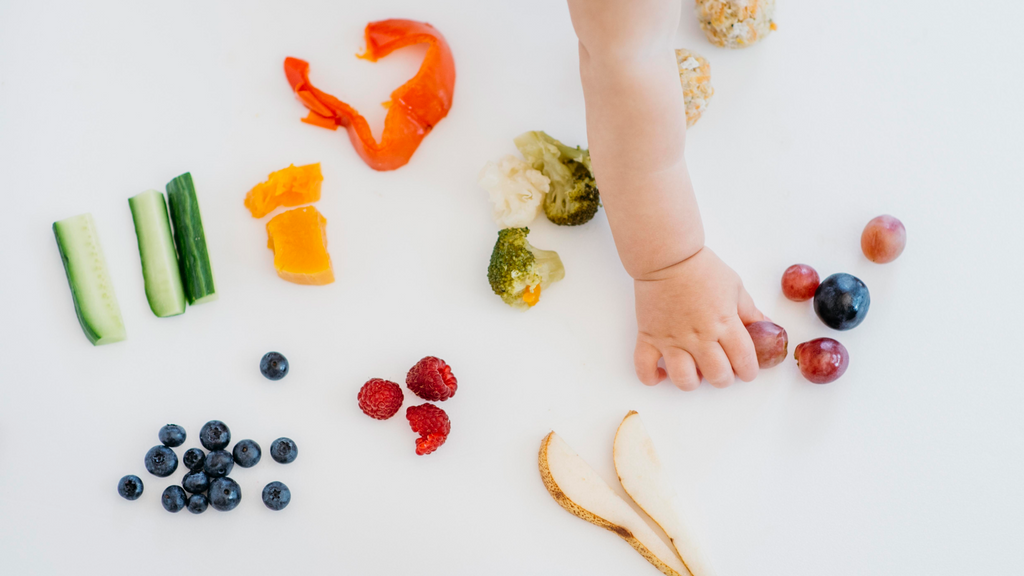
Purees vs. Finger Foods: Which Is Best for Your Baby?
Starting solids with your baby is a major milestone that signifies the beginning of a new phase in their growth and development. Parents often find themselves debating between purees and finger foods when deciding the best approach to start their baby with solid foods. Each method has its own advantages and considerations, and understanding these can help you make an informed decision that best suits your baby's needs. This comprehensive guide explores the differences between purees and finger foods and helps you decide which is best for your baby.
Purees: A Traditional Approach
Puree food is the traditional method of introducing solids to babies. It involves blending or mashing fruits, vegetables, and other foods into a smooth consistency that is easy for babies to swallow and digest.
Advantages of Purees:
-
Easier to Swallow:
Puree food is smooth and easy for babies to swallow, which reduces the risk of choking. This is particularly important for younger babies who are just learning to eat solid foods. -
Controlled Nutrient Intake:
Purees allow parents to control the ingredients and ensure that their baby is getting a balanced diet. You can easily mix and match different fruits, vegetables, and grains to provide a variety of nutrients. -
Gradual Texture Introduction:
Starting with purees allows babies to gradually get used to different textures. You can gradually increase the thickness and lumpiness of the purees as your baby becomes more accustomed to solid foods.
Considerations for Purees:
-
Limited Exposure to Textures:
Since purees are smooth, babies may not get used to different textures early on, which can delay the development of chewing skills. -
More Preparation Time:
Making homemade purees can be time-consuming, and parents need to ensure they are stored and handled properly to maintain nutritional value.
Finger Foods: Encouraging Independence
Finger foods are small pieces of food that babies can pick up and eat on their own. This method is often associated with baby-led weaning, where babies are encouraged to self-feed from the start.
Advantages of Finger Foods:
-
Promotes Independence:
Finger food encourages babies to self-feed, which can help develop fine motor skills and hand-eye coordination. -
Exposure to Textures:
Introducing baby finger foods early on exposes babies to a variety of textures, which can help them become more comfortable with different types of food. -
Family Mealtime Participation:
With finger foods, babies can join the family at mealtime and eat similar foods, making them feel included and promoting social interaction.
Considerations for Finger Foods:
-
Choking Risk:
There is a higher risk of choking with finger foods, so it's important to choose appropriate foods and supervise your baby while they eat. -
Messy Eating:
Finger foods can be messy, as babies are learning to feed themselves and may drop or smear food around.
Introducing Solids to Baby
Many parents find that a combination of purees and finger foods works best. This approach allows babies to enjoy the benefits of both methods and can help ease the transition from purees to more solid foods.
Starting with Purees:
- Begin with single-ingredient purees, such as mashed bananas, steamed and blended carrots, or pureed peas. These foods are gentle on your baby's digestive system and provide essential nutrients.
- Gradually introduce more complex combinations, like apple and sweet potato puree or rice and lentil porridge, to ensure a balanced diet.
Introducing Finger Foods:
- Once your baby is comfortable with purees, start offering small, soft pieces of food that they can pick up and eat on their own. Some great baby finger foods include small pieces of steamed vegetables, soft fruits, and well-cooked pasta.
- Monitor your baby closely to ensure they are chewing properly and not choking on the food.
Baby Led Weaning: Encouraging Self-Feeding
Baby-led weaning is an approach that skips purees altogether and starts with finger foods. This method allows babies to explore and enjoy a variety of textures and tastes right from the start.
Advantages of Baby-Led Weaning
Natural Progression:
Babies learn to chew and swallow at their own pace, which can help improve their eating skills and reduce fussiness with food.
Family Meals:
Babies eat the same foods as the rest of the family, which promotes a healthy eating environment and makes meal preparation easier.
Considerations for Baby-Led Weaning:
Choking Hazard:
As with any method involving solid pieces of food, there is a risk of choking. Always choose age-appropriate foods and supervise your baby while they eat.
Nutritional Balance:
Ensuring your baby gets all the necessary nutrients can be challenging with baby-led weaning. It's important to offer a wide variety of foods to meet their nutritional needs.
To learn more about baby-led weaning you can read this: https://www.babyforest.in/blogs/thoughts-and-ideas/baby-led-weaning
Finally; Purees or Finger Foods?
There is no one-size-fits-all answer when it comes to choosing between purees and finger foods. Both methods have their benefits and challenges, and the best approach depends on your baby's needs and your family's lifestyle. Many parents find success with a combination of both methods, starting with purees and gradually introducing finger foods as their baby becomes more comfortable with solid foods. Whichever method you choose, the most important thing is to ensure your baby is getting a balanced diet and enjoying their mealtime experiences.

Breastfeeding Twins: A Comprehensive Guide for New Moms
Welcoming twins into your life is a joyous occasion, but it can also be overwhelming, especially when it comes to breastfeeding. Breastfeeding twins presents unique challenges and requires special techniques, but with the right information and support, you can successfully nourish your babies. This comprehensive guide will cover everything you need to know about nursing twins, from twin breastfeeding positions to creating a twin-feeding schedule.
Benefits of Breastfeeding Twins
Breastfeeding offers numerous benefits for both mothers and babies. For twins, it provides the essential nutrients needed for growth and development while also promoting a strong immune system. For mothers, breastfeeding helps in postpartum recovery and strengthens the bond with each baby. Additionally, it is economical and convenient, eliminating the need for formula and bottle preparations.
Getting Started with Breastfeeding Twins
How to breastfeed twins can be daunting at first, but with some preparation and patience, you can establish a successful breastfeeding routine. Here are some initial steps to help you get started:
-
Seek Early Support
Contact a lactation consultant or join a support group for mothers of twins. Professional guidance can be invaluable in addressing specific concerns related to breastfeeding twins. -
Create a Comfortable Feeding Area
Set up a dedicated space for breastfeeding with comfortable seating, pillows for support, and easy access to water, snacks, and entertainment.
-
Practice Makes Perfect
Initially, you might find it challenging to position both babies correctly. Practice different twin breastfeeding positions until you find what works best for you and your babies.
Twin Breastfeeding Positions
Finding the right twin breastfeeding positions is crucial for comfort and efficiency. Here are some popular positions to consider:
-
Football Hold
This position involves holding each baby under your arm, with their legs pointing towards your back. It provides excellent support and allows you to control their heads easily. -
Cradle Hold
In this position, each baby is held across your lap, with their heads resting in the crook of your arms. This is a natural and comfortable position for many mothers. -
Double Clutch
Similar to the football hold but with both babies positioned on the same side. This can be useful if you have limited space or need to free up one hand. -
Upright Hold
Suitable for older babies who can support their heads. Both babies sit on your lap facing you, which can be less tiring for your arms.
Experiment with these positions to determine what feels most comfortable and effective for you and your twins.
Establishing a Twins Feeding Schedule
Creating a consistent twin feeding schedule is essential for managing your time and ensuring both babies are well-fed. Here are some tips to help you establish a schedule:
Synchronize Feedings
Try to feed both babies at the same time. This can save you a lot of time and energy compared to feeding them separately.
Track Feedings
Use a notebook or an app to record feeding times, durations, and which breast each baby is nursed from. This helps ensure both babies receive equal feeding time and allows you to monitor their intake.
Be Flexible
While a schedule is helpful, it's important to remain flexible. Babies' needs can change frequently, especially during growth spurts. Adapt your schedule as needed.
Managing Milk Supply
A common concern for mothers of twins is whether they will produce enough milk. Here are some tips to boost and maintain your milk supply:
Frequent Nursing:
The more you nurse, the more milk your body will produce. Aim to feed your babies every 2-3 hours or on demand.
Stay Hydrated and Nourished:
Drink plenty of water and eat a balanced diet rich in nutrients to support milk production.
Pumping:
Consider pumping between feedings to stimulate milk production and build a supply of expressed milk.
Overcoming Challenges
Breastfeeding twins can present unique challenges, but with patience and perseverance, you can overcome them. Here are some common issues and how to address them:
Latch Issues:
If one or both babies have difficulty latching, seek help from a lactation consultant. They can provide techniques to improve latch and ensure effective feeding.
Sore Nipples:
Use lanolin cream or nipple shields to soothe sore nipples. Ensure proper latch to minimize discomfort.
Fatigue:
Caring for twins is exhausting. Rest whenever possible, and don't hesitate to ask for help from family and friends.
Remember, every mother and baby pair is unique, so find what works best for you and seek support when needed. With the right approach and mindset, you can make nursing twins a positive and fulfilling experience.

Must-Have Baby Essentials for a Safe and Comfortable Monsoon
The monsoon season brings with it a refreshing break from the heat, but it also introduces new challenges for parents of young babies. High humidity, increased moisture, and cooler temperatures can affect your baby's comfort and health. Preparing with the right baby essentials can make a big difference in ensuring your little one stays safe and comfortable during the rainy season. Here's a detailed guide on must-have baby products for a safe and comfortable monsoon.

Essential Baby Products for this Monsoon
Talc-Free Baby Powder
During the monsoon, the increased humidity can cause your baby to sweat more, which can lead to heat rashes and discomfort. A talc-free baby powder is essential to keep your baby's skin dry and prevent rashes. The Dulaar Pyar Baby Powder is made from natural ingredients like corn starch and oats kernel, which are gentle on your baby's delicate skin. This talc-free powder helps absorb excess moisture and reduce friction, keeping your baby's skin smooth and dry throughout the humid season.

Baby Vapour Rub
Monsoon weather often brings cooler temperatures and can exacerbate colds and respiratory issues in babies. A baby vapour rub is a must-have during this monsoon. The Komal Shwaas Baby Vapour Rub is formulated for infants and contains natural ingredients like eucalyptus and lavender oils. These ingredients help relieve nasal congestion, making breathing comfortably easier for your baby. Apply a small amount on your baby's chest, back, and soles of their feet before bedtime to help them sleep better during cold and damp nights.

Baby Rash Healing Cream
Wet weather and frequent diaper use can increase the likelihood of diaper rashes. A baby rash healing cream must be on hand during monsoon. Baby Forest’s Komal Kawach Diaper Rash Healing Cream contains Kusha, Harachampaka Madanah, and Geranium oil that creates a protective layer and keeps the baby’s skin soft, dry and supple. It also includes soothing ingredients like Aloe Leaf Juice and Jojoba oil. Regularly applying a rash cream can prevent rashes from developing and ensure that any existing rashes heal quickly.

Natural Floor and Baby Toy & Surface Cleaner
Monsoon season often brings mud and dirt indoors, increasing the risk of germs and bacteria that can affect your baby's health. A natural floor cleaner and, a baby toy & surface cleaner are vital for keeping your home clean and safe for your baby. The Swaksh Bhoomi Natural Floor Cleaner is made from natural, non-toxic ingredients, ensuring your baby is not exposed to harsh chemicals. This cleaner disinfects floors and surfaces, providing a hygienic environment for your baby to crawl and play safely. Similarly, the Swaksh Khilone Baby Toy & Surface Cleaner is designed to keep toys and surfaces free from germs, using non-toxic ingredients. Regular use of these cleaners helps maintain hygiene and reduces the risk of infections, especially during the monsoon when mold and mildew can thrive.

Pashmina Baby Blanket
Keeping your baby warm and cozy during the cooler monsoon months is important. A Pashmina baby blanket is an excellent choice for this purpose. Our Kashmiri Pashmina Baby Blanket is made from incredibly soft pashmina wool, which is lightweight and provides excellent insulation. These blankets are perfect for wrapping your baby during naps or bedtime, offering warmth without overheating. Pashmina blankets are also breathable, preventing your baby from getting too hot and ensuring they stay comfortable. Its luxurious feel makes them a comforting and soothing choice for your baby.

Baby Swaddles
Swaddling helps babies feel secure and improves their sleep quality, which is especially beneficial during the monsoon when the weather can be unpredictable. Baby swaddles made from soft, breathable fabrics like cotton or muslin are ideal. The Komal Aavran Baby Swaddle is made from soft, breathable fabric that helps regulate your baby's body temperature, preventing overheating while keeping them snug. Swaddling can also reduce the startle reflex, which often wakes babies up.

Baby Towel
When it comes to keeping your baby dry and comfortable after baths, the Somya Aanchal Baby Towel is an excellent choice. This towel offers exceptional absorbency and softness, made with a blend of 60% zero-twist cotton and 40% bamboo. The hooded design adds a touch of cuteness and ensures your baby's head stays warm, which is especially important during the cooler monsoon months. Generously sized for ample coverage, this towel is gentle on your baby's delicate skin and provides the ultimate comfort after bath time.

Additional Tips for a Safe and Comfortable Monsoon
-
Maintain a Clean Environment
Regularly clean your baby's room and play areas to prevent mold and mildew, which thrive in humid conditions. -
Dress Appropriately
Dress your baby in lightweight, breathable clothing to prevent overheating. Layering is a good strategy, as you can easily add or remove layers based on the temperature. -
Monitor Humidity Levels
Use a dehumidifier to control indoor humidity levels. High humidity can cause discomfort and promote the growth of mold and bacteria. -
Stay Dry
Ensure your baby stays dry by promptly changing clothes and diapers. Wetness can cause skin irritation and rashes.
Preparing for the monsoon season with the right baby products can significantly improve your baby's safety and comfort. Each item plays a crucial role in addressing the unique challenges of the rainy season, from talc-free baby powder to keep their skin dry to a pashmina baby blanket for warmth. Incorporating these products into your daily routine will help you easily navigate the monsoon, keeping your baby happy, healthy, and comfortable. Remember, the key to a stress-free monsoon is preparing and choosing high-quality products catering to your baby's needs.

Buying a Baby Towel? Here’s what you need to know!
Choosing the right baby towel is essential for your baby's comfort and hygiene. With so many options available, it can be overwhelming to decide which towel is best for your little one. In this guide, we'll explore the key factors to consider before purchasing a baby bath towel, ensuring you make an informed decision that keeps your baby warm, dry, and comfortable.
Factors to Consider While Purchasing a Baby Bath Towel:
Soft and Comfortable
One of the most important features to look for in a baby towel is its softness. A soft bath towel for a baby is gentle on your baby's delicate skin, reducing the risk of irritation and discomfort. Babies have much more sensitive skin than adults, so using a towel that is soft and plush can make bath time a pleasant experience.
When shopping for a baby bath towel, consider the material. Towels made from natural fibres like cotton are usually softer and more comfortable. A cotton towel for a baby is an excellent choice because it is not only soft but also breathable, ensuring your baby's skin stays healthy and free from rashes.
Highly Absorbent
The primary function of a towel is to dry, so it's crucial to choose a baby towel that is highly absorbent. After a bath, you want to be able to dry your baby quickly and efficiently to prevent them from getting cold. Look for towels that are thick and have a high absorbency rate, as these will soak up moisture effectively.
Materials like cotton and bamboo are known for their excellent absorbency. A blend of these materials can offer superior performance. For instance, our baby towel combines 60% zero-twist cotton, and 40% bamboo providing exceptional absorbency, making it ideal for drying your baby quickly after a bath.
Eco-Friendly
In today's world, making eco-friendly choices is more important than ever. When selecting a baby bath towel, consider the environmental impact of the product. Towels made from organic cotton or bamboo are great eco-friendly options. These materials are sustainable and biodegradable, reducing your environmental footprint.
Organic cotton is grown without harmful pesticides and chemicals, making it safer for your baby and better for the environment. Bamboo is another excellent choice as it grows quickly without the need for fertilizers or pesticides. Choosing an eco-friendly cotton towel for your baby not only benefits the planet but also ensures that your baby's skin is not exposed to harmful substances.
Durable
Durability is another crucial factor to consider when buying a baby towel. Babies can be messy, and their towels will need frequent washing. A durable towel will withstand repeated laundering without losing its softness or absorbency.
High-quality towels made from strong fibers like cotton and bamboo are more likely to remain in good condition over time. Investing in a durable soft bath towel for your baby means you won't have to replace it frequently, saving you money in the long run.
Hooded Towel for Baby
A hooded towel for the baby adds an extra touch of practicality and cuteness to bath time. The hood helps keep your baby's head warm after a bath, which is especially important for young babies who can lose heat quickly. A hooded towel also makes it easier to wrap and dry your baby, ensuring they stay snug and comfortable.
Hooded towels come in various designs and sizes, so you can choose one that best fits your baby's needs. The hooded design not only looks adorable but also provides additional warmth and coverage, making it a must-have item for bath time.
Why Choose Somya Aanchal Baby Towel?
Choosing the Somya Aanchal Baby Towel ensures you're providing your baby with the best in comfort, absorbency, and eco-friendliness. This towel stands out because it combines the softness of 60% zero-twist cotton with the sustainability of 40% bamboo, making it exceptionally gentle on your baby's delicate skin. The generous size offers ample coverage, keeping your baby warm and cosy after bath time. The hooded design not only adds an adorable touch but also provides extra warmth for your baby's head. Additionally, the high absorbency of the Somya Aanchal Baby Towel ensures quick drying, making it an essential item for every new parent who values quality and practicality.


A Parent's Guide to Baby Ear Piercing: Here’s What You Ne...
Baby ear piercing is a common practice in many cultures around the world, often steeped in tradition and personal significance. Whether you are considering ear piercing for your baby for cultural, aesthetic, or personal reasons, it's important to understand the process, the benefits, and the necessary aftercare. This guide will provide you with everything you need to know about baby ear piercing, ensuring you make an informed and safe decision for your little one.
Cultural Significance of Baby Ear Piercing
In many cultures, ear piercing for babies is more than just a fashion statement; it holds deep cultural and religious significance. One such tradition is the Karnavedha Sanskar, an ancient Indian ritual where a baby's ears are pierced. The Karnavedha ceremony is one of the 16 sacraments, or 'samskaras,' in Hindu culture, symbolizing the child's ability to hear and absorb knowledge.
Indian baby ear piercing is often performed during a special ear-piercing ceremony where family and friends gather to celebrate. This event is seen as a rite of passage and is usually conducted by a priest or a trained professional. The Karnavedha sanskar is believed to have several spiritual and health benefits, including the stimulation of vital energy points and the improvement of cognitive functions.
When to Pierce Your Baby's Ears
The ideal time to pierce a baby's ears varies among cultures and personal preferences. Some parents choose to do it when their baby is just a few months old, while others may wait until the child is older. There are several factors to consider when deciding the best time for a baby ear piercing:
-
Age
Many pediatricians recommend waiting until the baby has received their first set of vaccinations, usually around 2-4 months old. At this age, the baby's immune system is more developed, reducing the risk of infection. -
Pain Tolerance
Younger babies may tolerate the discomfort of ear piercing better than older children, who might remember the pain and be more resistant to the procedure. -
Healing Process
Babies tend to heal faster than older children and adults, making the recovery period shorter and potentially less complicated.
The Ear-Piercing Procedure
Knowing what to expect during the ear-piercing ceremony can help you prepare and reduce anxiety for both you and your baby. Here's a step-by-step overview of the process:
-
Preparation
Clean the baby's earlobes with an antiseptic solution. The professional will mark the exact spots where the earrings will be placed. -
Piercing
Using a sterilized piercing instrument or needle, the professional will quickly pierce the earlobes. The use of a quick and efficient method helps minimize discomfort. -
Aftercare Instructions
The professional will provide detailed aftercare instructions to ensure proper healing and prevent infection. Follow these instructions carefully for the best results.
Benefits of Baby Ear Piercing
There are several perceived ear-piercing benefits for babies, especially within cultural contexts:
-
Cultural Identity
For many families, piercing a baby's ears is a way to connect with cultural traditions and instill a sense of identity from a young age. -
Health Beliefs
In some traditions, ear piercing is believed to have health benefits, such as improving eyesight and enhancing brain development. The Karnavedha sanskar, for example, is thought to stimulate important energy points in the body. -
Aesthetic Appeal
Many parents choose to pierce their baby's ears for aesthetic reasons, appreciating the look of small earrings on their child.
Aftercare Tips
Proper aftercare is essential to ensure that your baby's ears heal properly and to avoid complications. Here are some key aftercare tips:
Cleaning:
Clean the pierced area twice daily with an antiseptic solution or saline water. Avoid using alcohol or hydrogen peroxide, as these can dry out the skin and delay healing.
Avoid Touching:
Try to minimize touching or twisting the earrings to prevent irritation and introduce bacteria. Always wash your hands before handling the earrings.
Monitor for Infections:
Keep an eye out for signs of infection, such as redness, swelling, discharge, or increased tenderness. If you notice any of these symptoms, contact your pediatrician immediately.
Earring Material:
Use hypoallergenic earrings, preferably made of surgical steel, gold, or platinum, to reduce the risk of allergic reactions.
Baby ear piercing is a significant decision that involves careful consideration of cultural practices, health benefits, and personal preferences. Whether you're participating in a traditional Karnavedha ceremony or simply choosing to pierce your baby's ears for aesthetic reasons, it's essential to understand the process and follow proper aftercare instructions. By selecting a qualified professional and adhering to recommended practices, you can ensure a safe and positive experience for your little one. Celebrate this special milestone with confidence, knowing that you've made an informed and thoughtful choice for your baby's well-being.

Baby Milestones and Development of a 2-Month-Old
Welcoming a baby into your life is a joyous occasion filled with wonder and excitement. As your little one grows, you'll notice many changes and developments. At two months old, your baby is beginning to show more of their personality and reaching several key milestones. Understanding these 2-month-old milestones will help you support your baby's growth and development.
2-Month-Old Baby’s Physical Development
One of the most noticeable changes at two months old is physical development. Your baby is growing rapidly, and you might see significant changes in their appearance and abilities.
-
Weight and Length
By two months, many babies have gained about 1-2 pounds since birth and grown about 1-2 inches in length. Regular check-ups with your pediatrician are crucial for monitoring your baby's growth and ensuring they are on a healthy trajectory.
-
Head Control
A significant 2-month newborn milestone is improved head control. While your baby still needs support, you'll notice they can lift their head briefly while lying on their stomach during tummy time. This development is crucial for strengthening neck and shoulder muscles, laying the foundation for future motor skills.
Motor Skills at 2 Months
Your baby's motor skills are also developing rapidly. Motor skills at 2 months include both gross and fine motor abilities, which will continue to evolve as your baby grows.
-
Arm and Leg Movements
At two months, your baby will start to make smoother, more deliberate arm and leg movements. They may kick their legs and wave their arms more energetically, which is a sign of developing strength and coordination. -
Hand-to-Mouth Coordination
You might notice your baby bringing their hands to their mouth. This reflexive action is part of their exploration process and helps them learn about their body and surroundings. -
Grasp Reflex
While the grasp reflex in newborns is still present, your baby might start to show more voluntary grasping. They may try to hold onto a finger or a small toy briefly, which is an early sign of developing fine motor skills.
Cognitive and Sensory Development
Cognitive and sensory developments are among the exciting milestones by 2 months. These changes indicate that your baby's brain is growing, and they are becoming more aware of their environment.
-
Alertness and Awareness
By two months, your baby will be more alert and spend more time awake during the day. They'll start to recognize familiar faces and voices, particularly those of their parents and primary caregivers. -
Tracking Movement
Your baby's ability to track moving objects is improving. They may follow a moving toy or your face with their eyes, which is a sign of developing visual and cognitive skills. -
Responses to Sounds
At this stage, your baby will become more responsive to sounds. They might turn their head towards a noise or startle at loud sounds. Talking, singing, and playing music can stimulate their auditory development.
Social and Emotional Development
Social and emotional milestones are also crucial at this stage. Your baby is starting to develop the foundations of communication and social interaction.
-
Smiling
One of the most heartwarming 2-month-old milestones is the social smile. Around this age, your baby will start to smile in response to your interactions. This smile is a way of communicating happiness and engagement. -
Coos and Gurgles
Your baby will begin to make cooing and gurgling sounds, which are early forms of communication. These sounds are important as they lay the groundwork for language development. -
Bonding and Attachment
At two months, your baby is forming strong bonds with you and other caregivers. They will enjoy being held, cuddled, and talked to, which helps them feel secure and loved.
Tips to Support Your 2-Month-Old's Development
Supporting your baby's development during this critical time involves providing a nurturing and stimulating environment. Here are some tips to help you foster their growth:
-
Tummy Time
Ensure your baby spends some supervised time on their tummy every day. This helps strengthen their neck, shoulders, and upper body muscles, which are essential for future motor skills. -
Engage in Play
Use age-appropriate toys to encourage your baby to reach, grasp, and explore. Simple baby toys like rattles, soft toys, and colorful objects can captivate their interest and promote motor skills. -
Talk and Sing
Communicate with your baby by talking, singing, and reading to them. This stimulates their auditory and language development. Even though they may not understand the words, they will enjoy the sound of your voice and begin to recognize language patterns. -
Respond to Cues
Pay attention to your baby's cues and respond to their needs. Whether they are hungry, tired, or need comfort, responding promptly helps build a strong bond and fosters emotional security. -
Create a Routine
Establishing a routine can help your baby feel secure and understand what to expect. Consistent feeding, sleeping, and playtimes provide a sense of structure and stability.
When to Consult a Pediatrician
While every baby develops at their own pace, it's important to consult a pediatrician if you notice any concerning signs. Some areas to watch for include:
-
Lack of Eye Contact
If your baby does not make eye contact or seems uninterested in faces, discuss this with your pediatrician. -
Poor Head Control
If your baby is unable to lift their head slightly during tummy time or shows very little head control, it's worth mentioning during check-ups. -
Limited Movement
If your baby shows very little arm and leg movement or seems excessively stiff or floppy, seek medical advice.
By being aware of the 2-month newborn milestones, you can better support your baby's physical, cognitive, social, and emotional development. Remember, every baby is unique and will reach milestones at their own pace. Celebrate each small achievement and enjoy watching your little one grow and develop.
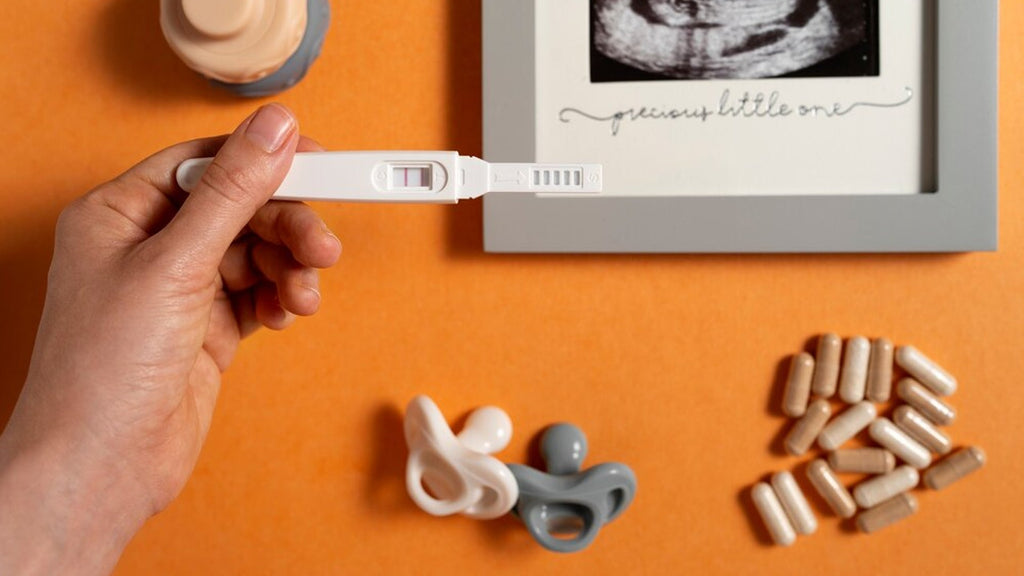
Embarking on Motherhood: Early Signs of Pregnancy
The journey of pregnancy begins even before the first missed period. This time can bring many changes and sensations in your body, some of which may be the first clues of pregnancy. In this blog, we'll delve into the very early signs of pregnancy and find out what you can expect during the first week after conception.
Understanding Early Stage of Pregnancy
The earliest stage of pregnancy involves a complex series of events. When the sperm fertilises the egg following conception, it travels down the fallopian tube and into the uterus. About a week after fertilization, it embeds itself in the uterine lining in a process called implantation, marking the true beginning of pregnancy.
6 Very Early Signs of Pregnancy
Every woman's body is unique, and so is her early pregnancy experience. Here are some of the earliest signs of pregnancy that you might encounter, even within the first week after conception:
-
Missed Period:
While a missed period is a classic sign of pregnancy, it may not be noticeable until after the first week. However, it's important to track your menstrual cycle to identify any delays or changes. -
Implantation Bleeding:
Occurring in about a third of pregnancies, implantation bleeding is one of the first signs. It happens around the time your period would normally start and appears as a light spot of blood. It's much lighter and shorter than a regular period. -
Cramping and Discomfort:
Similar to menstrual cramps, some women experience mild implantation cramps. These can feel like a light tug or a mild pricking feeling inside the abdomen. -
Breast Changes:
Early hormonal changes may make your breasts feel tender, swollen, or sore. Some women also notice that their breasts feel heavier and fuller, and the area around the nipples (areola) might darken. -
Fatigue
Surging hormones, particularly progesterone, can make you feel unusually tired. This hormone plays a key role in supporting the pregnancy but also causes tiredness. -
Nausea:
Often glamorized as morning sickness, nausea can actually occur at any time of the day. For some women, this begins within just a week after conception due to increased hormone levels.
How early do pregnancy symptoms start?
Pregnancy symptoms can start surprisingly early for some women. While the timing can vary greatly, some signs, like slight cramping or spotting, known as implantation bleeding, can appear as early as one to two weeks after conception. This happens around the time the fertilized egg attaches itself to the uterus wall. Other early symptoms such as breast tenderness, nausea, and fatigue might also develop soon after, prompted by increasing hormone levels. Typically, most women start to notice these changes a few days before their expected period or around two to three weeks after conception. However, every woman's body is different, and so the onset of symptoms can vary.
What to Expect in the First Week?
In the first week of pregnancy, most physical changes are internal and subtle. You might not notice any dramatic signs, but your body is beginning the vital work of growing a new life. Hormonal changes during this week lay the foundation for the pregnancy, affecting nearly every organ system in your body.
Emotional Impact
Discovering that you are likely pregnant can be overwhelming. It's natural to experience a whirlwind of emotions—from joy and excitement to anxiety and fear. It's important to acknowledge these feelings and discuss them with supportive partners, friends, or health professionals.
When to Take a Pregnancy Test
To acquire accurate results from a home pregnancy test, wait at least a week after you missed your period. These tests identify the hormone hCG, which your body produces only after implantation.
Next Steps After a Positive Test
If you've taken a test and it's positive, your next step should be to schedule an appointment with your healthcare provider. Getting early prenatal care is very important for a healthy pregnancy. Your doctor will help you with all the necessary steps, tests, and precautions.

Top 10 Things to Know When Flying with a Baby
Flying with a baby can be a daunting experience, especially for first-time parents. However, you can make the trip easier and more enjoyable for you and your child if you prepare and follow these helpful guidelines. Here are the top 10 things to know when flying with a baby.
Top 10 Things to Know When Flying with a Baby
Flying with a baby can be a stressful experience, especially for new parents. With the right preparation and mindset, however, it can be smooth and even enjoyable. Below are the top ten things to keep in mind to make your journey easier.

1. Plan Ahead
Planning is crucial when flying with a baby. Book your tickets early to ensure you get the best seats for your family. If possible, choose flights that align with your baby’s nap schedule. This can help make the flight more manageable. Also, inform the airline if you need a bassinet or any other special accommodations.
2. Pack Smart
Less is more when it comes to packing, but you still need to ensure you have all the essentials. Here’s a checklist to help you pack smartly:
- Diapers: Pack enough diapers for the flight duration, plus a few extras.
- Baby Wipes: Essential for diaper changes and cleaning up spills.
- Clothing: Pack extra clothes for your baby like a baby bodysuit and a change of clothes for yourself.
- Blanket: A soft blanket can be useful for warmth and comfort.
- Feeding Supplies: Whether you’re breastfeeding, bottle-feeding, or have started solids, pack enough food and baby feeding bottles for the trip.
3. Arrive Early
Arriving at the airport early gives you ample time to handle unexpected situations. With a baby in tow, you’ll need extra check-in, security checks, and boarding time. Arriving early helps reduce stress and gives you time to deal with last-minute issues.
4. Choose the Right Seats
Selecting the right seats can make a significant difference in your travel experience. If possible, opt for bulkhead seats as they offer more legroom. Some airlines provide bassinets for babies in these seats, which can be a lifesaver on long flights. If bulkhead seats are unavailable, consider booking a window seat so you can have more privacy.
5. Keep Your Baby Comfortable
Comfort is key when flying with a baby. Dress your baby in comfortable, layered clothing to easily adjust to changing temperatures. A familiar blanket or toy can provide comfort and security. During takeoff and landing, feed your baby or offer a pacifier to help with ear pressure changes.
6. Manage Feeding and Hydration
Keeping your baby well-fed and hydrated is crucial. If you’re breastfeeding, take advantage of feeding during takeoff and landing to help with ear pressure. If you’re bottle-feeding, pack extra formula or milk. Don’t forget to bring snacks if your baby is old enough for solids. It’s also important to keep yourself hydrated, especially if you’re breastfeeding.
7. Navigating Security
Navigating airport security with a baby requires a bit of patience. You’ll need to carry your baby through the metal detector, so it’s helpful to use a baby carrier instead of a stroller. Liquids such as breast milk, formula, and baby food are allowed in reasonable quantities but will need to be screened separately. Be prepared for additional security checks for these items.
8. Handling Layovers
Layovers can be challenging with a baby, but with a little planning, they can be manageable. Choose airports that offer family-friendly amenities such as nursing rooms and play areas. Use layover time to feed, change diapers, and let your baby stretch. If the layover is long, find a quiet corner where your baby can nap.
9. Entertainment and Distraction
Keeping your baby entertained during the flight is essential to avoid fussiness. Pack a few of your baby’s favorite toys and introduce a new toy to capture their interest. Singing songs, reading books, and playing simple games can also help distract your baby. For older babies, a tablet with pre-downloaded baby-friendly videos or apps can be a great source of entertainment.
10. Stay Calm and Flexible
Traveling with a baby can be unpredictable, and things might not always go as planned. Staying calm and flexible is crucial. Babies can pick up on your stress, so try to stay relaxed. If your baby cries or becomes fussy, remember that it’s normal and other passengers are usually understanding. Focus on comforting your baby, and don’t be afraid to ask the flight attendants for assistance if needed.
Additional Tips
-
Travel Documents
Ensure you have all necessary travel documents for your baby, including a passport, if traveling internationally. -
Health Check
Consult your pediatrician before flying, especially if your baby has any health issues or if it’s your first time flying with them. -
Sanitization
Airplanes can be germ hotspots. Bring hand sanitizer and disinfectant wipes to clean surfaces around your seat. -
Car Seat
If you’ve purchased a seat for your baby, consider bringing an FAA-approved car seat for added safety and comfort. -
Boarding Last
Some airlines allow families with young children to board early. However, boarding last can be beneficial to minimize the time your baby spends on the plane.
Flying with a baby can be challenging, but with careful planning and a positive mindset, it can also be a rewarding experience. Remember, the key to a successful flight is preparation, patience, and staying flexible. Safe travels!

6 Baby Rituals That Every Parent Should Know
Rituals and development are deeply intertwined in the life of a child. Every culture has traditions that are considered vital for a child's growth and well-being. These rituals have been integral to cultural practices for centuries. In today's interconnected world, where the internet has blurred cultural boundaries, it's easier than ever to explore and embrace practices from different traditions. For example, Hindu rituals for newborn babies are known for their profound impact on a child's development and well-being. Here are five significant sanskaras from Hinduism that ensure a baby's healthy and holistic growth.

Jatakarma (Birth Ritual)
Remember your mother or grandma telling you that when you were born, your dad made you taste honey or ghee on the very first day of your life? The tradition is called Jatakarma! This is the first ritual for a newborn baby to celebrate the birth of the baby. After the mother, it is the father through whom a baby knows the world. A father chants the name of gods or mantras in a baby's ears, promoting positive vibes. The ritual is completed by touching honey or ghee to the baby's lips. Hence, this signifies the bond between a father and a baby.

Naamakaran (Name Giving)
Naamkaran is one of the most significant Hindu rituals for a newborn baby. For the naming ceremony, parents perform a Hawan to promote positive and healthy vibes. On the auspicious day of Naamkaran, the child dresses in new baby clothes, and the religious leader prepares a horoscope. This tradition is vital for a child's identity because official announcements about the name are made to friends and family. The decided name is also whispered in the child's ear by the father in a few cultures.
Similar to Naamkaran in Hindu tradition, other communities have their own beautiful ways of announcing a baby’s name. For instance, in some Muslim households, a ceremony called Daston is held, where the newborn's name is formally introduced to loved ones, often accompanied by prayers and blessings.

Nishkrmana (The First Outing)
Approximately in the fourth month, parents take their little ones out of the home for the first time(Nishkrmana). Five components of nature, like earth, water, air, fire, and space, are introduced to the child. The moon and the sun are also shown and worshipped for the positive growth of the baby. This also indicates that the sense and motor organs of the baby are now strong enough to tolerate the sun's energy. This tradition also demonstrates to parents that a child is never confined to the boundaries and limits of the house.

Annaprashan (The First Solid Food)
Annaprashan is a cherished Hindu ritual that marks the introduction of solid food to a newborn baby, typically occurring when the baby is around six months old. This tradition marks the establishment of an adult diet for a baby for the rest of their life. It is essential for physical and mental development as the teething process starts now. Children learn about new feeding methods that involve them individually. Popularly, rice grain is fed to the child through kheer annaprashan is followed in different cultures with different names. Hence, the food varies accordingly.

Chaul ( Shaving of The Head)
Chaul, also known as Mundan, is a significant Hindu ritual where a newborn baby's head is shaved for the first time. The act of shaving the head is believed to cleanse the child of past life's negativity, symbolizing a fresh start and the removal of impurities. But scientifically, it helps absorb vitamin D from sunlight and keeps the baby's head cool in the summer. It also stimulates the proper growth of nerves and the brain. This ceremony is also significant for the baby's cradle cap as it gets removed over time, and the new, healthier hair growth gets promoted.

Karnavedha (Ear Piercing)
Karnavedha is a traditional Hindu ceremony where a baby’s ears are gently pierced. It is usually done when the child is very young and is believed to be good for health and spiritual well-being. On this day, the baby wears new clothes, and prayers are said by a priest while the ear piercing is done. Family members come together to bless the child and take part in the ceremony. Just like this Hindu tradition, many other communities also have their own ways of doing ear piercing with love and celebration.

Significance Of Hindu Rituals for Newborn Babies
Hindu rituals hold great importance in the lives of believers, serving as a way to connect with the divine and maintain a sense of spiritual discipline. These rituals, whether they involve daily prayers, festivals, or special ceremonies, help individuals express their devotion and gratitude to the gods and goddesses. They also play a vital role in preserving cultural heritage and passing down traditions, values, and stories from one generation to the next. Through these rituals, Hindus find a deeper meaning in their daily lives, feel a sense of community, and gain peace and purpose.
Scientific Facts Behind Hindu Rituals
Many Hindu rituals for newborns have scientific underpinnings that support a child's development. For instance, shaving a baby's head (Mundan) promotes hair growth and scalp hygiene. Introducing solid foods around six months (Annaprashan) aligns with pediatric guidelines, aiding in nutritional balance and palate development. Ear piercing (Karnavedha) is believed to stimulate acupressure points beneficial for vision and brain health, while also being less painful and healing faster in young children.
Exposing a newborn to morning sunlight provides essential Vitamin D for bone health. Regular oil massages (Abhyanga) improve blood circulation, promote better sleep, and support neurological development. These practices blend cultural wisdom with scientific benefits, ensuring holistic growth for the child.
These practices are devoted from generation to generation. At the same time, the ways of doing them have been modernized over time. The five essential sanskaras impact a child scientifically and boost healthier development. Every parent may follow these customs, whether in the form of sanskaras or just as a habit. These can be followed by anyone, as they require the bare minimum but play a significant role in a baby's upbringing in the initial year.
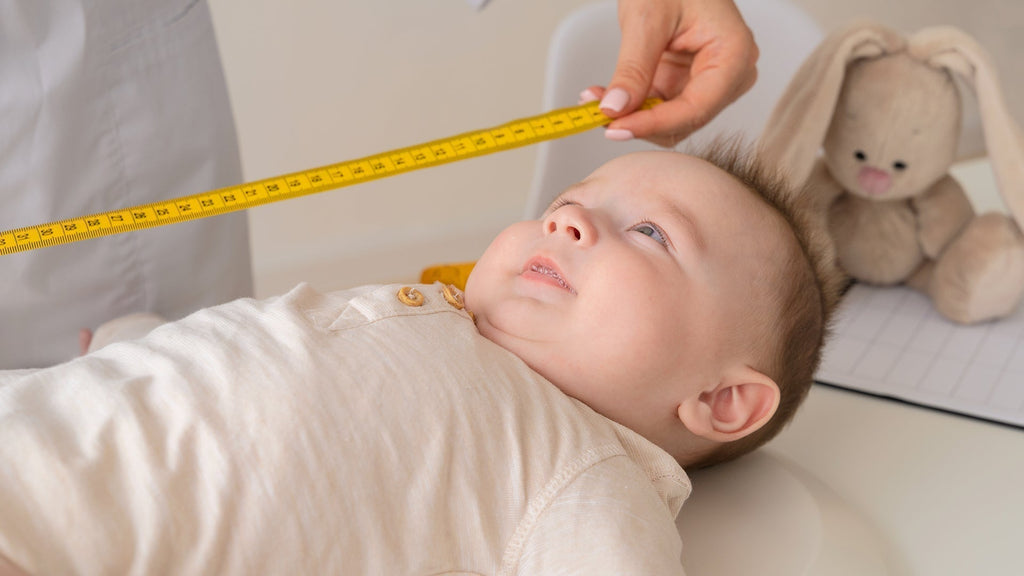
Importance of Baby Growth Chart for a Parent
Parenthood is a journey filled with joys, challenges, and countless milestones. Monitoring your baby's growth and development is crucial to ensuring their health and well-being. This is where a baby growth chart comes into play. A baby growth chart is vital for parents and healthcare providers to track a child's physical development over time. It helps understand whether your baby is growing at a healthy rate compared to established norms.
What is a Baby Growth Chart?
A baby growth chart visually represents your child's growth patterns over a period. It includes weight, height (or length), and head circumference measurements. These charts are created based on data from a large population of children and provide percentiles that indicate how your baby's measurements compare to others of the same age and sex.

Why is a Baby Growth Chart Important?
-
Tracking Developmental Milestones
A baby growth chart allows parents and healthcare providers to track important developmental milestones. By comparing your baby's growth to standard growth patterns, you can ensure they are developing healthily. -
Early Detection of Health Issues
Deviations from typical growth patterns can be an early indicator of health problems. For instance, if your baby's weight gain slows significantly, it might signal nutritional issues or underlying medical conditions requiring attention. -
Personalized Care
Growth charts help in providing personalized care. By closely monitoring your baby's growth chart, healthcare providers can offer tailored advice on nutrition, physical activity, and overall health care.
Understanding the Baby Growth Chart During Pregnancy
While most parents are familiar with tracking their baby's growth post-birth, the pregnancy baby growth chart is equally important. During pregnancy, regular ultrasounds and check-ups provide data on the fetus's growth, helping to ensure that the baby is developing properly inside the womb. This pregnancy baby growth chart includes measurements like fetal length and weight compared to standard fetal growth patterns.
How to Use a Baby Growth Chart
-
Regular Check-ups
It's important to take your baby for regular pediatric check-ups, where the doctor will measure and plot your baby's growth. This helps maintain an accurate baby growth chart. -
Understand the Percentiles
Growth charts use percentiles to compare your baby's growth to other children's. For example, if your baby boy's weight is in the 50th percentile, it means he is heavier than 50% of boys his age and lighter than the other 50%. The baby boy and girl growth charts will have different percentiles based on sex-specific growth data. -
Consistent Monitoring
Consistent monitoring helps identify deviations from the expected growth patterns early. Keeping track of your baby's measurements at home between doctor visits can be helpful.
Interpreting the Growth Chart of Your Baby
Interpreting your baby's growth chart involves understanding where your baby falls on the chart. It's essential to recognize that each baby grows at their own pace. Some might be naturally smaller or larger than others. What matters most is that your baby consistently grows over time.
-
Weight:
Monitoring your baby's weight is crucial as it reflects their overall health and nutrition. Regular updates on the baby growth chart will show if your baby is gaining weight at a healthy rate. -
Height/Length
Tracking your baby's height or length helps in assessing their skeletal growth. The growth chart will indicate if your baby is growing taller than expected. -
Head Circumference:
Measuring head circumference is essential for monitoring brain development. This measurement on the baby growth chart can help detect any potential issues with brain growth or skull development.
Gender-Specific Growth Charts
There are differences in growth patterns between boys and girls, which is why there are separate baby boy growth charts and baby girl growth charts. These charts account for the average growth differences and help in making more accurate assessments.
For example, a baby boy growth chart might show that boys typically have a slightly higher weight and height compared to girls at certain ages. Conversely, a baby girl growth chart will reflect the average growth patterns specific to girls. Using the correct chart ensures that you are comparing your baby's growth to the appropriate standards.
The Role of Nutrition
Nutrition plays a critical role in your baby's growth. A well-balanced diet rich in essential nutrients supports healthy growth and development. Consulting with a pediatrician to ensure your baby's diet meets their nutritional needs is crucial, especially if the baby's growth chart indicates any concerns.
Conclusion
A baby growth chart is more than just a set of numbers and percentiles. It's a vital tool for ensuring your child's healthy development and early detection of potential health issues. By regularly monitoring your baby's growth chart, you can provide the best possible care and support for the baby's growth journey.
Whether you are tracking the pregnancy baby growth chart during prenatal visits or the baby boy growth chart and baby girl growth chart after birth, understanding and using these charts effectively is key to your baby's health. Remember, every child is unique, and growth patterns can vary widely, so always consult your healthcare provider for personalized advice and guidance.
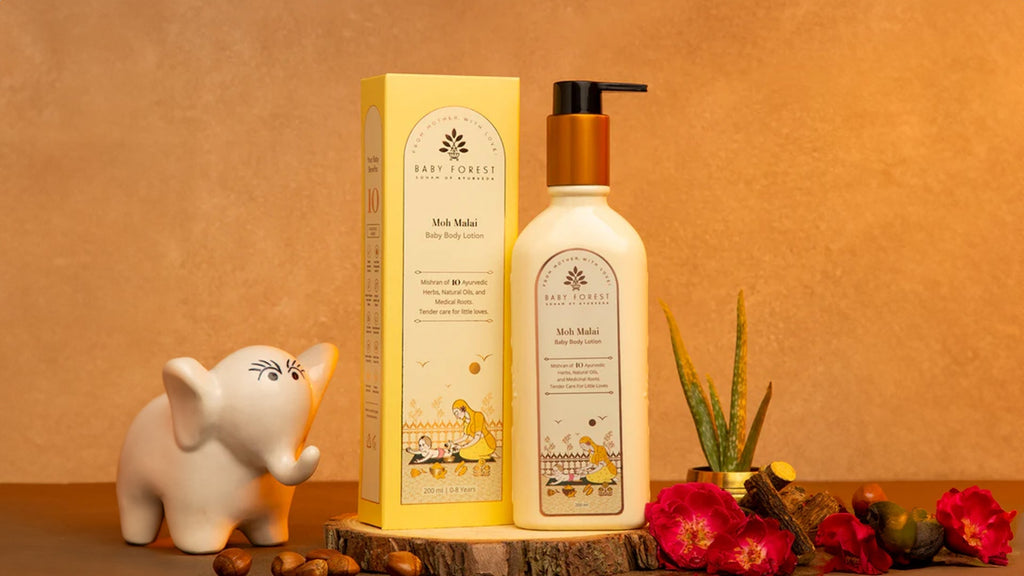
The Benefits of Using Organic Baby Lotion
When it comes to caring for your baby's delicate skin, choosing the right products is important. Organic baby lotions are increasingly popular among new parents who seek the safest and most natural options. These lotions are crafted from plant-derived ingredients, free from harsh chemicals, and are gentle on the skin, making them ideal for daily use. Here's why organic baby lotion should be a staple in your childcare routine, along with an overview of some key ingredients that offer incredible benefits.
Why Choose Organic Baby Lotion?
Organic baby body lotions are made with natural ingredients that are not only safe but also beneficial for your baby's skin. These products are typically vegan, cruelty-free, derma-safe, and devoid of synthetic fragrances and dyes, making them a wholesome choice for your little one. They are formulated to provide moisture, protect sensitive skin, and prevent common skin issues like dryness and diaper rashes.
Gentle on Sensitive Skin
Babies' skin is thinner and more absorbent than adults', making it sensitive to chemicals found in conventional lotions. Organic baby body lotions are crafted without harsh chemicals, synthetic fragrances, or dyes, common irritants that can disrupt the skin's natural balance and lead to dryness or rashes. Instead, organic lotions utilize natural ingredients that are far less likely to cause allergic reactions, ensuring a gentler approach to skincare.
Enhanced Moisturization
Organic lotions are typically formulated with natural oils and butter, such as coconut oil, almond oil, and shea butter, which are known for their deep moisturizing properties. Unlike petroleum-based ingredients commonly found in non-organic lotions, these natural moisturizers support the skin's ability to hydrate and repair itself. This is crucial in preventing dryness and maintaining the softness and elasticity of your baby's skin.
Free from Harmful Additives
One of the main benefits of using organic baby lotion is the absence of potentially harmful additives. Organic products do not contain parabens, phthalates, or sulfates, which can interfere with the body's natural hormones and cause long-term health issues. By choosing organic, parents can avoid exposing their babies to these unnecessary risks.
Eco-Friendly
Choosing organic baby lotion is not only good for your baby but also better for the environment. Organic farming of the ingredients in these lotions minimizes pollution, conserves water, reduces soil erosion, and uses less energy. Furthermore, farming techniques enhance soil fertility and reduce toxins in the environment, making organic products a more sustainable choice.
Key Ingredients to Look for and Their Benefits
-
Shea Makkhanam (Shea Butter)
Known for its rich moisturizing properties, shea butter is a superb ingredient for baby lotions. It helps to soothe dry skin and creates a barrier that locks in moisture, which is essential for keeping your baby's skin soft and hydrated. -
Tila Tailam (Sesame Oil)
This oil is highly nourishing and is known for its antibacterial properties. It's particularly effective in protecting baby skin against common pathogens, making it a great choice for preventing diaper rash. -
Narikel Tailam (Coconut Oil)
Coconut oil is celebrated for its deep moisturizing capabilities and is gentle enough for sensitive baby skin. It helps to soothe irritation, moisturize deeply, and enhance skin barrier function. -
Badam Vatadha (Almond Oil)
Rich in vitamins E and D, as well as minerals such as calcium and magnesium, almond oil not only supports skin health but also promotes heart and bone health in babies. -
Anar Dadim (Pomegranate Seed Oil)
This less common but highly beneficial oil is packed with antioxidants, which protect the skin from environmental stressors. It also helps heal, particularly soothing skin inflammations and eczema.
The Moh Malai Baby Body Lotions includes other botanical extracts like Ghrit Kumari (Aloe Vera), which provides exceptional soothing and healing properties, especially in healing minor rashes and supporting skin regeneration. Neemba (Neem Extract) is another excellent addition due to its renowned medicinal properties that help treat and prevent skin irritations.
Choosing the Right Organic Baby Lotion
When selecting an organic baby lotion, it's important to look at the ingredients list. Opt for products that are free from parabens, sulfates, phthalates, and artificial fragrances. Ensure the product is certified organic to guarantee that the ingredients used meet stringent organic standards.
Incorporating Organic Lotion into Your Baby's Skincare Routine
Using organic baby lotion can be part of your daily routine. Apply lotion after bath time to lock in moisture and any time you notice your baby's skin becoming a bit dry. Gentle massages with these lotions can not only moisturize but also provide a soothing bonding experience with your baby.
With ingredients that are as effective as they are safe, baby lotions provide peace of mind to parents and comfort to babies. Remember, the skin is the largest organ and taking care of it from the start sets the foundation for healthy skin for years to come. Choose wisely, and let the natural goodness of organic baby lotions nurture your baby's skin the way nature intended.

Which Baby Body Wash Is Right for Your Little One?
Body washes are a convenient and soothing way to cleanse your baby's delicate skin. Unlike traditional soaps, which can be drying, and harsh, organic body washes are formulated to be mild and moisturizing, making them a great choice for daily use. Choosing the right baby body wash is crucial because their skin is much more sensitive than adult skin. With countless options available, it can be overwhelming for new parents to find one that is safe, gentle, and nourishing. To simplify your decision, let's delve into the benefits of various natural ingredients found in baby body washes that are effective and gentle. Additional Tips for Bathing Your Baby e on your little one's tender skin.
Understanding Baby Skin
Baby skin is thinner and more susceptible to dryness and irritation compared to adult skin. This is why it's important to choose products specifically designed for babies — products that moisturize and protect without using harsh chemicals. A baby body wash with natural, soothing ingredients can help maintain the natural softness and health of your baby's skin.
Key Natural Ingredients to Look for in Baby Body Washes
When selecting a baby body wash, look for these natural ingredients known for their skin-friendly properties:
-
Jaee Giri (Oat Kernel)
Known for its soothing properties, oat kernel is excellent for baby's sensitive skin. It helps to calm irritation and is incredibly moisturizing, making it perfect for keeping your baby's skin soft and well-hydrated. -
Narial Tailam (Coconut Oil)
Coconut oil is a wonderful moisturizer and is known for its antibacterial and antifungal properties. It's gentle enough for daily use on baby's skin and helps in treating and preventing diaper rash. -
Methika (Fenugreek Leaf)
Fenugreek has natural anti-inflammatory properties that can soothe a baby's skin. It is beneficial for combating cradle cap and eczema. -
Watermelon
Rich in vitamins and water content, watermelon is a hydrating ingredient that keeps the baby's skin fresh and radiant. -
Parijata (Jasmine Oil)
Known for its calming and soothing effects, jasmine oil can help in relaxing your baby, making bath time a more pleasant experience. -
Amalaka (Indian Gooseberry)
A powerhouse of antioxidants, Indian gooseberry helps protect the skin from environmental damage and promotes healthier skin. -
Karpurapuspa (Chamomile)
Chamomile is another ingredient renowned for its soothing properties. It's especially good for babies with irritated or inflamed skin due to its anti-inflammatory benefits. -
Chandana (Red Sandalwood)
Often used in Ayurveda, red sandalwood can help cool and soothe the skin, making it ideal for use in baby body washes. -
Ghrit Kumari (Aloe Vera)
Aloe vera is hydrating and soothing and works well to treat and prevent dry skin patches and diaper rashes. -
Madhukarkati (Grapefruit)
Known for its refreshing scent and cleansing properties, grapefruit is a natural astringent which helps keep your baby's skin clean and refreshed.
Buying the Right Baby Body Wash
When choosing a baby body wash, always opt for products free from parabens, sulfates, and artificial fragrances, which can irritate delicate skin. Look for tear-free products that are derma-safe. Reading product labels and choosing washes that list natural ingredients can help ensure that the product is gentle and safe for your baby.
Additional Tips for Bathing Your Baby
- Before bathing your baby, always remember to test the water temperature.
- Use a soft washcloth to gently apply the body wash.
- Keep bath time short, especially if your baby has very dry or sensitive skin, to avoid further drying out the skin.
- After bathing, gently pat your baby's skin dry with a soft towel and apply a mild moisturizer to retain moisture.
Choosing the right body wash for your baby is about finding a balance between gentle, effective cleansing and skin nourishment. With the right natural ingredients, you can ensure that your baby's skin remains healthy, hydrated, and happy. Remember, every baby is different, so what works for one may not work for another. Don't hesitate to consult with a pediatrician if you have concerns about choosing skincare products for your baby.

Baby's First Month: Growth and Milestones Achieved
Congratulations on the first month with your newborn! This early stage is a period filled with growth, development and different baby milestones that might seem subtle but are crucial to note and know. As you navigate the first month of parenthood, witnessing your newborn's rapid development is both exhilarating and daunting. Here's an in-depth look at what you can expect from your one-month-old baby, from physical growth to sensory experiences, and some essential parenting tips.
Babies’ Physical Growth and Health
Babies typically gain around 1.5 to 2 pounds and grow approximately 1.5 to 2 inches in length since birth. It's also common for their head circumference to increase significantly. Don't be alarmed if your baby's sex organs appear swollen due to your hormones, which are normal and temporary.
Your baby's healthcare checks will focus on these growth parameters to ensure they are on the right track. Remember, babies grow at their own pace, so variations are entirely normal.
Baby Movement Milestones
In the first month, your baby will mostly exhibit reflexive movements. These are crucial for their motor development:
-
Rooting and Sucking Reflexes
These reflexes help your baby feed effectively, whether they are breastfed or bottle-fed. -
Startle Reflex (Moro Reflex)
Your baby will react with sudden movements if they feel like they are falling. It's a protective measure. -
Stepping Reflex
If you hold your baby upright with their feet touching a solid surface, they might make stepping movements. This won't last long, as it typically disappears after the second month.
Sensory Developments
At one month, your baby's senses are already actively developing:
-
Vision
Your baby will start focusing on objects 8 to 12 inches away and enjoy looking at high-contrast patterns. Your face is their favorite view, one they will begin to recognize and respond to. -
Hearing
Fully developed at birth, your baby will recognize familiar voices, especially yours, and may turn towards sounds. -
Smell
A strong sense of smell helps your baby recognize the scent of your breast milk and is comforted by it.
Baby Milestones to Watch For
During the first month, your baby will hit several developmental milestones:
-
Reflexes
Newborn reflexes like sucking, grasping, and startling are still prominent and are signs of a healthy nervous system. -
Head Control
While still limited, your baby will try to lift their head, especially during tummy time. -
Social/Emotional
The first social smiles may appear around this time, a heartwarming sign that they're starting to engage more with their environment.
Feeding and Sleep Patterns of a one-month-old baby
Feeding will still be on-demand, roughly every two to three hours, whether you're breastfeeding or formula feeding. Your baby will typically consume about 3 to 4 ounces per feeding. Ensure they're feeding effectively by monitoring their diaper output—expect around five to six wet diapers a day.
Sleep is still in short bouts—about 14 to 17 hours spread over a 24-hour period, divided between nighttime sleep and short naps throughout the day. Establishing safe sleep habits is crucial; always place your baby on its back in the baby's cradle.
How Does Baby Look?
The appearance of a newborn can sometimes surprise new parents. Babies often have a slightly misshapen head after birth due to passing through the birth canal. This usually corrects itself within a few days. Many newborns also exhibit milia (tiny white bumps) or baby acne due to maternal hormones, which clear up on their own. Another common feature is a slightly jaundiced hue caused by the buildup of bilirubin; this usually peaks around the third or fourth day after birth and gradually improves. If you notice any significant or prolonged changes in your baby's skin color or condition, it is important to consult with your pediatrician.
Common Health Concerns
Be on the lookout for common issues like cradle cap, baby acne, or more significant concerns like colic, characterized by prolonged periods of crying. Regular checkups will help address and manage these issues early.
Tracking Dirty Diapers
Tracking your baby's diapers is an effective way to monitor their health in the first month. You should see at least five to six wet diapers a day, which indicates that your baby is adequately hydrated. The stools of a newborn will change from the thick, black meconium seen in the first few days to a lighter, mustard color if breastfeeding or a darker stool if formula feeding. The frequency and consistency of their stools can vary widely; however, any signs of dehydration or unusually colored stools should prompt a discussion with your healthcare provider.
Read our blog to learn more - Baby Poop Color
More Health Tips for Babies This Month
Here are some health tips for the first month that can help you ensure your newborn's well-being:
-
Daily Pediatric Check-ups
Schedule regular visits with your pediatrician to monitor your baby's growth and development. These checks are crucial to identify any potential issues early. -
Proper Feeding Techniques
Ensure that your baby latches on correctly during breastfeeding to prevent nipple soreness and to facilitate effective feeding. If using a baby feeding bottle, choose nipples that mimic breastfeeding to avoid nipple confusion. -
Sleep Safety Practices
Always place your baby on their back to sleep to reduce the risk of SIDS. The sleep environment should be firm, flat, and free from soft bedding or toys. -
Hygiene and Skin Care
Bathe your baby two to three times a week to avoid drying out their sensitive skin. Use gentle, artificial fragrance-free washes and baby lotions designed specifically for infants. -
Handling and Comfort
Learn proper ways to hold, burp, and soothe your baby. Gentle rocking, soft singing, or swaddling can comfort your newborn and help them feel secure. -
Monitoring Diapers
Keep track of diaper changes to ensure your baby is hydrated and digesting food properly. Expect several wet diapers a day and regular bowel movements, though frequency can vary. -
Sun Exposure
Limit your newborn's direct exposure to the sun. Use protective clothing and shade as their skin is highly sensitive to UV rays, and chemical sunscreens are not recommended for the first few months.
This first month is just the beginning of a fantastic journey. Each baby is unique, and while milestones provide a guideline, the most important thing is to enjoy the process of getting to know your baby. Keep nurturing, keep loving, and keep learning together!

06 Must-Have Newborn Clothes for the First Few Months
Welcoming a new baby is a moment of pure joy, and dressing your little one adds to that happiness. With so many adorable clothing options available, it can feel overwhelming for new parents.
But choosing newborn outfits isn’t just about style; it’s also about safety, comfort, and practicality. Because every item of clothing touches a baby’s delicate skin, selecting the right fabric is essential to keep your little one comfortable, cozy, and well-protected.
In the first few months, your baby will need garments that are soft, easy to put on, and made from skin-friendly materials. Organic cotton is a top choice because it's gentle on your baby's sensitive skin and free from harsh chemicals.
The Foundation of Comfort: Why Fabric Matters
For babies, clothing is more than just about appearance; it’s about comfort, protection, and gentle care. Their delicate skin deserves fabrics that are soft, breathable, and free from any irritants to keep them cosy and safe.
Why Choose Organic Clothing for Your Newborn?
When it comes to newborn clothing, the fabric's safety and comfort are paramount. Organic cotton is a stellar choice for your baby's delicate skin. Grown without harmful chemicals and pesticides, organic cotton is not only softer but also much gentler than conventional cotton. It's hypoallergenic, highly breathable, and incredibly comfortable, making it perfect for protecting your baby's sensitive skin. Plus, it's durable and holds up well after many washes—essential for baby clothes that need frequent cleaning. Organic cotton clothes aren't just better for your baby; they're also better for the environment.
Choosing organic cotton is an act of mindful care; it reflects a parent’s commitment to providing the safest and most nurturing start for their baby. Its natural softness helps prevent rashes and irritation, allowing your little one to move, play, and rest in complete comfort. Beyond comfort, organic cotton supports a healthier environment, ensuring that your baby grows up surrounded by the gentle goodness of nature.
Focus on Easy to Wear Dressing
Parents realise how difficult it is to dress a wiggling baby. Therefore, the best baby clothes incorporate features designed for speed and convenience.
-
Front Snaps or Zippers: Clothes that open fully from the front, instead of being pulled over the head, make dressing much easier. Especially in the early weeks when your baby’s head needs gentle support. Look for outfits with two-way zippers, as they make nighttime changes quicker and more convenient.
-
Mitten Cuffs: Many newborn outfits come with built-in fold-over cuffs at the ends of the sleeves. These clever additions keep your baby from accidentally scratching their face and eliminate the need for separate mittens, which can easily slip off.
As babies spend most of their early months sleeping, feeding, and being cuddled, their clothing should offer both comfort and practicality. Once you’ve chosen soft, breathable fabrics and thoughtful designs, the next step is understanding how to dress your baby appropriately for different temperatures. Babies are more sensitive to temperature changes than adults, so ensuring they stay comfortably warm, without overheating, is key to their well-being.
The Importance of Layering
A newborn cannot regulate their body temperature as effectively as an adult. Parents can deal with this by layering their baby's clothes. One could just follow the rule and dress the baby in one extra layer than an adult would need to feel comfortable in the same setting. One such example is a soft organic baby bodysuit with a soft baby romper or footed pajamas so that the parent can easily add or take away a layer depending on the room temperature or the time of the day.
Essential Newborn Clothes for the First Few Months
Let's dive into the must-have newborn clothes that combine style, comfort, and practicality, all crafted from organic cotton to ensure your baby's comfort and health.

-
Overlap Knotted Bodysuit
This amazing piece of clothing is perfect for newborns. The overlap design ensures that the fabric does not irritate the umbilical cord stump, and the knotted bottom makes diaper changes quick and hassle-free. Its soft, stretchy material allows for easy movement and adjustment, accommodating your baby's rapid growth.
One such example of a multifunctional and thoughtfully designed outfit is The Poshaak Overlap Knotted Bodysuit. A true multifunctional garment made from breathable cotton gauze, ensuring the baby is always comfortable. It has an elegant touch of the adjustable knot detail and coconut buttons at the sides. Being a versatile design with a high-quality fabric, this overlap knotted bodysuit is something that should always be present in everyday life and during the first special events.
-
Hand-Embroidered Bodysuit
Add a touch of charm and tradition to your baby's wardrobe with a hand-embroidered bodysuit. These bodysuits feature delicate designs that are gentle on the skin, avoiding the underside embroidery that can scratch. They are as practical as they are beautiful, ensuring your baby looks lovely while staying comfy.
For parents seeking a perfect blend of comfort and timeless charm, delicate hand-embroidered clothing makes a beautiful choice for little ones. One such thoughtfully crafted piece is The Poshak Hand Embroidered Bodysuit by Baby Forest which is made of 100% cotton that is soft and comfortable and has intrinsic hand embroidery and a Puritan collar, with tiny lace patterns. The sleeve has a bobbin elastic, which forms a soft frill on the edge, adding to the femininity of the garment. This beautiful piece is specifically designed for newborns and infants, prioritising comfort and style.
-
Pleated Ruffle Baby Girl Romper
The pleated ruffle romper is a delightful choice for your baby girl. This romper combines the practicality of a bodysuit with the style of a dress, making it ideal for outings or family gatherings. The snaps at the bottom allow for easy diaper changes, while the organic cotton fabric keeps your baby cool and comfortable.
For a delightful mix of comfort and grace, the Poshaak Schiffli Ruffle Baby Girl Dress is crafted from 100% pure cotton. Featuring frilled hems and full sleeves, it carries a soft, whimsical charm, while the delicate Schiffli lace adds a touch of elegance. Perfect for both everyday wear and special occasions, this dress combines style and comfort effortlessly.
-
Baby Bodysuit Set
A set of several simple bodysuits is indispensable for any newborn's wardrobe. Opt for sets that include various patterns and colours to keep your baby looking fresh and sweet. These sets ensure you have a clean outfit on hand at all times, which is essential given the surprising number of times babies can go through clothing in a day. Buy our baby bodysuit set made from 100% organic cotton and includes a matching cap, mittens, and booties for the baby.
Among everyday essentials, soft and breathable baby bodysuit sets form the foundation of a newborn’s wardrobe. Baby Forest’s Baby Bodysuit Sets are made from 100% organic cotton. A complete set includes a matching cap, mittens, and booties, providing a soft, breathable, and baby-friendly option for easy dressing. The simple baby bodysuits are the backbone of the newborn's wardrobe.
-
Smocked Embroidery Baby Girl Bodysuit
The smocked embroidery bodysuits add a vintage charm without compromising comfort. The embroidery is carefully positioned and backed to ensure it doesn't irritate your baby's skin. These bodysuits are perfect for when you want to dress up your little one for photos or special occasions.
Among the many charming and comfortable outfit choices for little ones, the Poshaak Smocked Embroidery Baby Bodysuit stands out for its elegance and thoughtful design. The dress has a smocking embroidery stitching to add some elegance, a neckline frill, and a distinctive pattern inspired by geometry. The elastic at the waist is adjustable, which makes the baby have a good fit, and they are free to move about.
-
Overlap Baby Bodysuit
Another excellent everyday option is the overlap baby bodysuit, which features panels that fold over each other, making dressing and undressing easier—a boon for parents and comfortable for babies. These bodysuits are perfect for layering and come in a variety of colours that make mixing and matching fun.
Additional Tips for Choosing Newborn Clothes
When shopping for newborn clothes, always look for features that offer convenience and comfort. Choose garments with snaps and zippers that make changing easier and avoid clothes with tight elastic bands that can pinch or bind.
- Opt for Soft, Breathable Fabrics: Natural materials like organic cotton or muslin keep the baby’s skin cool and comfortable. These fabrics are gentle, absorbent, and less likely to cause rashes or irritation.
- Prioritise Easy Maintenance:: Babies go through several outfit changes a day, so look for clothes that are machine-washable and durable. Avoid items that require hand washing or have delicate embellishments that could come loose.
- Avoid Overly Decorative Designs: While frills, buttons, and appliqués can be adorable, they may be uncomfortable or pose a choking hazard. Instead, choose simple, functional designs that ensure safety and freedom of movement.
- Sizing Smarts: Planning for Growth: Parents should remember that little ones grow incredibly fast. It is wise to purchase essentials in a variety of sizes, primarily focusing on 0-3 months and 3-6 months, rather than stockpiling newborn-sized clothing products. A few outfits in the true newborn size are helpful for the first few weeks,…but choosing a size up ensures your baby always feels comfortable and has clothes with enough room to move and grow freely.
- Think Seasonally: When buying in advance, keep the season and climate in mind. A winter baby will need soft layers and cozy sleep suits, while a summer baby will benefit from light, breathable onesies and cotton rompers.
Conclusion
Dressing your newborn can be one of the many joys of new parenthood, especially when you have the right clothes at your disposal. By opting for garments made from organic cotton, you can ensure your baby's comfort and health are never compromised. These essentials not only meet the practical needs of caring for a newborn but also envelop your baby in softness and style, making those first few months even more special. Remember, while the days might feel long, the years are short, so cherish these early moments in outfits that are as tender on your baby's skin as your touch.

The Charm of Tradition: Old Wives’ Tales for Baby Gender ...
When expecting a new addition to the family, one of the most exciting questions is: "Is it a boy or a girl?" While modern science provides methods like ultrasounds and DNA tests for accurate predictions, many cultures still enjoy speculating based on old wives' tales. These tales, passed down through generations, add a fun and often amusing element to pregnancy. They range from observing the shape of a mother's belly to predicting based on food cravings. Although these methods aren't scientifically proven, they offer a delightful peek into cultural traditions and the human love for guessing games.
What is an Old Wives' Tale?
Old wives' tales are traditional beliefs and superstitions passed down through generations, often concerning health, pregnancy, weather, and everyday life. These tales are typically rooted in folklore and are not supported by scientific evidence. Still, they remain popular due to their cultural significance and the comfort they provide in offering explanations for the unknown. In many cultures, old wives' tales, specifically about pregnancy and baby gender prediction, are especially cherished, as they add an element of fun and anticipation to the journey of expecting parents. While they should be taken with a pinch of salt, these tales are a delightful part of cultural heritage, reflecting the wisdom and the whimsical thinking of earlier times.
How do these Tales Predict Gender?
Heart Rate Predictions
One of the most popular tales revolves around the baby's heart rate. If the infant's heart rate exceeds 140 beats per minute, the baby is probably a girl; if it falls below, the baby is probably a boy. This belief has charmed many expectant parents, prompting them to listen keenly during prenatal checkups. However, medical research suggests that there's no significant correlation between heart rate and the baby's gender. The heart rate of a fetus can vary based on numerous factors, including the baby's age and the mother's activity level.
Shape and Position of the Belly
Another widespread belief is that the shape and position of the expecting mother's belly can indicate the baby's gender. It's often said that a high, round belly signals a girl, while a low, outward-extended belly suggests a boy. This tale provokes much conversation, with family and friends often making predictions based on the mother's profile view. Despite its popularity, the shape of a woman's belly is influenced more by factors like muscle structure, the baby's position, and previous pregnancies than by the baby's gender.
Cravings and Food Preferences
Have you ever heard someone say that craving sweets means you're having a girl, or a penchant for salty and sour foods indicates a boy? These tales are among the favorites in baby showers and family gatherings. Theories suggest these cravings could be linked to hormonal changes or nutritional needs during pregnancy. Yet, like many other old wives' tales, there is no scientific backing to firmly connect specific cravings with the baby's gender.
Morning Sickness Severity
The severity of morning sickness has also been tied to baby gender predictions. The tale goes that if you experience severe morning sickness, you are likely to be carrying a girl. However, morning sickness is a complex condition influenced by numerous physiological factors, and its severity can vary widely among different pregnancies, regardless of the baby's gender.
The Ring Test
The ring test is a fun and interactive prediction method. The tale instructs you to tie a ring to a string and dangle it over the pregnant belly. According to legend, if the ring swings in a circular motion, it indicates a girl; if it swings back and forth, it is a boy. This test often serves as a delightful party trick, though its results are based on random motion rather than any physiological indicators.
Chinese Gender Prediction Chart
The Chinese gender prediction chart is said to determine the baby's gender based on the lunar age of the mother at conception and the lunar month in which the baby was conceived. This ancient chart has intrigued many for its historical value and the mystery surrounding its accuracy. Although it's fun to check, its predictions are considered coincidental rather than factual.
Other Miscellaneous Tales
There are numerous other lesser-known tales such as the garlic test—if a woman doesn't smell like garlic after eating it, she's having a girl—or the direction a mother sleeps in, with a preference for sleeping on the left suggesting a boy. Another curious tale involves mixing Drano with urine; the resulting colour is said to predict gender. While these methods are scientifically unfounded, they add an element of mystery and excitement to the waiting months.
Conclusion
Engaging with old wives' tales can be a joyful part of the pregnancy experience, offering a light-hearted way to connect with cultural traditions and community folklore. However, it's important to remember that the health of the baby and the mother is paramount, and the baby's gender, whether a boy or a girl, is ultimately a wonderful surprise. These tales are best enjoyed as part of the excitement and mystery that envelops the incredible journey of pregnancy.

What Does Your Baby's Poop Color Mean?
As a new parent, you quickly learn that baby poop has a wide array of colours, and each hue can tell you something about your baby's health. Understanding what different poop colours might indicate is an essential aspect of monitoring your baby's wellbeing. Here's an extensive guide to what various baby poop colours mean, including insights that could help you decide when a visit to the paediatrician might be necessary.
What Do Different Baby Poop Colours Mean?
Mustard Yellow:
For babies who are breastfed, mustard yellow is the most common colour of poop. It's usually soft, loose, and might have seed-like particles. This colour is normal and indicates that your baby is digesting breast milk well.
Dark Green:
In formula-fed babies, poop often turns dark green. This colour can also appear in breastfed babies given iron supplements or if the mother consumes a significant amount of green leafy vegetables. Dark green poop is typically thicker than that of breastfed babies. It's normal and not a cause for concern unless accompanied by other unusual symptoms.
Bright Green:
Bright green poop can occur in both breastfed and formula-fed babies. It could occur if the baby is eating too quickly, consuming a lot of lactose from milk (foremilk), and not getting enough of the fattier milk that arrives later in the feeding (hindmilk). It can also be a sign of a virus. If bright green stool persists, consult a paediatrician to rule out any digestive issues.
Brown:
As babies start to eat solids, their poop typically transitions to brown. This is a normal development and indicates that your baby's digestive system is handling new foods. The consistency and exact shade of brown might vary depending on the diet.
Orange:
Orange poop can be seen in babies who are just starting on solids. It's often a result of digesting food like carrots or sweet potatoes. It's generally nothing to worry about unless the stool seems unusually loose, or your baby shows discomfort.
Black:
Black stool in newborns during the first few days is called meconium and is perfectly normal. However, if black poop occurs after the meconium stage, it could indicate bleeding in the upper gastrointestinal tract. If your baby's poop is black (and it's not meconium), you should contact your paediatrician immediately.
White:
White or very pale stool can indicate a bile duct blockage. Stools get their characteristic brown colour from bile, a digestive fluid produced by the liver. Lack of bile can indicate a serious problem, and white stool warrants an immediate call to your paediatrician.
Red:
Seeing red in your baby's diaper can be alarming. Red can signify that there is blood in the stool. This might be due to a milk allergy, a small anal fissure (crack), or something more serious like an intestinal infection. If you notice red poop, it's best to consult a paediatrician to understand the cause.
When to Worry About Baby Poop Color
While variations in poop colour can be normal, certain colours might indicate health issues:
Black, White, or Red Poop:
As mentioned, these colours can signify more serious conditions and should prompt an immediate call to your paediatrician.
Consistent Changes in Color:
Sudden and persistent changes in stool colour can also be a sign of dietary reactions or health issues.
Accompanying Symptoms:
If unusual poop colour is accompanied by other symptoms like fever, vomiting, lethargy, or irritability, it might be time to visit your doctor.
Tips for Monitoring Baby Poop
Keep a Diaper Diary:
Track your baby's poop colours and textures to notice patterns or changes over time.
Notice Other Symptoms:
Always consider the overall wellbeing of your baby. Are they feeding well? Do they seem unusually upset? These clues can help you determine if a poop colour is part of a larger issue.
Consult Your Pediatrician:
When in doubt, always consult your pediatrician. They can provide guidance and peace of mind.
Conclusion
Monitoring the colour of your baby's poop is a practical way to keep tabs on their health. Most variations are normal, especially with changes in diet. But knowing what each colour can represent will help you take preventative measures for your child's health and make sure they get the right care when they do. Remember, you know your baby best, and noticing changes in their poop can be one of the first signs that they might need a little extra attention.
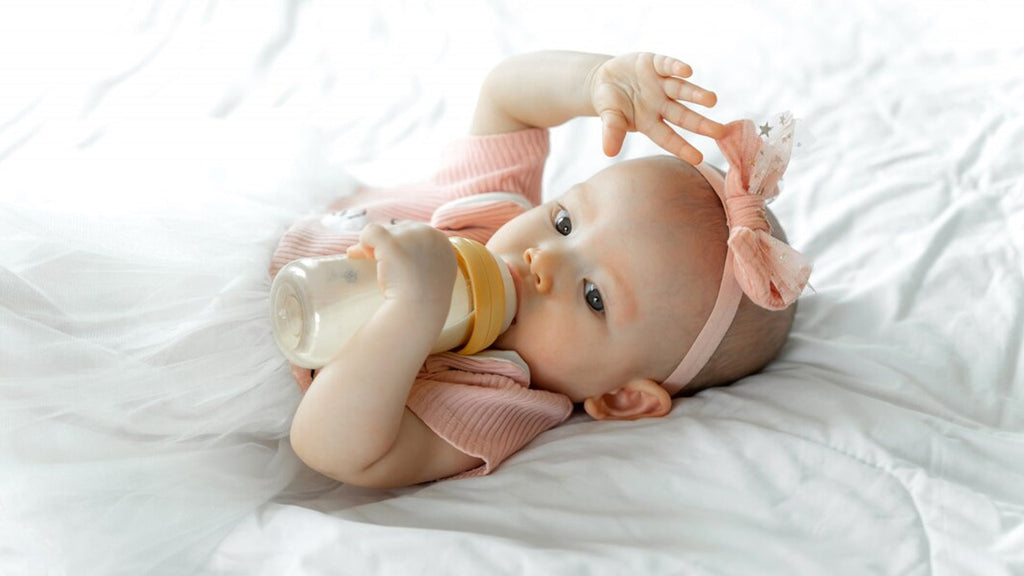
How to Safely Heat Milk for Your Baby: Tips and Techniques
Heating milk for your baby might seem like a simple task, but doing it safely is crucial to ensure your baby's health and comfort. The temperature at which you serve baby milk is important, regardless of whether you use formula or breast milk. Here's an in-depth guide on how to safely heat milk for your baby, including practical tips and techniques that every parent should know.
Understanding the Importance of Proper Milk Temperature
Babies have delicate digestive systems, and serving milk that is too hot or cold can lead to discomfort or health issues. Overheated milk can burn your baby's sensitive mouth and throat, while milk that's too cold might not be as comforting or might upset your baby's stomach. Maintaining an ideal temperature ensures that the baby milk is soothing and safe for your baby to drink.
Safe Ways to Heat Baby Milk
Using a Bottle Warmer:
A bottle warmer is a convenient and safe way to heat milk uniformly. It reduces the risk of hotspots, which are common when using microwaves. Here's how to use a bottle warmer:
- Fill the warmer with water as instructed by the manufacturer.
- Place the bottle in the warmer.
- Set it to the desired temperature. Most warmers have a setting that specifically mentions the ideal temperature for baby milk.
- Remember to test the milk temperature on your wrist before feeding your baby. It should feel lukewarm, not hot.
Water Bath Method:
This method involves heating water in a pot or a larger container and then placing the baby bottle in the hot water to warm:
- Heat water in a pot until it's warm but not boiling.
- Remove the pot from the heat source.
- Place the baby bottle in the warm water for a few minutes.
- Shake the baby feeding bottle gently to ensure even heating.
- Before feeding, feel the milk on the inside of your wrist.
Running Hot Tap Water:
If you're in a hurry or don't have access to a bottle warmer or stove, you can use hot tap water:
- Run hot water from the tap.
- Hold the bottle under running hot water, turning it continuously to evenly heat the milk.
- Regularly check the temperature until it's warm to the touch.
Tips for Heating Breast Milk
Breast milk requires careful handling to preserve its nutritional and immunological properties. Here are some tips specifically for heating breast milk:
-
Thaw Frozen Breast Milk Safely:
Breast milk can be thawed by running warm water over the bottle or by keeping it in the refrigerator for the entire night. Microwaves can damage nutrients and produce hotspots, so stay away from them. -
Avoid Refreezing:
Once breast milk is thawed, do not refreeze it. Use thawed breast milk within 24 hours. -
Gently Swirl, Don't Shake:
Gently swirl the bottle to mix the fat, which may have separated. Avoid vigorous shaking as it can break down some of the beneficial proteins in breast milk.
Precautions When Heating Formula
The formula doesn't contain the delicate immune properties of breast milk, but it still needs to be prepared with care:
-
Check Expiry Dates:
To be sure a formula package is safe to use, always check the expiration date. -
Follow Mixing Instructions:
Be precise with water and formula ratios to ensure proper nutrition.
-
Use Quickly:
Use freshly prepared formula within 1-2 hours if kept at room temperature or store it in the refrigerator for up to 24 hours if not used immediately.
Testing Milk Temperature
Testing the temperature of the baby milk is a critical step. Always test the milk by dropping a few drops on the inside of your wrist. The milk should feel warm, not hot. This area is more sensitive to heat, making it a reliable gauge for what your baby will feel.
Final Thoughts
Heating milk for your baby doesn't have to be a stressful process. By following these tips and techniques, you can ensure that the milk is at a safe temperature, preserving all the essential nutrients, whether you are using breast milk or formula. Remember, every baby is different; some might prefer their milk warmer, while others like it at room temperature. Understanding these preferences while keeping safety in mind will make feeding time a comfortable and joyful experience for both you and your baby. Always prioritize safe practices to turn mealtime into a nurturing moment that enhances bonding with your little one.

Burping Baby 101: Why It Matters and How to Do It Right!
Burping a baby is one of those parenting skills that might seem simple, but it holds immense importance in your little one's early months. It's not just about helping your baby stay comfortable; burping plays a crucial role in your infant's digestive health and overall well-being. In this blog, we'll explore why burping is necessary, how to burp your baby effectively, and some tips to make it easier for both you and your baby.
Why is Burping Your Baby Important?
Releases Trapped Air
During feeding, babies often swallow air, especially when they feed vigorously or if they are bottle-fed. This air can get trapped in their stomachs, causing discomfort, bloating, and fussiness. Burping helps to release this air, making your baby feel more comfortable.
Prevents Spit-ups and Gastrointestinal Issues
Trapped air can lead to spit-ups or even vomiting if not expelled. Regular burping helps minimize these occurrences by releasing the air that pushes milk and stomach contents back to the oesophagus.
Promotes Better Feeding Habits
When babies swallow air, they might feel falsely full, leading them to eat less than they need. Burping can make room in their stomachs for the right amount of milk, ensuring they get the nutrition they require.
How to Burp Your Baby?
The Timing
Most parents find it helpful to burp their babies during and after each feeding. If you're breastfeeding, try burping when switching breasts. If you're bottle-feeding, every 2-3 ounces is a good interval. However, if your baby is particularly gassy or prone to spit-ups, more frequent burping might be necessary.
Techniques to Burp Your Baby
There are several ways to burp your baby, and different methods may work better at different times or for different babies. Here are the most popular ones:
Over the Shoulder
Hold your baby against your chest so their chin is resting over your shoulder. Support their bottom with one hand and gently pat or rub their back with the other hand. This position is helpful because it uses gravity to aid the escape of trapped air.
Sitting on Your Lap
Place your baby on your lap facing away from you. Use one hand to support their body by holding their chest and chin (make sure not to squeeze their throat). Lean them slightly forward and pat or rub their back with your other hand.
Face Down Across Your Lap
Lay your baby face down on your lap, turned slightly to one side to ensure their airway is open. Support their chin and jaw with one hand (again, not putting pressure on the throat). Gently pat or rub their back with your other hand.
Tips for Successful Burping
Be Patient and Gentle
Sometimes, it may take a few minutes for the air to come up. Be patient and keep gently patting or rubbing your baby's back. The key is gentle pressure; too much force is not necessary and can be uncomfortable to your baby.
What to Do If Your Baby Doesn't Burp
Not all babies need to burp after every feeding. If your baby doesn't burp after a few minutes but seems comfortable and happy, it's okay to put them down. However, if they seem uncomfortable or fussy, continue trying or try again after a short break.
Handling Spit-ups
Even with effective burping, some babies might still spit up. This is usually normal. Keep a burp cloth handy during and after feedings to protect your clothes and clean up any mess. If spit-ups seem excessive or your baby appears to be in discomfort, consult your paediatrician to rule out any underlying issues.
Burping is a simple yet essential part of baby care that helps keep your little one comfortable and happy. While it may seem tedious at times, especially during night feedings, remember that it's helping your baby digest their food properly and stay healthy. With practice, patience, and persistence, you'll soon find what works best for burping your baby, making feeding times smoother and more enjoyable for both of you.
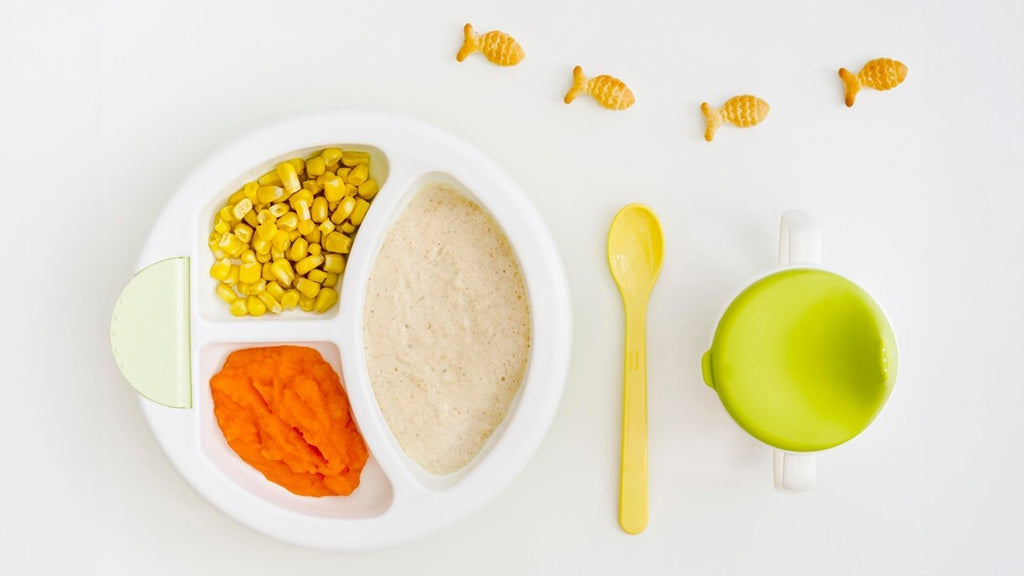
Homemade Baby Food: 2 Simple Recipes for Healthy Meals
Introducing your newborn to solid foods marks a significant milestone in their development, and it's a journey filled with excitement and wonder for both the parent and their little one. Crafting homemade baby food recipes not only helps you to tailor meals to your baby's needs but also creates a heartwarming bonding experience between parent and child. Here, we'll delve into the joys of this adventure and share two simple yet delightful baby food recipes to make this moment even more memorable. Let's infuse this process with the joy and magic it deserves!
Why Choose Homemade Baby Food?
Making baby food at home has numerous advantages. Homemade baby food is free from preservatives, artificial flavours, and added sugars that are often found in store-bought varieties. Additionally, preparing food at home is cost-effective and can save you money in the long run.
Homemade baby food also introduces your baby to the natural flavours of fruits, vegetables, and grains, helping them develop a taste for wholesome foods. This early exposure to a variety of flavours and textures can set the foundation for healthy eating habits later in life.
Essential Tips for Making Homemade Baby Food
Before we dive into the recipes, here are a few essential tips to keep in mind:
-
Choose Fresh Ingredients
Always opt for fresh, organic produce to ensure your baby gets the best nutrients without harmful pesticides or chemicals. -
Cook Thoroughly
Make sure to cook all fruits and vegetables thoroughly to make them soft and easy to puree. -
Hygiene is Key
Maintain a clean kitchen environment and wash your hands, utensils, and cooking surfaces to prevent contamination. -
Introduce One Food at a Time
Begin with single-ingredient purees to identify any potential sensitivities, then gradually introduce different foods.
Now, let's look at two simple and nutritious recipes that you can make at home.
Recipe 1: Carrot and Apple Puree
Carrots and apples are both rich in essential vitamins and minerals. This combination is not only nutritious but also has a naturally sweet taste that babies love.
Ingredients:
- Two medium carrots, peeled and chopped
- One medium apple, peeled, cored, and chopped
- Water or breast milk/formula (optional)
Instructions:
-
Steam the Vegetables
Start by steaming the carrots and apple pieces. Steaming helps retain the nutrients better than boiling. You can use a steamer basket over boiling water or a microwave steamer. Steam the carrots for about 10 minutes until they are tender, then add the apple pieces and steam for another 5 minutes until both are soft. -
Blend to a Smooth Puree
Once the carrots and apples are tender, let them cool slightly. Add them to a blender or food processor. Blend until smooth. If the mixture is too thick, you can add a little water, breast milk, or formula to reach the desired consistency. -
Serve or Store
Allow the puree to cool completely before serving it in a baby feeding bowl to your baby. You can store any leftovers in small airtight containers in the refrigerator for up to 48 hours or freeze them for up to a month.
Recipe 2: Rice and Lentil Khichdi
Khichdi is a traditional Indian comfort food that is perfect for babies. This rice and lentil dish is easy to digest and packed with nutrients. It's an excellent way to introduce your baby to more complex flavours and textures.
Ingredients:
- Two tablespoons rice
- Two tablespoons yellow moong dal (split yellow lentils)
- One small carrot peeled and chopped (optional)
- One small potato, peeled and chopped (optional)
- A pinch of turmeric
- Water
- A tiny pinch of cumin seeds (optional)
- A small piece of garlic (optional)
- A few drops of ghee (optional)
Instructions:
-
Rinse and Soak
Rinse the rice and lentils thoroughly under running water. Soak them in water for about 30 minutes to soften them, which helps in faster cooking. -
Cook the Khichdi
In a pressure cooker, add the soaked rice and lentils, along with chopped carrot and potato if using. Add a pinch of turmeric and enough water to cover the ingredients (about 2-3 cups). For added flavour, you can also add a tiny pinch of cumin seeds and a small piece of garlic. Pressure cook for about 2-3 whistles until everything is soft and mushy. -
Mash to Desired Consistency
Once the pressure releases naturally, open the cooker and mash the khichdi to the desired consistency using a spoon or a hand blender. If it is too thick, you can add a little more water or breast milk/formula. -
Add Ghee (Optional)
For an extra nutritional boost, consider adding a few drops of ghee to the khichdi. This adds healthy fats that are beneficial for your baby's growth and development. -
Serve or Store
Allow the khichdi to cool to a safe temperature before serving it to your baby. Store any leftovers in the refrigerator for up to 48 hours or freeze in small portions for later use.
Why Homemade Baby Food is the Best Choice
Homemade baby food allows you to control what goes into your baby's meals, ensuring that they are getting the best nutrition possible. By using fresh, organic ingredients, you can avoid preservatives, artificial flavours, and added sugars. This not only provides health benefits but also helps cultivate a palate for natural and wholesome foods.
Furthermore, homemade baby food can be tailored to your baby's taste preferences and dietary needs. It can be a more cost-effective option in the long run, as you can prepare meals in bulk and store them for future use.
Essential Tips for a Perfect Beach Day with Kids this Summer
A beach day with kids can be a great way to spend the summer, but it takes careful planning to ensure everything runs properly. There are various factors to consider, like carrying the appropriate gear and keeping your children safe and entertained. This blog contains a few tips to help you have a fantastic beach day with your children.
Preparation is Key
Before you head to the beach, make a checklist of all the items you need to bring. Preparation ensures that you have everything necessary to keep your children comfortable, safe, and entertained. This includes beach toys, sun protection items, food, and drinks. It's always better to be over-prepared than to realize you've forgotten something crucial once you're already at the beach.
Sun Protection
One of the most important aspects of a beach day is protecting your kids from the sun. Young children have sensitive skin that is more prone to sunburn. Apply a broad-spectrum SPF30 baby sunscreen lotion to your child's skin about 30 minutes before sun exposure. Reapply every two hours or after swimming. Choose a sunscreen made exclusively for babies, ensuring that it is mild on their sensitive skin. Make sure your children are wearing wide-brimmed hats to shield their faces and necks from the sun. Setting up a beach umbrella or tent provides a shaded area where your kids can take a break from the sun. This is especially crucial during peak sunlight hours, which normally occur between 10 a.m. and 4 p.m.
Beach Toys and Entertainment
Keeping your kids entertained at the beach is crucial for a fun day. Bringing along the right beach toys can make a significant difference. The beach munchkin bucket is a versatile toy that can provide hours of entertainment. Your kids can use it to build sandcastles, collect seashells, or even catch small sea creatures. It's lightweight, portable, and ideal for beach trips. If your children enjoy swimming, inflatable toys and floaties are great additions. They can float on the water safely and have fun splashing around.
Baby Care Essentials
When spending a day at the beach with a baby, having the right baby care essentials is critical. Baby wipes are indispensable for cleaning up messes, wiping sandy hands, and even cooling down your baby's skin. Choose wipes that are gentle and free of artificial fragrance to avoid irritation. Talc-free baby powder is perfect for removing sand from your baby's skin. Sprinkle some powder on their skin and brush off the sand effortlessly. This simple trick can keep your baby comfortable and free from irritation. Keep your kids hydrated by offering water frequently. Pack healthy snacks like fruits, crackers, and sandwiches to keep their energy levels up throughout the day.
Appropriate Beachwear for Babies
Choosing the right beachwear for your baby is essential for their comfort and protection. A Hand Embroidered Gather Top with Underpants is a cute and stylish outfit that is perfect for a beach day. The lightweight fabric keeps your baby cool, while the hand embroidery gives a touch of elegance. The underpants provide coverage and keep the sand out. A full-sleeved baby bodysuit set offers excellent sun protection for your baby's delicate skin. Look for ones made from breathable materials that dry quickly. This outfit is perfect for cooler beach days or when you need extra sun protection. An overlapping baby bodysuit is simple to put on and remove, making diaper changes a quick game. The design ensures that your baby stays comfortable, and the soft fabric is gentle on their skin.
Safety Tips
Always keep a close eye on your kids, especially when they are near the water. Designate a responsible adult to supervise at all times. Teach your children basic water safety rules, such as not swimming alone and understanding the dangers of strong currents. Pack a simple first aid kit that includes bandages, antiseptic wipes, and other items you'll need to heal small wounds. Dehydration can occur quickly under the sun. Ensure your kids drink plenty of water and take breaks in the shade to cool down.
After the Beach
After a fun-filled day at the beach, there are a few things to keep in mind. Rinse off the sand and saltwater from your kids' skin and hair. Check your child's skin for any signs of sunburn. If you notice redness or irritation, apply aloe vera gel or a soothing lotion to ease the discomfort.
A beach day with kids can be a delightful and memorable experience with the right preparation and care. By ensuring proper sun protection, bringing the right toys, packing essential baby care items, and choosing appropriate beachwear, you can create a perfect beach day for your family. Remember to prioritize safety, stay hydrated, and engage your kids in fun activities. With these tips, you are well-equipped to enjoy a wonderful day at the beach with your little ones this summer.