 Skip to main content


Baby Care & Parenting Blogs
07 Things to Know Before You Buy a Baby Cradle in India
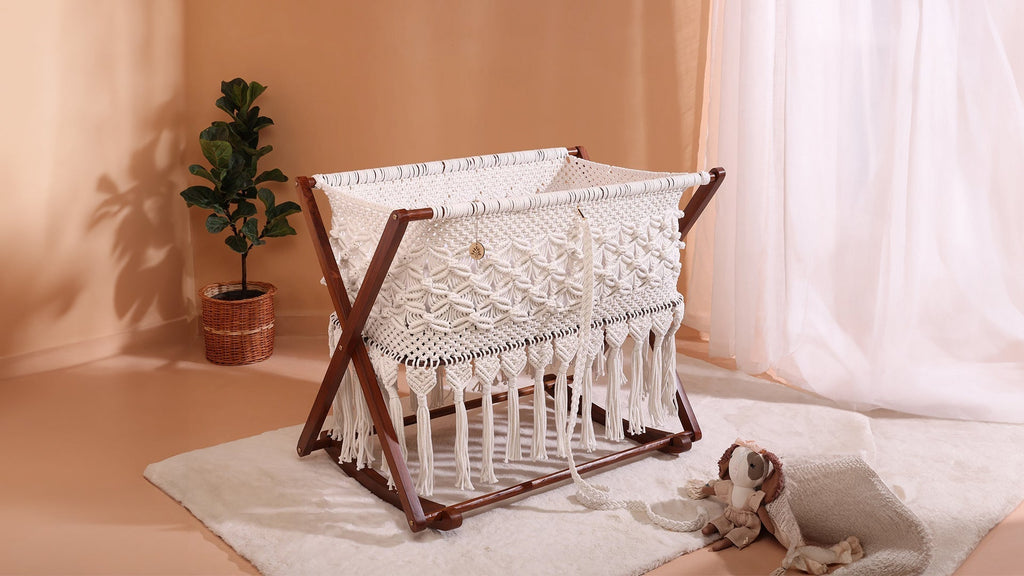
Buying a baby cradle is one of the most significant decisions for new parents, as it provides a safe and comfortable space for your little one to sleep. With various options available in the market, choosing the right cradle can be overwhelming. This guide will help you understand the essential aspects to consider before purchasing a baby cradle in India, ensuring you make an informed and thoughtful choice.
Importance of a Handmade Cradle
Handmade cradles are crafted with care and precision, often featuring unique designs and superior quality. Usually, these cradles are crafted by expert artisans who take great care to ensure both longevity and safety. A handmade baby cradle not only adds an aesthetic appeal to your baby's nursery but also provides a personal touch that mass-produced cradles lack. In India, handmade cradles are often made from natural materials like wood, which are safe and non-toxic for your baby.
Benefits of a Detachable Rocker
A detachable rocker is a valuable feature to look for in a baby cradle. The gentle rocking motion mimics the movements of a mother's arms, providing a sense of security and relaxation for your baby. This can be particularly soothing during nap times or when your baby is fussy. The ability to detach the rocker allows for versatility, as you can use the cradle as a stationary bed when needed. This feature ensures that the cradle can adapt to different situations and needs, making it a practical choice for parents.
Durability is Key
When buying a baby cradle, durability is a crucial factor to consider. You want a cradle that will last through your baby's early years and potentially be used for future siblings. Look for cradles made from sturdy materials like natural wood, which is known for its strength and longevity. A well-made cradle will endure normal wear and tear and give your child a secure place to sleep. Check for features like strong joints, smooth finishes, and stable bases to ensure the cradle's durability.
The Charm of Natural Wood
Natural wood cradles are a popular choice among parents due to their aesthetic appeal and safety. Wood is a durable and sturdy material that provides a stable sleeping environment for your baby. In addition, natural wood is suitable for young children because it doesn't contain any poisons or dangerous compounds. Wooden cradles also tend to have a timeless look, fitting seamlessly into various nursery themes and styles. Wood is also simple to keep and clean, so your baby's sleeping space will always be safe and hygienic.
Ease of Assembly
As a new parent, you'll appreciate a cradle that is easy to assemble. Look for cradles that come with clear instructions and all the necessary hardware. Choosing an easy-to-assemble cradle saves time and allows you to prioritize other duties. Additionally, an easy-to-assemble cradle can be conveniently moved and reassembled in different rooms as needed. This flexibility is especially beneficial in the early months, when you may want to keep your infant close at all times.
Value for Money
When investing in a baby cradle, it's important to consider the value of money. While it might be tempting to opt for the cheapest option, remember that a high-quality cradle will provide better safety, comfort, and durability. Consider the features, materials, and craftsmanship of the cradle to ensure you're getting the best value for your investment. A durable cradle can be used for several children and passed down to future generations, making it a good investment.
Baby Forest's macrame wooden baby cradle combines the beauty of handmade craftsmanship with the durability of natural wood. These cradles frequently contain complex macrame designs, which offer a sense of elegance to the nursery. The gentle, detachable rocking motion of a macrame wooden cradle mimics the soothing movements of a mother's arms, helping your baby feel secure and relaxed. Measuring approximately 36x36x20 inches, these cradles are ideal for babies up to 3 years of age, providing a comfortable and spacious sleeping area.
Related Read - A Guide to Creating the Perfect Sleep Space for Your Baby
Early Signs of Postpartum Complications: What to Look Out...
Experiencing the arrival of a new baby is a joyful and life-changing experience for parents. However, the postpartum period, the first six weeks after childbirth, can be a challenging time as the mother's body undergoes significant changes to recover from pregnancy and delivery. While many mothers recover without complications, some may experience postpartum complications that require immediate medical attention.
Recognizing the early signs of potential complications during pregnancy is crucial. By staying informed about these symptoms, expectant mothers can seek prompt medical care, which can greatly influence the pregnancy's outcome. This blog talks about early signs of postpartum complications to help you understand what to watch for and when to seek medical help.
What are Postpartum Complications?
Postpartum complications can occur for various reasons, including infections, cardiovascular issues, and mental health challenges. Preventing major health issues requires early discovery and treatment. Knowing the warning signs can make a significant difference in outcomes for new mothers.
1. Postpartum Hemorrhage (PPH)
One of the most serious postpartum complications is excessive bleeding, known as postpartum hemorrhage (PPH). PPH usually develops within 24 hours of delivery; however, it can sometimes arise up to 12 weeks later. It is distinguished by profuse bleeding that goes through more than one sanitary pad each hour or the passage of big blood clots. Other symptoms include dizziness, fainting, a rapid heart rate, and low blood pressure. If not treated promptly, PPH can lead to severe blood loss and shock .
2. Infections
Infections are another common postpartum complication that can occur in the uterus (endometritis), at the incision site of a cesarean section, or in the perineal area. Symptoms of an infection include a fever of 100.4°F (38°C) or higher, foul-smelling vaginal discharge, and pain or swelling at the incision or perineal area. Untreated infections can cause major health difficulties, so it's crucial to check for these indicators and seek medical attention if necessary.
3. Deep Vein Thrombosis (DVT)
Deep vein thrombosis (DVT) is a disorder in which blood clots form in deep veins, typically in the legs. This can be a risk if the clot spreads to the lungs and causes a pulmonary embolism. Symptoms of DVT include swelling, redness, warmth, and pain in one leg, typically the calf. The affected leg may feel tender, and the pain may worsen when walking. It is important to seek medical attention immediately if these symptoms are observed.
4. Postpartum Preeclampsia
Preeclampsia is a disorder that causes high blood pressure and excess protein in the urine during pregnancy, but it can also occur after birth. Postpartum preeclampsia typically occurs within 48 hours to six weeks after delivery. Warning signs include severe headaches that do not respond to medication, vision changes such as blurriness or light sensitivity, and swelling in the face, hands, or legs. Early diagnosis and treatment are essential to avoid consequences like seizures or stroke.
5. Cardiovascular Issues
Heart-related complications can also arise during the postpartum period. Peripartum cardiomyopathy, a type of heart failure that occurs during the last month of pregnancy or up to five months postpartum, can cause symptoms such as shortness of breath, chest pain, extreme fatigue, and a rapid heartbeat. These symptoms should not be ignored, as they may indicate serious cardiovascular issues that require immediate medical attention.
6. Mental Health Conditions
Mental health issues are common postpartum complications, ranging from the "baby blues" to more severe conditions such as postpartum depression (PPD) and postpartum psychosis. Postpartum depression symptoms include continuous melancholy, hopelessness, significant mood fluctuations, difficulties bonding with the infant, and suicidal ideation. Postpartum psychosis is a rare but significant mental illness that can cause hallucinations, delusions, and severe agitation. If these symptoms appear, seek immediate medical attention, as early intervention can result in better outcomes.
When to Seek Medical Attention
It's important to seek medical attention promptly if any of these symptoms occur. Early identification and treatment can greatly improve the outcomes for new mothers. The American College of Obstetricians and Gynaecologists (ACOG) recommends that postpartum visits be planned within the first three weeks of birth, followed by a full evaluation at 12 weeks. Additional visits may be necessary for those with specific health risks.
Prevention and Management of Postpartum Complications
While not all postpartum complications can be prevented, taking proactive steps can help manage risks. Discussing health history with an OB/GYN during pregnancy, attending all postpartum checkups, and staying in close contact with a healthcare provider if any unusual symptoms arise are essential measures. Developing a postpartum care plan before delivery and having support systems in place can also make a significant difference in managing postpartum health.
Related Read - Nourishing the New Mother: Ayurvedic Postnatal Care Practices
The postpartum period is a critical time for new mothers as they adjust to life with their newborns. Recognizing the early signs of postpartum complications can save lives and ensure a smoother recovery. Staying aware and vigilant allows new moms and their families to take proactive efforts to treat any health issues that develop, safeguarding the health of both mother and baby. Always consult with healthcare providers for personalized advice and care, and do not hesitate to seek help if any concerning symptoms occur.
9 Easy Tips to Encourage Self-Feeding for Babies
Encouraging your baby to self-feed is a significant milestone in their development. It fosters independence, enhances motor skills, and makes mealtimes more enjoyable for parents and children. Transitioning from spoon-feeding to self-feeding, especially through baby-led weaning, can be challenging, but it becomes a rewarding experience with the right approach. Here are eight easy tips to help you encourage your baby to self-feed, addressing common questions and concerns along the way.
Ensure Your Baby Is Ready
The first step in promoting self-feeding is ensuring your baby is ready for this new challenge. Most babies show signs of readiness between six and nine months. These signs include showing interest in food, reaching for objects, and being able to sit up without support. It's essential to remember that every baby develops at their own rate, so some may take more time to exhibit these signs. Being patient and attentive to your baby's cues is crucial during this transition.
1. Introduce Finger Foods
Introducing finger foods is a great way to start the self-feeding journey. Choose easy-to-grasp and chew foods, such as soft fruits like banana slices, steamed vegetables, and small pieces of cheese. These foods are perfect for baby-led weaning as they encourage your baby to pick up and taste different textures. Offering foods that can be easily picked up by small hands and do not pose a choking hazard is essential. Initially, your baby might play with the food rather than eat it, which is a natural part of the learning process.
2. Embrace the Mess
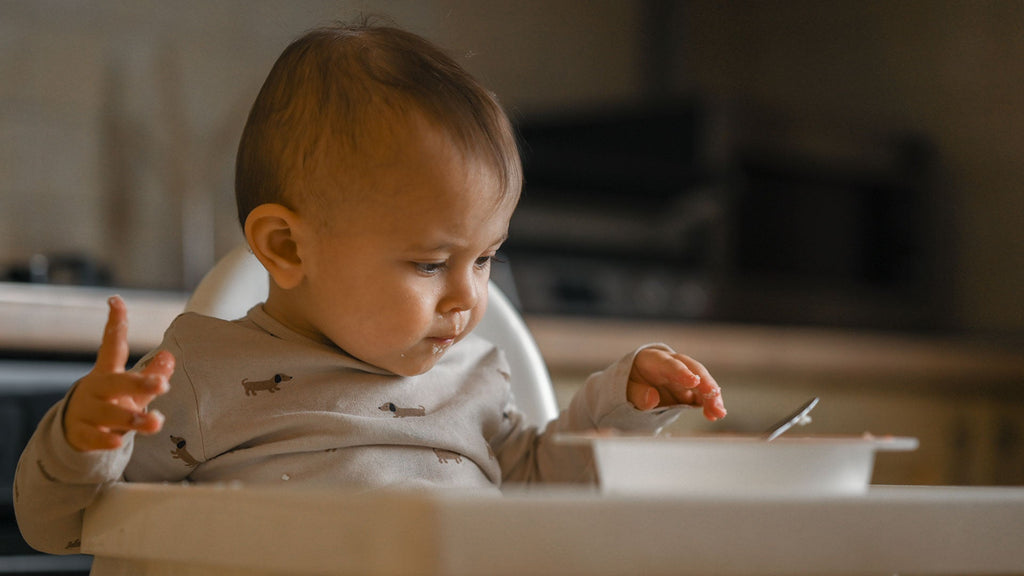
A common concern among parents is the mess that comes with self-feeding. Embracing the mess is important as it is a crucial part of your baby's sensory development. To manage the mess, use a highchair with a tray and place a mat or newspaper underneath to catch spills. You can use a bamboo feeding bowl, the silicone suction base prevents mealtime spills by securely gripping flat surfaces. This keeps your baby safely engaged as they learn to feed themselves, simplifying the weaning process for both mother and baby. It’s an easy-to-clean and durable choice for parents! Dressing your baby in a bib or an old shirt so that you don't mind getting dirty. Over time, as your baby becomes more proficient, the mess will decrease.
3. Create a Positive Mealtime Environment
Fostering a positive and relaxed mealtime environment promotes self-feeding. Babies are highly perceptive and can sense stress or frustration. Try to keep mealtimes calm and enjoyable. Sitting with your baby and eating together as a family whenever possible not only sets a good example but also helps your baby associate mealtime with positive experiences. Praise and encouragement go a long way in boosting your baby's confidence in their self-feeding abilities.
4. Introduce a Variety of Textures and Flavors
Variety is key to keeping your baby interested in self-feeding. Gradually introduce different textures and flavours to enhance their sensory experiences and help them develop a diverse palette. This is particularly important for weaning foods, as it helps babies adjust to new tastes and textures. It's normal for babies to be cautious about new foods. Offer a variety of foods regularly, but do not force your baby to eat. Allow them to explore and try new things at their own pace, fostering a more adventurous eater.
5. Use Baby-Friendly Utensils and Tools
Using the right tools can significantly aid the self-feeding process. Invest in baby-friendly utensils such as spoons with easy-to-grip handles and shallow bowls. Bamboo bowls and plates with suction bases can prevent them from being thrown or knocked over. These bamboo feeding plates are designed to make it easier for your baby to scoop and pick up food independently, making the self-feeding process smoother.
6. Establish a Consistent Mealtime Routine
Establishing a consistent mealtime routine helps your baby understand when to expect food, reduces fussiness, and makes them more willing to participate. Regular meal and snack times provide structure, making it easier for your baby to develop healthy eating habits. Avoid distractions like television or toys during mealtimes to help your baby focus on eating, reinforcing the importance of mealtime as a dedicated activity.
7. Gradually Introduce Utensils
As your baby develops and becomes more adept at self-feeding, gradually introduce utensils. Start with a spoon and let your baby practice dipping it into soft foods like yoghurt or mashed potatoes. Initially, they might use their hands in conjunction with the spoon, which is perfectly fine. The goal is to get them used to handling utensils and improve their coordination. Over time, your baby will become more adept at using utensils independently.
8. Address Choking Concerns
Addressing concerns about choking is crucial when encouraging self-feeding. Always supervise your baby during meals and ensure that the foods offered are appropriate for their age and chewing ability. Slice food into small, manageable pieces and steer clear of hard, round, or sticky items that could present a choking risk. Familiarize yourself with basic first aid for choking to be prepared in case of an emergency, ensuring a safe feeding environment.
9. Be Patient and Persistent
Patience and persistence are key when encouraging self-feeding. Self-feeding is a skill that takes time to develop. There will be days when your baby shows great progress and days when they seem uninterested or struggle. Celebrate small victories and provide consistent encouragement. Avoid expressing frustration or impatience, as this can create negative associations with mealtime.
Remember, the journey to self-feeding is unique for every baby. While it may be filled with messy moments and occasional frustrations, it is also a time of discovery and growth for both you and your little one. Don't stress if progress seems slow or if your baby faces challenges along the way. Trust the process, be patient, and celebrate the small victories. Your encouragement and support will help your baby develop confidence and joy at mealtime, making it a rewarding experience for your entire family.
Here's why Expectant Mothers Should Adopt Garbh Sanskar P...
The journey of pregnancy brings about profound physical and emotional changes in a woman's life. As modern lifestyles become increasingly hectic, expectant mothers are seeking holistic and balanced approaches to ensure the well-being of both them and their expected children. One such ancient practice gaining renewed interest is Garbh Sanskar. Garbh Sanskar emphasizes creating a positive, nurturing environment for the mother and baby-to-be during pregnancy, drawing from ancient Indian wisdom. In this blog, we will explore why expectant mothers should adopt Garbh Sanskar practices in their modern lifestyles and how they can integrate these beneficial routines into their daily lives.
What is Garbh Sanskar?
Garbh Sanskar, which translates to "education in the womb," is based on the belief that a child's mental, emotional, and physical development begins in the womb. The practice emphasizes the importance of a positive and joyful environment for the mother during pregnancy. According to ancient Indian wisdom, the mother's thoughts, emotions, and actions can significantly influence the forthcoming child's development. Modern science supports this notion, highlighting that a baby's brain development starts in the womb and is influenced by various external factors such as the mother's health, diet, and emotional well-being.
The Importance of a Positive Environment
Creating a positive environment is at the core of Garbh Sanskar. This practice encourages expectant mothers to maintain a cheerful and stress-free mindset. Stress and anxiety during pregnancy can significantly harm both the mother and the baby, potentially leading to serious complications such as premature birth or low birth weight. By adopting Garbh Sanskar practices, expectant mothers can cultivate a calm and positive atmosphere, which can significantly enhance the baby's cognitive and emotional development.
Integrating Garbh Sanskar into Modern Lifestyles
Incorporating Garbh Sanskar into a modern lifestyle may seem challenging, but it is entirely feasible with some thoughtful adjustments. Here are some practical ways expectant mothers can adopt Garbh Sanskar practices:
1. Meditation and Yoga
Meditation and prenatal yoga are essential components of Garbh Sanskar. These practices help reduce stress, improve focus, and maintain physical fitness. Expectant mothers can start their day with a few minutes of meditation, focusing on positive affirmations and deep breathing exercises. Prenatal yoga classes, under the guidance of a certified instructor, can provide physical benefits such as improved flexibility, strength, and reduced pregnancy discomforts.
2. Healthy Diet and Nutrition
A nutritious and well-balanced diet is essential for the health of the mother and the development of the baby. Garbh Sanskar emphasizes the consumption of fresh, wholesome foods rich in essential nutrients. Maintaining a nutritious and varied diet during pregnancy is crucial for both maternal health and fetal development. Pregnant women can significantly improve their health and the health of their babies by consuming a diverse range of fruits, vegetables, whole grains, and proteins every day. Staying well-hydrated and avoiding processed foods are equally important. Consulting with a healthcare provider or a nutritionist can help create a customized dietary plan that meets the specific nutritional requirements of pregnancy.
3. Engaging with the Child in the Womb
Garbhsamvad, or baby talk, is a unique aspect of Garbh Sanskar that involves communicating with the forthcoming child. Expectant parents are encouraged to talk, sing, and read to their baby in the womb. This practice helps in establishing a strong emotional bond and can positively impact the baby's cognitive development. Reading positive and uplifting literature, reciting poems, or simply talking about the day can create a nurturing environment for the baby.
4. Listening to Soothing Music
Music significantly influences emotions and serves as an effective tool for fostering a positive atmosphere. Listening to soothing and calming music, such as classical compositions or nature sounds, can help the mother relax and reduce stress levels. Many expectant mothers find comfort in listening to spiritual or instrumental music, which can also have positive effects on the baby's development.
5. Positive Thinking and Affirmations
Maintaining a positive mindset is crucial during pregnancy. Garbh Sanskar advocates for the use of positive affirmations to foster a nurturing environment. Expectant mothers can practice daily affirmations that reinforce feelings of love, strength, and positivity. This practice not only benefits the mother's mental health but also creates a harmonious environment for the child.
6. Spiritual and Moral Development
Engaging in spiritual activities such as prayer, reading religious or inspirational texts, and attending spiritual discourses can provide emotional and moral support during pregnancy. These practices help in cultivating positive values and virtues, which can be imparted to the child in the womb. Spiritual activities can also provide a sense of peace and fulfillment, contributing to a serene pregnancy experience.
Benefits of Garbh Sanskar
The benefits of Garbh Sanskar extend beyond pregnancy, positively impacting both the mother and the child in various ways:
-
Enhanced Cognitive Development
Engaging with the awaited child through music, reading, and conversation can stimulate brain development and improve cognitive functions. -
Emotional Well-being
A stress-free and positive environment helps in maintaining the emotional well-being of both the mother and the child. -
Strong Bonding
Practices like Garbhsamvad nurture a strong emotional connection between parents and the expected baby, which can continue to flourish after birth. -
Holistic Health
A balanced diet, regular exercise, and spiritual activities contribute to the overall health and well-being of the mother. -
Positive Mindset
Affirmations and positive thinking help develop a resilient and optimistic outlook that is beneficial for both the mother and the baby.
Adopting Garbh Sanskar practices in modern lifestyles offers expectant mothers a holistic approach to ensure the well-being of themselves and their children in the womb. By incorporating practices such as meditation, eating a healthy diet, bonding with the baby, listening to calming music, and maintaining a positive mindset, expectant mothers can establish a nurturing environment that supports optimal development. As science and tradition converge, Garbh Sanskar stands out as a timeless practice that aligns with the needs of modern life, offering profound benefits for both mother and child.

5 Cute Must-Have Summer Dresses for Baby Girl
Summer is the perfect time to dress your baby girl in cute, comfortable outfits that keep her cool and stylish. With so many adorable options available online, choosing the best summer dresses for your baby girl can be overwhelming. To help you out, we've compiled a list of five must-have summer dresses for baby girls. Whether you're looking for something handmade and unique or a classic embroidered piece, these dresses will ensure your baby girl looks her best all summer.
Easy-Breezy Summer Styles for Your Baby Girl

1. Hand Crochet Baby Girl Dress

A hand crochet baby girl dress is a timeless piece that combines charm and practicality. These dresses are made from soft, breathable yarn that keeps your baby cool in hot weather while providing enough warmth for cooler evenings. The intricate patterns and delicate designs make these baby dresses stand out for any occasion, from family gatherings to casual outings.
One of the best things about hand crochet dresses is their versatility. These dresses are also available in various colours and styles, allowing you to find the perfect one for your baby.
2. Hand Crochet Ombre Dyed Baby Girl Dress

If you're looking for a dress that adds a splash of color to your baby's wardrobe, a hand crochet ombre dyed dress is an excellent choice. These dresses feature a beautiful gradient effect, where colours blend seamlessly from light to dark, creating a visually stunning piece. The ombre dyeing process is done by hand, ensuring each dress is unique and has its own character.
The combination of crochet craftsmanship and ombre dyeing makes these dresses both stylish and functional. They offer the same breathability and comfort as regular crochet dresses but with an added touch of elegance. These baby girl dresses are perfect for photo shoots, birthday parties, or any special occasion where you want your baby to stand out.
3. Hand Embroidered Bodysuit

A hand-embroidered bodysuit is another must-have for your baby girl's summer wardrobe. These baby bodysuits are not only adorable but also incredibly practical. Made from lightweight, breathable fabrics like cotton, they keep your baby comfortable in the heat while providing ample coverage.
These bodysuits often feature snap closures at the bottom, ensuring quick and easy diaper changes.
4.Hand Embroidered Gather Top with Underpants

For a stylish yet comfortable outfit, a hand-embroidered gather top with matching underpants is a fantastic option. This ensemble includes a loose-fitting top with gathered details and coordinating underpants, making it both cute and practical. The hand embroidery on the top enhances its elegance, while the gathered design ensures a comfortable fit that allows ample freedom of movement.
This outfit is ideal for active babies who love to explore and play. The loose fit keeps your baby cool and comfortable, while the matching underpants ensure a cohesive look.
5. Smocked Embroidery Baby Girl Bodysuit

Smocked embroidery baby girl bodysuits combine classic style with modern comfort. Smocking is a decorative technique that involves gathering fabric in a way that creates beautiful, stretchy patterns. This not only adds visual interest to the bodysuit but also provides a flexible, comfortable fit for your baby. The bodysuit's charming embroidery makes it a delightful addition to your baby girl's summer wardrobe.
These bodysuits are perfect for any occasion, from everyday outings to special events. The smocking allows the baby bodysuit to stretch and move with your baby, providing a snug yet comfortable fit.

Tips for Taking Care of Your Baby During Summer
Summer can be a wonderful time for both parents and babies, but the hot weather also brings certain challenges. Here are some essential tips to help you keep your baby safe, comfortable, and happy during the summer months.
Keep Your Baby Hydrated
One of the most important things during summer is to ensure your baby stays well-hydrated. Babies are more susceptible to dehydration because they have a higher body water content than adults. If you are breastfeeding, nurse more frequently to keep your baby hydrated. If your baby is formula-fed, offer additional bottle feeds. For older babies, you can also offer small sips of water throughout the day.
Dress Your Baby Appropriately
Choosing the right baby clothing is crucial for keeping your baby comfortable in the heat. Dress your baby in lightweight, breathable fabrics like cotton to promote air circulation and absorb sweat. Avoid overdressing your baby; a single layer of clothing is usually sufficient. If you're going outside, a wide-brimmed hat can help protect your baby from the sun.
Protect Your Baby from the Sun
Babies have very sensitive skin, so it's essential to protect them from direct sunlight. Use a stroller with a canopy or a sunshade and consider investing in a baby sunhat with a wide brim. For babies older than six months, apply a broad-spectrum baby sunscreen with an SPF30 to exposed skin. Be sure to reapply every two hours and after swimming or sweating.
Give Frequent Baths
You can give your baby a lukewarm bath to help them cool down and feel refreshed. You don't need to use soap every time; a simple rinse with water can be enough to lower baby's body temperature. Make sure to dry your baby thoroughly and dress them in fresh, lightweight clothes after the bath.
Dressing your baby girl for summer doesn't have to be a daunting task. With these five cute must-have dresses, you can ensure she stays cool, comfortable, and stylish all season long. Each piece offers a unique combination of practicality and beauty, making them perfect for various occasions.
Remember to consider factors such as fabric quality, comfort, and ease of maintenance when making your selections. By choosing dresses that are both stylish and functional, you can create a summer wardrobe that your baby girl will love wearing. Happy shopping!
The Ultimate Baby Feeding Checklist: From Newborns to Tod...
Feeding your baby is one of the most important tasks you'll undertake as a parent. It can be most challenging, given the plethora of information and opinions out there. This comprehensive checklist will guide you from the newborn stage to toddlerhood, ensuring you have everything you need for every phase. We'll cover essential baby feeding products you will need during this period to feed your baby and provide answers to common questions parents have along the way.

Newborn Feeding Essentials (0-6 Months)
The initial six months of a baby’s life are vital for growth and development, with nutrition playing a significant role. Newborns typically feed every 2-3 hours, which means you need to be well-prepared.
-
Breastfeeding Essentials:
- A Nursing Pillow helps position your baby comfortably.
- Breast Pump is useful for expressing milk if you need to be away.
-
Nipple Cream helps soothe sore nipples.
-
Formula Feeding Essentials:
- Baby Feeding Bottle: Choose baby feeding bottles designed to reduce colic and gas. Bottles with different nipple sizes are ideal as your baby grows.
- Formula: Ensure its suitable for your baby's age and needs.
- Sterilizer: Keeps bottles and feeding equipment clean and safe.
Choosing Between Breastfeeding and Formula Feeding
Deciding how to feed your baby is a personal choice influenced by various factors such as health, lifestyle, and comfort. Here are some points you can consider before choosing one:
-
Breastfeeding
- It provides optimal nutrition and antibodies.
- It promotes bonding between mother and baby.
- It can be challenging initially but becomes easier with time.
-
Formula Feeding
- It offers flexibility, allowing others to feed the baby.
- It makes it easier to track the baby's intake.
- Requires preparation and cleanliness to ensure safety.
Transitioning to Solids (Around 6 Months)
Most babies start transitioning to solid foods around six months. This phase is exciting as it introduces your baby to new tastes and textures.
Signs Your Baby is Ready for Solids
Not all babies are ready for solids at precisely six months. Look for these signs:
- Sits up with minimal support.
- Shows interest in food, perhaps by reaching for it.
- They can move food to the back of their mouth and swallow.
Expanding the Palette (9-12 Months)
As your baby approaches their first year, their diet will begin to resemble that of a toddler. You can start introducing a wider variety of foods:
- Fruits and Vegetables: Soft-cooked or mashed fruits like bananas and papayas and vegetables like carrots and potatoes.
- Proteins: Small pieces of well-cooked chicken, fish, mashed lentils (dal), and beans.
- Grains: Small pieces of roti, soft-cooked rice, or tiny servings of idli or dosa.
Introducing Textures and Managing Mess
Around this age, babies are learning to handle different textures and self-feed. This can be messy but is an important part of a baby's development.
- Baby Bamboo Feeding Bowl and Plate: These are great for introducing solids. A feeding bowl and a bamboo feeding plate will be long-lasting, simple to clean, and environmentally friendly.
- Bib and Splash Mat: To help manage the mess during feeding time.
- Baby Spoons: Designed for small hands and mouths.
Toddler Feeding (12 Months+)
By the time your baby reaches their first birthday, they will be enjoying a variety of foods and participating in family meals. This stage is about encouraging healthy eating habits and ensuring a balanced diet.
Encouraging Healthy Eating Habits
- Routine: Establish regular meal and snack times.
- Variety: Offer different foods to ensure a balanced diet.
- Modelling: Eat healthy foods yourself, as toddlers often imitate adults.
- Patience: It may take several attempts before a toddler accepts new foods.
Additional Considerations
Feeding your baby isn't just about nutrition; it's also about creating a positive experience around food.
-
Allergies
Introduce common allergens like peanuts and eggs one at a time and watch for any reactions. -
Hydration
Make sure your baby is staying well-hydrated, particularly as they become more active. -
Supplements
Consult your paediatrician about any necessary supplements, like vitamin D, for breastfed babies.
Conclusion
Feeding your baby from newborn to toddlerhood is a journey filled with learning and adaptation. Keep in mind that every baby is unique, so be adaptable and patient as you navigate this exciting journey.
This ultimate baby feeding checklist is designed to help you through each stage, making the process smoother and more enjoyable for both you and your baby. Happy feeding!
Here’s everything you need to know about Sun Protection F...
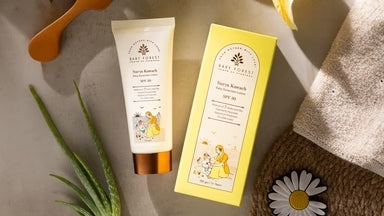
Babies are the happiness factor in a family when it comes to the family HQ (Family Happiness Quotient). With Summer at its peak, all parents must make sure that their baby must be sun protective at all times of the day. With so many options of sunscreens available in the market these days, it becomes a task to choose the best one for your little one. In this article, we get straight to the point and provide you with a well-elaborated overview of sunscreen usage for babies and all-around advantages for one’s health.
"Better a sun-kissed than sunburned!" This proverb has more relevance to baby skincare than anything else. Choosing the right baby sunscreen or sunblock, among other things, is an important step in the direction of security concerning the scorching summer heat & UV rays. Parents should look for more natural ingredients than chemicals when it comes to choosing the right sunscreen for their little ones.
Reading labels & making informed choices should be the goal of every parent before applying anything to their baby’s skin. The key requirement is a thorough understanding of the ingredients in the sunscreen and how they are aligned with the specifications for your baby’s skin. Alongside applying sunscreen, one must also ensure the baby is protected with a physical layer of clothing.
There is a very fine line between protecting the skin and protecting the skin with comfort. Organic cotton clothing ensures that the skin area is aerated to avoid overheating. Studies suggest that when using Sunscreen, one must dress the little ones in breathable clothing.
Understanding the concept of UV rays
The UV rays on earth are majorly of two types UVA & UVB rays. While UVA reaches the earth at about 95%, UVB reaches the rest at 5%. As mentioned, Sunlight is good for the baby, one must make sure that the baby is exposed to the morning sunlight only for a reason (The morning UV rays are UVB(generally good for the skin). UVB rays delay tanning & don’t age skin cells. When it comes to the Sun Protection for babies, there is science involved. At birth, the babies are born with a lesser amount of Melanin in their skin, with development in the next 6 months.
SPF (Sun Protection Factor) ranked on the seal is also a vital element to bear in mind. Babies & kids need SPFs of 15 to 30. Therefore, doctors and dermatologists commonly recommend it. A mild range could have provided ample protection without being too harsh on the baby's skin. Parents need to understand that, SPF is not a factor in being protective from sun rays, rather SPF rating denotes protection from UVB rays. Higher SPF doesn’t mean better protection, rather, is directly proportional to the duration of sun protection. Applying and reapplying sunscreen isn't enough, even SPF can only show its real effectiveness in sun exposure combined with other factors.
Specialists believe that having sunscreen should take at least 15 to 30 minutes before one dives into the sun. This makes sure that the sunscreen is absorbed completely by the skin and that all its protective factors can be utilized completely. The most important thing is reapplication of SPF every 2 hours to stay above that optimal protection where the exposure time is extended by the sun.
But while we talk about the application of sunscreen, it is always recommended to do a patch test on your baby as recommended by the FDA, as their skin is delicate and sensitive & might get affected by any ingredient of the product. As mentioned, higher SPF doesn't necessarily mean better protection against the sun despite the myths around the number. SPF 15 blocks out about 93% of UVB radiation, while SPF 30 offers 97% protection. If you use an SPF rating of 50 and above there is not significant protection increase.
As per reports, it is always recommended to use natural ingredients like Sea Buckthorn, Cocoa Butter, & Daffodil that not only protect the baby’s skin but also hydrate & enrich their skin as well. These elements don't just make the products effective but also help to support the baby`s skin's overall health and well-being at the same time.
In conclusion, the need to apply sunscreen to babies should be stressed tremendously. Sunscreen offers much more than UV protection to the skin of a baby. It guards against sunburn and shields from long-term harm to the skin, making it mother's primary skincare partner. Sustaining the experts' recommendations and acknowledging the parents to be alert will ensure that the infants' delicate skin soaks in the sun's rays under the protective covering on the right note, by no means affecting the little one's skin health.
Related Read - The Importance of Sun Protection: Why Baby Sunscreen is a Must
Related Blog - Top Summer Baby Care Essentials for Your Little One
How to Dress Your Baby for a Comfortable Sleep
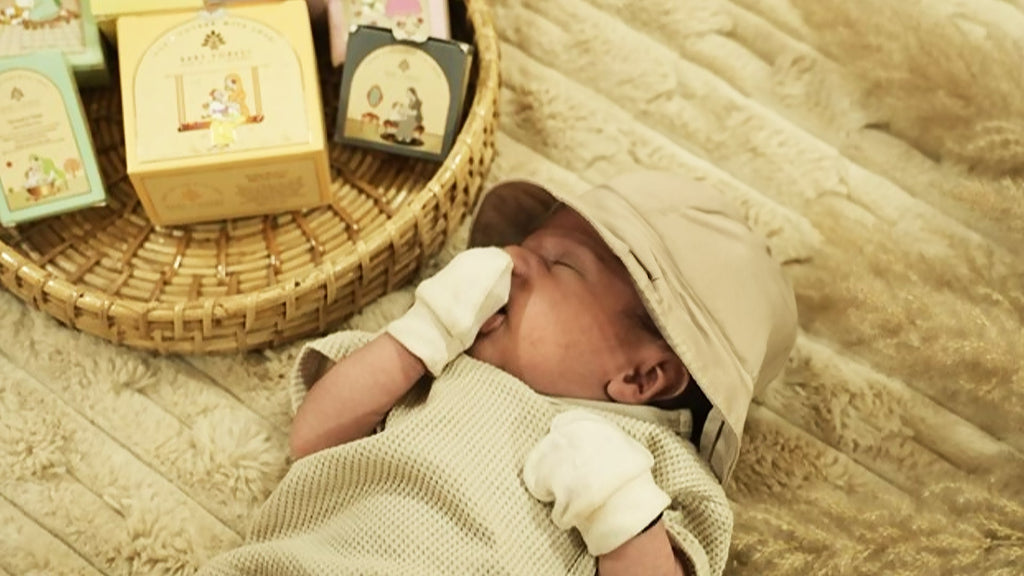
Parents are always concerned about their newborn's well-being, and ensuring their baby gets a comfortable night's sleep is one of the top priorities. Proper baby clothing plays a significant role in this. Here's a comprehensive guide on how to dress your baby for a restful night's sleep.
Understanding Your Baby's Sleep Environment
Before diving into some baby clothing options, it's crucial to understand the sleep environment, as it directly impacts on how you should dress your baby to sleep.
Room Temperature:
The ideal room temperature for a baby's sleep is between 68-72°F (20-22°C). This range helps ensure your baby is comfortable without overheating or getting too cold. Using a room thermometer can help you maintain this ideal temperature.
Bedding:
The American Academy of Pediatrics (AAP) advises against using loose blankets, pillows, or stuffed animals in your baby's crib as they pose suffocation and strangulation risks. Instead, opt for fitted sheets and sleep sacks or wearable blankets.
Safe Sleep Practices:
- It is advised to always lay babies on their backs when sleeping to lower the risk of Sudden Infant Death Syndrome (SIDS).
- Ensure the crib mattress is firm and covered with a tightly fitted sheet.
- Keep the crib free from any soft items, including crib bumpers.
Choosing the Right Baby Sleepwear
Dressing your baby appropriately for sleep involves selecting the right type of baby clothing based on the season and room temperature. Let's explore some popular options and when to use them.
Swaddling
Swaddling is the practice of snugly wrapping your baby in a swaddle blanket, creating a cosy atmosphere that helps them feel safe and sleep better.
Benefits of Swaddling:
-
Reduces Startle Reflex:
Swaddling helps suppress the Moro reflex or startle reflex, which can wake your baby up. -
Promotes Sleep:
The snug feeling help babies feel more secure and calm, promoting better sleep. -
Safety:
Proper swaddling can prevent your baby from rolling onto its stomach, a position linked to SIDS.
How to Swaddle?

- Lay the Swaddle Flat: Spread the baby swaddle out flat, with one corner folded down.
- Place Your Baby: Lay your baby on their back with their shoulders below the folded corner.
- Wrap One Side: Bring one side of the swaddle over your baby's body, tucking it under their back on the opposite side.
- Fold the Bottom: Lift the bottom of the swaddle to cover your baby's feet.
- Wrap the Other Side: Bring the other side of the swaddle across your baby's body, tucking it under their back on the opposite side.
Related Read - The Essential Guide to Perfect Swaddling: Techniques and Tips for New Parents
Full-Sleeve Bodysuits
Full-sleeve bodysuits, also known as sleepers or onesies, are excellent for keeping your baby warm without the need for additional blankets.
Features to Look For:- Breathable Fabrics: Cotton is an excellent option because it is soft, breathable, and gentle on your baby's skin. Organic cotton is even better, as it is free from harmful chemicals.
- Snap or Zip Closures: These make diaper changes easy during the night.
- Footed Options: Footed sleepers keep your baby's feet warm, eliminating the need for socks, which can come off during sleep.
When to Use:
- Full-sleeve bodysuits are ideal for cooler nights or air-conditioned rooms. They provide full coverage, ensuring your baby stays warm throughout the night.
Sleep Sacks and Wearable Blankets
Sleep sacks are wearable blankets that reduce the risk of suffocation associated with loose blankets while providing warmth.
Types of Sleep Sacks:
-
Lightweight Sleep Sacks:
Made from cotton or muslin, these are ideal for warmer nights. -
Fleece or Quilted Sleep Sacks:
These are suitable for cooler temperatures and provide extra warmth.
How to Choose:
- Select a sleep sack based on the room temperature and your baby's age. Ensure it fits snugly around the neck and armholes but is roomy enough for leg movement. Avoid sleep sacks with hoods to prevent overheating.
Dressing for Different Seasons
The season significantly influences how you should dress your baby for sleep. Let's break it down by season.
Summer
During hot weather, it's important to keep your baby cool to prevent overheating.
Recommended Clothing:
-
Short-Sleeve Bodysuits or Rompers:
The rompers provide coverage while allowing better airflow. -
Lightweight Sleep Sacks:
Made from breathable materials like cotton or muslin, they keep your baby comfortable without overheating. -
Just a Diaper:
On particularly hot nights, dressing your baby in just a diaper and a light swaddle or sleep sack may be sufficient.
Tips:
- Ventilation: Keep the room well-ventilated. Use a fan to circulate air, but do not point it directly at the baby.
- Hydration: Ensure your baby is well-hydrated, especially if they are breastfeeding.
Related Read - 5 Best Summer Clothing for Baby Boys
Winter
In colder weather, layering is key to keeping your baby warm.
Recommended Clothing:
-
Full-Sleeve Bodysuits with Footed Bottoms:
These provide full coverage and keep your baby's body and feet warm. -
Fleece Sleep Sacks:
They offer additional warmth compared to cotton sleep sacks and are perfect for cold nights.
Signs Your Baby is Comfortable
To make sure your baby is neither too hot nor too cold, watch for these signs:
Comfortable Temperature:
-
Warm to Touch:
Your baby should feel warm but not sweaty. -
Calm and Sleeping Soundly:
A comfortable baby will typically sleep well and appear calm.
How to know if the baby is feeling too hot:
-
Sweating or Damp Hair:
Check for dampness on the back of the neck. -
Flushed Cheeks:
Overheating can cause a flushed appearance on the face.
How to check if the temperature is too cold for the baby:
-
Cold Hands and Feet:
It's normal for a baby's extremities to be slightly cooler, but they shouldn't be cold to the touch. -
Shivering or Restlessness:
If your baby is shivering or seems unusually fussy, it might be too cold.
Additional Tips for a Comfortable Night's Sleep
Monitor Room Temperature:
Use a room thermometer to keep the nursery at the recommended temperature. Adjust clothing as needed to maintain comfort.
Layer Wisely:
It's better to use several light layers that can be added or removed rather than one heavy layer.
Quality Fabrics:
Opt for natural, breathable fabrics like organic cotton or bamboo. It is advisable to avoid using synthetic materials as they tend to trap heat, which may cause overheating.
Regular Checks:
Periodically check your baby's temperature by feeling their chest or back, as hands and feet can be misleading.
Dressing your baby for a comfortable night's sleep is about finding the right balance between warmth and breathability. Pay attention to the room temperature, choose appropriate clothing, and monitor your baby's comfort throughout the night. By doing so, you'll help ensure that both you and your baby enjoy a restful and safe night's sleep.

The Importance of Choosing the Right Teether for Your Bab...
Teething marks one of the most exciting yet challenging milestones in a baby’s early development. The teething typically begins around six months of age; however, it can start anytime between three and twelve months.
During this stage, babies may experience sore gums and discomfort. So choosing the right baby teether can help soothe their gums and provide much-needed relief, making the teething journey easier for both babies and parents..
However, not all teethers are created equal. Choosing a suitable teether is crucial for a baby's comfort, safety, and overall oral health. Parents who want safe, gentle options for their little ones can trust natural rubber baby teethers for comfort and care. These teethers not only help ease teething pain but also support healthy oral and sensory development. This article explores why choosing the right baby teether matters and what key factors parents should consider before making a decision.
What is Teething?
Teething occurs when a baby’s first teeth start pushing through the gumline, marking an important stage in their early growth and development. The first teeth to emerge are usually the bottom front teeth (lower central incisors). The top front teeth typically follow about 4–8 weeks later. During this period, the baby might show signs of discomfort, such as drooling more than usual, being fussier, or trying to bite and chew on things.
At this stage, a safe, soft teether can make a remarkable difference. The best natural rubber teethers are designed to reach both front gums and back molars, providing comfort throughout every teething phase.
*Incisors: These are one of the eight sharp teeth at the front of the mouth that are used for biting
Why Choosing the Right Baby Teether Matters?
Teething may feel brief when a single tooth is emerging, but the entire teething journey actually spans several years, bringing along plenty of big emotions for both babies and parents throughout the process. A good teether can be a great help during those difficult days.
Here are a few reasons why teethers are such an important part of a baby’s teething journey. They help during those difficult days, not just as something for babies to chew on, but as a small source of comfort they can rely on when their gums feel sore or inflamed.
-
Babies naturally look for something to bite when teeth begin to push through, and a good teether gives them a safe, soothing outlet for that urge.
-
The gentle pressure from chewing helps calm irritated gums while also supporting early oral development as those first teeth start to grow.
-
Parents often prefer non-toxic, BPA-free options, especially natural ones. A natural rubber baby teether feels soft in a baby’s mouth and gives that comforting bounce that tiny gums enjoy.
-
Different textures can make a big difference, too. Little ridges or patterns help massage tender spots and also give babies a chance to explore new sensations.
-
It also helps when the teether is light and easy for those tiny hands to hold. Babies love being able to control what goes into their mouths, and it boosts their early motor skills without them even realizing it.
-
And of course, parents appreciate a teether that’s simple to wipe clean and use again, because teething can get messy quickly.
-
A thoughtfully designed rubber teether for babies also keeps safety at the forefront with smooth edges, baby-safe shapes, and a size that minimizes choking risks.
Choosing the right teether isn’t just about soothing gums. It’s about giving your little one something safe, familiar, and comforting to hold onto while they go through one of their very first milestones.
How to Know When a Baby Needs a Teether
Introducing a teether at the right time can help ease a baby’s discomfort during the teething phase. Parents can consider offering one when the baby begins putting hands in the mouth or chewing on fingers—clear signs that gum irritation has started. Teething often begins around three months of age, as babies explore their surroundings through touch and taste, though the exact timing can differ from one baby to another. Here are a few clear signs that your baby might be ready to use a best baby teether:
-
Chewing more frequently on toys, fingers, or nearby objects
-
Drooling more than usual
-
Becoming unusually fussy or irritable without a clear reason
-
Gums appearing red, swollen, or tender where new teeth are coming in
-
Trouble sleeping or waking up more often at night
-
Reduced appetite during teething phases
-
Rubbing cheeks or tugging at ears because of gum discomfort
When these signs appear, offering a safe teether can bring quick comfort, and prevent babies from chewing on unsafe household objects.
Factors to Consider When Choosing a Baby Teether
-
Material Safety
The foremost consideration is the safety of the material. Always look for teethers made of non-toxic, BPA-free materials. Common safe materials include silicone, rubber, and organic cotton. Each material offers different textures and firmness, so parents might want to try a few to see which one the baby prefers. -
Texture and Hardness
The texture should be firm enough to provide necessary pressure against the gums but not so hard that it could hurt the baby's tender gums. Many baby teething products come in various textures, which can be more soothing and engaging for the baby. -
Size and Shape
The teether for a baby should be large enough so that there is no risk of choking, but easy for small hands to hold and manipulate. Many teethers come in shapes that babies can easily grip, like rings or characters. Also, ensure it can reach all the areas in the mouth where teeth are developing. -
Ease of Cleaning
Hygiene is critical when it comes to anything in the baby's mouth. When selecting teethers, choose ones that can be easily cleaned with soap and water or are dishwasher-safe to ensure they remain germ-free. -
Cooling Feature
Some baby teether toys can be cooled in the refrigerator, providing extra soothing qualities. The cold can help numb the gums and reduce inflammation. However, avoid freezing teethers, as extreme cold can be harmful.

Tips for Safe Usage
-
It is important to check the teether on a regular basis for any signs of damage or wear. This will help ensure that it is safe for use and prevent any potential harm to the baby. Immediately discard if any parts pose a choking hazard.
-
It is important to supervise the baby while using a teether to prevent choking hazards and ensure safety.
-
Keep teethers clean and dry when not in use.
Primarily, avoid:
-
Liquid-filled teethers that could leak or break during chewing
-
Teethers with small decorative pieces that might become choking hazards
-
Teething gels or medicines containing benzocaine or lidocaine
-
Teething necklaces, bracelets, or anklets that can pose strangulation or choking risks
Conclusion
Teething is one of the first major challenges parents face as their baby grows. Finding the right teething products becomes essential, as they help soothe sore gums and provide much-needed comfort to the baby. A safe, high-quality baby teether isn’t just a toy; it’s a comforting companion during one of the first big challenges of infancy. Every baby is different, so finding the perfect teether may take a little trial and patience. But once parents discover what works best, it makes the teething journey calmer for both the baby and the family.
With the right teether and plenty of care and cuddles, teething becomes just another gentle step in growing up. Happy teething!
5 Best Summer Clothing for Baby Boys
With the summer being hotter, dressing your baby boy in comfortable and stylish outfits becomes a priority for many parents. Choosing the right summer clothing can keep your baby cool during the hotter months and ensure they look adorable and comfortable all the time. In this blog, we will explore essential summer clothing for baby boys, considering the delicate nature of their skin and the need for mobility and comfort.
Summer Care for Babies
Summers can be a challenging time for babies due to their sensitive skin and vulnerability to heat. Lightweight and breathable fabrics are key here; they allow air circulation and prevent overheating. Additionally, choosing outfits with easy access for diaper changes and made from soft materials are essential tips for both comfort and convenience.
5 Best Summer Clothing for Baby Boys

1. Cotton Linen Romper Set

The Cotton Linen Romper Set is a top choice for any summer occasion. This outfit includes a soft shirt paired with a romper, making it ideal for both indoor play and outdoor gatherings. The fabric's blend ensures it is lightweight and breathable, providing your baby comfort throughout the day.
2. Checkered Shirt with Off-White Cotton Linen Romper Set

The elegance of the Off-white Cotton Linen Romper Set lies in its gentle fabric that ensures your baby's comfort. Accompanied by a stylish checkered shirt, this outfit is perfect for more formal summer events or family photoshoots, keeping your little one both cool and charming.
3. Embroidered Shirt with Trouser Set

For special occasions, the Embroidered Shirt with Trouser Set stands out with its detailed embroidery and high-quality Tencel fabric. The material is renowned for its softness and breathability, ideal for a baby's sensitive skin. The notch collar and botanical Aari hand embroidery enhance the outfit's elegance, making your baby boy the star of any event.
4. Overlap Knotted Bodysuit

The Overlap Knotted Bodysuit is designed for ultimate comfort and flexibility. It features an adjustable knot detail that not only adds style but also allows for easy size adjustments as your baby grows. The breathable fabric ensures your baby stays cool, making it perfect for playtime or naptime.
5. Short Sleeves Baby Bodysuit Set

This ensemble is the epitome of convenience and comfort. The Short Sleeves Baby Bodysuit Set includes a bodysuit with snap buttons for easy dressing and undressing. Accompanied by a matching cap, mittens, and booties, it provides a complete outfit that keeps your baby protected and comfortable during the hot days, whether indoors or out.
Things to Consider Before Buying Summer Clothing for Baby Boys
When buying summer clothes for baby boys, keep a few things in mind to make sure they are comfortable and practical. First, choose baby clothes made of light and airy fabrics like cotton, which helps keep your baby cool and comfy. Look for clothes with simple snaps or zippers, which make changing diapers and clothes easier. It's also good to choose outfits that can protect your baby from the sun, or you can add a sun hat to shield them on sunny days. Pick clothes that are easy to wash since babies often get dirty during summer play.
Additional Tips
-
Fabric First
Always choose fabrics that are soft, breathable, and lightweight, such as cotton and linen. -
Protection is Key
For sunny days, ensure the outfit covers sensitive areas without overheating. Adding a lightweight hat can protect your baby's face and neck from the sun. -
Ease of Use
Opt for garments with snaps and zippers for easy changes. -
Layer Smartly
Even in summer, evenings can get chilly. Have a light sweater or jacket on hand in case the temperature drops.
Dressing your baby boy in comfortable, breathable, and stylish clothing is essential during the summer. By choosing the right fabrics and styles, you can ensure your baby enjoys the summer safely and in great spirits. Whether it's a day at the park, a special occasion, or just a comfortable day at home, these outfits will keep your little one cool and adorable.
Top Summer Baby Care Essentials for Your Little One
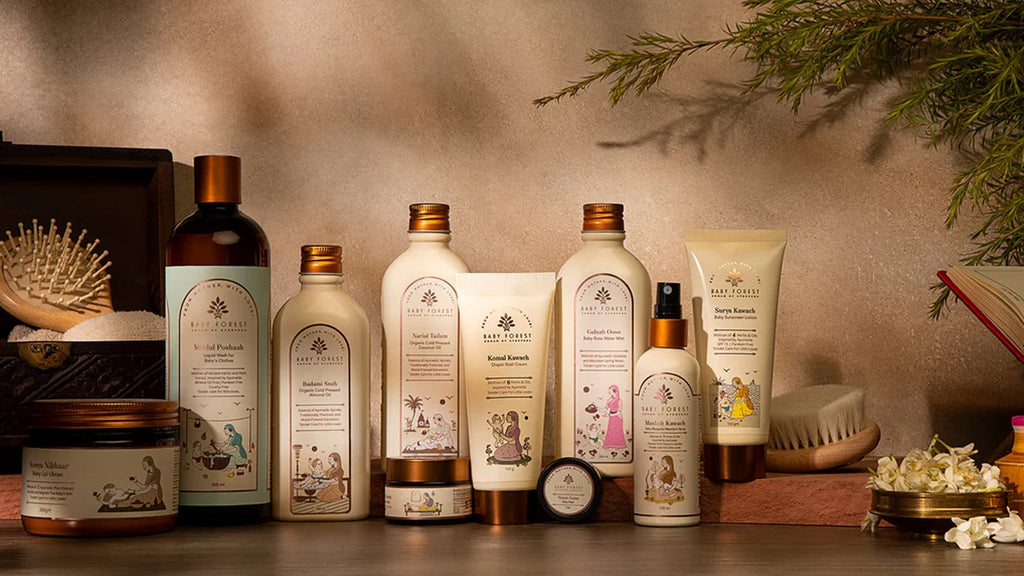
With the changing weather and the temperatures rising, the days grow longer, so ensuring your little one remains comfortable and protected through the summer months becomes a priority. You must take care of your little one, especially during the hot summer days. In this blog, we have curated a list of essential summer baby products and tips to keep your baby happy and healthy during the warm season. From baby skincare to travel essentials, we have a detailed guide designed to cater to your baby's unique needs this summer.

Baby Skincare and Bathing
Summer calls for extra care and attention to skincare and bathing to prevent irritation and keep your baby's skin healthy. The two must-have products are:
Water Baby Wipes

These water wipes are ideal for sensitive skin. They are infused with purified water and free from harsh chemicals, ensuring a gentle cleanse every time.
Rash Healing Cream

With the heat leading to more frequent cases of diaper rash, a reliable cream is essential to soothe and protect your baby's delicate skin.
Baby Sunscreen Lotion

The delicate skin of babies is particularly vulnerable to the harmful rays of the sun. Choose a sunscreen specially formulated for babies, with a high SPF to provide effective protection against UVA and UVB rays. You should apply the baby sunscreen 30 minutes before going out, and reapply frequently to ensure your baby stays protected under the sun.
Keeping your baby cool and comfortable outside is crucial during the hot weather.
Summer Clothing
We opt for warm clothes for winter, and similarly, for summer, it is essential to look at lightweight and breathable fabrics. You can get a crochet baby girl dress or a knotted bodysuit that allows air circulation and keeps your baby cool and stylish.
Baby Rose Water Mist

A refreshing mist can soothe and cool your baby's skin throughout the day. It's perfect for a quick refresh, especially after playtime or when outdoors.
Talc-free Baby Powder

Applying talc-free baby powder after a bath or during diaper changes can help absorb extra moisture and prevent heat rash.
Ensuring your baby is well-hydrated and comfortable is easier with these gentle and effective products.
Baby Body Lotion

After a day out, moisturizing your baby's skin with a baby body lotion helps restore any moisture lost due to exposure to the elements and can help in calming any minor irritations. This routine can help protect your baby's skin from environmental stressors.
Here are some additional tips for summer care to ensure your baby's comfort and safety during the hotter months:
-
Choose the Right Time for Outdoor Activities
Plan outdoor activities during the cooler parts of the day, typically in the early morning or late afternoon. Avoiding the peak sun hours between 10 a.m. and 4 p.m. can help minimize sun exposure. -
Use a Lightweight Stroller with a Sunshade
When taking your baby out for a stroll, use a lightweight and breathable stroller, and make sure it has a sunshade to protect your baby from direct sunlight. -
Dress Weather Appropriate
Dress your baby in loose, lightweight, and light-coloured clothing that covers as much skin as possible. Fabrics like cotton help keeps the skin cool by allowing it to breathe. -
Maintain a Cool Indoor Environment
Use fans, air conditioners, or open windows to create a comfortable and relaxed indoor environment. Consider using a room thermometer to keep track of the temperature, ensuring it's not too hot or too humid. -
Frequent Baths or Cool Washes
Giving your baby a cool bath or gently wiping them down with a damp cloth or baby wipes can help reduce body temperature and soothe irritated skin. -
Monitor Fluid Intake
Ensure your baby is well-hydrated. If they are exclusively breastfed, they might need to nurse more often. If your baby is older and eat solids, offer small amounts of water throughout the day. -
Regularly Clean and Check Baby Gear
Clean all baby gear using a baby-friendly toy and surface cleaner. Including strollers, car seats, and play mats, as heat and humidity can cause bacteria and mold to grow faster than usual.
Summer brings a host of new adventures for you and your baby, but it also calls for a shift in the caregiving routine. You can ensure that your little one enjoys the season safely and comfortably by choosing the right products, such as lightweight cotton clothing, gentle skincare items, and proper sun protection. With this, you can enjoy the sunny days ahead with peace of mind, knowing you're fully equipped to handle the heat!
With these summer essentials, your baby will be well-prepared to face the warm months, and you can enjoy this vibrant season with less stress and more joy.
How to Choose the Right Pacifier for Your Baby's Comfort ...
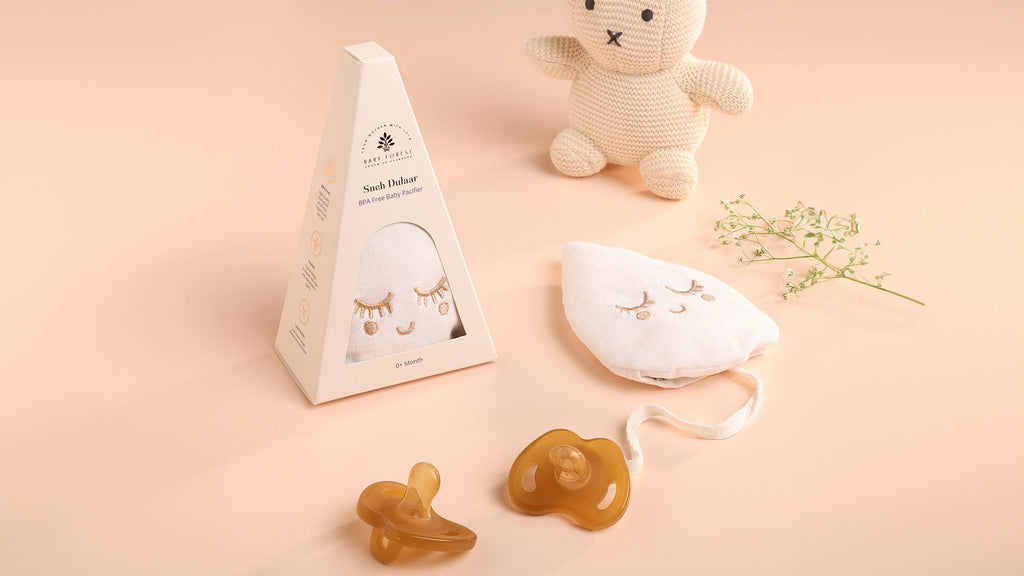
A pacifier for baby can be incredibly helpful for parents, as it can calm a restless baby, encourage sleep, and lower the risk of Sudden Infant Death Syndrome (SIDS). But with so many options in the market, choosing the right pacifier for your baby's comfort and sleep isn't always easy. This blog will guide you through everything you need to know about selecting, using, and maintaining the right pacifier for your baby.
Understanding Baby Pacifiers
Pacifiers are small, nipple-like gadgets made specifically for babies' oral comfort. They come in various shapes and materials, but their primary function is to provide a soothing effect that mimics the comfort babies get from breastfeeding. A good pacifier can significantly calm your baby, helping them feel secure and relaxed, which promotes better sleep.
Selecting the Right Baby Pacifier
When choosing a pacifier, consider these important features:
Material
Look for pacifiers made from food-grade silicone that are durable, soft, and BPA-free to ensure your baby's safety.
Design
A low-friction, flexible design with a skin-like texture can mimic the feel of a mother's breast, making it more likely for your baby to accept the pacifier.
Safety Features
Ensure the pacifier has ventilation holes to prevent saliva buildup and skin irritation around your baby's mouth.
Shape
Orthodontic pacifiers are designed to prevent dental issues later on and support proper oral development. Choosing a pacifier for a baby that combines these elements will contribute to a safer, more comforting experience.
Safety and Hygiene Suggestions
You should always keep your baby's pacifier clean to preventing infections. Wash the baby pacifier with mild, soapy water before its first use and before each subsequent use. It is crucial to examine the pacifier nipple frequently for any indications of wear or harm, and if any defects are found, it should be replaced immediately. Additionally, it is essential to store the pacifier in a dry location, away from direct sunlight and heat sources. Remember, pacifiers should not be sterilized by boiling or subjected to intense heat, as this can degrade the material.
Tips for Introducing a Pacifier
Introducing a pacifier to your baby can be a helpful tool in soothing and comforting them, especially during the early months. However, the timing and method of introduction can play significant roles in how well your baby accepts the pacifier. Here are some tips to help you introduce a pacifier effectively:
Wait Until Breastfeeding is Established
If you are breastfeeding, it's crucial to wait until your baby is proficient at nursing, which typically takes about 3-4 weeks. Introducing a pacifier a little too early can lead to nipple confusion, where the baby might prefer the pacifier over the breast due to the difference in effort needed to extract milk.
Introduce During a Calm Time
You could consider offering the pacifier when your kid is quiet and not too hungry or weary. This can make it easier for your baby to explore the pacifier naturally without associating it with stress or urgent hunger.
Use it to Soothe, Not to Delay Feeding
Use the pacifier to soothe your baby, not as a replacement for feeding. Ensure that your baby is fully fed before offering the pacifier, as this helps prevent misinterpreting their cues for hunger.
Monitor for Any Signs of Discomfort
Monitor and check your baby for any signs of discomfort or rejection. If they consistently refuse the pacifier or seem distressed when using it, take a break and try again another time. Some babies may never take to a pacifier, and that's perfectly okay.
When choosing a pacifier for your baby, it's important to prioritize safety and comfort. By selecting a high-quality, well-designed pacifier and maintaining good hygiene practices, you can provide your baby with a source of comfort that also supports their health and development.

Benefits of Anti-Colic Feeding Bottles
Welcoming a new baby into the world is an experience filled with love, excitement, and, of course, a bit of anxiety, especially when it comes to feeding. One challenge you might face is dealing with colic—a term that any parent dreads. The cries of a colicky baby can tug at your heartstrings, leaving you feeling helpless and searching for solutions. This is where anti-colic feeding bottles become a potential game-changer for you and your little one. Let's explore how these innovative bottles can make feeding time a more serene experience for everyone involved.
Understanding Colic in Infants
In infants, colic is characterised by excessive crying and discomfort, often due to gastrointestinal discomfort. While the exact cause of colic remains a mystery, it's believed that swallowed air during feeding, leading to gas and abdominal pain, plays a significant role. Colic can be stressful for both babies and parents, prompting the search for effective solutions to soothe these tiny tummies.
Related Read - What Causes Colic? A Simple Guide for Parents
The Design of Anti-Colic Feeding Bottles
Anti-colic feeding bottles are ingeniously designed to reduce the amount of air a baby ingests during bottle-feeding. They typically feature special vents, valves, or straw-like systems that allow air to bypass the milk or formula, preventing it from being swallowed by the baby. This innovative design mimics more closely the natural process of breastfeeding, where the baby controls the flow and intake of milk, reducing the chances of air ingestion.
Key Benefits of Using Anti-Colic Bottles
-
Reduces Colic Symptoms
Colic can be a distressing condition for babies and parents alike, characterized by prolonged periods of crying and apparent abdominal discomfort. Anti-colic bottles are specifically designed to minimize the amount of air a baby swallows while feeding, which is a common cause of colic. These bottles often feature unique vents, valves, or tube systems that allow air to escape from the bottle before it can be ingested by the baby, leading to a happier, more comfortable feeding experience.
-
Promotes Proper Digestion
By reducing the amount of air swallowed during feeding, anti-colic bottles help promote more efficient digestion. This is crucial in the early stages of a baby's life when its digestive system is still developing. Efficient digestion means less spitting up, gas, and discomfort for your little one, contributing to a smoother, more pleasant feeding routine.
-
Encourages Natural Latching
Many anti-colic bottles are designed with nipples that mimic the shape and feel of the breast, encouraging a natural latch. This feature particularly benefits breastfeeding moms who alternate between breast and bottle feeding. A natural latch helps in making the transition between the two smoothers, reducing nipple confusion and making it easier for the baby to feed comfortably regardless of the method.
-
Supports Healthy Feeding Habits
Anti-colic bottles can also promote healthy feeding habits by allowing babies to control the flow of milk based on their sucking strength. This closely replicates the natural flow of breast milk, which can prevent overfeeding and reduce the likelihood of feeding-related issues. When babies feed at their own pace, they learn to listen to their bodies' hunger and fullness cues, fostering a healthy relationship with feeding from an early age.
-
Facilitates Easy Cleaning
To be effective, anti-colic baby feeding bottles come with a somewhat more complex design than standard bottles, featuring parts like vents or tubes. However, manufacturers are keenly aware of the need for easy cleaning and often design these bottles to be easily disassembled and cleaned, ensuring that hygiene is not compromised. Many anti-colic bottles are also made to be dishwasher safe, adding an extra layer of convenience for busy parents.
Things to consider while Choosing Anti-Colic Bottles
When choosing an anti-colic bottle for your baby, several factors merit careful consideration to ensure you're selecting the best option for your infant's needs. First and foremost, material safety is paramount; look for bottles made from BPA-free plastic, glass, or silicone to ensure that your baby is not exposed to harmful chemicals during feeding. Ease of cleaning is another crucial aspect, as anti-colic bottles often come with extra parts—choose a design that can be easily disassembled and cleaned to maintain hygiene and prevent the buildup of milk residues.
Related Read - How to clean/wash baby feeding bottle?
The nipple design plays a significant role in how well your baby will adapt to the bottle; look for nipples that mimic the natural shape of the breast to facilitate a smooth transition between breast and bottle feeding and reduce nipple confusion. Additionally, consider the ventilation system of the bottle, which is the core feature that helps prevent air ingestion; opt for a system that effectively channels air away from the milk to minimize gas and colic symptoms. Finally, take into account the size and flow rate of the bottle to match your baby's growing appetite and feeding rhythm. By keeping these considerations in mind, you can choose an anti-colic bottle that offers comfort, convenience, and a peaceful feeding experience for both you and your baby.
Anti-colic feeding bottles offer a range of benefits that not only ensure a more comfortable and enjoyable feeding experience for your baby but also provide peace of mind and convenience for you as a parent. From reducing colic symptoms and promoting proper digestion to encouraging natural latching and supporting healthy feeding habits, these bottles are designed with both the baby's and parent's best interests in mind.
What is the Difference Between Natural Fragrance and Adde...
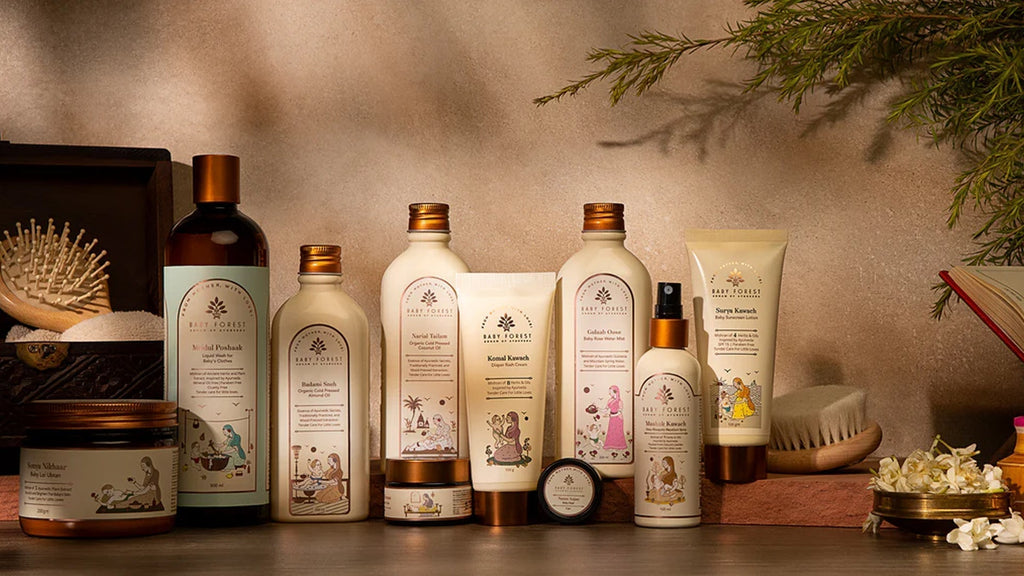
When it comes to choosing baby products, from lotions and shampoos to baby wipes and creams, parents are faced with a plethora of choices. One aspect that often prompts questions is the difference between natural fragrances and added (or artificial) fragrances in these products. Once you understand these differences, you will be able to make informed decisions for your baby's health and well-being.
What Are Natural Fragrances?
Natural fragrances in products for infants are derived from natural sources, such as plants, flowers, and fruits. These fragrances are obtained through cold pressing, distillation, or extraction. Because they come from natural sources, they often carry the intrinsic benefits of their original plants, such as calming or soothing properties.
Benefits of Natural Fragrances:
-
Gentle on Skin:
For babies with sensitive skin, natural fragrances are less likely to irritate compared to synthetic alternatives. -
Therapeutic Properties:
Some natural fragrances offer therapeutic benefits, like lavender, which is known for its calming effect.
Considerations:
-
Allergies:
Some babies may be allergic to natural ingredients. It's important to monitor for any adverse reactions.
What Are Added (Artificial) Fragrances?
Added or artificial fragrances are chemically created scents designed to mimic natural smells or to create entirely new scents. These fragrances are formulated in labs and can be composed of various chemicals.
Benefits of Added Fragrances:
-
Consistency:
Products with artificial fragrances maintain the same scent over time, providing consistency across batches.
-
Diversity of Scents:
Artificial fragrances can create a wide range of scents that might not be achievable with natural ingredients alone.
Considerations:
-
Skin Sensitivity:
Synthetic fragrances are more likely to irritate sensitive skin, causing reactions such as rashes or redness. -
Health Concerns:
Some studies suggest that certain chemicals in artificial fragrances could have negative health effects over the long term, though more research is needed.
Making the Right Choice for Your Baby
When deciding between baby products with natural or added fragrances, consider the following tips:
-
Know Your Baby's Skin:
If your baby has sensitive skin, opting for fragrance-free or naturally scented products might be the best choice. -
Read Labels Carefully:
Look for products that specify "natural fragrance" or "fragrance-free" if you wish to avoid synthetic scents. -
Patch Test:
Before you use any new product on your baby, do a patch test by applying a small amount on their arm or leg to check for any adverse reactions. -
Consult a Paediatrician:
If in doubt, consulting with your child's paediatrician can provide personalized advice based on your baby's specific health and skin needs.
Whether you choose baby products with natural fragrances, added fragrances, or no fragrances at all depends on your preferences and your baby's skin sensitivity. Being informed and cautious can help ensure that your choices support your baby's health and happiness.
The Benefits of Using Dry Sheets in Diaper Changing and S...
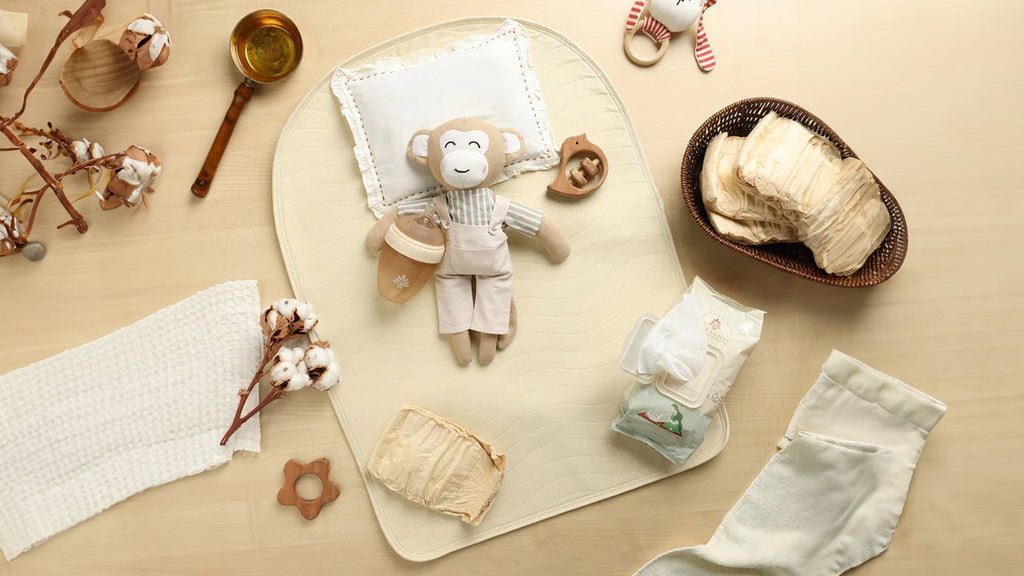
As a parent, your baby's comfort and health are your top priorities. One simple yet effective way to ensure both during diaper changes and sleep time is by incorporating dry sheets into your routine.
What Are Dry Sheets?
Dry sheets, also known as absorbent sheets or waterproof bed protectors, are designed to keep moisture away from your baby's skin and bedding. Made from layers of materials, including absorbent and waterproof fabrics, these sheets are engineered to draw moisture away from the surface, keeping the baby dry and comfortable. Unlike traditional cloth or rubber sheets, modern dry sheets are breathable, soft, and safe for a baby's delicate skin, making them an essential part of baby care routines.
Let's dive into why these little sheets can make a big difference.
-
Keeping Baby Dry and Happy
Dry sheets are designed to provide a waterproof barrier that helps keep moisture away from your baby's skin. During diaper changes, a dry sheet can prevent any accidental leaks from reaching the changing table or any surface you're using. Placing a dry sheet under your little one at night can help manage any leaks, ensuring they stay dry and comfortable. This is crucial because a dry environment is essential for preventing diaper rashes, which are uncomfortable for your baby and stressful to manage.
Related Read - Is Your Baby Suffering From Diaper Rashes? Here Are The Best Ways to Treat Diaper Rashes
-
A Simple Solution for Better Sleep
As we know, babies are sensitive to discomfort, which can interrupt their precious sleep. A wet diaper or any moisture can be particularly disruptive. Using a dry sheet creates an additional layer of protection that helps maintain a dry sleeping environment. This can lead to longer, more peaceful sleep periods for your baby (and, let's face it, for you too!). Better sleep supports their overall development and ensures they're happier during their waking hours. -
Easy Cleanups
Let's talk practicality. Dry sheets are incredibly easy to use and change, making cleanups a breeze. For environmentally conscious parents, there are also reusable options available that can be washed and used again. -
Portable Convenience
Dry sheets are lightweight and portable, making them an essential item in your diaper bag. Whether you're visiting grandparents, enjoying a family outing, or travelling, they ensure that you can provide a clean and dry-changing surface anywhere. This flexibility can make diaper changes on the go less stressful for both you and your baby. -
Protecting Your Gear
Lastly, dry sheets are not just about keeping your baby dry; they also protect your changing tables, cribs, and car seats. Moisture can damage these surfaces over time or require extensive cleaning. Using dry sheets helps preserve the condition and longevity of your baby gear, saving you money and hassle in the long run.
Choosing the Right Dry Sheet
When selecting a dry sheet, consider the following factors to ensure you pick the best one for your baby:
- Material: Search for soft materials that are kind to the skin and devoid of toxic substances.
- Size: Choose a size that fits your baby's crib, cot, or bed snugly, covering the area effectively.
- Absorbency: Opt for sheets with high absorbency to keep moisture away from your baby's skin.
- Ease of Cleaning: Dry sheets that are machine washable and quick to dry will make your life easier.
Tips for Using Dry Sheets Effectively
- Regular Rotation: Have multiple dry sheets on hand to ensure you always have a clean one ready for use.
- Proper Placement: Ensure the dry sheet is laid out flat and securely in place to prevent bunching or shifting.
- Layering: For added protection, consider layering a dry sheet over a regular fitted sheet.
- Monitoring: Regularly check the dry sheet for dampness and change it immediately if it's wet to keep your baby dry and comfortable.
Beyond Dry Sheets: A Holistic Approach to Baby Comfort
While dry sheets are fantastic, they're just one piece of the puzzle. Here are additional tips to ensure your baby's ultimate comfort and well-being:
-
Choose the Right Diapers:
Opt for high-quality, absorbent diapers that fit well. The right diaper can make a significant difference in preventing leaks and discomfort. -
Regular Diaper Changes:
Keep your baby fresh and comfortable by changing diapers regularly, especially before bedtime or after meals. -
Diaper Rash Creams:
Have a good diaper rash cream on hand. Applying a barrier cream can provide an extra layer of protection against moisture.

-
Comfortable Sleep Environment:
Ensure your baby's sleeping area is quiet, dark, and at a comfortable temperature. Establishing a regular bedtime routine can enhance the quality of your sleep. -
Hydration and Diet:
For older babies, adequate hydration and a balanced diet can influence diaper habits, making them more predictable and manageable. -
Parental Self-Care:
Remember, a relaxed and happy parent can better attend to a baby's needs. Taking care of yourself is also taking care of your baby.
Dry sheets are a game-changer for new parents, offering unparalleled convenience, hygiene, and comfort for babies during diaper changes and sleep time. By choosing the right dry sheet and using it effectively, parents can ensure their little ones stay dry, comfortable, and happy. Remember, the journey of parenthood is filled with trials and errors, but with the right tools and a loving heart, every challenge becomes a stepping stone towards a fulfilling experience.
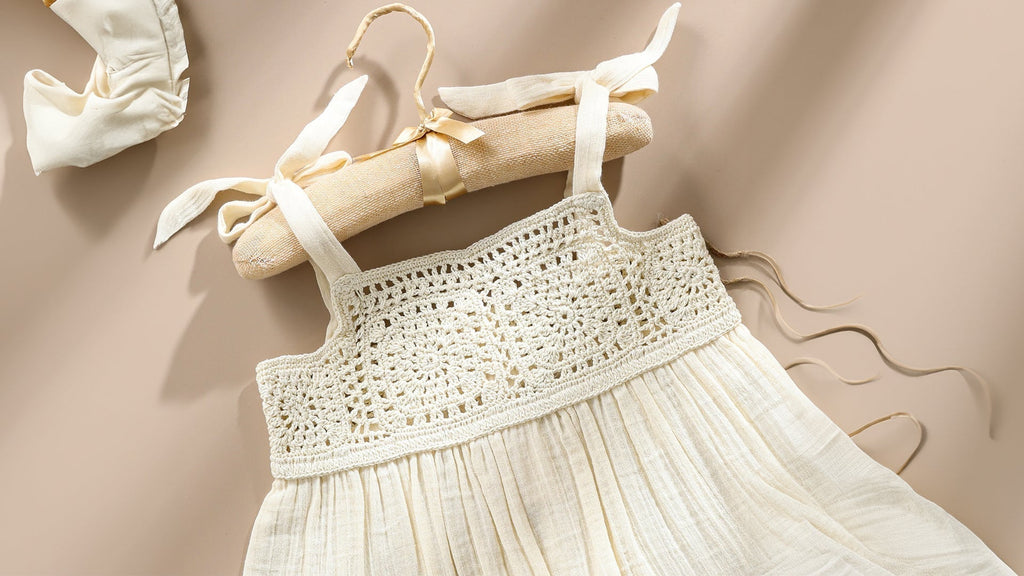
A Parent's Guide to Organic Baby Clothes: What You Need t...
In recent years, there has been a significant shift towards organic and eco-friendly products, with a special focus on the needs of the youngest members of our families. As parents, we aspire to provide the best for our little ones, from the food they eat to the baby clothes they wear. In recent years, the spotlight has turned towards organic baby clothes, a choice that promises comfort and style and a commitment to health and environmental stewardship. This guide is designed to walk you through everything you need about organic baby clothes, helping you make informed decisions for your family and our planet.
Understanding Organic Newborn Clothes
Organic baby clothes are crafted from fabrics that are cultivated and processed without employing harmful pesticides, artificial fertilizers, or genetically modified organisms (GMOs). The most common fabric you'll encounter is organic cotton, prized for its softness, durability, and breathability. Unlike conventional cotton, organic cotton farming emphasizes ecological balance and biodiversity, ensuring that the fabric touching your baby's skin is as pure and natural as possible.
Why Is Organic Cotton Better for Babies?
In the vast world of baby products, choosing the right fabrics for your little one's clothing, bedding, and toys is more crucial than one might think. Among the myriad options available, organic cotton stands out as a beacon of safety, comfort, and sustainability. Here's why organic cotton is a superior choice for your baby's needs.
Gentle on Delicate Skin
Infants have exceptionally delicate skin, which is more susceptible and easily irritated compared to the skin of adults. Organic cotton, cultivated without the introduction of severe chemicals, pesticides, or artificial fertilizers, presents a clean and mild option. It reduces the risk of allergic reactions, rashes, and skin irritations that can be triggered by non-organic cotton and its chemical residues. This natural fabric ensures that only the softest, most natural material touches your baby's skin.
Superior Comfort and Breathability
The comfort of organic cotton is unparalleled, thanks to its softness and excellent breathability. It helps regulate body temperature, keeping babies warm in winter and cool in summer. This natural fabric absorbs moisture and allows air to circulate, preventing overheating and ensuring your baby stays comfortable, whether asleep or awake. The durability of organic cotton also means it can withstand frequent washing, maintaining its softness and comfort over time.
How to Choose Baby Clothes Online?
Opting for organic baby clothes is a choice that blends health, style, and comfort in the wardrobe of the littlest ones in our lives. By selecting garments made from 100% organic materials, parents ensure that their babies are dressed in the purest, chemical-free fabrics that safeguard their delicate skin from irritants and allergens. Also, consider the functionality of the clothing; easy-to-use snaps, room for growth, and comfort should be at the top of your mind.
Caring for Organic Baby Clothes:
To maintain the integrity of the fabric, it's recommended to wash organic baby clothes in gentle, eco-friendly baby detergents. Avoid using bleach and opt for natural stain removers. Air drying is preferable to preserve the fabric's natural softness and prolong the garment's life.

Transitioning to organic baby clothes doesn't have to be an all-or-nothing approach. Start by replacing items that are in direct contact with your baby's skin, such as bodysuits, sleepwear, and bedding. As you become more acquainted with organic brands and products, you can gradually expand your baby's wardrobe. Remember, every small step towards organic contributes to a larger impact on your baby's health and the environment.
Choosing organic baby clothes is more than a shopping decision; it's a heartfelt commitment to the well-being of your precious child, the preservation of our environment, and the legacy we leave for the generations to come.
In today's world, where the market is brimming with organic options, making this choice has become both simple and convenient. It's an opportunity to live a lifestyle that reflects our deepest values, prioritizing the health of our children and the sustainability of the planet they will call home.
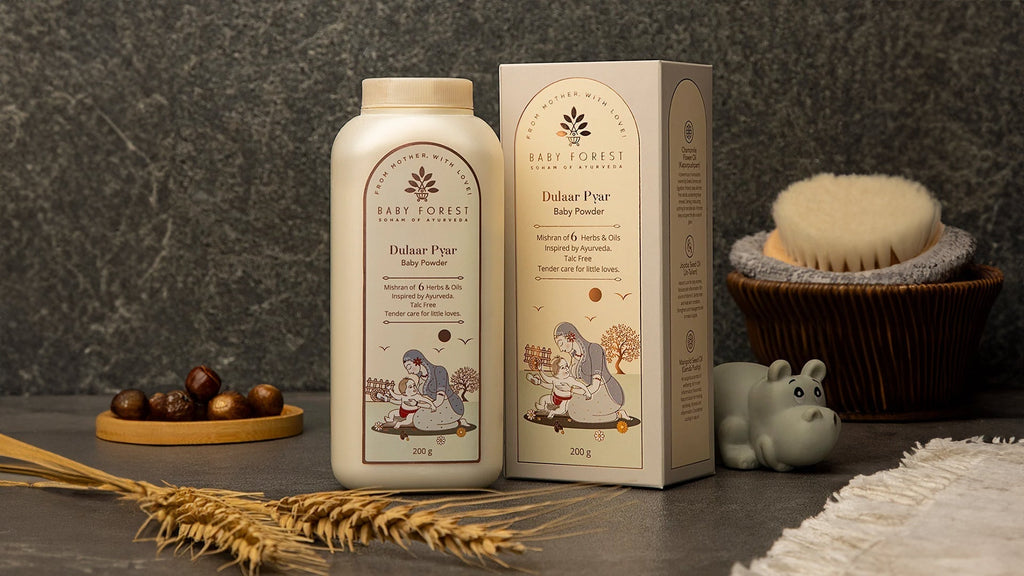
Why Talc-Free Baby Powder is a Must for Summer Heat?
As temperatures soar during the summer months, keeping the little ones comfortable becomes a priority for every parent. An essential item in many households is baby powder, especially to combat the heat and humidity that can cause discomfort and skin rashes in babies. However, the type of baby powder you choose is crucial. In this blog, we'll explore why talc-free baby powder is a safer and healthier choice for your baby during the hot season.
All About Talc and Its Concerns
Traditionally, a lot of baby powders used to have talc in them, which is basically made up of magnesium, silicon, and oxygen. Talc is popular because it's really good at soaking up moisture and reducing friction that causes chaffing , which is why it was often used in baby powders and other beauty products. However, there have been a few concerns about talc's safety over the years. The main issue is its potential contamination with asbestos, a known carcinogen, and the risk of respiratory problems if infants inhale the fine particles.
In light of these concerns, many parents and health experts advocate for the use of talc-free products, particularly for babies who are more vulnerable to the adverse effects of these particles.
What is Talc-free Baby Powders?
Talc-free baby powders are a gentle alternative to traditional baby powders that contain talc, a mineral known for its moisture-absorbing properties. Instead of talc, these powders use natural, plant-based ingredients such as Cornstarch, Chamomile Oil, and Oats Kernel, which are equally effective at keeping moisture at bay without the associated health risks of talc, such as potential contamination with asbestos and respiratory issues from inhalation.
Benefits of Talc-Free Baby Powder
-
Safer Ingredients:
Talc-free baby powders are usually made with cornstarch or other plant-based ingredients like aloe vera. These natural alternatives are gentle on the baby's sensitive skin and are free from asbestos risks. -
Prevents Rash:
During summer, the risk of rashes increases due to the heat and humidity. Talc-free baby powders absorb excess moisture naturally, keeping the baby's skin dry and comfortable, thereby preventing rashes. Additionally you can use Rash Healing cream. -
Avoids Respiratory Risks:
The particles in talc-free powders are generally larger and less likely to be inhaled than those in talc-based powders. This reduces the risk of respiratory problems, which can be serious for children. -
Natural Skin Care:
Many talc-free powders contain additional natural ingredients that benefit the baby's skin. Ingredients like aloe vera and chamomile can help soothe the skin and prevent irritation, making them ideal for use in sensitive diaper areas during the hot months.
Choosing the Right Talc-Free Baby Powder
When selecting a talc-free baby powder, look for products that are:
-
Natural:
Ensures that the product is free from harmful chemicals and genetically modified organisms. -
Artificial Fragrance-Free:
Added fragrances can irritate a baby's delicate skin. Opt for products with no added fragrance to avoid potential allergens. -
Derma Safe:
Choose products that are derma-safe and approved for use on sensitive skin.
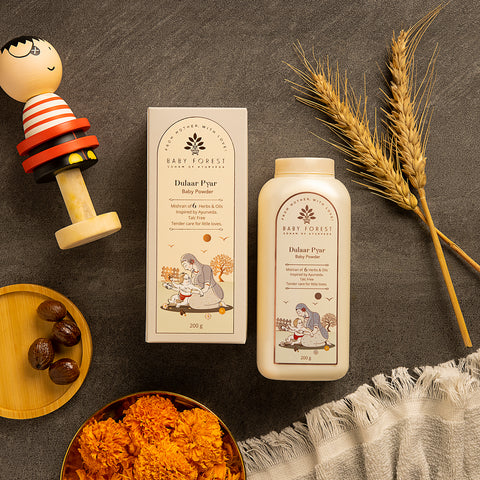
How to Use Talc-Free Baby Powder Safely
To maximize benefits and minimize any risks, even with talc-free powders, it's important to use baby powder correctly:
-
Apply Sparingly:
Use a small amount of powder and keep it away from the baby's face and eyes to avoid inhalation. -
Direct Application:
Apply the powder directly to your hands, away from the baby, and then to the baby's skin. This method helps to control the amount of airborne particles.
Talc-free baby powder is a much safer and healthier option for summer baby care. By incorporating talc-free baby powder into your daily routine, you can ensure that your baby enjoys the summer safely and comfortably. With natural ingredients that are gentle on the skin and effective at moisture absorption, talc-free powders can help keep your baby dry, comfortable, and happy during the hot weather. Always opt for natural, cruelty-free, and derma-safe products to ensure the best care for your little one's delicate skin. Enjoy a worry-free summer with the right products for your baby's needs! Whether at home or on the go, this simple change can make a big difference in your baby's well-being during the warm season.

The Importance of Using a Gentle Comb for Your Baby's Hair
Infant hair care is more than a simple grooming routine; it's an essential part of their overall health and well-being. Babies' hair and scalp are very delicate, and they require gentle care to prevent discomfort or harm. This article will explain why using a gentle comb for your baby's hair is crucial, highlight the risks associated with regular combs, and outline the features and benefits of a gentle baby comb.
Understanding Baby's Hair and Scalp
Baby’s scalp is sensitive, and their hair is fine and fragile. Their skin and hair are still developing and can be easily irritated by rough handling or harsh materials. A baby's scalp can also be prone to conditions like cradle cap, which involves patchy, scaly skin. Hence, gentle care is essential to avoid aggravating these conditions or causing discomfort.
The Risks of Using Regular Combs
Regular combs, designed for adults or older children, are often too harsh for a baby's tender scalp. Their hard materials and sharp teeth can scratch or irritate the skin, leading to discomfort or even skin infections. Moreover, these combs can tug at fine baby hair, causing breakage or pain during grooming.
How to Choose the Right Baby Comb
When you look at buying a baby comb, you can consider the following factors:
-
Material:
Look for natural materials like wood and soft goat hair that are safe and gentle for your baby. -
Design:
Choose a comb with rounded teeth and a comfortable handle for easy and safe grooming. -
Size:
A compact size is preferable for the precise combing of fine baby hair and for convenient storage.
Features of Baby Forest’s Gentle Baby Comb
Our gentle baby comb is designed with the baby's delicate scalp and hair in mind.
-
Super Soft Goat Hair:
Ideal for infants and kids, these bristles are gentle enough to massage the scalp without causing irritation. -
100% Natural Beech Wood:
This baby comb is not only eco-friendly but also exceptionally durable and safe for the baby. -
Specially Designed Teeth:
The teeth of the baby comb are rounded and spaced to glide through fine hair without pulling or snagging.
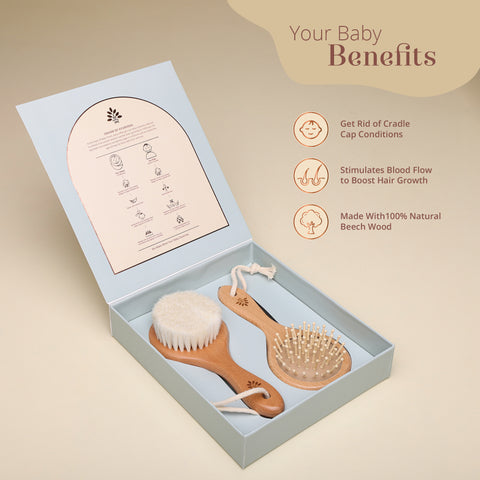
Benefits of Regularly Combing Your Baby's Hair with a Gentle Comb
Regularly combing your baby's hair with a gentle comb is more than just a routine grooming activity; it is an essential practice that offers numerous benefits for both the baby and the parent.
-
Promotes Healthy Hair Growth
Combing regularly with a soft comb aids in stimulating the scalp, which boosts blood flow to the hair roots. This stimulation promotes healthier and stronger hair growth by ensuring that the hair follicles receive ample nutrients and oxygen. Even spreading the scalp's natural oils along the hair shaft nourishes the hair, thus reducing its susceptibility to breaking.
-
Detects and Prevents Scalp Issues Early
Regular combing allows parents to closely inspect their baby's scalp regularly, making it easier to spot any potential issues such as dryness, cradle cap, or unusual spots early on. Early detection means that any conditions can be addressed promptly, preventing discomfort for the baby and potentially avoiding more serious complications.
-
Alleviates Cradle Cap
Cradle caps, characterized by scaly or crusty patches on the scalp, are common in babies. Regularly combing your baby's hair with a gentle comb can help loosen and remove these scales in a gentle manner, especially when combined with appropriate baby oil or shampoo. This keeps the baby's scalp clean and helps alleviate the symptoms of cradle cap.
Related Read - Dealing with Cradle Cap: Causes, Treatment Options, and Proactive Prevention
Combing Techniques and Tips
To make the most of your infant's hair care routine, consider these tips:
-
Gentle Approach:
Always comb gently, starting from the tips and working your way up to the roots to detangle hair without pulling. -
Regular Routine:
Make combing a part of your daily routine to keep your baby's hair neat and to monitor the health of their scalp. -
Cleanliness:
Keep the comb clean to prevent the buildup of oils or cradle cap flakes, ensuring hygiene.
Related Read - An Ideal Hair Care For Babies- What You Must Know?
Conclusion
Caring for your baby's hair with a gentle hairbrush is an act of love and attention. It not only ensures their comfort but also promotes healthy hair growth and scalp health. Combing your baby's hair is a loving gesture that keeps them comfortable and supports their hair and scalp health. Choose the right newborn hairbrush and comb their hair gently, making it a soothing and bonding experience. Remember, the key is to be gentle and patient and to use the right tools to care for your baby's delicate hair and scalp.
Natural Baby Soaps for Chemical-Free Bath Time
Because so many household goods include chemicals, it is essential that we put our children's health first when it comes to the purity of the products they use. Whether your kid is seven days, seven weeks, or seven months old, one thing remains constant: their sensitive and gentle skin. As a result, many bath and skin care products you use on yourself might cause rashes and irritation. Parents have become increasingly mindful of choosing baby products, which has led to a growing preference for natural baby products.
Bathing your baby is not just a task but a nurturing experience for their well-being. This blog will help you understand the benefits of choosing natural baby soaps and provide guidance on how to select the best soap for infants, guaranteeing a chemical-free bathing experience.
Why Choose Natural Baby Soaps?
Our skin is the biggest part of our body that shields our insides from the outside world. This is especially important for babies because their skin is significantly thinner than that of adults. This makes a baby's skin more delicate and also lets chemicals from normal soap get into the skin more easily. One study found that babies exposed to harsh soaps and shampoos are more likely to get skin problems like eczema and other skin irritations.
This is where natural baby soaps help with their organic ingredients, which makes it safer with no synthetic smells or harsh chemicals in them. These soaps only contain natural ingredients like coconut oil and shea butter. These natural ingredients are gentle and soft on a baby's skin.
How to Choose the Right Natural Baby Soap for Your Baby?
Choosing the right natural baby soap is crucial for your little one's delicate skin. With so many alternatives available, it might be difficult to choose the best one. However, focusing on specific qualities and ingredients can guide you in making a healthier choice for your baby. Here's how to ensure the soap you select is gentle, safe, and beneficial for your baby's bath time.
-
Paraben-Free
Parabens are preservatives used to prolong the shelf life of products, but they can disrupt hormone function, which is especially risky for babies. Opting for paraben-free baby soap ensures that your child is not exposed to these chemicals, making bath time safer.
-
Tear-Free
A tear-free formula is essential for baby soaps to prevent eye irritation during bath time. This means the soap is gentle enough that it won't sting your baby's sensitive eyes, making for a more pleasant bathing experience for both of you.
-
Natural Ingredients
Natural ingredients are the cornerstone of a good baby soap. Look at infant soaps with ingredients such as Jojoba Oil, Castor Oil, Coconut Oil, Sesame Oil, Rosehip Oil, and Aloe Vera. Chemical additives can be harsh on a baby's skin, leading to dryness and irritation. Natural soaps, on the other hand, use ingredients that are gentle and nourishing.
-
Vegan
Vegan baby soaps are made without any animal products or by-products, aligning with eco-friendly and cruelty-free practices. These soaps are also more likely to contain plant-based ingredients that are gentle and beneficial for the skin.
How to Use Baby Forest's Nirmalya Snan Natural Baby Soap?
To use the soap bar, simply wet your baby's skin with warm water, then gently rub the soap bar over their skin to create a soft lather. Massage the lather gently across their body with your hands or a soft washcloth. After ensuring their skin is thoroughly cleansed, rinse off the lather with plenty of water, making sure no soap residue remains.
When choosing baby care products, it's important to consider your child's well-being and the environment. Natural baby soaps are a great option, as they are gentle on your baby's skin and free from harsh chemicals. This helps create a safe and enjoyable bathtime experience for your little one. By choosing natural products, you're also contributing to a more sustainable world, reducing your exposure to harmful chemicals. This is a worthwhile investment in your child's health and the future of our planet.

5 Mindful Gift Ideas for New Parents
In the joyous journey of welcoming a new life into the world, the act of gifting holds a special place in our hearts. Mindful gifting, especially for new parents, transcends the mere exchange of presents; it is a heartfelt gesture that nurtures the bond between the giver and the recipient. It's about choosing gifts for babies that not only delight but also offer practical utility and convey thoughtfulness.
In the realm of new parenthood, where sleepless nights meet the endless wonder of baby care, selecting the perfect gift for newborn becomes even more poignant. Here are five mindful gifts that stand out not just for their novelty but for their ability to blend functionality with care, making them invaluable to new parents.
-
Wooden Gifting Box
Imagine a treasure trove that caters to the tender needs of a newborn; all encased in a beautifully crafted wooden box. This newborn gift hamper isn't just a container; it's a thoughtful compilation of essentials for the little one, including baby body wash, baby kajal, mustard pillow, baby shampoo, massage oil, and more. Each item is chosen with the baby's delicate skin and care requirements in mind, ensuring that the new parents have everything they need for their bundle of joy's initial days. The wooden gifting box is not just a gift; it's a gesture of comprehensive care, embodying the essence of mindful gifting by providing practical, usable items that ease the parents' new journey. You can also personalise and get a note written for your loved ones.
Related Read - 5 Best Baby Shower Gift Ideas for New Moms

-
Organic Holi Hamper
As the vibrant season of Holi approaches, parents eagerly seek ways to introduce their little ones to this colourful festivity, mindful of their delicate needs. The Organic Holi Hamper is a perfect companion for such vibrant celebrations, with organic gulal that promises safe, chemical-free play, along with a gentle baby face wash and cream, ensuring the little one's skin is cared for, both during and after the joyous splashing of colours.

-
Baby Swaddle Set
A good night's sleep is precious for both the baby and the parents. The Baby Swaddle Set, made from bamboo muslin, is a gift of comfort and serenity. Bamboo muslin is known for its softness, breathability, and ability to regulate temperature, making it the perfect material to swaddle a newborn for a peaceful sleep. This set not only helps the baby sleep better but also eases the parents' minds, knowing their little one is wrapped in comfort. It's a thoughtful gift idea for newborns that directly impacts the baby's and the parent's well-being, making it a quintessential example of mindful gifting.
Related Read - The Essential Guide to Perfect Swaddling: Techniques and Tips for New Parents

-
Baby Bamboo Feeding Bowl
Mealtime can be a challenge for new parents, but the Baby Bamboo Feeding Bowl turns it into an enjoyable learning experience. With its silicon suction base, the bowl firmly grips onto flat surfaces, significantly reducing spillage. This feature is particularly thoughtful, as it helps the baby learn to feed themselves with less mess, making the weaning process smoother for both the baby and the parents. The bamboo bowl is not only easy to clean but also durable, ensuring it remains a staple in the baby's mealtime adventures. It's a functional, practical gift that acknowledges and addresses the realities of parenting, making it a mindful choice.
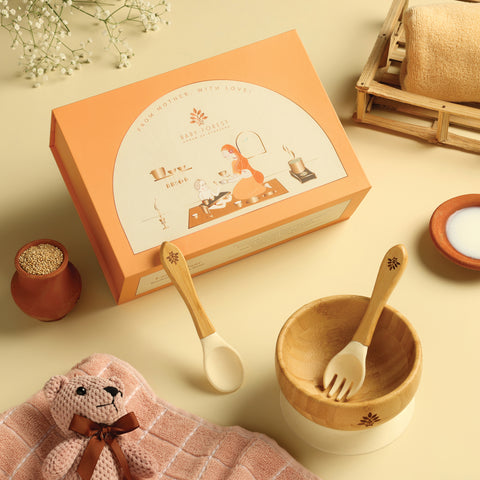
-
Kaumarbhritya Baby Gifting Book
Blending the ancient wisdom of baby care with contemporary design, the Kaumarbhritya Baby Gifting Book is a treasure of knowledge and care essentials. This handcrafted book set, beautifully packed with body lotion, baby shampoo, baby body wash, baby face cream, and more, offers a holistic approach to baby care. It's a gift that educates and pampers, providing new parents with a guide to nurturing their baby with the wisdom of the ages, making it an invaluable addition to their baby care collection.

When we pick gifts that can be used every day, it shows we really thought about what the new mom and dad need. These kinds of gifts are not just nice to look at; they help out in real ways. Whether it's making baby bath time easier or keeping the little one snug and warm, each gift has a special role in the family's daily life. This means a lot because it's like saying, "I understand what you're going through, and I want to help." Giving something useful is a way to show love and support, making the new parents' journey a bit smoother and more enjoyable.
These gifts encapsulate this philosophy beautifully, making them the perfect choice for anyone looking to make a difference in the lives of new parents and their precious newborns.
Pregnancy Hair Loss: What Moms Need to Know
Pregnancy brings a whirlwind of emotions and transformations, with some shifts being unexpectedly striking. One such change that doesn't get as much attention is hair loss during and after pregnancy. If you're experiencing this, know that you're not alone. This article is here to guide you through understanding pregnancy-related hair loss, why it happens, and how to manage it.
Understanding Hair Loss in Pregnancy
Most people picture pregnancy as a time when women have thick, luscious hair. And it's true, during pregnancy, many women find their hair feels fuller. But what happens after the baby arrives can be quite the opposite. Some new moms start to notice their hair falling out in clumps. This can be alarming, but it's a common experience.
Why Does Hair Loss Happen During and After Pregnancy?
The main culprit behind hair loss before, during, or after pregnancy is hormones. Throughout pregnancy, your body undergoes a significant increase in estrogen and progesterone levels. These hormones can cause your hair to remain in a growth phase, leading to less shedding and thicker hair.
However, after childbirth, your hormone levels drop dramatically. This sudden change can shock your hair follicles, pushing more hair into the resting phase. Several months following the birth of your baby, you may observe an unusual amount of hair shedding. This phenomenon is referred to as postpartum hair loss, also known as telogen effluvium.
What Can You Do About Hair Loss During Pregnancy?
First and foremost, it's important to understand that this phase is temporary. Most women see their hair return to its pre-pregnancy condition within 6 to 12 months after childbirth. However, there are steps you can take to manage hair loss and care for your hair during this time.
-
Maintaining a Healthy and Nutritional Diet
For your hair to grow robust and healthy, it requires essential nutrients. Make sure your diet includes a whole lot of vitamins and minerals conducive to hair growth, like iron, zinc, vitamin D, and proteins. Consuming a well-rounded diet benefits not just hair loss management but also contributes significantly to your comprehensive recovery post-pregnancy.
Related Read - What to Eat When Pregnant: Your Ultimate Guide to a Healthy Pregnancy Diet -
Be Gentle with Your Hair
Try to minimize stress on your hair. Avoid hairstyles that pull tightly on your scalp, like ponytails or braids. When brushing your hair, use a wide-toothed comb to gently detangle your hair, reducing breakage. -
Choose the Right Hair Care Products
You can look for shampoos and conditioners that are designed for thinning hair as they can help make your hair appear fuller. Also, avoid heavy styling products, as they can weigh down your hair and make hair loss more noticeable.
-
Consider Supplements
After consulting with your healthcare provider, you might consider taking supplements to support hair growth. Vitamins like biotin and vitamin E have been known to help, but it's important to get professional advice before starting any new supplement, especially if you are breastfeeding.
-
Manage Stress
Caring for a newborn is often filled with stress, and this can further intensify hair loss. It's important to discover methods to unwind and minimize stress levels. Practices such as meditation, light physical activity, or reaching out for support from friends and family can have a substantial impact. -
Consult with a Professional
If hair loss is causing you worry, it's important to consult with a healthcare provider or dermatologist. They can provide advice and, if needed, suggest treatments or diagnostic tests to verify that no severe underlying condition is causing your hair loss.
When to See a Doctor?
Although postpartum hair loss is typical, unusually heavy shedding may indicate a deeper health concern, like thyroid disorders or anaemia. If you notice your hair loss is severe or accompanied by other symptoms, it's important to seek medical advice.
Pregnancy-related hair loss can be a distressing experience, but it's a temporary and normal part of the postpartum period for many women. By understanding why it happens and taking steps to care for your hair and health, you can navigate this change more comfortably. Remember, this phase will pass, and your hair will gradually return to its normal cycle. In the meantime, focus on your well-being and enjoying time with your new baby.
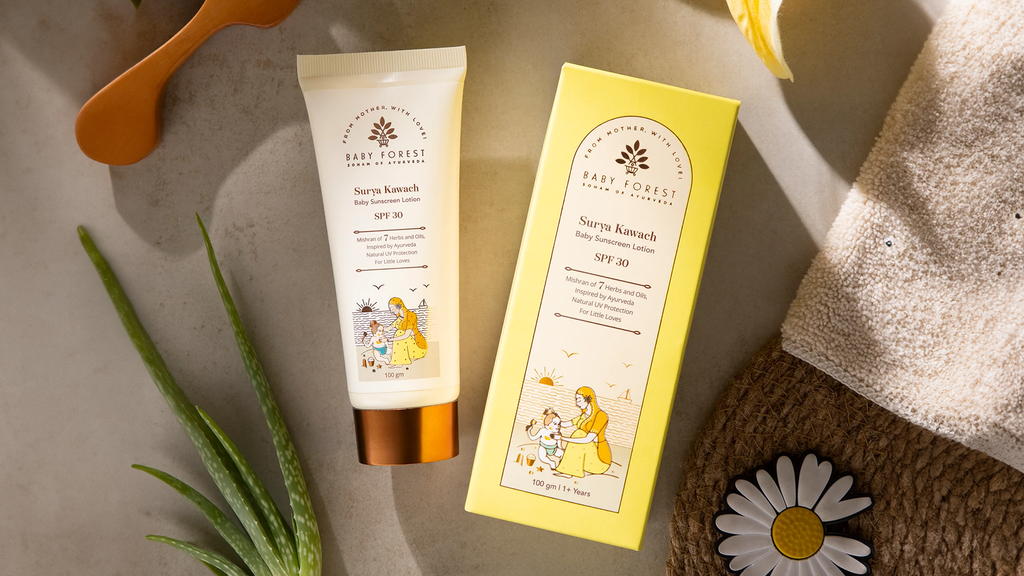
The Importance of Sun Protection: Why Baby Sunscreen is a...
In the warm embrace of sunlight, babies experience not just the joy of being outdoors but also the potential risk of sun damage to their delicate skin. Understanding the importance of sun protection for infants is crucial for ensuring their well-being. This article will delve into the reasons why baby sunscreen is a must, covering various aspects to enhance your awareness and guide you in safeguarding your little ones.
Baby Skin Vulnerability to Sun Damage:
To comprehend the significance of sun protection, it's essential to recognize the vulnerability of baby skin. Infants have thinner, more delicate skin that is highly susceptible to harmful UV rays. Unlike adults, their skin has not fully developed the natural defenses needed to shield them from the sun's impact.
Harmful Effects of Sun Exposure on Babies:
Sun exposure can have severe consequences on a baby's skin. From sunburns to long-term damage, the risks are substantial. UV rays have the capability to infiltrate the skin, potentially causing concerns like dehydration, heatstroke, and an elevated susceptibility to skin cancer in the future. It's imperative to address these potential hazards through effective sun protection measures.
Why Regular Sunscreen Isn't Suitable?
Not all sunscreens are made equal, and sunscreens meant for adults may not be suitable for baby skin. Chemical ingredients found in some sunscreens can be harsh, causing irritation and allergic reactions. Understanding the characteristics of baby sunscreen becomes crucial to ensure optimal protection without compromising safety.
Characteristics of Baby Sunscreen:
Tailored to the distinctive requirements of infant skin, baby sunscreens stand out for their specialized formulation. These sunscreens are often infused with potent natural ingredients such as Seabuckthorn Oil, Carrot Oil, Red Raspberry Seed, and other beneficial herbs and oils. This unique blend not only delivers effective natural sun protection but also contributes to the overall well-being of the baby's delicate skin.
In addition to their natural composition, these sunscreens prioritize gentleness, employ a nongreasy formula, and are suitable for daily use that shields against UV rays without causing irritation. The inclusion of Seabuckthorn Oil, Carrot Oil, and Red Raspberry Seed adds an extra layer of nourishment, ensuring that the baby's skin remains soft and hydrated after application.
How to Apply Baby Sunscreen Lotion?
To apply the Baby Forest Surya Kawach Sunscreen Lotion effectively, start by dispensing a small amount onto your palms. Gently rub the lotion in your hands to ensure even distribution. When applying to your baby's face and body, pay special attention to areas such as the cheeks, neck, and ears. To achieve the best outcome, it is advisable to apply the Baby Forest Surya Kawach Sunscreen Lotion to moistened skin. This helps in seamless absorption and enhances the effectiveness of the sunscreen.

Tips for Sun Protection on Adventures:
Adventurous outings with your little one require extra precautions and these additional measures contribute to a safer and more enjoyable outdoor experience.
-
Choose the Right Time for Outings:
When planning outdoor activities with your baby, try to schedule them during the early morning or late afternoon when the sun's intensity is lower. This reduces the risk of exposure to harsh midday sunlight. -
Opt for Shade Solutions:
When outdoors, look for shaded areas or create your own shade with a stroller canopy, a baby sun tent, or a portable umbrella. This ensures a cool and protected environment for your baby to enjoy.
-
Stay Hydrated:
Hydration is crucial, especially during sunny days. Keep your baby well-hydrated by offering fluids regularly. If your baby is still breastfeeding, ensure they are nursing adequately, and if they've started solids, offer water in a sippy cup. -
Cooling Accessories:
Consider using cooling accessories like baby-friendly cooling pads or towels to keep your little one comfortable in the heat. These accessories can be especially useful during warmer weather. -
Be Mindful of Hot Surfaces:
Be cautious of hot surfaces, such as playground equipment, car seats, or sand, that can become uncomfortably warm in the sun. Check surface temperatures before placing your baby down to avoid burns or discomfort.
-
Monitor Sunscreen Expiry Dates:
Check the expiration dates on your baby's sunscreen lotion regularly. Expired sunscreen may lose its effectiveness, compromising the level of protection it offers. Replace it promptly to ensure continuous safety.
Conclusion
Understanding the importance of sun protection for babies goes beyond the application of sunscreen. It involves recognizing the vulnerability of baby skin, comprehending the harmful effects of sun exposure, and adopting a holistic approach to safeguarding against UV rays. By prioritizing baby sunscreen with suitable characteristics and implementing additional protective measures, parents can ensure their little ones bask in the warmth of the sun without compromising their health. Embrace the responsibility of nurturing your baby's skin, and let each outdoor adventure be a safe and joyous experience.
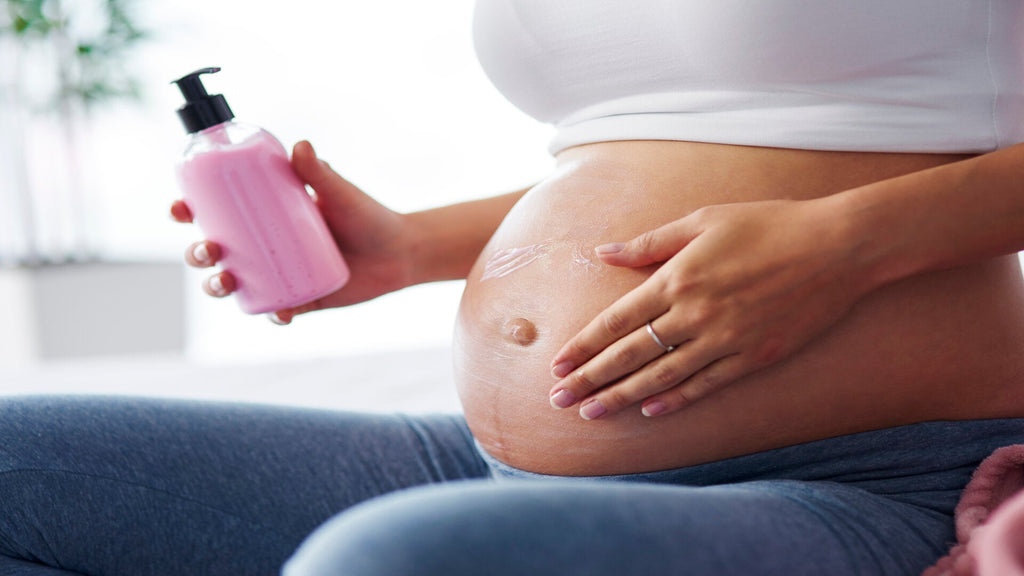
Natural Remedies for Preventing and Treating Pregnancy St...
Bringing a new life into the world is a lovely experience, but it frequently involves bodily changes, one of which is pregnancy stretch marks. These marks are a natural part of the body's adaptation to the miraculous process of pregnancy. In this complete guide, we will look at natural methods for preventing and treating pregnant stretch marks, as well as provide new mothers with comfort and information.
Understanding Pregnancy Stretch Marks:
Pregnancy stretch marks, scientifically known as striae gravidarum, are caused by the stretching of the skin during rapid weight gain or growth, which is common during pregnancy. The skin's elasticity is put to the test as the belly, breasts, and hips expand to accommodate the growing baby. While these marks are a testament to the incredible journey of motherhood, many women seek ways to minimize or prevent them.
How to Prevent Stretch Marks During Pregnancy?
Hydration is Key:
Staying hydrated is vital for retaining skin suppleness. Drinking an ample amount of water helps keep the skin supple and aids in preventing stretch marks. Aim for at least eight glasses of water a day.
Balanced Nutrition:
A diet rich in vitamins and minerals contributes to skin health. Incorporate foods high in vitamins A and C, which promote collagen production and skin regeneration. Foods like carrots, sweet potatoes, and citrus fruits can be beneficial.
Related Read - What to Eat When Pregnant: Your Ultimate Guide to a Healthy Pregnancy Diet
Gentle Exercise:
Engage in gentle, pregnancy-safe exercises to promote blood circulation and prevent excessive weight gain. Activities like prenatal yoga and swimming can be beneficial for both physical and mental well-being.
Natural Oils:
Applying natural oils such as almond oil, coconut oil, or olive oil to the skin helps keep it moisturized and improves elasticity. Massage these oils onto areas prone to stretch marks regularly.
Massage and Self-Care
Regular massage with natural oils not only nourishes the skin but also promotes relaxation and self-care. Taking time for yourself during pregnancy can be a valuable aspect of preventing stretch marks.
How to Treat Stretch Marks After Pregnancy?
Bio-Oil Therapy:
Bio-oil, enriched with botanical extracts, is a popular choice for treating stretch marks. Apply it consistently to affected areas, massaging gently for optimal absorption.
Aloe Vera Gel:
Aloe vera, recognized for its calming properties, has the potential to reduce the visibility of stretch marks. Apply pure aloe vera gel to the affected areas and leave it on for 15-20 minutes before rinsing.
Cocoa Butter:
The hydrating qualities of cocoa butter are well-known. Regularly applying cocoa butter to stretch marks hydrates the skin, improves suppleness, and reduces the visibility of the marks.
Experiencing stretch marks during pregnancy is a normal aspect of the incredible journey into motherhood. Embracing these natural changes and actively nurturing your skin can have a meaningful impact. Integrating these simple remedies into your daily routine not only promotes skin well-being but also uplifts your confidence, allowing you to fully immerse yourself in the joyful moments of being a new mom. Remember, every stretch mark tells a unique story of the miraculous journey you've undertaken, and they are a testament to the strength and resilience of the incredible female body.

How to Pick Safe Essential Baby Care Products
Navigating the vast world of baby care products can be overwhelming for new parents. You want the best for your little one, ensuring every product, from their lotion to their toys, is safe, gentle, and beneficial for their development. This guide aims to simplify the whole process for you, providing you with the knowledge to choose the best baby products, focusing on safety, natural ingredients, and the well-being of your newborn.
Understanding Baby Care Product Safety
The safety of baby care products lies in their ingredients and materials. Go for products that are free from harmful chemicals and dyes, which can irritate delicate skin or cause allergic reactions. Look for certifications and labels that guarantee products are tested and safe for babies. Reading reviews and researching baby products online can also offer insights into their safety and efficacy.
Essentials for a Safe Nursery
Creating a safe nursery goes beyond aesthetics. It includes choosing organic bedding, hypoallergenic mattresses, and non-toxic paints. Ensure that all furniture is sturdy and meets safety standards. Air purifiers can also contribute to creating a clean, safe environment by reducing potential airborne irritants.
Safe Skincare and Bathing Practices
Babies' skin is incredibly sensitive, requiring products that moisturize and protect without causing harm. Natural and ayurvedic baby skincare products, such as baby face cream and baby lotion made with ingredients such as chamomile, aloe vera, and coconut oil, offer gentle hydration. For bathing, opt for mild, tear-free baby shampoo and baby body wash that cleans without stripping natural oils. Always test products on a small skin area first to check for any reactions.

Choosing Safe Clothing and Diapers
Selecting clothing and diapers for your baby involves more than just comfort and design. Choose organic cotton or bamboo fabrics that are soft, breathable, and free from harmful chemicals. When it comes to diapers, consider cloth options or chemical-free disposables that offer high absorbency without risking diaper rash or exposure to irritants.

Safe Feeding Practices
Feeding your baby safely is paramount. Glass feeding bottles offer a reliable alternative to plastic, mitigating the risk of BPA exposure. When your baby progresses to solids, brass baby feeding sets provide durable and non-toxic choices. Bamboo bowls are especially favoured for their eco-friendly and biodegradable qualities, making them a safe choice for your baby and the environment. Remember to sterilize feeding items thoroughly to ensure they remain hygienic for your baby's use.

Safe Playtime Essentials
Toys play a significant role in your baby's development, but choosing safe playtime essentials is key. Look for toys made from natural materials like organic cotton crochet toys or food-grade silicone. These materials are not only safer but are also environment friendly. Stacking toys, soft books, and sensory balls are excellent for stimulating your baby's senses without the worry of harmful substances.
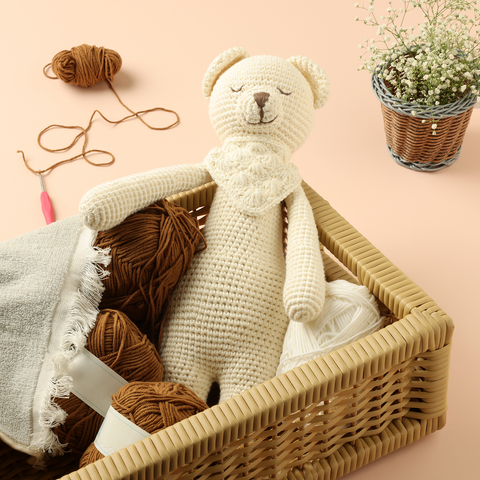
Choosing safe, essential baby care products is a journey filled with love and care. By prioritizing products that are natural, free from harmful chemicals, and designed with your baby's health in mind, you can create a nurturing environment for your little one to grow and thrive. Whether you're purchasing baby skin care products, setting up the nursery, or selecting toys, remember that simplicity and safety go hand in hand. With the correct information and a conscious attitude, you can confidently explore the vast choices of newborn baby products, assuring that you only choose the best for your precious bundle of joy.