 Skip to main content


Baby Care & Parenting Blogs

Khilta Mukhra: The Ayurvedic Secret to Soft, Glowing Baby...
Why does baby skin care include facial care? You are probably aware of the need to use lotion on your baby, but many parents skip face cream, thinking it will be fine. The reason that you want to moisturize your baby’s face is that the facial skin is the most exposed and sensitive part of your baby’s body, and thus it needs to be nourished every day with moisturizer.
The reason for this is that babies have thinner skin than adults, so they absorb environmental toxins very quickly. The facial skin is also more susceptible to dryness and irritation due to being in contact with sunlight, wind and saliva. Ayurveda has known this for centuries and has spoken of the care of an infant’s face in ancient texts as a necessity based on love and the wisdom of the ages. This guide will give you a scientifically proven method on how to care for your baby’s delicate skin and use ancient wisdom on how to keep your baby’s skin healthy, soft, and glowing.
Understanding Baby Skin the Ayurvedic Way
Twak is the Ayurvedic term for skin, and it is one of the most precious organs in the body. In early life, skin is more than just a surface, it is the primary way that babies get their experience of the world through touch, warmth, and nourishment.
The Ayurvedic philosophy states that infants have a strong kapha dosha that provides them with a naturally soft, plump, and moist feeling that we all love. However, this same kapha dosha also makes the infant’s skin extremely sensitive and vulnerable to changes in the environment.
What disturbs a baby's skin balance?
A baby's skin balance can be disrupted by dry air, air conditioner use, dirt and dust, ingredients in products that are too harsh for a baby's skin and sometimes even drool. When the skin is out of balance, you may notice dry patchy skin on the cheeks, redness around the nose or mouth, a rough forehead and sometimes rashes or irritated skin. This is why using a nourishing baby face cream every day is the best routine to follow every day. Baby Forest Khilta Mukhra Baby Face Cream is specifically formulated to restore your baby's skin balance and provide natural protection from moisture loss!

Regular vs Talc-Free Baby Powder: 7 Key Differences for I...
In many Indian homes, using baby powder after a bath is a common everyday practice. Most parents don’t really stop to question it, because it’s something they’ve seen and followed while growing up. After bath time, a little powder is gently applied on areas like the neck, underarms, back, or diaper region to keep the skin dry and comfortable. This becomes even more important in warmer weather, when moisture tends to collect in skin folds and can make babies uneasy quite quickly.
Over time, though, the way parents look at these everyday products has started to shift. Earlier, most families simply used whatever baby powder was available. Now, many parents take a moment to check what goes into it. They read labels, ask around, and try to understand what feels right for delicate baby skin. That’s one of the reasons talc free powder has slowly become a more preferred choice over traditional talc-based options.
Is Baby Talc Powder Different from Regular Talc Powder?
This is something many parents get confused about in the beginning. Regular talc powder is made from talcum, which is a mineral that helps absorb moisture and reduce friction on the skin. That's the reason powders have been a staple for ages, primarily to keep the skin dry and ward off skin irritations.

However, when it comes to babies, parents tend to be especially cautious. Baby skin is delicate, and even fine powder in the air can sometimes make babies uncomfortable. Because of this, many parents today prefer talc free powder options made with ingredients like corn starch or oats. These powders still help keep the skin dry, but they usually feel lighter and more comfortable on baby skin, especially if the powder is used regularly.
7 Things About Baby Talc-Free Powder Every Parent Should Know
Fragrance alone is no longer enough for most of the parents nowadays. They usually want something that keeps the baby dry, feels light on the skin, and can be used every day without worrying too much.
-
Made with Safer Ingredients: Talc free powders are usually made with ingredients that help absorb moisture but feel gentler on baby skin.
-
Gentle on Delicate Skin: Baby skin can react very quickly to strong products. Powders that feel soft and lightweight are usually more comfortable for daily use.
-
Helps Prevent Rashes: In the early months, many babies get rashes because moisture tends to stay in the folds of the baby’s skin. Talc-free powder, on the other hand, helps keep those areas dry and reduces friction.
-
Free from Harsh Chemicals: Many parents nowadays try to avoid strong fragrances or harsh ingredients in products that are used daily on the baby’s skin.
-
Breathable and Lightweight: A good powder should not feel heavy or cakey on the skin. It should feel light so the baby stays comfortable.
-
Suitable for Daily Baby Care: Since powder is usually applied after a bath or during diaper changes, parents seek a product they can use every day without worrying about skin irritation.
-
Preferred by Many Modern Parents: These days, with a greater understanding of potential risks, a lot of parents are proactively seeking out the best talc-free baby powder, rather than simply sticking with the same products their own parents used.
A Gentle Choice for Your Baby: Dulaar Pyar Talc-Free Baby Powder
Talc-free powder simply means the powder does not contain talc and instead uses other ingredients to absorb moisture and keep the baby’s skin dry. The purpose of powder is still the same, which is to keep the skin dry, reduce friction, and keep the baby comfortable during the day.
Dulaar Pyar Talc-Free Baby Powder is made keeping everyday baby care in mind. It helps absorb extra moisture and keeps the skin dry without feeling heavy. This is especially helpful in warm weather, when babies tend to sweat more and moisture can cause discomfort.
Benefits of Dulaar Pyar Talc-Free Baby Powder
Baby powder should feel gentle on the skin and be safe for everyday use. Here are a few things that make this powder suitable for daily baby care.
Cruelty-Free: This means the product is not tested on animals.
Natural Formulation: The ingredients are chosen to help keep the baby’s skin dry and comfortable.
Derma Safe: The product is made keeping delicate baby skin in mind, so it can be used regularly.
Talc-Free: The powder does not contain talc and uses other ingredients to absorb moisture.
Key Ingredients
-
Chamomile Flower Oil
-
Corn Starch
-
Jojoba Oil
-
Aloe Vera
-
Marigold Seed Oil
-
Oats Kernel
Do’s and Don’ts When Using Baby Powder
Baby powder can be helpful, but the way it’s used matters. Many parents pick this up gradually while caring for their baby every day.
Do’s
-
Use only a small amount, as too much powder is not needed.
-
Take the powder on your palm first, then apply it softly to the baby’s skin.
-
Apply it to areas where moisture usually collects, like the neck folds, underarms, and diaper area.
-
Always choose a powder that is especially made for babies.
Don’ts
-
Do not apply powder close to the baby’s face.
-
Avoid shaking powder directly onto the baby’s gentle skin.
-
Keep it away from the eyes, nose, and mouth.
-
Do not use adult powder for babies.
Used gently and in small amounts, baby powder can help keep the baby’s skin dry and comfortable through the day.
Conclusion
Baby powder has been part of baby care for many years, especially in Indian homes. The difference now is that parents are more aware and more careful about what they use on their baby’s skin.
Choosing a talc free powder made with gentle ingredients can help keep the baby’s skin dry and free from moisture-related discomfort without adding anything unnecessary to the routine. In the end, baby care is usually about simple daily habits, and choosing the right products just makes those routines a little easier for parents and more comfortable for babies.

Diaper Rash in Babies: A Guide to Preventing & Healing Di...
Every parent knows that moment when you're changing your baby's diaper or adjusting their clothes after a warm afternoon, and you notice redness and a slight irritation. Maybe your baby feels uncomfortable or is fussing more than usual. It's one of those small things that doesn't feel small at all when it's your little one.
Neck folds, behind the knees, underarms, hands, anywhere moisture, heat or friction meets your baby's delicate skin can become a trouble spot. However, the right care that starts early can prevent rashes before they even develop. This blog covers everything you need to know, from causes and symptoms to ingredients and daily skincare habits, so your baby stays comfortable and rash-free.
Why Do Babies Get Rashes So Easily?
Baby skin is totally different from adult skin. It's thinner, more permeable and sensitive to heat, moisture, and friction. This makes it quick to react and slow to recover.
Here are the most common reasons rashes appear:
- Long-term moisture: Wet diapers left on too long are the biggest trigger for diaper rash
- Friction: Skin rubbing against diapers, clothing, or skin folds in the neck, underarms, and behind the knees
- Heat & humidity: Warm weather traps sweat in skin folds
- Allergic reactions: Harsh baby wipes, powder detergents, or diaper materials can cause an allergic reaction. Choosing a gentle rash cream helps soothe the irritation
- Antibiotics: They can disrupt the skin's natural balance, increasing rash possibility
- Yeast or bacterial infections: Warm, moist areas become breeding grounds
While the diaper area is most commonly affected, rashes can develop anywhere moisture and friction come in contact with your baby's delicate skin.
Signs of a Rash You Shouldn't Ignore
Most baby rashes are mild and heal quickly with the right care. But knowing what to look for helps you act fast.

Common signs include:
- Redness or pinkish patches in the diaper area, neck folds, underarms, or behind the knees
- Skin that looks puffy, tender or warm to the touch
- Baby crying or fussing during diaper changes or when the area is touched
- Dry, flaky, or itchy skin that your baby keeps scratching
When to see a doctor:
- The rash spreads rapidly or doesn't improve in 2–3 days.
- You notice blisters, pus, or open sores.
- Your baby develops a fever alongside the rash.
- An allergic reaction, if it spreads and worsens.
For everyday redness and irritation, a gentle rash cream applied consistently is usually all it takes to calm and heal the skin.
Prevention First: Why You Should Apply Diaper Rash Cream at Every Change
Most parents reach for a diaper rash cream only after a rash appears. But it's best to always use it before one occurs. Think of it like sunscreen, you don't wait for a sunburn to apply it.
A good rash cream creates a protective barrier between your baby's skin and moisture, friction, and irritants. Apply after every diaper change to keep the baby skin dry, calm, and protected throughout the day.
Here's why making it a habit matters:
- Babies need frequent diaper changes, so applying it after every change is the best way to protect the skin.
- Moisture builds up fast, especially in warm weather.
- Skin folds like neck, underarms, and behind the knees also need regular attention, not just the diaper area.
- Prevention is always gentler on a baby's skin than treatment.
A natural and soothing Ayurvedic diaper rash cream like Komal Kawach Baby Rash Healing Cream is gentle enough to use at every change without worrying about buildup or irritation. Its Ayurvedic formulation protects, nourishes, and keeps rashes under control before they begin to develop.

SPF 30 vs SPF 50 Sunscreen: What’s Best for Your Baby?
A baby’s skin is softer and more delicate, so it takes time to get used to its surroundings. Even a little exposure to heat or sunlight can affect it quickly. Sometimes, just a few minutes outdoors can leave the skin looking slightly red or feeling uneasy.
This is why sun protection becomes something parents start thinking about early on. Even short outings, trips, or direct sunlight at home can affect delicate baby skin. A baby sunscreen, specifically formulated for sensitive skin, offers protection without introducing harsh chemicals or adding unnecessary steps to the routine.
Is Sunscreen Safe for Babies?
For babies younger than six months, parents usually rely more on shade, clothing, and limiting direct sun exposure. As babies grow older, especially after six months, sunscreen becomes a more practical part of daily care when going outdoors.
Most parents choose to use baby sunscreen only when necessary, rather than applying it constantly. The goal is to offer protection when sun exposure is unavoidable. Choosing a formulation made specifically for babies makes a noticeable difference because it is designed to sit comfortably on sensitive skin.
A good sunscreen helps protect against UVA and UVB rays, both of which can affect the skin. But beyond protection, parents also pay attention to how the product feels during use. If it spreads easily and does not cause discomfort, it becomes easier to use regularly without hesitation.
SPF 30 vs SPF 50: What’s the Difference?
SPF numbers often sound more complicated than they actually are. In simple terms, SPF shows how much protection a sunscreen provides against UVB rays.

-
SPF 30 blocks about 97% of UVB rays: It allows a small amount of sunlight through but still provides strong protection for daily outdoor time, perfect for little ones playing or travelling outside.
-
SPF 50 blocks about 98% of UVB rays: It offers slightly higher protection and is usually preferred for longer outdoor exposure.
The gap between them is minimal. What matters more is how evenly the sunscreen is applied and how often it is reapplied.
In everyday situations, SPF 30 is generally enough when choosing a sunscreen for baby face, especially when babies are not exposed to harsh sunlight for long periods. Beyond the SPF number, many parents find that selecting a sunscreen depends on how easy it is to use and how well it fits into their routine.
Sun Protection with Natural Ingredients: What Parents Should Look For
When parents choose products for babies, they usually notice how the product feels on the skin rather than just what is written on the label.
The best baby sunscreen is usually one that feels effortless on the skin and fits easily into everyday use. Since baby skin can react quickly, parents tend to prefer formulations that feel simple and balanced.
A few things that naturally matter while choosing:
-
The sunscreen should not feel sticky or thick.
-
It should not leave the skin looking overly white or coated.
-
It should help keep the skin from feeling dry after use.
-
It should feel easy enough to apply even when the baby is moving.
Products that tick these boxes usually become easier to apply, which helps parents continue using them over time.
What Can Happen Without Proper Sun Protection?
Without proper sun protection, baby skin can become red, dry, or irritated, especially during warmer months. Even short periods outdoors can sometimes lead to sunburn or moisture loss because baby skin is still very sensitive and loses hydration quickly in heat and sunlight.
Because of this, many parents start looking for ways to protect their baby’s skin during outdoor time. Using a baby sunscreen made for sensitive skin helps provide sun protection while also helping the skin stay soft and moisturised, making outdoor time more comfortable for the baby.
Gentle Sun Protection, Thoughtfully Made for Your Baby
Baby Forest’s Surya Kawach SPF 30 Baby Sunscreen Lotion is designed to fit naturally into daily baby care without feeling like an extra step. It focuses on protection while still keeping the skin comfortable.
This baby sunscreen is inspired by Ayurvedic care and has a combination of ingredients that support both protection and nourishment. Once applied, the texture feels light and settles into the skin without leaving a heavy or oily layer.
For parents looking for a sunscreen for baby face, this becomes important because facial skin tends to be more sensitive and exposed. When a product feels comfortable on the skin and easy to apply, parents are more likely to continue using it as part of daily care.
Key Ingredients That Make This Baby Sunscreen Effective
What goes into a product often reflects how it feels during use.
-
Yashad Bhasm helps form a protective layer against external exposure
-
Shea Butter supports softness and helps prevent dryness
-
Cocoa Butter adds nourishment and keeps the skin from feeling tight
-
Carrot Oil is known for its role in supporting natural sun care
-
Aloe Vera helps soothe and maintain hydration
-
Red Raspberry supports the skin’s natural balance
-
Daffodil brings a calming effect to the formulation
-
Seabuckthorn Oil helps nourish and support skin protection
Together, these ingredients support both protection and everyday comfort without making the formulation feel heavy or complicated.
A Simple Summer Routine for Baby Skin
During summer, sun protection is not just about sunscreen. Many parents prefer following a simple routine that includes sun protection, gentle cleansing, and light moisturizing to keep the baby’s skin comfortable.
The Baby Forest Baby Summer Skincare Combo is designed keeping this routine in mind. It includes:
-
Surya Kawach SPF 30 Baby Sunscreen Lotion to help protect from sun exposure
-
Khilta Mukhra Baby Face Cream to help keep the skin soft and moisturized
-
Neer 99.9% Baby Water Wipes for gentle and quick cleaning during the day
Used together, these products help parents manage sun exposure, dryness, and sensitivity during warmer months without making the routine complicated.
Things Parents Should Take Care of Before Applying Sunscreen
Sunscreen works best when it is not the only step taken for sun protection. Parents usually combine it with simple habits like keeping babies in shaded areas, dressing them in light clothing, and avoiding direct sunlight during peak hours. These small steps often make a bigger difference than relying on sunscreen alone.
When applying sunscreen, it does not need to be applied in large amounts. A small amount is enough, as long as it is spread evenly. Areas like the cheeks, neck, and ears are often the most exposed, so they need a little extra attention.
How to use:
Take a small amount of Baby Forest Surya Kawach Sunscreen Lotion, rub it between your palms, and gently apply it to your baby's face and body. Pay extra attention to the cheeks, neck, and ears.
Conclusion
Choosing between SPF 30 and SPF 50 can feel confusing, but the practical difference between them is not as big as it seems. What matters more is how well the sunscreen fits into your routine.
A baby sunscreen that's lightweight, easily glides into the skin and comfortable to apply is far more likely to become part of daily care. And that consistency is what helps protect a baby’s skin over time.
When paired with simple practices like staying in the shade and using protective clothing, sun care shifts from chasing the highest SPF to building a routine that truly works.

Shishu Abhyanga Guide: Benefits of Baby Oil Massage
Shishu Abhyanga, or baby oil massage, is an ancient Ayurvedic tradition that has been widely practised by Indian parents for generations. Regular oil massages are known to offer numerous benefits for a baby’s overall well-being. Since an infant’s skin is delicate and sensitive, a daily oil massage helps nourish and hydrate the skin, protecting it from dryness while keeping it soft and healthy.
Beyond skincare, gentle massage also supports better blood circulation, which can help strengthen the immune system and aid in healthy physical development. More importantly, this daily ritual nurtures a baby’s physical, mental, and emotional well-being while creating a beautiful bonding experience between mother and child.
To help you get started, we’ve put together a simple baby massage guide with easy step-by-step instructions, making it easy for anyone to practise this time-honoured Ayurvedic tradition at home. But first,
What is Shishu Abhyanga?
In Ayurveda, the word Shishu means baby and Abhyanga refers to the practice of oil massage. Shishu Abhyanga is therefore the traditional Ayurvedic practice of gently massaging a baby’s body with warm oil. This ritual has been followed in many Indian households for generations and is usually done before a baby’s bath. Natural oils such as almond oil for baby massage or cold pressed coconut oil are commonly used, as they help keep the baby’s skin soft while making the experience soothing and comforting.
Why Touch Matters in the First Year
In the early months of life, babies experience the world primarily through touch. Gentle massage may support nervous system development, encourage more settled sleep patterns, and help build a sense of safety.
When your baby feels your warm hands and steady presence, their body relaxes. Their breathing softens and tiny muscles loosen. These small moments of calm build lifelong emotional resilience.
Creating the Right Environment
-
Before beginning Abhyanga, ensure the space feels peaceful and warm.
-
Choose a quiet time when your baby is calm and alert
-
Keep the room comfortably warm and draught-free.
-
Lay a clean, soft sheet or towel underneath
-
Keep everything you need within reach
Massage tends to work best when the baby is calm, rather than overly hungry or immediately after feeding.
A Few Precautions Before You Begin
Before starting a massage, you must take some precautions as described below, including choosing a gentle massage oil for the baby that suits your little one’s delicate skin.
-
Abhyanga should be done preferably in the morning.
-
Use a clean sheet while giving a massage.
-
Use a slightly warm oil for giving the baby a massage. Take a few drops on your palm before applying to your baby’s skin to avoid skin burn.
-
Do not give a massage on a full stomach, as sudden aspiration can occur. If the baby has been fed, it is best to wait for an hour before the massage.
-
The pressure should be gentle to moderate.
-
Massage must be done with clean hands and nails. You must trim the nails to avoid causing any harm to the baby’s skin.
-
Make sure oil is not in contact with the baby’s eyes.
-
Use caution when holding and massaging the baby to avoid falls and injuries.
-
Babies should always be kept warm & well covered after Abhyanga.
Step By Step Process to Give Shishu Abhyanga:
Baby oil massage can be one of the best ways to bond with your baby. Not only does it help you to connect with your baby, but it also helps to relax them, making it easier for both of you to fall asleep at night. However, performing a massage can be difficult when you have never done one before. Here is a step-by-step process to give your baby a massage using a good massage oil for the baby in simple steps:
Step 1: Get Your Baby Ready
The first thing you must do is get your baby ready for their massage. You should make them feel comfortable and relaxed, so make sure that they are wearing something soft and comfortable, such as a t-shirt or onesie. It is also important that the room is warm enough, so check the room temperature on your thermostat to ensure that it is comfortably warm for your baby.
Step 2: Prepare the Area
You will need ample area to give Shishu Abhyanga. The bed, floor, or changing table are good options. “Then place a towel on the surface and lay your baby down. The towel helps prevent the massage oil for the baby from getting on the bed or table while also providing a soft and comfortable surface for your little one.
Step 3: Select Oil
Always select an unscented oil that’s safe for babies, such as mineral oil, coconut oil, or olive oil. You can give a massage with Baby Forest Maasoom Maalish baby body massage oil. This oil is a mishran of 10 Ayurvedic natural essential oils of herbs, flowers, nut oils, and medicinal plants that are good for baby skin.
Pour some onto your hands and rub them together to warm it up before you start massaging your baby’s body.
Step 4: Lower Body Massage
Slowly massage heels and toes with firm, gentle strokes. Hold the baby by one hand at all times. Then massage the leg from ankle to thigh and from hip to hip. Smoothly massage the leg for several minutes. It is recommended to do this on both legs simultaneously. Do not rub the genital area.
Step 5: Upper Body Area
Massage the upper back by placing both hands in the downward direction from shoulders to waist. After that, massage each arm separately. Start from the wrist up to the shoulder by making circular motions with the fingers and palms of hands. Repeat this process for another arm also.
Step 6: Back Massage
After massaging the front of your baby’s body, turn them onto their tummy and massage them from head to toe. Make sure your touch is soothing. Take a pause if you feel your baby is uncomfortable.
Step 7: Face Massage
Massage the baby’s face with your finger pads. You should begin at the middle of the forehead, down the outer side of the baby’s face, and then in toward the cheeks. Gently massage the scalp in small circular motions.
When to Perform Abhyanga Properly
Abhyanga, or Ayurvedic oil massage, can be introduced to newborns after their umbilical cord stump has healed, typically around 10-14 days old. The best time to perform Abhyanga is before a bath, ideally in the morning or early evening when the baby is calm and alert. Ensure the room is warm and draft-free to keep the baby comfortable. Abhyanga can be done daily or several times a week, depending on the baby's skin type and routine. It is essential to observe the baby's response to the massage and adjust the frequency and duration accordingly to ensure a positive and soothing experience.
Benefits of Shishu Abhyanga
Shishu Abhyanga, or infant massage, offers numerous benefits for both the baby and the caregiver. It promotes better sleep patterns and helps in the development of the baby's nervous and immune systems. Regular massage can improve blood circulation, support healthy skin, aid in digestion, and reduce colic and gas. Additionally, Shishu Abhyanga strengthens the bond between the baby and the caregiver, providing a sense of security and comfort through physical touch. The gentle massage also helps in the overall growth and development of the baby, contributing to a calm and happy demeanor.
A Ritual of Love
Shishu Abhyanga is not about technique perfection. It is about presence. Even 10–15 minutes of mindful touch can calm your baby’s body and heart. In these quiet moments, you’re not just strengthening muscles: you’re building trust, warmth, and emotional connection that lasts far beyond infancy. A slow, gentle approach is often enough.
These moments support both physical comfort and emotional bonding.

Benefits of Baby Rose Water for Your Little One
Caring for your baby's skin is as essential as nurturing their health. In a world teeming with baby skin care products, finding the gentlest and most natural option for your little one can be a challenge. Among the myriad choices, baby rose water stands out as a remarkable solution that not only pampers but also benefits your baby's delicate skin.
Crafted from the essence of native rose petals, it brings nature's best to your baby's skincare routine. Here are a few
Benefits of incorporating baby rose water into your daily routine:
-
Soothing Calmness
The core ingredient, Rosa Damascena flower water, is renowned for its calming properties. Native rose petals are carefully selected and distilled to create rose water and it offers a soothing touch to your baby's skin. The natural fragrance of roses is not just a scent but a sensory experience that calms the mind and body. It's like wrapping your baby in a soft, fragrant hug that soothes them into peacefulness. The delicate aroma of roses also ensures your baby enjoys a luxurious, calming bath time, making it a serene ritual.
-
Hydration and Nourishment
Baby rose water is a fantastic hydrator. Due to its vital formulation, enriched with Vitamin E, it aids in preserving the skin's moisture barrier, which helps in avoiding dryness and ensures the skin remains smooth and pliable. This works as a natural moisturizer that absorbs easily without leaving any greasy residue, ensuring your baby's skin remains hydrated and nourished. -
Natural and Safe Ingredients
When choosing rose water for your baby, it's crucial to opt for a product with natural and safe ingredients. A formula comprising Rosa Damascena Flower Water and Vitamin E, without any added chemicals, is ideal. This ensures that the product is gentle on your baby's skin and free from any harmful substances. By selecting a natural, cruelty-free, and derma safe rose water, you provide your baby with the safest and most loving care.
-
Versatility
Its natural soothing properties make it an excellent choice for various situations – from diaper changes to after bath time, ensuring your baby's skin remains clean, calm, and refreshed. On hot and humid days, a quick spritz of rose water can provide an instant refreshment for your baby, helping to cool and soothe their delicate skin. The gentle fragrance of rose water also adds a mild, pleasant scent that can comfort and relax your baby, making it a perfect, all-natural way to enhance their overall well-being and comfort throughout the day.
Why Rose Water Plays a Gentle Role in Baby Skin Care
Baby skin care not only involves cleansing but also maintaining comfort during the day. Rose water is beneficial as it provides hydration, freshness, and a calming touch without harming the delicate skin of the baby. Babies’ skin is easily prone to dryness, heat-sensitivity and irritation. Rose water for baby skin is a great option to use as a mild everyday refresher. It is soothing to the baby’s skin and can be regularly added to their skin care, particularly between baths or on warmer days.
Pro Tip for Using the Gulaab Oose - Baby Rose Water Mist:
To enhance the nourishment and softness, combine a few drops of the rose water mist with Loi Ubtan Powder and gently massage it into your baby's skin. This blends not only hydrates but also leaves the skin incredibly soft, supple, and with a healthy glow. It's a simple yet effective way to enhance the natural benefits of rose water, providing your baby with the ultimate skincare treatment.
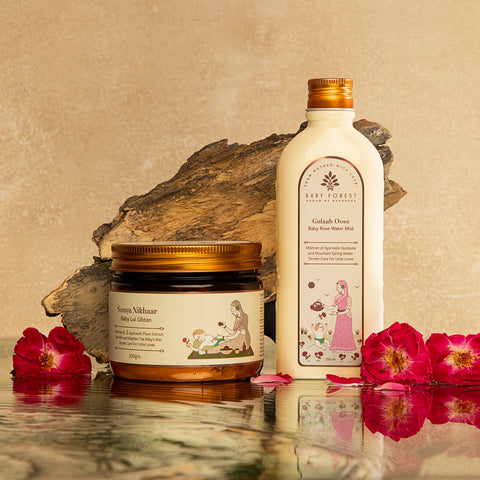
Related Read - Baby Loi Ubtan: Traditional & Modern Care for Stylish Moms
Selecting the appropriate skincare products for your baby is crucial. By choosing a product that is natural, cruelty-free, and free from harsh chemicals, you're guaranteeing that your baby benefits from the finest offerings of nature. Incorporate baby rose water into your baby's skincare routine for a touch of nature's gentleness and purity, embracing its benefits for a happy, healthy baby.
Whether you're a new parent looking for inspiration for the perfect baby shower gift ideas or simply looking for any essential baby care product, like the best baby lotion, our resources are designed to guide you every step of the way.
You can also read more about the traditional and modern significance of using a mustard seed pillow for your little one and explore its various benefits. Or, if you're interested in understanding the richness of Indian ceremonies for your child, our detailed guides on the Annaprashan ceremony and Mundan ceremony will offer insights and practical tips to celebrate these milestones for your little one.
You can read more blogs to ensure that your parenting path is well-informed, joyful, and rich in tradition and care.

Crying, Drooling, Chewing: How Baby Teethers Ease Teethin...
Some days your baby is calm. On other days, nothing seems to work and they start crying suddenly. They keep putting their fingers in their mouths. They chew on their bibs, clothes, toys and that’s when teething starts.
Teething is a normal stage that every baby goes through. But when you are in the middle of it, it does not feel "normal". It feels tiring, not just for you but for your baby too. Their gums feel sore, and that constant discomfort can make them restless and upset. That is when many parents start looking for a safe baby teether to help their little one feel better.
Why Does Teething Cause Discomfort?
Teething discomfort has a simple reason behind it. A tooth does not just appear one day. It slowly pushes up from inside the gum, which creates pressure. As the tooth moves closer to the surface, the gums can feel tight, sore, and sensitive. This pressure is what makes babies uncomfortable during this stage.
Some babies handle it quietly, some do not. They may become clingy, they may want to bite down on something hard. That biting actually helps them deal with the pressure. Once the tooth finally comes out, the discomfort reduces. But before that, they need help staying calm.
What Are the Common Signs of Teething?
The first sign many parents notice is increased drooling. This is often followed by a strong urge to chew. This is usually an appropriate time to introduce a baby teether so they have something safe to bite.
You may also see slight swelling in the gums. Your baby may wake up more at night. Some days they may eat less. Other days they just want to be carried all the time. It can feel worrying at first, but these small changes usually mean teething has begun.
How Can Parents Comfort a Teething Baby?
You do not need complicated remedies, start simple. Wash your hands and gently rub your baby’s gums with a clean finger. Light pressure can help ease the discomfort, and even 10 to 15 seconds may calm them. Keep the baby teether in the fridge and offer it when they seem uncomfortable. Do not keep them in the freezer, frozen teethers become too hard. Cool is pleasant, but extremely cold isn’t.

Sometimes the best comfort is you. Holding them close, walking around slowly, talking softly. Teething makes babies uneasy, they want to feel safe. Ensure to wipe the baby’s drool gently. If the skin stays wet for too long, it can become red and irritated. That only adds to the discomfort.
How Do Baby Teethers Help Soothe Gums?
A baby teether works in a simple and practical way. When babies bite down on it, the pressure helps ease the tight feeling inside the gums. It is similar to gently pressing on a sore area, which can bring slight relief.
Some baby teethers have soft bumps or ridges. When babies chew, those small textures rub the gums gently. That rubbing feels soothing. Beyond easing pressure, a baby teether also offers a safe and hygienic surface for chewing. Without it, they may chew random things around the house that are not always clean or safe.
Why Does Material Matter in a Baby Teether?
The material of a baby teether plays a key role in ensuring both comfort and safety. Since babies place it in their mouths repeatedly throughout the day, what it is made of truly matters.
Babies chew on their teethers multiple times throughout the day, so the texture and flexibility should feel gentle on sore gums. A rubber teether for a baby that is made from natural material usually feels softer. When the baby bites, it bends slightly instead of feeling stiff. That flexibility can make chewing more comfortable.
Many parents prefer a natural rubber baby teether because it does not contain unnecessary chemicals. Babies explore the world with their mouths. So keeping things simple and safe makes sense. Hard plastic teethers may feel too firm on sore gums. Softer natural material usually feels more comfortable.
What Should Parents Check Before Buying a Teether?
Before buying a baby teether, just pause and check a few things:
-
Safe, Non-Toxic Material: Make sure the material is non-toxic and safe for babies. A natural rubber baby teether is often preferred as it avoids harmful substances.
-
Easy for Little Hands to Hold: Babies are still learning to grip. If the teether is too big or too heavy, they will drop it again and again.
-
Soft Yet Durable Texture: A good rubber teether for baby should feel gentle when pressed but should not tear easily.
-
Easy to Clean & Maintain: It will fall many times, so it should be easy to wash and dry.
-
Clear & Transparent Labeling: Clear information builds trust. Confusing labels do not.
These small checks help you choose better.
What Makes a Baby Teether Well-Designed?
Design is not about making something look cute and fancy. It is about making it safe, comfortable, and easy for a baby to use. A good baby teether should fit naturally in a baby’s mouth without feeling bulky. At the same time, it should not be so small that it becomes difficult to grip.
The shape should allow small hands to hold it securely. A well-designed teether usually has an easy-grip form, a soft yet firm texture, and a size that reduces choking risk. Materials should be safe to chew, BPA-free, and free from harmful substances, since babies will bite on them many times a day.
Some natural rubber teethers are shaped thoughtfully for both safety and comfort. For example, the Baby Forest Natkhat Sher Natural Rubber Baby Teether is designed for small hands to hold easily. Its soft, flexible surface supports chewing without feeling too hard, and the structure is made to minimise choking risk. Being BPA-free and made from natural rubber, it keeps safety and simplicity at the centre of its design.
When a teether feels natural to hold and safe to chew, babies can use it more comfortably and independently.
Conclusion
Teething can feel like a long phase, and some days may be more challenging than others. However, it is a natural stage of development that gradually settles with time.
What helps is staying calm and choosing simple solutions. A safe baby teether, especially a natural rubber baby teether, can make daily life a little easier. A soft rubber teether for baby supports chewing without adding extra discomfort. Your baby does not need many things. Just comfort, safety, and you.
Read Also: 15 Natural Ways to Soothe Teething Pain in Babies

The Complete Guide to Choosing the Right Sunscreen for Kids
Sunshine brings warmth, smiles, and outdoor joy, but for babies and young children, it also calls for thoughtful protection. Their skin is delicate, still developing, and far more sensitive to environmental stressors than adult skin.
That's why sun care for little ones isn’t just about preventing a tan, it’s about protecting their skin barrier, shielding skin from harmful UV rays, lowering the risk of sunburn, and promoting long-term skin health.
Choosing the right sunscreen for babies and kids can feel overwhelming with so many options on the shelf. This guide breaks it down simply, so you can protect your little one’s skin with confidence every time they step out into the sun.
How to Choose the Best Sunscreen
Choosing the right sunscreen for your little one is about more than just SPF, it’s about safety, gentleness, and suitability for their delicate skin. Here are a few tips to choose the right sunscreen for your little one:

-
At what age can babies use sunscreen?
-
Under 6 months: Avoid direct sun. Use shade, hats, and protective clothing.
-
6 months and older: Introduce a baby-safe, mineral-based sunscreen. Toddlers and young children benefit from daily use as part of their skincare routine.
-
Why Use Sunscreen?
A child’s skin is thinner and absorbs more from its surroundings compared to adult skin. This makes it more vulnerable to:
-
Redness and irritation
-
Long-term sun damage
Sunscreen forms a protective barrier against harmful UV rays, allowing babies and kids to explore the outdoors safely without compromising their skin’s natural balance.
-
Factors to consider
When selecting a sunscreen for little ones, look for:
-
SPF 30 or above.
-
Broad-spectrum protection.
-
Gentle and non-greasy.
-
Water and sweat-resistant.
-
Dermatologically tested for sensitive skin.
Tip: SPF30 is ideal for kids, as it blocks 97% of UVB rays and is suitable for everyday use.
-
Ingredients Matter: What to Avoid & Look for
Not all sunscreens are made for baby skin. Here are a few ingredients to avoid in sunscreens for little ones:
-
Oxybenzone
-
Octinoxate
-
Parabens
-
Phthalates
-
Artificial fragrances and dyes
These ingredients can be harsh, irritating, or too strong for young, developing skin.
Opt for sunscreens enriched with gentle, nourishing ingredients for little ones:
-
Mineral filters like zinc oxide
-
Natural oils and herbs that moisturize and soothe
-
Antioxidants that support skin health
-
Non-toxic ingredients
These help protect while also caring for the skin, because sun protection should never come at the cost of comfort.
*Oxybenzone: A chemical sunscreen ingredient that can be absorbed into the skin. Baby’s skin is extra delicate, so this ingredient may increase the risk of irritation or sensitivity.
*Octinoxate: Often used to absorb UVB rays, but it can be too strong for babies and may cause skin reactions on sensitive or developing skin.
-
How to apply sunscreen
-
Use a generous amount on all exposed areas: face, neck, ears, arms, legs
-
Apply 15–20 minutes before sun exposure
-
Reapply every 2–3 hours, especially after water play or sweating
-
Use soft strokes, never rub harshly
Making sunscreen a part of your little ones' daily routine helps build lifelong sun-safe habits. Also, it is advised to do a patch test before using the sunscreen.
Why Choose Baby Forest Surya Kawach SPF30 Baby Sunscreen Lotion
Baby Forest Surya Kawach SPF30 baby sunscreen lotion is created with a clear understanding that babies' and young children's skin needs sun protection that is effective yet gentle. It offers SPF 30 protection, suitable for everyday outdoor exposure.

Made using 10 natural herbs and beneficial oils that help protect and care for delicate skin. Ingredients such as sea buckthorn oil help protect a baby's skin from dryness while keeping it moisturised, carrot oil supports full-spectrum protection, and red raspberry is known for offering natural UV protection benefits. Aloe vera, known for its nourishing and soothing properties, retains natural moisture and leaves skin smooth and supple even after sun exposure.
Its lightweight, lotion-based texture spreads easily, absorbs quickly, and leaves no white cast. The finish is soft, hydrating, and non-greasy, making it comfortable for babies and active kids alike. Thoughtfully formulated for sensitive skin, it is safe for everyday use, so time spent outdoors feels easy and worry-free.
Baby Skin vs Adult Skin: Why Regular Sunscreen is a NO-GO
Using adult sunscreen on children can lead to irritation, rashes, or discomfort. A baby-specific sunscreen is always the safer choice. Baby skin is very different from adult skin, which is why regular sunscreens made for grown-ups may not be suitable for little ones.
The table below shows the key difference that makes baby-specific sun protection essential.
|
Factor |
Baby Skin |
Adult Skin |
|
Thickness |
30% thinner, absorbs chemicals more easily. |
Thicker protective barrier with lower absorption. |
|
Sensitivity |
Higher pH, more prone to irritation and rashes. |
Balanced pH, generally more resilient. |
|
Melanin (Natural Protection) |
Lower melanin levels, higher risk of sunburn. |
More developed melanin (varied by skin tone). |
|
Oil & Sweat Glands |
Underdeveloped glands, less natural moisture & protection. |
Fully functional glands that regulate hydration & body temperature. |
Additional Sun Protection Essentials
Sunscreen is an important part of sun safety, but it works best when paired with a few simple everyday habits. Along with applying sunscreen, these additional sun protection tips keep babies and kids comfortable, protected, and happy while enjoying time outdoors.
-
Hats on
Choose wide-brimmed hats that shield your child’s face, ears, and neck from direct sunlight. Choose a hat with a chin strap to keep it secure during outdoor adventures. Ensure that it’s comfortable and fits snugly to stay put.
-
Dressing Right Under the Sun
Dress babies and kids in lightweight, breathable, full-sleeve cotton clothing or a fabric with a tight weave to add an extra layer of protection.
-
On-the-go shades
Use strollers with sun canopies, umbrellas, or portable shades when stepping outdoors. Also consider carrying a pop-up tent for picnic days.
-
Limit direct sunlight exposure
Whenever possible, keep little ones in shaded areas, away from direct sunlight exposure, especially with infants who have very sensitive skin.
-
Avoid peak/strongest hours (between 10 AM and 4 PM)
Plan outdoor activities to avoid peak sun hours from 10 AM to 4 PM, whenever possible. This is the time when the sun's rays are the strongest.
Conclusion
Sun protection is an essential part of caring for your little one’s skin, not just during summer, but every time they step outdoors. Because little ones have delicate, developing skin, choosing the right sunscreen and supporting it with mindful sun-safe habits can make a meaningful difference to their comfort and long-term skin health.
After all, protecting your little one from the sun today helps nurture healthy, happy skin for the years to come.

The Benefits of Using Water Wipes for Your Baby's Delicat...
Welcoming a baby into your family means making so many choices, guided by love, care, and a deep wish to provide the best for your little one. Among these many decisions, choosing everyday hygiene products such as soaps, shampoos, oils, and wipes plays a crucial role in a baby’s daily care.
These products come into direct contact with the baby’s skin multiple times a day. Since a baby’s skin is extremely delicate and still developing its natural protective barrier, it can easily react to harsh chemicals, artificial fragrances, or additives. This makes gentle, chemical-free options essential for keeping the skin healthy, comfortable, and irritation-free.
Baby wet wipes are used multiple times throughout the day, making their ingredients and texture essential for ensuring comfort during everyday care routines. As the demand is increasing with regard to the baby’s skin sensitivity and clean formulations, parents are currently shifting towards easier-to-use products that are safer. Water wipes have become a favourite, as they provide a good cleansing and are gentle to the baby and their delicate skin. This blog will help parents understand the benefits of choosing water wipes for babies and how to pick the right ones.
Understanding the Delicate Nature of Your Baby's Skin
The skin of a baby is more sensitive when compared to an adult. It is more prone to irritation and allergic reactions when exposed to harsh chemicals commonly found in traditional baby wipes. This is where water wipes come into play. Infused with purified water and natural ingredients like aloe vera extract, these wipes offer a gentle yet effective solution for cleaning your baby without causing any harm.
The Purity of Water Wipes
Water wipes are designed with your baby's health in mind. They are predominantly made of purified water, typically over 99%, ensuring that the wipes are free from harmful chemicals and irritants. The simplicity of water combined with the natural soothing properties of aloe vera makes these wipes ideal for frequent use, reducing the risk of diaper rash and skin irritations.
Ultra-Soft Bamboo Fabric
The choice of material in baby wipes is as crucial as the ingredients. Ultra-soft bamboo fabric is renowned for its natural properties: it's anti-bacterial, hypoallergenic, and, most importantly, incredibly gentle on your baby's skin. Unlike traditional materials, bamboo fabric is more absorbent, ensuring a cleaner wipe with less rubbing, thus preventing redness or inflammation.
No Added Fragrance
Many baby wipes come with added fragrances, which, while pleasant, can lead to skin irritations or allergic reactions. Water wipes, especially those that are unscented, eliminate this risk, making them safe for even the most sensitive skin. By choosing fragrance-free wipes, parents can avoid unnecessary chemicals and ensure a pure and natural cleaning experience for their babies.
Dermatologically Tested
When selecting baby wipes, look for those that are dermatologically tested and approved. This certification attests to their safety, assuring that they are devoid of alcohol, parabens, and other harsh chemicals that may harm your baby's skin. It gives parents peace of mind, knowing that the wet wipes for babies they use have been tested and proven to be gentle and safe for newborns and babies with sensitive skin.
Free from Harmful Chemicals and Alcohol
The absence of harmful chemicals and alcohol in water wipes further underscores their suitability for newborns. Alcohol, commonly found in various cleaning products, can cause drying and irritation to delicate skin. By choosing water wipes, parents can ensure their baby's skin remains hydrated and protected from potential irritants found in conventional wipes.
Environmental Impact and Sustainability
Using bamboo-based water wipes benefits both your baby's skin and the environment. Bamboo is a sustainable and biodegradable material, making these wipes an eco-friendly alternative to traditional options. By opting for water wipes, parents are making a conscious choice to protect their baby's health and contribute positively to the planet's well-being.
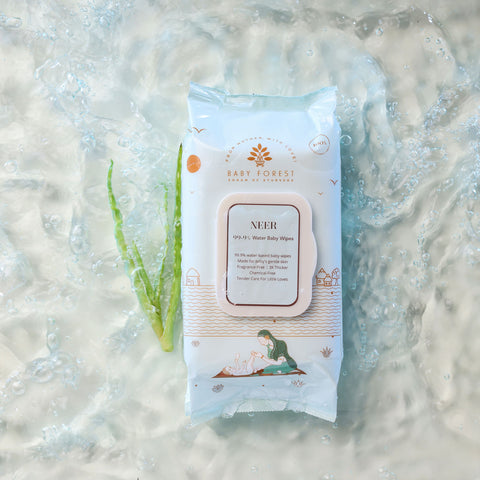
How to Use Baby Forest Neer 99.9% Water Baby Wipes
Using Baby Forest Neer 99.9% Water Baby Wipes is a simple and effective way to keep your baby clean and refreshed, whether at home or on the go. Start by opening the lid located at the top of the pack to access the moisture-rich wipes. Gently pull out a single wipe, ensuring that the rest remains covered. Close the lid firmly after each use to retain the wipes' moisture and prevent them from drying out. Use the wipe to gently clean your baby's skin, including the bottom, face, and hands, effectively removing dirt, germs, and impurities. These wipes are designed for delicate skin, making them suitable for frequent use. Dispose of the wipe responsibly after use, and ensure the pack is sealed to maintain the high quality of the remaining wipes.
Final Thoughts
The journey of parenthood is full of decisions that shape the health and happiness of your baby. Selecting the right baby wipes is a small yet significant part of this journey. Water wipes, particularly those crafted from ultra-soft bamboo fabric and infused with purified water and aloe vera, offer a safe, gentle, and eco-friendly solution for maintaining your baby's hygiene and comfort.
Parents are now choosing a baby product that aligns with the delicate nature of the baby's skin while supporting sustainable practices. Remember, in a world full of choices, the simplest ones are often the kindest for your baby and the planet.
As parents manage through the early stages of parenthood, let the love and care for the baby guide their decisions. By opting for water wipes, parents are ensuring a gentle, pure, and loving touch for the baby's delicate skin, reinforcing their commitment to their health and happiness.

A Comprehensive Guide to Wash Your Baby’s Hair
For many parents, caring for a baby’s hair and scalp comes with a mix of curiosity and caution. A newborn’s delicate head, soft scalp, and tiny movements can make hair washing feel like a moment that needs extra care and patience. In those early days, it’s natural to approach such routines slowly, learning what feels right for both parent and baby.
Using gentle methods and carefully selected products, it is possible to make hair washing a relaxing and reassuring experience for raising a baby. This rhythmic awareness of the frequency of washing, the ingredients that are compatible with a baby's delicate scalp, and the gentle handling of each step aids in transforming this routine into a comforting procedure that nurtures a healthy and happy scalp.
Why Washing Your Baby’s Hair is Important
Regularly washing your baby’s hair is essential for several reasons:
-
Hygiene
It helps to remove dirt, sweat, and excess oils that can accumulate on the scalp. -
Comfort
A clean scalp reduces the likelihood of itchiness and discomfort. -
Health
Proper washing can prevent conditions like cradle cap, a common infant scalp issue.
How Often Should You Wash Your Baby’s Hair?
Babies don’t need their hair washed as frequently as adults, as their scalp produces much less oil. Their scalp generates very little oil during the initial months, and overwashing may, at times, lead to dryness or irritation. Understanding the appropriate washing routine helps parents keep their baby’s scalp clean while preserving the natural balance of their delicate skin.
-
Newborns
For newborns, washing their hair once or twice a week is sufficient since they don’t produce much oil. -
Older Babies and Toddlers
As your baby grows and becomes more active, you might need to wash their hair 2-3 times a week or as needed.
Choosing the Right Baby Shampoo
Selecting the right shampoo is crucial for maintaining your baby’s hair and scalp health. Here’s what to consider:
-
Gentle Formula
Opt for baby shampoos that are specifically formulated for babies. These are usually tear-free and mild, avoiding harsh chemicals that can irritate the scalp. -
Organic Baby Shampoo
Organic baby shampoos are an excellent choice as they are free from synthetic fragrances, dyes, and harmful chemicals. They often contain natural ingredients like aloe vera, coconut oil, and neem extract, which are soothing and nourishing for your baby’s delicate scalp.
Why Choose Organic Baby Shampoo?
A baby’s scalp is very sensitive and much more absorbent than the skin of a grown-up, which is why it is particularly important to use the right baby shampoo. The ingredients of a baby shampoo are equally important as the number of times it is applied. Choosing gentle, thoughtfully made products can help protect the scalp while supporting healthy hair growth.
-
Safe Ingredients
Organic baby shampoos are made from natural, safe ingredients less likely to cause allergic reactions or skin irritation. -
Eco-Friendly
These products are produced using environmentally friendly practices and are biodegradable, reducing their environmental impact. -
Nourishing
Natural organic shampoo ingredients can nourish your baby’s hair and scalp, promoting healthy growth.
Preparing for the Hair Wash
Before you start washing your baby’s hair, gather all necessary supplies to ensure a smooth process:
-
Baby Shampoo
Choose a gentle or organic baby shampoo. -
Soft Washcloth or Sponge
For gentle cleansing. -
Cup or Rinse Bottle
For pouring water over your baby’s head. -
Towel
A soft, absorbent towel for drying your baby’s hair.
Steps to Properly Wash Your Baby’s Hair
1. Create a Calm Environment:
Choose a warm, comfortable room for the bath. Make sure you have everything within arm’s reach to avoid leaving your baby unattended.
2. Support Your Baby’s Head:
Gently cradle your baby’s head with one hand while supporting their body with the other. You can either hold them in your arms or lay them on a padded surface like a bath cushion or a sink insert.
3. Wet Your Baby’s Hair:
Using a cup or rinse bottle, gently pour warm water over your baby’s head. Ensure the water is at a comfortable temperature (around 37-38°C or 98-100°F).
4. Apply Shampoo:
Squeeze a small amount of baby shampoo onto your hand and gently massage it into your baby’s scalp using your fingertips. Be gentle to avoid causing any discomfort. Focus on the scalp rather than the hair itself, as the scalp is where oils and dirt accumulate.
5. Rinse Thoroughly:
Rinse your baby’s hair thoroughly with warm water, ensuring all the shampoo is washed away. Residual shampoo can cause irritation or dryness.
6. Dry Gently:
Wrap your baby in a soft, absorbent towel and gently pat their hair dry. Avoid rubbing, as this can damage their delicate hair and scalp.
Tips for a Stress-Free Hair Washing Experience
Make It Fun:
Turn hair washing into a fun activity by singing songs, talking to your baby, or using bath toys to distract them.
Be Consistent:
Establish a routine so your baby knows what to expect. Consistency can make the process smoother and less stressful over time.
Be Patient:
Your baby might not enjoy hair washing at first, but with patience and gentle handling, they will gradually get used to it.
Use Minimal Products:
Babies have sensitive skin, so it’s best to use minimal products. Stick to a gentle shampoo and avoid using conditioner or other hair products unless necessary.
Handling Common Challenges
Cradle Cap
If your baby has a cradle cap (a common condition characterized by flaky, crusty patches on the scalp), you can gently massage a bit of baby oil onto the scalp before shampooing. This helps to loosen the flakes. Use a soft brush to gently remove the flakes during shampooing.
For more information on cradle cap, you can read this detailed guide - Dealing with Cradle Cap: Causes, Treatment Options, and Proactive Prevention
Fear of Water
Some babies are afraid of water being poured over their heads. To minimize discomfort, pour water slowly and shield their eyes with your hand. Using a rinse bottle with a spout can help direct the water flow more precisely.
Sensitive Scalp
If your baby has a particularly sensitive scalp, consult your pediatrician before using any new products. They might recommend a specific shampoo or provide additional care tips.
Properly washing your baby’s hair is an important part of their hygiene routine. By choosing the right products, such as organic baby shampoo, and following gentle techniques, you can ensure that hair washing is a comfortable and enjoyable experience for both you and your baby. Remember, patience and consistency are key to making hair washing a smooth part of your baby’s bath time. With these tips, you can keep your baby’s hair clean, healthy, and happy.
Conclusion
Washing a baby’s hair does not necessarily have to be a complicated task. With tender care, conscious buying habits, and a relaxed mood, it can become a soothing routine for both the baby and the parents. While choosing the best baby shampoo, parents should refer to the product label and opt for a gentle and natural formulation. Frequency of washing, patience, and tenderness ensure that the baby’s scalp remains healthy, making bath time a positive experience.

Must-Have Winter Wardrobe Essentials for Newborns (0–3 Mo...
Newborns express discomfort in subtle ways, often through restlessness, crying, or unsettled sleep. In the early weeks, parents gradually learn to recognise these small cues and adjust daily routines to meet their baby’s needs.
During winter, this process can feel more sensitive, especially in the first few months, when a newborn is still adapting to life outside the mother’s womb. Clothing choices, in particular, play an important role in maintaining comfort as the baby’s body learns to respond to changing temperatures.
Why a Winter Wardrobe Matters for Newborns
In the early weeks, newborn babies rely entirely on the choices their parents make, from feeding and sleep routines to clothing. Winter requires additional care, as colder temperatures affect babies differently than adults and make thoughtful clothing choices especially important.
-
Newborns Lose Body Heat Easily
A newborn’s body is still learning to regulate temperature, which means heat is lost more quickly than in adults. While it may seem helpful to add multiple layers, too many can cause discomfort. Light, breathable layers made from soft fabrics help maintain warmth while allowing the baby to stay comfortable during winter.
-
Supporting a Newborn’s Natural Warmth
Babies are unable to manage their body temperatures independently. They rely on the clothes, heat in the rooms, and soft layers to keep them comfortable. Appropriately designed winter clothes help in this natural acclimatisation process.
-
Higher Risk of Skin Dryness
Winter air is dry, especially indoors. A newborn’s skin can get irritated easily, especially due to rough fabrics. Using soft, gentle clothing helps reduce dryness and keeps the baby comfortable and relaxed.
-
Creating a Comfortable Sleep Environment
Newborns feel more relaxed when they are dressed in warm, snug clothing. When babies are comfortable, they tend to sleep better, which also means better rest for parents.

Why Komal Sneh Baby Winter Care Combo Makes a Perfect Gift
Every season changes the way adults care for their skin. Summers feel lighter. Winters demand more moisture, more protection, more attention. Now imagine how much more sensitive a newborn’s skin is. Soft, delicate, almost like a ball of cotton that reacts to everything around it. Cold air, warm blankets, sudden temperature shifts. It all shows up on a baby’s skin much faster.
Winter can be especially tricky for newborn baby care. Dryness, irritation, blocked nose, restless sleep. Parents often find themselves worried, even when they’re doing everything right. That’s why winter-specific baby care matters so much. And it’s also why choosing the right baby gifts during this season feels more meaningful than ever. When someone brings home a gift that truly helps, not just looks pretty, it stays remembered.
How Baby Skincare Needs Change in Winter
Winter changes everything for a baby. Their skin loses moisture quickly, and their body is still learning to adjust to the outside world. Parents often notice changes within days.

Winter Challenges That Affect a Baby’s Skin
-
Cold weather basically loses more moisture from the skin than it does at other times. Thus, the symptoms of dryness and skin tightness are those which mainly occur, especially on the face, hands, and legs.
-
Not-so-smooth or flaky skin patches may become visible during the cold period of the year. The skin barrier gets thinner, which makes the baby more prone to irritation.
-
Babies have underdeveloped immune systems, making them more prone to colds and nasal congestion during winter. This can disrupt their sleep and affect their overall well-being.
-
Due to the dryness, the skin is in regular need of richer oils and creams that are capable of nourishing deeply as well as protecting the skin from the outside.
-
Changes in temperature from heated rooms to cold outdoor air can cause a baby's skin to become very sensitive. Usually, redness and discomfort are the symptoms that appear as a result of it.
These challenges make winter baby care very different from the rest of the year.
Why Thoughtful Gifting Matters for Newborns and New Parents
New parents surely don't have it easy. Between feeding schedules, sleep routines, doctor visits, and worrying constantly about whether they are doing enough, they are pretty much overwhelmed. So, when someone gifts a thoughtful, practical, and season-appropriate thing, it really feels like a warm hug of support.
That is the reason why winter baby gifts are more attractive. Parents receive products that make their child comfortable rather than picking up pretty things that might not be used right away.
At baby shower events, holidays, or Christmas, picking up baby shower gifts that focus on the comfort and care of the baby is the most thoughtful gesture. It makes the parents feel that someone really gets it. That’s what makes winter care combos one of the best gift ideas for newborns.
What Makes the Komal Sneh Baby Winter Care Combo a Perfect Gift Choice
The Komal Sneh Baby Winter Care Combo is designed to support a baby through the toughest season. It doesn’t overload parents with too many products. Instead, it focuses on what really matters in winter. Comfort. Warmth. Protection.
Each product in the combo plays a specific role in newborn baby care, and together, they create a simple, reassuring routine.
Gentle Winter Wellness Support with Komal Shwaas Baby Vapour Rub
Winter congestion is something almost every baby faces. A blocked nose can make feeding difficult and disturb sleep, which worries parents deeply. Komal Shwaas Baby Vapour Rub is made with a gentle blend of eucalyptus, rosemary, lavender, and thyme. These natural ingredients help clear breathing pathways without being harsh on sensitive skin.
The formula is 100% natural and made especially for babies. Parents often use it as part of a bedtime routine to help their little one breathe easier and sleep more peacefully.
Nourishing Everyday Facial Care with Khilta Mukhra Baby Face Cream
A baby’s face needs special attention. It stays exposed to cold air, saliva, and frequent wiping throughout the day. Facial skin is also more delicate than the rest of the body, which is why it benefits from a cream designed specifically for this sensitive area.
Khilta Mukhra Baby Face Cream is made with shea butter, saffron, and almond oil, ingredients chosen for their gentle nourishing properties. The cream spreads easily on the skin without feeling heavy and helps keep the face moisturised through the day. It also protects against dryness, making it suitable for regular use. Parents often appreciate that it feels light enough for daily care while still providing lasting nourishment.
A Soothing Winter Massage Ritual with Badami Sneh Almond Oil
Massage is more than skincare for babies. It’s comfort, bonding, and warmth all in one. Badami Sneh Organic Cold-Pressed Almond Oil is a winter essential. It helps keep the baby warm, relaxed, and well-nourished. Regular massage supports bone and muscle strength, protects the skin barrier, and soothes flaky scalp or cradle cap. Many parents also notice healthier hair growth over time. Because it’s cold-pressed and organic, parents feel confident using it daily during the winter months.
Why This Combo Stands Out as a Winter Gift
What makes the Komal Sneh Winter Care Combo special is how everything works together.
-
The vapour rub supports breathing and sleep.
-
The face cream protects exposed skin.
-
The almond oil nourishes deeply and keeps the baby warm.
Together, they create a complete winter care ritual that supports baby wellness while making daily routines easier for parents. This is why many consider it the best gift for a newborn baby during winter. It’s not just thoughtful. It’s useful every single day. For anyone looking for baby gifts that truly help, this combo feels like the right choice.
A Gift That Truly Cares
Some gifts are opened, admired, and then set aside. Others quietly become part of everyday life. The Komal Sneh Baby Winter Care Combo falls into the second category. Designed to support newborn baby care during winter, it focuses on comfort and protection when babies need it the most, helping parents feel a little more confident and less worried during the colder months.
Whether it’s chosen as a baby shower gift, a holiday present, or a thoughtful surprise for new parents, this combo offers warmth, comfort, and genuine care. It reflects what best gift ideas for newborns should do: support daily routines, bring ease to parents, and show care that lasts beyond the moment it’s unwrapped.

Baby Loi Ubtan: Traditional & Modern Care
We all have at least one dainty memory of our Dadi maa or Nani maa rubbing the back of an infant with wheat atta loi, especially on a baby's forehead. It’s one of those heartwarming rituals that reminds us how beautifully Indian traditions blend love with care. Since babies are as delicate as rose petals, ubtan for babies to remove hair by loi is pain-free. There’s something so reassuring about knowing that this little practice has been passed down through generations, not just as a routine but as a gesture of pure affection. For these fragile and initial days, using wheat atta loi for babies is a perfect Indian tradition with an optimum amount of tenderness!
Not as typical as it sounds, a loi is just a tiny amount of wheat dough rolled into a ball and dipped into oil of preference for giving a loi massage to your little one. It’s that simple, soothing touch, almost like a grandmother’s warm hand, that makes the experience feel so comforting for both parent and baby.

A Comprehensive Guide To Choosing the Best Pillow for You...
When you welcome a new baby into your home, every little decision can seem overwhelming, especially when it comes to ensuring their comfort and safety. One such decision is choosing the right pillow for your newborn.
With so many options in the market, it’s important to choose a baby pillow that supports your baby's delicate head, promotes safe sleep, and reflects mindful care. That’s where the traditional mustard seed pillow stands out. Long trusted in many cultures and now embraced by modern parents, it offers gentle and natural comfort, and wellness-oriented benefits that aligns well with baby care.
In this guide, we'll explore why the mustard seed pillow is considered one of the best choices for newborns and also understand its numerous benefits.
Understanding your Newborns' Needs
Before we discuss the specifics of pillows for newborns, let's discuss why newborns need different support than older babies and adults. Newborns have delicate structures, including their neck, spine, and head. They require a pillow that supports natural posture, prevents flat head syndrome, and ensures a safe & comfortable sleep environment. The choice of pillow can significantly impact their well-being and development during these critical early months.
Mustard Seed Pillow for Newborns: An Ancient Solution
The mustard seed pillow is not a new invention but rather a traditional solution that has been used for generations in many cultures around the world. This type of pillow is filled with tiny mustard seeds, which provide a firm yet adjustable surface for your baby's head. The flexibility of the mustard seeds allows the pillow to mould perfectly to the shape of your baby's head, providing support without unnecessary pressure.
Benefits of a Mustard Seed Pillow for Newborn
-
Prevents Flat Head Syndrome
One of the most significant benefits of using a mustard seed pillow is its ability to prevent the development of flat head syndrome. This condition, known as plagiocephaly, develops when a baby's head flattens because of sustained pressure on a specific spot. The malleable nature of the mustard seed pillow helps distribute pressure evenly around the baby's head, reducing the risk of flat spots.
-
Natural and Safe:
Mustard seeds are completely natural and non-toxic, making them a safe filling for newborn pillows. Unlike synthetic materials, mustard seeds do not emit harmful chemicals that could irritate your baby's sensitive skin or respiratory system.
-
Supports Neck and Spine:
One of the standout benefits of the mustard seed pillow is its exceptional ability to support the delicate neck and spine of a newborn. The unique structure of the mustard seeds allows the pillow to conform naturally to the shape of the baby's head, guaranteeing that the neck and spine maintain a neutral alignment. This alignment is crucial for preventing any strain on these developing areas and promotes a healthy posture from an early age. By distributing the baby's head weight evenly, the mustard seed pillow reduces the risk of common issues like flat head syndrome while simultaneously providing the necessary support for the neck and spine
-
Durable and Long-lasting:
Mustard seed pillows are incredibly durable and can last for many years if properly cared for. They do not lose their shape or support over time, unlike foam or feather pillows, which can become lumpy or flat.
Related Read - Mustard Seeds Pillow Benefits: Ideal for Your Newborn's Comfort and Health
How to Find the Ideal Newborn Pillow?
The ideal newborn pillow should be firm enough to support the baby's head, yet soft enough to prevent any undue pressure that could lead to flat spots. It should also be made of natural, breathable materials like cotton, to maintain a comfortable temperature and protect the baby’s delicate skin from irritation.
Adjustability is another key factor, allowing the pillow to adapt as the baby grows. A mustard seed pillow embodies all these characteristics, while offering a traditional yet highly effective solution for newborn sleep comfort.
A Thoughtful Option to Consider
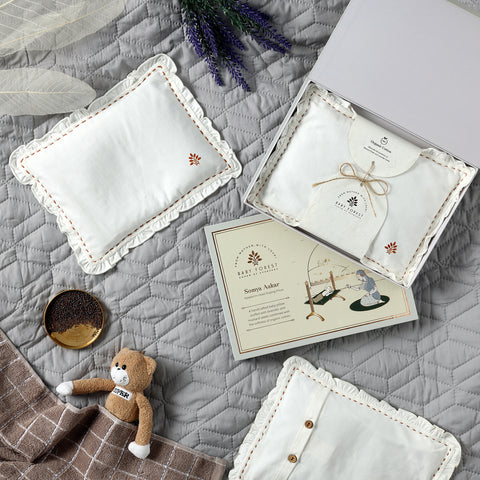
When you look at all the mustard seed pillows out there, Baby Forest’s Somya Aakar Newborn Head-Shaping Pillow really feels like one of those thoughtful choices parents naturally reach for.
It’s filled with organic mustard seeds and covered in soft, 100% organic cotton, so it gently adjusts to your baby’s delicate head while still letting their skin breathe. And there’s a little extra care tucked inside too - a hint of lavender mixed with the mustard seeds, which helps keep mosquitoes away and makes your baby feel calmer and sleep more peacefully. It’s the kind of small detail that makes a big difference during those early months.
With comfort, safety, and natural benefits infused into its design, this baby pillow becomes a reliable everyday choice for newborns.
Care and Maintenance
Caring for a mustard seed pillow is straightforward. Regularly airing the pillow and exposing it to sunlight can help maintain its freshness and prevent moisture buildup. The pillow cover should be washable for easy cleaning. You should keep checking the pillow regularly for any signs of wear and tear to ensure it remains safe and effective for use.
Conclusion
Choosing the best pillow for your newborn is a critical decision that can affect their comfort, safety, and development. The mustard seed pillow, with its natural, adjustable, and supportive properties, stands out as an excellent choice for many parents. By understanding the benefits of a mustard seed pillow and knowing what to look for when choosing one, you can provide your baby with a comfortable, supportive sleeping environment that promotes healthy growth and development. Remember, every baby is unique, so it's essential to consider your child's specific needs when making your selection. Here's to peaceful nights and healthy babies!

The Benefits of Regular Baby Massages - A Parent's Guide
Baby massage is a long-standing tradition which has been passed over through generations in many cultures. Every parent wants to give their little one the best start in life. One simple yet profound way to support a baby’s health, comfort, and development is through regular baby massages. This age-old practice offers numerous benefits that go beyond physical well-being; it also nurtures emotional connection and relaxation.
Baby massage involves gently rubbing and kneading your baby's body with your hands. By using baby massage oils or moisturizers to help glide on the skin smoothly, this practice can be both relaxing and therapeutic. It's a special time for you to connect with your baby, and it has been shown to benefit infants in multiple ways.

Benefits of Baby Massage
1. Enhances Bonding
Touch is a powerful tool in human relationships and plays an essential role in parent-child bonding. Regular massage can improve the connection between you and your baby, providing a time of closeness and mutual comfort. This can be especially beneficial for mothers battling postpartum depression or parents who may have had limited contact with their baby due to medical issues after birth. It's a wonderful way to express your love and care, which can make your baby feel secure and cherished.
alongside the massages, small gestures like eye contact, talking with the baby and rubbing the baby with the hands are nonverbal signs of warmth and affection. With time, these are the moments that they can rely on to form trust and closeness.
2. Promotes Better Sleep
Massage helps relax the baby’s muscles, calm the nerves, and ease tension, all of which encourage deeper, more restful sleep. Many parents observe that a gentle massage before bedtime helps the baby fall asleep faster and stay asleep longer.
A bedtime routine of daily massage using baby massage oil can help your little one relax, giving a sense of comfort that helps them fall asleep faster and better.
Scientific studies have shown that regular massage improves sleeping patterns, reduces crying, and contributes to healthy weight gain. The soothing rhythm of touch stimulates neurological development and helps regulate the baby’s sleep-wake cycle.
3. Aids Digestion and Relieves Gas
Regular massage can greatly benefit a baby’s digestive health. Gentle strokes on the tummy help reduce discomfort caused by gas, colic, and constipation. This is especially helpful for newborns who often struggle with irregular digestion.
Gently massaging your baby’s tummy in slow, clockwise circular motions can support healthy digestion, ease bloating, and promote smoother bowel movements. When done with a natural newborn massage oil, it not only soothes internal discomfort but also leaves your baby’s skin soft, nourished, and relaxed. The gentle touch not only aids digestion but also helps parents tune into the baby’s physical cues, improving their overall comfort.
4.Supports Sensory Development
The sense of touch is a key part of your baby's sensory development. Massaging stimulates the nerves under the skin and may help enhance your baby's perception abilities and awareness. It's an excellent way to stimulate nerve connections to the brain and help a baby's tactile sensitivity.
5. Improves Immune System
Giving your baby regular massages can help strengthen their immune system by boosting the production of white blood cells, which are key in fighting off infections. Massaging your little one also stimulates their lymphatic system, which helps clear out toxins and contributes to better overall health. This gentle practice not only keeps them healthier but also adds a soothing touch to their daily routine.
Things to Consider When Buying a Baby Massage Oil
Choosing the right baby massage oil is crucial, as the baby’s skin is soft, thin, and delicate. Parents should always select products that are gentle, natural, and dermatologically tested. Vegan and cruelty-free options are ideal since they are made without animal products or animal testing. It’s best to avoid mineral oils or those with artificial fragrances, as these can irritate sensitive skin.
When choosing a baby massage oil, parents should prioritise purity, safety, and nourishment. A good massage oil should be cold-pressed, organic, and free from synthetic additives or fragrances. These qualities ensure the oil retains its natural nutrients and remains gentle on a newborn’s delicate skin. It should also have a light texture that absorbs easily without leaving a sticky residue, allowing for smooth, soothing strokes during massage.
Among the best natural options are coconut oil, sesame oil, and almond oil. Each offers unique benefits; coconut oil keeps the skin soft and prevents dryness, sesame oil provides warmth and promotes circulation, while almond oil, rich in vitamin E and healthy fats, helps strengthen the baby’s skin barrier and supports healing. Together, they nurture and protect your baby’s skin, making massage time both relaxing and beneficial.
Before use, it’s advisable to do a small patch test on the baby’s arm or leg to ensure there is no allergic reaction.
How to Get Started with Baby Massage
Getting started with baby massage is simple, but it's important to do it safely:
-
Choose a Quiet Time:
Pick a time when the baby is relaxed but awake, not immediately after feeding or when sleepy. It is usually best before a warm bath or just before bedtime since the baby is relaxed and is open to gentle caressing.
-
Create a Comfortable Setting:
For a cozy and calming atmosphere, use a warm and softly lit room. Place your baby on a soft blanket or towel. -
Use Suitable Oils:
Natural oils like almond oil for baby massage or coconut-based newborn baby massage oil are excellent for hydration and skin nourishment. Unless recommended by a paediatrician, it’s best to avoid essential oils, as they can be too strong for a baby’s delicate skin. If you choose to use them, always perform a small patch test first to check for any allergic reactions or irritation.
-
Be Gentle:
Use soft, gentle strokes. You can start with the legs and feet, then move up to the arms, chest, back, and stomach. -
Observe Your Baby's Cues:
Pay attention to how your baby responds. If they seem uncomfortable or upset, stop the session.
Why Almond Oil Is an Excellent Choice for Baby Massage
Among the various options available, almond oil for baby massage is one of the most trusted. It is lightweight, non-greasy, and easily absorbed by the skin. Rich in Vitamin E, magnesium, and omega fatty acids, it helps keep the baby’s skin smooth and nourished.
Massaging your baby with almond oil offers a range of nurturing benefits. Rich in vitamin E, magnesium, and healthy fats, it helps strengthen developing bones and muscles while deeply nourishing the skin. Its natural emollient properties keep the baby’s skin soft, supple, and well-hydrated without clogging pores. Regular use also supports better blood circulation, promotes relaxation, and can even improve sleep quality. Because it’s gentle and hypoallergenic, almond oil is especially suitable for babies with sensitive or dry skin, leaving it smooth, healthy, and protected.
Many parents prefer almond oil because it provides both nourishment and a calming effect, turning the massage into a comforting ritual that benefits the baby’s body and mind.
Final Thoughts
Regular baby massages are a beautiful way to care for a child’s health, comfort, and happiness. Beyond physical growth, they foster emotional security and strengthen the connection between parent and child.
Whether parents choose traditional almond oil or any other organic option, what truly matters is the consistency and love behind each touch. Those few minutes of gentle massage each day help soothe the baby, foster relaxation, and strengthen the bond between parent and child, nurturing both the little one’s body and emotional well-being.
By making baby massage a part of the daily routine, parents can create moments of calmness and joy that both the baby and family will cherish.

Pashmina Baby Blanket: A Perfect Choice for Your Newborn
There’s something very special about the moment a baby is wrapped for the first time. That soft little bundle, resting peacefully, makes every parent want to protect that comfort forever. The very first thing that touches a baby’s skin after birth matters, it becomes their tiny world of warmth and love. That’s why choosing the right baby blanket goes beyond appearance or cost, it’s about ensuring comfort, safety, and gentle care.
Among all the choices out there, a Pashmina baby blanket feels like a dream. It’s soft, light, and naturally warm, almost like a mother’s hug. It doesn’t just keep the baby cozy, it gives them that secure feeling every newborn needs in those first few months of life.
Why the Right Baby Blanket Matters from Day One
A baby's skin is completely different, it is much more delicate, thinner, and sensitive compared to adult skin. Using the wrong fabric can easily cause a baby’s skin to turn red, develop rashes, or become irritated very easily. There are quite a few synthetic blankets that trap heat or don’t allow the skin to breathe, thus making the baby uncomfortable. Hence, softness and breathability are the two features that cannot be compromised when it comes to looking for a perfect baby blanket for winter.
Soft baby blankets that are free from chemicals and are skin-friendly go a long way in making the baby sleep peacefully and wake up feeling happy. Most of the time, we see that babies wrapped in gentle and breathable fabrics sleep better and are less irritable. It is these small things that make a big difference in a baby’s early comfort.
Gentle Comfort, Safe for Every Snuggle
The perfect newborn baby blanket should have just the right mix of softness, warmth, and airiness; qualities that come naturally to Pashmina. It’s a natural fiber that adjusts beautifully to the baby’s body temperature, keeping them warm in cold weather and comfortably cool while making them warmer.

Changing Weather After Diwali: Seasonal Care Tips for Lit...
Diwali fills our home with joy, lights, and togetherness. But as the festive season comes to an end, the weather begins its quiet shift. The crisp mornings, smoky post-festive air, and dry winds often bring with them cold and changes in health. For little ones with delicate skin and health, this seasonal transition requires mindful care rooted in warmth, nourishment, and protection.
These transitional days are a sensitive time. As immunity dips, your little ones are more prone to colds, coughs, dryness, and restlessness, as their delicate bodies need extra support. With the wisdom of Ayurveda and gentle, natural rituals rooted in warmth, nourishment, and protection, here are some mindful ways to care for your little ones this season.
Post-Diwali Baby Care Tips
Here are some simple yet effective post-Diwali baby care tips to ensure your baby stays healthy, happy, and cozy after the festivities.


Why the Somya Aanchal Towel Makes Bath-Time Special for N...
Bath time is one of the most joyful and bonding moments for parents and babies. It is not just about cleansing, but also about laughter, play, and the closeness that builds trust. For many families, it becomes a cherished daily ritual filled with warmth and affection. Yet, what follows the bath is just as important as the bath itself. A baby towel becomes the first layer of comfort after water touches delicate skin. Soft and clean baby towels wrap the baby in protection, keeping their body warm, dry, and cared for. This is why a newborn baby towel is not just another add-on for the shelf but an essential part of baby care. What seems like a daily task becomes a soothing ritual with a soft, absorbent towel for comforting fragile skin and deepening the bond between parent and baby.
Bath Time Needs Extra Care. Here’s Why
A baby’s skin is soft, sensitive, and loses moisture faster than an adult's. In such a case, the towel’s fabric plays a crucial role in keeping it protected and gentle. A rough and poor-quality towel could give rise to irritation or redness on the baby's skin. That is why soft baby towels are always recommended, as they play a key role in keeping a little one’s skin safe and comfortable. It brings the idea of safe towels where comfort, softness, and absorbency would meet under one roof to dry the baby quickly and gently after every bath.

Everyday Cleaning Tips for New Parents: From Bottle Wash ...
The first months of parenthood bring unmatched joy but also a whole new set of responsibilities. Every hug, every smile, every achievement comes with an unspoken promise of security and nurture for the baby. But most importantly, the cleanliness of the baby’s environment should always be given special attention to ensure safety and comfort. Babies have delicate immune systems, and exposure to even a tiny germ can bring some trouble
Daily cleaning is more than maintaining cleanliness; it is about creating an environment where the baby can grow, learn, and thrive with safety. Everything, from their feeding bottles, toys, and clothes to the floor upon which they crawl so excitedly, should be clean and safe. Parents soon realise that regular household cleaners are not suitable for babies. Strong fragrances and chlorine make them unsafe. That’s why Baby Forest natural, plant-based cleaning products are made with babies in mind, offering a safer and more trusted choice.

A Parent’s Go-To Guide for Safe and Comfy Baby Swaddling
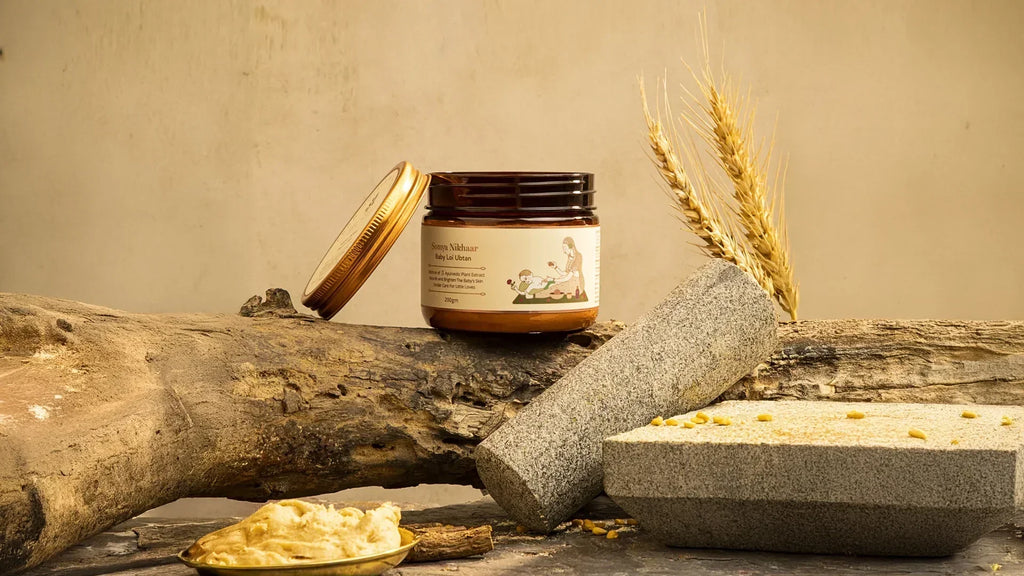
The Benefits of Ubtan Powder for Your Little One
A baby’s skin carries a special kind of magic, soft, tender, and untouched by the world. Parents often look on with awe at this pure joy, wanting to do everything to preserve it. In Indian homes, constant care for a baby's skin has never been a mere routine; it has been a very precious ritual, combining love, traditions, and gentle healing remedies that have withstood time.
And among these wonderful time-tested traditions is the use of ubtan powder. Ubtan, prepared from homemade ingredients like besan, haldi, and dahi was more than a simple cleanser of the skin; it was a sincere expression of care from one generation to the other. Grandmothers passed it down, while mothers applied it with love, and the babies received not just skincare but the touch of tradition itself or the warmth of ancient tradition. To this day, this ritual of using ubtan powder represents the collaboration between nature’s simplicity and a parent’s desire to nurture.
Why Baby Skin Needs Gentle, Natural Care
A baby’s skin is thinner and considerably more sensitive than that of an adult. This makes it more prone to dryness, rashes, redness, irritation, and even conditions like eczema. Frequent exposure to harsh weather, rough fabrics, or unsuitable products can also lead to discomfort and imbalance in the baby’s delicate skin barrier. Especially with bathing and weather changes to aggravate itching, parents try to look for natural and safer alternatives that cleanse and nurture their baby's skin. Ubtan powder is an ideal choice for babies because it respects the gentle nature of their skin.
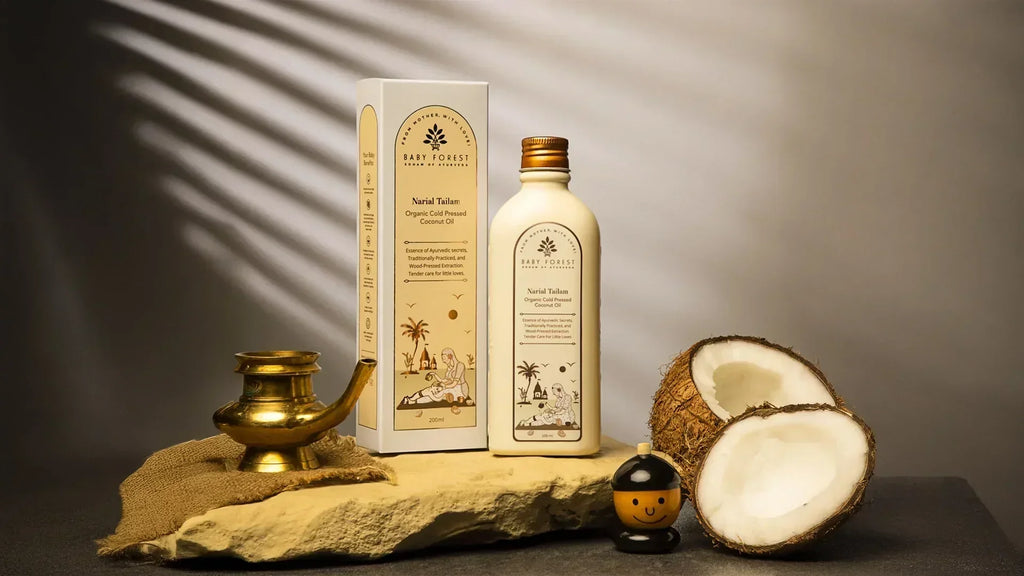
Best Coconut Oil for Babies: Why Cold-Pressed is the Heal...
Natural and safe care is something all parents want for their baby. With every season bringing its own weather changes, babies’ needs for extra care naturally arise. The dryness that comes right after Diwali or the chill in the air requires some extra protection for the babies. That’s why a good skincare routine and daily body massage become essential as part of the daily routines, keeping the baby strong, healthy, and comfortable.
Among the many oils available in the market, traditional coconut oil has always stood out as a trusted choice, passed down through generations as a symbol of care and strength. Today, parents continue to seek that same purity and safety their grandmothers once promised. This is exactly why cold-pressed coconut oil has gained popularity; it retains the vital nutrients more effectively than other methods, ensuring babies receive the healthiest, most natural start in life.
Why Parents Trust Coconut Oil for Babies
For decades, coconut oil has been used in baby care in Indian homes. Massages with this oil, known as “maalish,” were seen as essential for strong bones, healthy skin, and a calm mind. It was a great method to make the baby doze off to a deep sleep and is considered a part of healthy habits for a baby’s peaceful sleep. Grandmothers and mothers often spoke of its gentle touch, reminding us that care rooted in tradition always stands the test of time.
Coconut oil is natural yet versatile. It protects the skin, scalp, and hair and also relieves redness or dryness. Its soothing nature makes it an essential part of a baby’s growing years.

How to Use Baby Wipes Effectively and Why They're a Must-...
Babies bring joy, laughter, and countless tender moments each day. Along with these moments come the natural moments of care, such as feeding, cuddling, diapering, and playing. Especially, feeding often brings its share of cute little messes, the most common being milk spills.
Feeding a baby while travelling and during playtime has its own delights and requires attention. Parents want to wrap their baby in the softest and most hygienic comfort during play and travel, which is why they look for the best and safest products for their little one. And baby wipes are the answer to all these worries.
Baby wipes are not just baby care products; they are a must-have for every parent, as they help to gently clean the baby's skin on the go. This guide will help you understand what baby wipes are, their uses, the right method to use them, and why every family needs to have baby wipes on hand.
The Reason Why Parents Choose Baby Wipes
A baby’s skin needs extra care because it is sensitive. If parents use products that are not baby-safe, the skin can quickly dry out or become irritated. Baby wipes offer a hygienic solution as they gently cleanse, hydrate, and soothe the skin.
Parents especially value baby wipes during busy schedules. They make it easy to clean the baby’s skin at home, outdoors, or while travelling, while also providing instant freshness. These qualities make baby wipes a versatile and practical choice for everyday care.
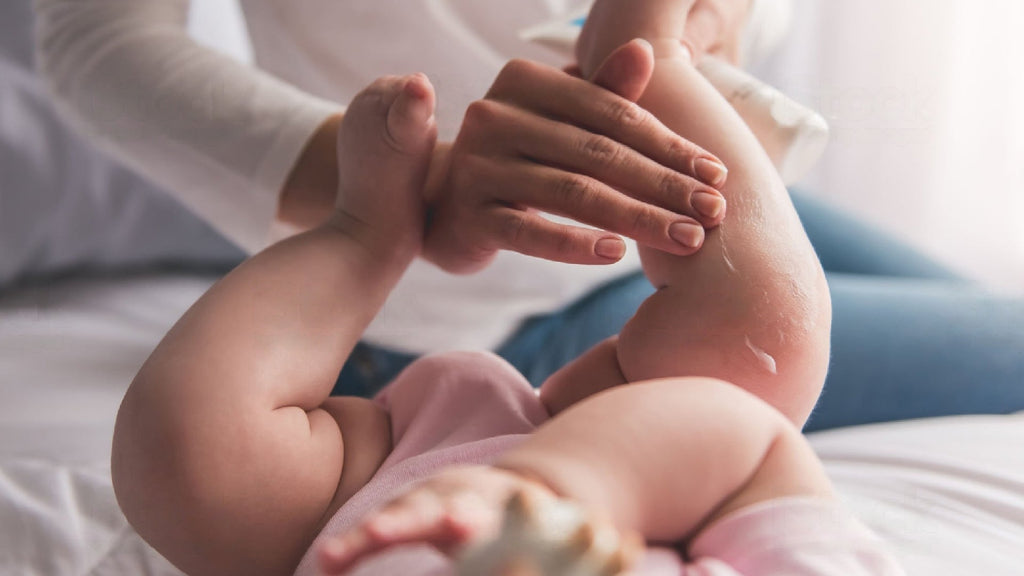
Tips for Choosing the Best Baby Lotion For Your Newborn
The first few months of a newborn’s life are filled with cuddles, comfort, and constant care. Every small thing matters, like the bedsheets that hold their tiny bodies or the onesies that they wear. Among all these little thoughtful concerns, skin care is a matter of utmost worry. In the early days, a baby’s skin is wonderfully delicate; far thinner and more sensitive than adult skin. A baby’s skin also tends to get dry quickly, and with changing seasons, rashes, rough patches, and irritation are frequent for little ones.
In such cases, a baby's body lotion takes the spotlight. Baby lotion helps protect the skin from seasonal dryness and preserves moisture. Parents often find themselves wondering which is the best baby lotion, hoping to choose what truly cares for their little one’s delicate skin. It all comes down to how the lotion feels and how nourishing it is. Let’s understand more about how to pick the right lotion for your baby.
Why Baby Lotion Matters More Than You Think
Using lotion becomes even more important when it comes to a newborn baby. Newborns have extremely delicate skin, and as we already know, their skin loses a lot of water, which causes discomfort and dryness. Using a baby body lotion can help a lot, as it removes the discomfort that comes with dryness and makes the body soft. This is especially true during the colder months when baby skin is even more susceptible to dryness.
Applying a good baby body lotion forms a protective layer on the skin that helps protect the baby from irritation caused by dust, changes in weather, frequent bathing, and many other reasons.
A baby lotion does more than just prevent dryness. When made with soothing natural ingredients, it helps the skin stay relaxed, soft, and comfortable throughout the day. Applying lotion after a warm bath or during daily care routines keeps the baby’s delicate body nourished and cared for.