 Skip to main content


Baby Care & Parenting Blogs
Winter Dry Skin in Babies: Why Lotion is a Must-Have This...
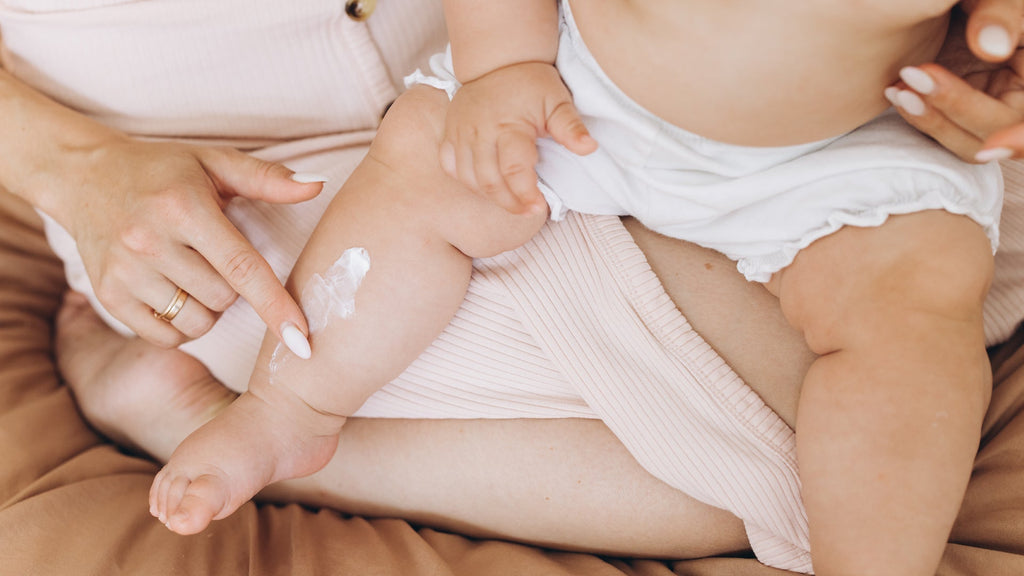
Winter brings a chill in the air, cosy blankets, and festive cheers. But for babies, it also brings dry, flaky skin that can be uncomfortable and even painful. As parents, you want your baby to feel soft, smooth, and happy in their delicate skin. That's where baby lotion comes to the rescue, especially organic ones that nurture and protect without any harsh chemicals.
Ingredients like shea butter, coconut oil, and almond oil work wonders for hydration. For example, the Moh Malai Baby Body Lotion use these natural elements to deeply moisturize and nourish, keeping your baby's skin supple and glowing even in winter. Shea butter locks in moisture, coconut oil softens, and almond oil ensures smoothness-all while being gentle and safe.
With the right baby lotion, winter can be all about cuddles and comfort for your little one!
Why Baby Skin Needs Extra Care in Winter
Baby skin is so much thinner and more delicate than ours, making it prone to losing moisture quickly-especially during winter. Dry air outside and heaters inside can leave their skin feeling parched, sensitive, and even itchy.
In cold weather, natural oils in the skin disappear faster, often leading to redness, irritation, or even eczema. Since babies can't tell us they're uncomfortable, you might notice extra scratching, fussiness, or dry patches. That's why using a gentle, organic baby lotion regularly is a game-changer. It not only locks in moisture but also protects their skin barrier and soothes irritation, keeping your little one comfy and happy all winter long!
Benefits of Using Lotion for Winter Dry Skin
Using baby lotion in winter isn't just about adding a soft touch; it's about protecting your baby's health. Here are some benefits:
-
Hydration:
A good baby lotion replenishes lost moisture, keeping the skin soft and supple.
-
Barrier Protection:
Organic lotions often contain natural oils like coconut, almond, or shea butter, which form a protective barrier against harsh elements.
-
Healing Properties:
Many organic baby lotions have ingredients like aloe vera or calendula, which soothe redness and heal minor irritations.
-
Prevents Cracking:
Consistent use prevents severe dryness that can lead to painful cracks or bleeding.
-
Comfort:
Babies with well-moisturized skin are less likely to scratch and fidget, leading to better sleep and happier moods.
Choosing the Right Baby Lotion for Winter
Not all lotions are created equal. When choosing a baby lotion for winter, here are a few things to keep in mind:
-
Go Organic:
Organic baby lotion is free from harmful chemicals, synthetic fragrances, and dyes. It's gentle and safe for sensitive baby skin. -
Look for Moisturizing Ingredients:
Natural ingredients like shea butter, cocoa butter, and almond oil are excellent for deep hydration. -
Hypoallergenic Options:
If your baby has sensitive skin, choose a lotion labelled hypoallergenic to reduce the risk of irritation. -
Fragrance-Free or Mildly Scented:
Strong fragrances can irritate delicate skin. Opt for unscented or naturally scented products. -
Test First:
Always do a patch test on a small area of your baby's skin to ensure there's no allergic reaction.
Tips for Applying Lotion Effectively
Applying baby lotion isn't just about slathering it on. There's a technique to make it work better:
-
Apply After Bath Time:
Moisturize your baby immediately after a bath while their skin is still damp. This helps lock in the moisture. -
Use Gentle Motions:
Use light, circular motions to apply the lotion. Avoid rough rubbing. -
Don't Forget the Creases:
Pay attention to areas like behind the knees, elbows, and neck folds where dryness often hides. -
Keep It Handy:
Reapply throughout the day, especially on exposed areas like the face and hands. -
Warm the Lotion:
Rub the lotion between your palms before applying it to avoid shocking your baby with cold cream.
Additional Winter Skin Care Tips for Babies
While baby lotion is the hero of winter skin care, a holistic approach works best. Here are some additional tips:

-
Humidifier:
Place a humidifier in your baby's room to add moisture to the air. -
Avoid Over-Bathing:
Frequent baths can strip natural oils. Limit baths to every other day and use lukewarm water. -
Dress Wisely:
Use soft, breathable fabrics like cotton to prevent irritation. Avoid wool directly on the skin. -
Stay Hydrated:
If your baby is old enough, ensure they're drinking enough water to keep their skin hydrated from the inside out. - Protect Against the Elements:
Use a weather-appropriate barrier cream or lotion before taking your baby outdoors.
Common Questions Parents Have About Winter Skin Care
-
How often should I apply lotion to my baby in winter?
Aim to apply baby lotion at least twice daily-right after baths to lock in moisture and before bedtime for overnight hydration. If you notice dry patches, feel free to reapply as needed during the day.
-
Can I use regular lotion instead of baby lotion?
It's best not to. Regular lotions often have harsher ingredients that might irritate your baby's sensitive skin. Stick to gentle, specially formulated baby lotions to keep their skin safe and soft.
-
What if my baby's skin is still dry despite using lotion?
If your little one's skin stays dry, it's worth checking in with your paediatrician. They may suggest a richer cream or evaluate for conditions like eczema that might need extra care.
-
Are organic lotions better?
Yes! Organic baby lotions are free from harmful chemicals, making them a safer option. Plus, the natural ingredients deeply nourish and protect your baby's delicate skin.
Conclusion
Winter can be tough, but with a little extra love and the right care, your baby's skin can stay soft, smooth, and healthy. This season, organic baby lotion is a must-have-it keeps your little one's skin hydrated, protected, and comfy no matter how chilly it gets. Pair it with simple skincare habits like short baths and a cosy humidifier, and you'll be mastering winter parenting in no time. After all, happy, healthy skin means a happy baby-and isn't that the best gift of all?
Exploring the Benefits of Lavender Oil for Babies
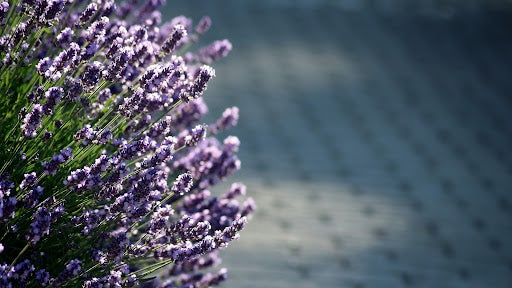
Lavender, known for its pale color and fragrance, is more than just a beautiful flower. Its oil is used in natural remedies and wellness products. But did you know it also can be used in baby care products? Lavender oil has antibacterial and therapeutic properties that can benefit your baby’s body and mind. Ayurvedic practitioners have been using lavender oil for quite a long time now.
Let's explore how lavender oil can support your baby’s well-being.
Origin of Lavender Oil
The Lavender plant is a member of the mint family. Originally harvested, lavender was later cultivated. It is used in herbal medicine. The name lavender derives from the Latin root “lavare,” which means “to wash.” Lavender oil is extracted from fresh flowers of the lavender plant through a process called distillation. In many regions, lavender flowers are believed to have the power to calm and purify the body and mind.
Benefits of lavender oil in Baby Care

Lavender oil, when used properly can benefit your baby in several ways:
Calming and Soothing Properties
As winters can be harsh on your baby, they might develop nasal congestion. Which can make them really uncomfortable and it is difficult to see them like this. Baby Vapour Rub containing lavender oil can be a gentle and effective way to help relieve this discomfort.
Provide Relief from Colic
Massage can be a great bonding time for you and your baby. Use lavender-infused body massage oil to give your baby a soft massage. This will help in releasing the trapped gas from your baby’s tummy and provide relief from problems like colic and more.
Natural Antibacterial Properties
Lavender oil has a calming fragrance that everyone likes. It also has antibacterial properties making it a natural ingredient in baby- safe floor cleaner, ensuring a clean and calming environment for your baby.
Acts as a Natural Barrier
Lavender oil for babies can help maintain the skin barrier by preventing moisture loss and supporting the natural defenses. Lavender oil-infused mosquito repellents can keep them at bay while being gentle on your baby's soft skin.
Mood-Boosting Properties
Lavender’s mood-boosting properties are largely due to its ability to reduce tension and anxiety. Babies can sometimes feel overstimulated or anxious due to new experiences, and lavender’s gentle aroma can soothe babies, helping them to feel more secure and reduce fussiness.
How to Use Lavender-Based Baby Products
Although Lavender has so many benefits, you must follow safe usage practices while incorporating lavender oil into your baby’s daily routine.
-
Choose Baby-Specific Products
Always select products that are formulated specifically for babies, as they are made with specific guidelines making them an ideal choice. -
Perform a Patch Test
It is recommended to do a patch test before applying any product to your baby's skin. A product with a higher concentration can cause redness, itching, or irritation. Perform a patch test on a small area of the baby's skin to check for any reaction. -
Follow Instructions
Read product labels carefully and use them as directed. Avoid applying the product near the baby’s eyes or mouth. -
Consult your pediatrician
Before using any new product for your baby always consult your pediatrician. As they can provide you with the best guidelines.

Conclusion
Lavender oil, when used thoughtfully, brings a natural and calming touch to your baby's daily care routine. By choosing the right products and following safe usage practices, you can help provide comfort, peace, and well-being for your little one.
Remember that simplicity, safety, and care will always lead to the most gentle and nurturing experiences for your baby.
How to Create a Simple Baby Skincare Routine this Winter
Winter can give your baby’s delicate skin a hard time. The cold weather, low humidity, and indoor heating can easily dry out their skin, leaving it rough, irritating, and uncomfortable. Just like adults, babies need a little extra care during this season to keep their skin soft, hydrated, and healthy. Creating a simple baby skincare routine in winter isn’t difficult, but it requires the right products and consistency.
Effective baby skincare step-by-step guide

Step 1: Gentle Baby Massage Oil
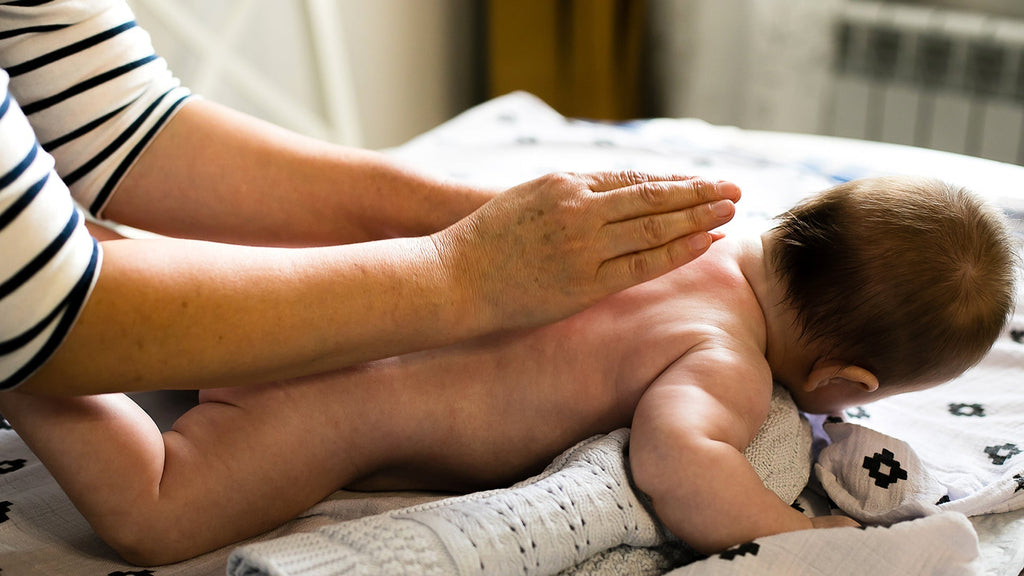
A warm oil massage is a fantastic way to start your baby’s day, especially in the winter. Massaging your baby helps improve circulation and keeps their skin moisturized. Choose a natural massage oil that is rich in nutrients and can deeply nourish your baby’s skin.
Look for oils like coconut oil, or almond oil, which are perfect for retaining moisture and protecting against the dryness that winter can bring. Gently warm the oil by rubbing it between your hands and give your baby a relaxing massage for 10-15 minutes before bath time. This also preps the skin for cleansing while ensuring it stays moisturized.
Step 2: Mild Baby Shampoo
During winter, your baby’s scalp can also become dry, and using the right baby shampoo is important to prevent irritation or flakiness. Go for a mild, tear-free shampoo made specifically for babies that don’t strip away natural oils.
Shampoo your baby’s hair gently using lukewarm water, massaging the scalp with your fingertips. Don’t shampoo too often; 2-3 times a week is usually sufficient in winter. This will help maintain the natural oils in your baby’s scalp, keeping it healthy and moisturized.
Step 3: Baby Body Wash
While giving your baby a bath, it is essential to choose a baby body wash that hydrates the skin rather than drying it out. Look for products that are free from harsh chemicals and contain natural, moisturizing ingredients like aloe vera or oat extracts.
Make sure the water is warm, not hot, as hot water can dry out your baby’s skin further. Use the body wash to gently cleanse your baby’s body, focusing on the folds of their skin where moisture loss can be more intense. A quick bath is all your baby needs in winter to avoid stripping their skin of essential oils.
Step 4: Kids Face Wash
Babies often drool or rub their faces, and in winter, this can make their delicate skin even more prone to dryness. A mild kids' face wash is a great addition to your winter skincare routine, ensuring that your baby’s face is clean without being stripped of moisture.
A gentle face wash formulated specifically for children helps remove dirt and impurities, leaving your baby’s face soft and smooth. Make sure you wash your baby’s face with lukewarm water and pat it dry with a soft towel.
Step 5: Rose Water Mist
After cleansing your baby’s skin, especially their face, applying a light mist of rose water can provide extra hydration and soothe any irritation. Rose water is known for its calming properties and helps to lock in moisture, making it a great option to include in a winter skincare routine.
Spritz a bit of rose water mist on your baby’s face and gently pat it in. This step can be particularly helpful if your baby’s skin is sensitive or prone to redness during the colder months.
Step 6: Baby Face Cream
In winter, your baby’s face is often more exposed to the cold air, making it essential to apply a baby face cream that offers deep hydration. Choose a cream that contains natural ingredients like shea butter or almond oil, which provide long-lasting moisture and protect the skin from dryness.
Apply a small amount of face cream after using the rose water mist. Gently massage it into your baby’s face, focusing on areas that tend to get dry, like the cheeks, chin, and forehead. This will help prevent chapped or flaky skin, keeping your baby’s face soft and smooth all day long.
Step 7: Baby Body Lotion
Once your baby’s bath is done, the next important step is locking in all the moisture with a nourishing baby body lotion. Winter can rob your baby’s skin of its natural moisture, so it’s crucial to use a lotion that hydrates deeply and lasts throughout the day.
Look for lotions with ingredients like cocoa butter, shea butter, or aloe vera, which are known for their moisturizing properties. After gently patting your baby dry with a soft towel, apply the lotion all over their body, paying extra attention to areas prone to dryness, such as the elbows, knees, and feet. This will ensure that your baby’s skin stays hydrated and soft throughout the day.
Conclusion
Winter can be tough on your baby’s skin, but with a thoughtful routine and the right products, you can easily protect and nourish it. By keeping their skincare simple and effective, you’re ensuring that their skin stays soft, healthy, and happy, no matter how cold it gets outside.

Here Are The Best Ways to Treat Diaper Rashes: Home Remedies
Is your baby fussy and uncomfortable because of those itchy diaper rashes? Moms are always extra careful with their baby's sensitive skin, but even the best diapers might not always prevent rashes. Almost every baby experiences diaper rashes during their first year. The good news is that with the right care and products, you can treat and prevent diaper rashes effectively.
Is It Diaper Rash or a Yeast Infection?
It's important to know whether your baby has a simple diaper rash or a more serious yeast infection, as both require different treatments. So, how do you tell the difference?
- Diaper Rash: If the rash is slightly red, dry, and not oozy or painful, it's most likely a diaper rash. With the right diaper rash treatment, it should clear up in just a couple of days.
- Yeast Infection: If the patches are located in the folds of the skin or groin area and are oozy, bumpy, or bleeding, it might be a yeast infection. In severe cases, your baby may also develop a fever. A yeast infection can take a few weeks to clear and may need prescription medicines.
Understanding this distinction is key to giving your baby the right care, whether it's home remedies or a prescribed solution.
What Causes Diaper Rashes?
There are several common causes of diaper rashes. Understanding these can help you take the right preventive steps.

Skin Reactions
Babies have extremely sensitive skin, and products like detergents, soaps, creams, and even diapers can cause reactions. Many of these products contain chemicals like boric acid, benzocaine, and salicylates, which are harmful to babies and can lead to diaper rashes.
Solution: Always opt for natural, chemical-free products. For instance, Baby Forest's Mridul Poshaak Liquid Detergent, Nirmalya Snan Natural Baby Soap, and Sampoorna Snan Baby Body Wash are gentle on your baby's skin and help prevent irritation.
Dryness
Babies' skin is more prone to dryness, especially with the frequent use of diapers and wipes. Dry skin can become inflamed, leading to severe rashes if not treated properly.
Solution: Keep your baby's skin hydrated by regularly applying a gentle moisturizer, such as Baby Forest's Moh Malai Baby Body Lotion. It helps lock in moisture and keeps their skin soft and smooth.
Antibiotic and Citrus Intake
If your baby is taking antibiotics, either directly or through breast milk, it can upset the balance of good bacteria and lead to diaper rashes. Similarly, citrus fruits or acidic foods like tomato sauce can irritate the skin, especially around the diaper area.
Solution: Avoid giving your baby citrus foods until their skin has healed, and if they're on antibiotics, monitor for any signs of rashes.
Friction and Infection
Tight diapers that rub against the skin can cause irritation, leading to diaper rashes. It's important to ensure the diaper fits properly, leaving enough room for air to circulate.
Solution: Make sure the diaper is spacious enough to allow you to fit your hand between the diaper and your baby's belly. This helps reduce friction and allows the skin to breathe.
Home Remedies for Diaper Rash
While there are many creams and products available, some simple home remedies for diaper rash can also be effective. Here are a few you can try:
- Coconut Oil: It acts as a natural moisturizer and has antibacterial properties, which can help soothe irritated skin.
- Aloe Vera Gel: Applying aloe vera gel to the affected area can relieve itching and promote healing.
- Breast Milk: Some mothers find that applying a little breast milk to the rash can help soothe it due to its natural antibodies.
Remember, if the rash doesn't improve after a few days of trying home remedies, consult your doctor.
Which Cream Is Best for Diaper Rashes?
There are countless creams available, but the best diaper rash cream should heal the skin naturally and protect it from further irritation. Baby Forest's Komal Kawach Rash Healing Cream is an Ayurvedic solution that's ideal for treating red, itchy rashes.
Infused with natural coolants like vetiver and moisturizing ingredients such as aloe vera and vitamin E, it forms a protective shield on the skin, preventing infection. For parents seeking a more natural alternative, this rash healing cream is a great choice.
Final Thoughts
Diaper rashes are common, but with the right diaper rash solution, your baby can be comfortable and rash-free. Whether you're opting for natural remedies, choosing the best diaper rash cream, or being cautious with the products that touch your baby's skin, the goal is the same: to keep your baby happy, healthy, and comfortable.
By understanding the causes and knowing the right treatments, you can help your baby avoid the discomfort of diaper rashes and enjoy the benefits of smooth, healthy skin.
Reference Link: Helpful Tips for Diaper Rash: What You Need to Know
Common Skin Conditions in Babies: An Expert Guide for Par...
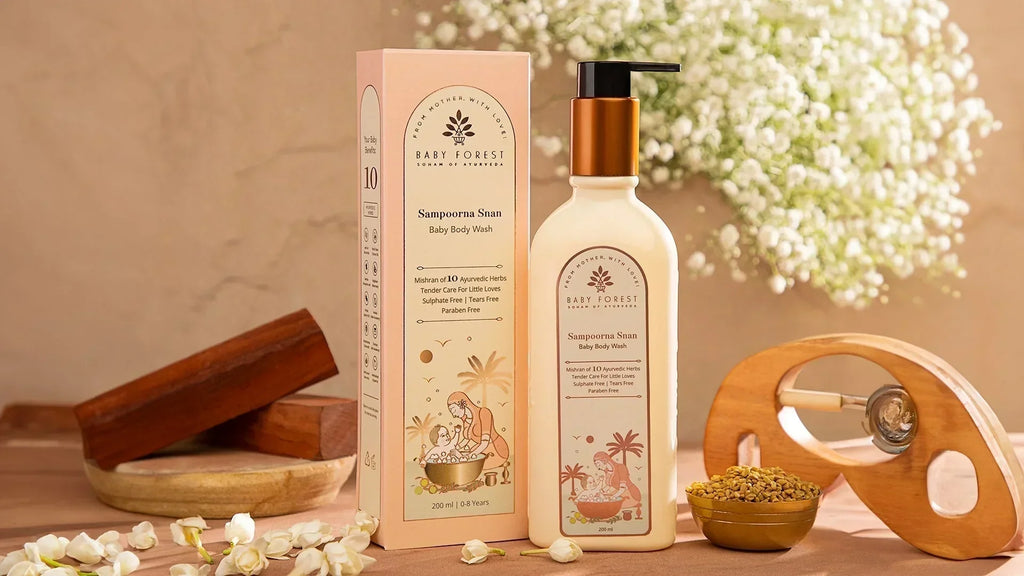
Which Baby Body Wash Is Right for Your Little One?
Body washes are a convenient and soothing way to cleanse your baby's delicate skin. Unlike traditional soaps, which can be drying, and harsh, organic body washes are formulated to be mild and moisturizing, making them a great choice for daily use. Choosing the right baby body wash is crucial because their skin is much more sensitive than adult skin. With countless options available, it can be overwhelming for new parents to find one that is safe, gentle, and nourishing. To simplify your decision, let's delve into the benefits of various natural ingredients found in baby body washes that are effective and gentle. Additional Tips for Bathing Your Baby e on your little one's tender skin.
Understanding Baby Skin
Baby skin is thinner and more susceptible to dryness and irritation compared to adult skin. This is why it's important to choose products specifically designed for babies — products that moisturize and protect without using harsh chemicals. A baby body wash with natural, soothing ingredients can help maintain the natural softness and health of your baby's skin.
Key Natural Ingredients to Look for in Baby Body Washes
When selecting a baby body wash, look for these natural ingredients known for their skin-friendly properties:
-
Jaee Giri (Oat Kernel)
Known for its soothing properties, oat kernel is excellent for baby's sensitive skin. It helps to calm irritation and is incredibly moisturizing, making it perfect for keeping your baby's skin soft and well-hydrated. -
Narial Tailam (Coconut Oil)
Coconut oil is a wonderful moisturizer and is known for its antibacterial and antifungal properties. It's gentle enough for daily use on baby's skin and helps in treating and preventing diaper rash. -
Methika (Fenugreek Leaf)
Fenugreek has natural anti-inflammatory properties that can soothe a baby's skin. It is beneficial for combating cradle cap and eczema. -
Watermelon
Rich in vitamins and water content, watermelon is a hydrating ingredient that keeps the baby's skin fresh and radiant. -
Parijata (Jasmine Oil)
Known for its calming and soothing effects, jasmine oil can help in relaxing your baby, making bath time a more pleasant experience. -
Amalaka (Indian Gooseberry)
A powerhouse of antioxidants, Indian gooseberry helps protect the skin from environmental damage and promotes healthier skin. -
Karpurapuspa (Chamomile)
Chamomile is another ingredient renowned for its soothing properties. It's especially good for babies with irritated or inflamed skin due to its anti-inflammatory benefits. -
Chandana (Red Sandalwood)
Often used in Ayurveda, red sandalwood can help cool and soothe the skin, making it ideal for use in baby body washes. -
Ghrit Kumari (Aloe Vera)
Aloe vera is hydrating and soothing and works well to treat and prevent dry skin patches and diaper rashes. -
Madhukarkati (Grapefruit)
Known for its refreshing scent and cleansing properties, grapefruit is a natural astringent which helps keep your baby's skin clean and refreshed.
Buying the Right Baby Body Wash
When choosing a baby body wash, always opt for products free from parabens, sulfates, and artificial fragrances, which can irritate delicate skin. Look for tear-free products that are derma-safe. Reading product labels and choosing washes that list natural ingredients can help ensure that the product is gentle and safe for your baby.
Additional Tips for Bathing Your Baby
- Before bathing your baby, always remember to test the water temperature.
- Use a soft washcloth to gently apply the body wash.
- Keep bath time short, especially if your baby has very dry or sensitive skin, to avoid further drying out the skin.
- After bathing, gently pat your baby's skin dry with a soft towel and apply a mild moisturizer to retain moisture.
Choosing the right body wash for your baby is about finding a balance between gentle, effective cleansing and skin nourishment. With the right natural ingredients, you can ensure that your baby's skin remains healthy, hydrated, and happy. Remember, every baby is different, so what works for one may not work for another. Don't hesitate to consult with a pediatrician if you have concerns about choosing skincare products for your baby.
Here’s everything you need to know about Sun Protection F...
Babies are the happiness factor in a family when it comes to the family HQ (Family Happiness Quotient). With Summer at its peak, all parents must make sure that their baby must be sun protective at all times of the day. With so many options of sunscreens available in the market these days, it becomes a task to choose the best one for your little one. In this article, we get straight to the point and provide you with a well-elaborated overview of sunscreen usage for babies and all-around advantages for one’s health.
"Better a sun-kissed than sunburned!" This proverb has more relevance to baby skincare than anything else. Choosing the right baby sunscreen or sunblock, among other things, is an important step in the direction of security concerning the scorching summer heat & UV rays. Parents should look for more natural ingredients than chemicals when it comes to choosing the right sunscreen for their little ones.
Reading labels & making informed choices should be the goal of every parent before applying anything to their baby’s skin. The key requirement is a thorough understanding of the ingredients in the sunscreen and how they are aligned with the specifications for your baby’s skin. Alongside applying sunscreen, one must also ensure the baby is protected with a physical layer of clothing.
There is a very fine line between protecting the skin and protecting the skin with comfort. Organic cotton clothing ensures that the skin area is aerated to avoid overheating. Studies suggest that when using Sunscreen, one must dress the little ones in breathable clothing.
Understanding the concept of UV rays
The UV rays on earth are majorly of two types UVA & UVB rays. While UVA reaches the earth at about 95%, UVB reaches the rest at 5%. As mentioned, Sunlight is good for the baby, one must make sure that the baby is exposed to the morning sunlight only for a reason (The morning UV rays are UVB(generally good for the skin). UVB rays delay tanning & don’t age skin cells. When it comes to the Sun Protection for babies, there is science involved. At birth, the babies are born with a lesser amount of Melanin in their skin, with development in the next 6 months.
SPF (Sun Protection Factor) ranked on the seal is also a vital element to bear in mind. Babies & kids need SPFs of 15 to 30. Therefore, doctors and dermatologists commonly recommend it. A mild range could have provided ample protection without being too harsh on the baby's skin. Parents need to understand that, SPF is not a factor in being protective from sun rays, rather SPF rating denotes protection from UVB rays. Higher SPF doesn’t mean better protection, rather, is directly proportional to the duration of sun protection. Applying and reapplying sunscreen isn't enough, even SPF can only show its real effectiveness in sun exposure combined with other factors.
Specialists believe that having sunscreen should take at least 15 to 30 minutes before one dives into the sun. This makes sure that the sunscreen is absorbed completely by the skin and that all its protective factors can be utilized completely. The most important thing is reapplication of SPF every 2 hours to stay above that optimal protection where the exposure time is extended by the sun.
But while we talk about the application of sunscreen, it is always recommended to do a patch test on your baby as recommended by the FDA, as their skin is delicate and sensitive & might get affected by any ingredient of the product. As mentioned, higher SPF doesn't necessarily mean better protection against the sun despite the myths around the number. SPF 15 blocks out about 93% of UVB radiation, while SPF 30 offers 97% protection. If you use an SPF rating of 50 and above there is not significant protection increase.
As per reports, it is always recommended to use natural ingredients like Sea Buckthorn, Cocoa Butter, & Daffodil that not only protect the baby’s skin but also hydrate & enrich their skin as well. These elements don't just make the products effective but also help to support the baby`s skin's overall health and well-being at the same time.
In conclusion, the need to apply sunscreen to babies should be stressed tremendously. Sunscreen offers much more than UV protection to the skin of a baby. It guards against sunburn and shields from long-term harm to the skin, making it mother's primary skincare partner. Sustaining the experts' recommendations and acknowledging the parents to be alert will ensure that the infants' delicate skin soaks in the sun's rays under the protective covering on the right note, by no means affecting the little one's skin health.
Related Read - The Importance of Sun Protection: Why Baby Sunscreen is a Must
Related Blog - Top Summer Baby Care Essentials for Your Little One
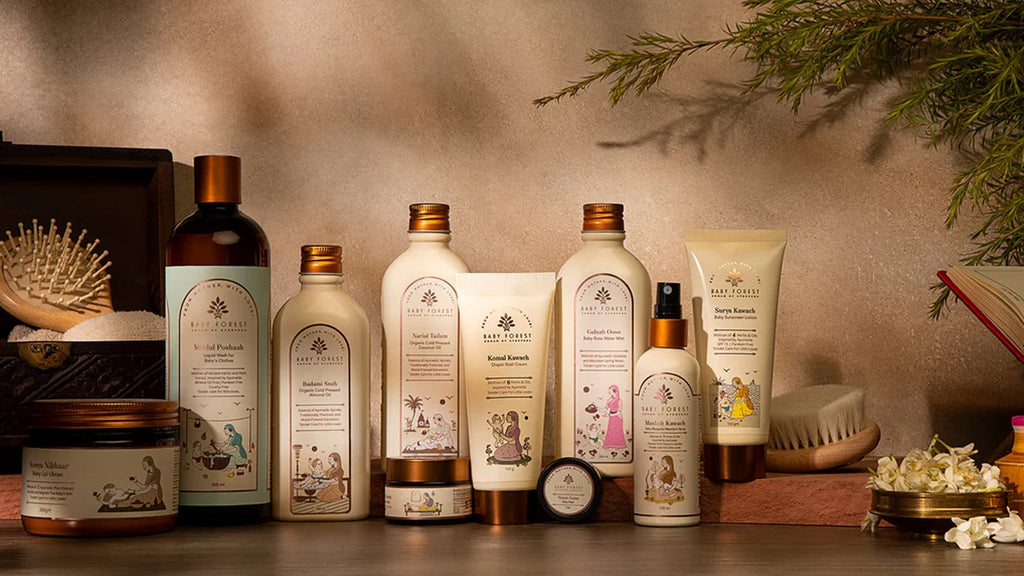
Top Summer Baby Care Essentials for Your Little One
With the changing weather and the temperatures rising, the days grow longer, so ensuring your little one remains comfortable and protected through the summer months becomes a priority. You must take care of your little one, especially during the hot summer days. In this blog, we have curated a list of essential summer baby products and tips to keep your baby happy and healthy during the warm season. From baby skincare to travel essentials, we have a detailed guide designed to cater to your baby's unique needs this summer.

Baby Skincare and Bathing
Summer calls for extra care and attention to skincare and bathing to prevent irritation and keep your baby's skin healthy. The two must-have products are:
Water Baby Wipes

These water wipes are ideal for sensitive skin. They are infused with purified water and free from harsh chemicals, ensuring a gentle cleanse every time.
Rash Healing Cream

With the heat leading to more frequent cases of diaper rash, a reliable cream is essential to soothe and protect your baby's delicate skin.
Baby Sunscreen Lotion

The delicate skin of babies is particularly vulnerable to the harmful rays of the sun. Choose a sunscreen specially formulated for babies, with a high SPF to provide effective protection against UVA and UVB rays. You should apply the baby sunscreen 30 minutes before going out, and reapply frequently to ensure your baby stays protected under the sun.
Keeping your baby cool and comfortable outside is crucial during the hot weather.
Summer Clothing

We opt for warm clothes for winter, and similarly, for summer, it is essential to look at lightweight and breathable fabrics. You can get a crochet baby girl dress or a knotted bodysuit that allows air circulation and keeps your baby cool and stylish.
Baby Rose Water Mist

A refreshing mist can soothe and cool your baby's skin throughout the day. It's perfect for a quick refresh, especially after playtime or when outdoors.
Talc-free Baby Powder

Applying talc-free baby powder after a bath or during diaper changes can help absorb extra moisture and prevent heat rash.
Ensuring your baby is well-hydrated and comfortable is easier with these gentle and effective products.
Baby Body Lotion

After a day out, moisturizing your baby's skin with a baby body lotion helps restore any moisture lost due to exposure to the elements and can help in calming any minor irritations. This routine can help protect your baby's skin from environmental stressors.
Here are some additional tips for summer care to ensure your baby's comfort and safety during the hotter months:
-
Choose the Right Time for Outdoor Activities
Plan outdoor activities during the cooler parts of the day, typically in the early morning or late afternoon. Avoiding the peak sun hours between 10 a.m. and 4 p.m. can help minimize sun exposure. -
Use a Lightweight Stroller with a Sunshade
When taking your baby out for a stroll, use a lightweight and breathable stroller, and make sure it has a sunshade to protect your baby from direct sunlight. -
Dress Weather Appropriate
Dress your baby in loose, lightweight, and light-coloured clothing that covers as much skin as possible. Fabrics like cotton help keeps the skin cool by allowing it to breathe. -
Maintain a Cool Indoor Environment
Use fans, air conditioners, or open windows to create a comfortable and relaxed indoor environment. Consider using a room thermometer to keep track of the temperature, ensuring it's not too hot or too humid. -
Frequent Baths or Cool Washes
Giving your baby a cool bath or gently wiping them down with a damp cloth or baby wipes can help reduce body temperature and soothe irritated skin. -
Monitor Fluid Intake
Ensure your baby is well-hydrated. If they are exclusively breastfed, they might need to nurse more often. If your baby is older and eat solids, offer small amounts of water throughout the day. -
Regularly Clean and Check Baby Gear
Clean all baby gear using a baby-friendly toy and surface cleaner. Including strollers, car seats, and play mats, as heat and humidity can cause bacteria and mold to grow faster than usual.
Summer brings a host of new adventures for you and your baby, but it also calls for a shift in the caregiving routine. You can ensure that your little one enjoys the season safely and comfortably by choosing the right products, such as lightweight cotton clothing, gentle skincare items, and proper sun protection. With this, you can enjoy the sunny days ahead with peace of mind, knowing you're fully equipped to handle the heat!
With these summer essentials, your baby will be well-prepared to face the warm months, and you can enjoy this vibrant season with less stress and more joy.
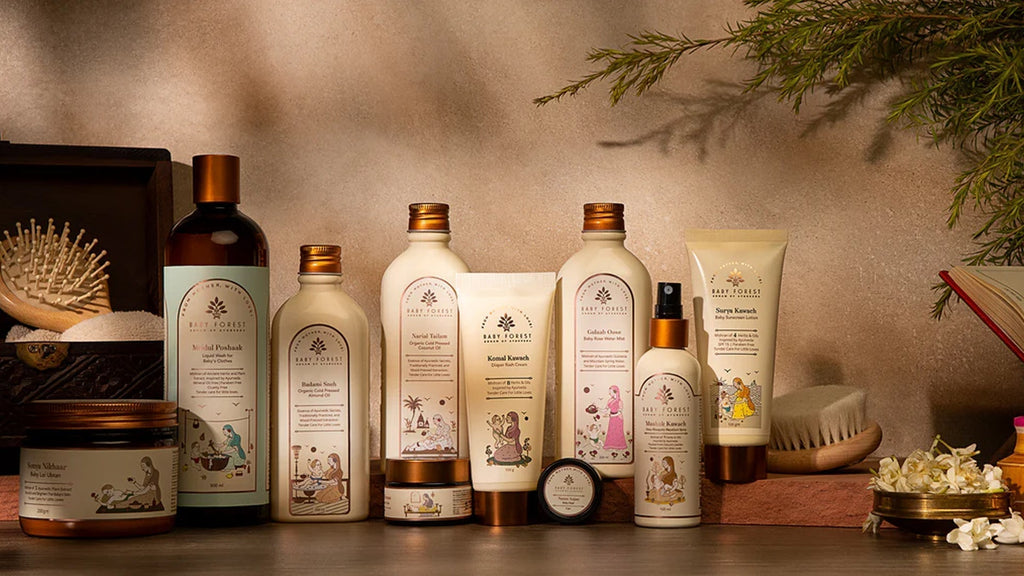
What is the Difference Between Natural Fragrance and Adde...
When it comes to choosing baby products, from lotions and shampoos to baby wipes and creams, parents are faced with a plethora of choices. One aspect that often prompts questions is the difference between natural fragrances and added (or artificial) fragrances in these products. Once you understand these differences, you will be able to make informed decisions for your baby's health and well-being.
What Are Natural Fragrances?
Natural fragrances in products for infants are derived from natural sources, such as plants, flowers, and fruits. These fragrances are obtained through cold pressing, distillation, or extraction. Because they come from natural sources, they often carry the intrinsic benefits of their original plants, such as calming or soothing properties.
Benefits of Natural Fragrances:
-
Gentle on Skin:
For babies with sensitive skin, natural fragrances are less likely to irritate compared to synthetic alternatives. -
Therapeutic Properties:
Some natural fragrances offer therapeutic benefits, like lavender, which is known for its calming effect.
Considerations:
-
Allergies:
Some babies may be allergic to natural ingredients. It's important to monitor for any adverse reactions.
What Are Added (Artificial) Fragrances?
Added or artificial fragrances are chemically created scents designed to mimic natural smells or to create entirely new scents. These fragrances are formulated in labs and can be composed of various chemicals.
Benefits of Added Fragrances:
-
Consistency:
Products with artificial fragrances maintain the same scent over time, providing consistency across batches.
-
Diversity of Scents:
Artificial fragrances can create a wide range of scents that might not be achievable with natural ingredients alone.
Considerations:
-
Skin Sensitivity:
Synthetic fragrances are more likely to irritate sensitive skin, causing reactions such as rashes or redness. -
Health Concerns:
Some studies suggest that certain chemicals in artificial fragrances could have negative health effects over the long term, though more research is needed.
Making the Right Choice for Your Baby
When deciding between baby products with natural or added fragrances, consider the following tips:
-
Know Your Baby's Skin:
If your baby has sensitive skin, opting for fragrance-free or naturally scented products might be the best choice. -
Read Labels Carefully:
Look for products that specify "natural fragrance" or "fragrance-free" if you wish to avoid synthetic scents. -
Patch Test:
Before you use any new product on your baby, do a patch test by applying a small amount on their arm or leg to check for any adverse reactions. -
Consult a Paediatrician:
If in doubt, consulting with your child's paediatrician can provide personalized advice based on your baby's specific health and skin needs.
Whether you choose baby products with natural fragrances, added fragrances, or no fragrances at all depends on your preferences and your baby's skin sensitivity. Being informed and cautious can help ensure that your choices support your baby's health and happiness.
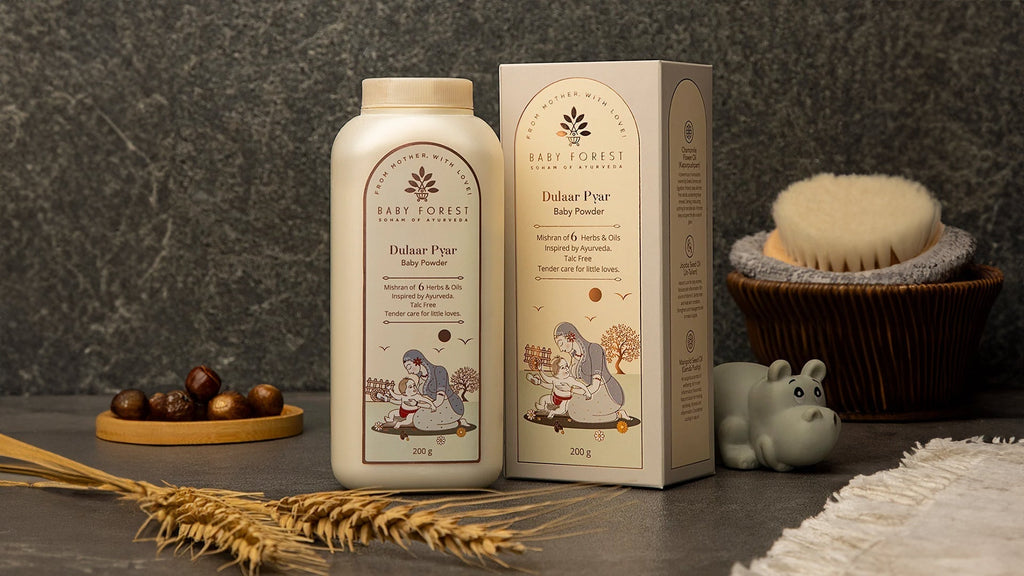
Why Talc-Free Baby Powder is a Must for Summer Heat?
As temperatures soar during the summer months, keeping the little ones comfortable becomes a priority for every parent. An essential item in many households is baby powder, especially to combat the heat and humidity that can cause discomfort and skin rashes in babies. However, the type of baby powder you choose is crucial. In this blog, we'll explore why talc-free baby powder is a safer and healthier choice for your baby during the hot season.
All About Talc and Its Concerns
Traditionally, a lot of baby powders used to have talc in them, which is basically made up of magnesium, silicon, and oxygen. Talc is popular because it's really good at soaking up moisture and reducing friction that causes chaffing , which is why it was often used in baby powders and other beauty products. However, there have been a few concerns about talc's safety over the years. The main issue is its potential contamination with asbestos, a known carcinogen, and the risk of respiratory problems if infants inhale the fine particles.
In light of these concerns, many parents and health experts advocate for the use of talc-free products, particularly for babies who are more vulnerable to the adverse effects of these particles.
What is Talc-free Baby Powders?
Talc-free baby powders are a gentle alternative to traditional baby powders that contain talc, a mineral known for its moisture-absorbing properties. Instead of talc, these powders use natural, plant-based ingredients such as Cornstarch, Chamomile Oil, and Oats Kernel, which are equally effective at keeping moisture at bay without the associated health risks of talc, such as potential contamination with asbestos and respiratory issues from inhalation.
Benefits of Talc-Free Baby Powder
-
Safer Ingredients:
Talc-free baby powders are usually made with cornstarch or other plant-based ingredients like aloe vera. These natural alternatives are gentle on the baby's sensitive skin and are free from asbestos risks. -
Prevents Rash:
During summer, the risk of rashes increases due to the heat and humidity. Talc-free baby powders absorb excess moisture naturally, keeping the baby's skin dry and comfortable, thereby preventing rashes. Additionally you can use Rash Healing cream. -
Avoids Respiratory Risks:
The particles in talc-free powders are generally larger and less likely to be inhaled than those in talc-based powders. This reduces the risk of respiratory problems, which can be serious for children. -
Natural Skin Care:
Many talc-free powders contain additional natural ingredients that benefit the baby's skin. Ingredients like aloe vera and chamomile can help soothe the skin and prevent irritation, making them ideal for use in sensitive diaper areas during the hot months.
Choosing the Right Talc-Free Baby Powder
When selecting a talc-free baby powder, look for products that are:
-
Natural:
Ensures that the product is free from harmful chemicals and genetically modified organisms. -
Artificial Fragrance-Free:
Added fragrances can irritate a baby's delicate skin. Opt for products with no added fragrance to avoid potential allergens. -
Derma Safe:
Choose products that are derma-safe and approved for use on sensitive skin.
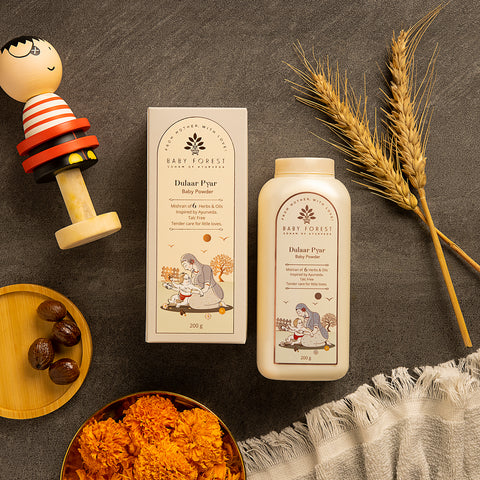
How to Use Talc-Free Baby Powder Safely
To maximize benefits and minimize any risks, even with talc-free powders, it's important to use baby powder correctly:
-
Apply Sparingly:
Use a small amount of powder and keep it away from the baby's face and eyes to avoid inhalation. -
Direct Application:
Apply the powder directly to your hands, away from the baby, and then to the baby's skin. This method helps to control the amount of airborne particles.
Talc-free baby powder is a much safer and healthier option for summer baby care. By incorporating talc-free baby powder into your daily routine, you can ensure that your baby enjoys the summer safely and comfortably. With natural ingredients that are gentle on the skin and effective at moisture absorption, talc-free powders can help keep your baby dry, comfortable, and happy during the hot weather. Always opt for natural, cruelty-free, and derma-safe products to ensure the best care for your little one's delicate skin. Enjoy a worry-free summer with the right products for your baby's needs! Whether at home or on the go, this simple change can make a big difference in your baby's well-being during the warm season.
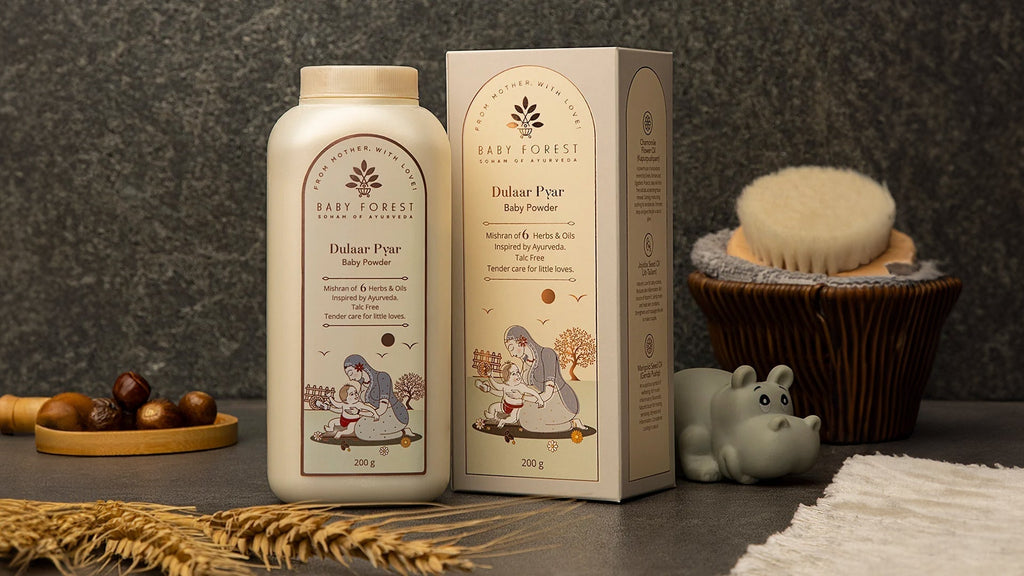
Why Talc-Free Baby Powder Is the Ideal Choice for Infants
When it comes to selecting baby products, parents invariably seek the finest, safest options for their cherished little ones. A significant amount of time is dedicated to meticulously researching and choosing products that promise to be gentle and nurturing for their baby's sensitive skin. Among these products, baby powder has stood as a household staple for generations. Yet, it's crucial for parents to exercise caution, particularly with powders containing talc, as not all baby powders are created equal in terms of safety.
Baby powder, a staple in many households, has come under scrutiny, leading to a shift towards talc-free baby powder. This article delves into why talc-free baby powder is the best choice for your infant, incorporating natural, safe, and gentle ingredients for your peace of mind.
The Shift to Talc-Free
In recent years, the safety of talc-based products has been questioned, prompting parents and manufacturers alike to seek safer alternatives. Talc-free baby powder has emerged as an ideal choice, offering the same benefits without the potential risks associated with talc. But what makes talc-free powder the superior option for infants?
Understanding Talc-Free Baby Powder
Talc-free baby powder is made without talc, a mineral comprised of magnesium, silicon, and oxygen. Instead, it relies on natural and safe alternatives like corn starch, which provides the absorbency and smoothness for which baby powder is known without the associated health concerns.
The Benefits of Going Talc-Free
-
Health and Safety
Talc-free baby powder is gentler on your baby's delicate skin. With no talc as an ingredient, it eliminates the risk of respiratory issues or adverse skin reactions, making it a safer choice for daily use. -
Natural Ingredients
Talc-free baby powders often contain natural ingredients such as chamomile oil, jojoba oil, aloe vera, marigold seed oil, oats kernel, and corn starch. These ingredients not only help in keeping the baby's skin dry but also soothe and nourish it, enhancing the skin's natural barrier. -
Cruelty-Free and Eco-Friendly
Many talc-free baby powders are also cruelty-free, not tested on animals, and are environmentally friendly. This commitment to ethical practices adds an additional layer of appeal for conscientious parents.
Choosing the Best Powder for Your Baby
When selecting a baby powder, looking for talc-free options is just the beginning. The best baby powder for your infant is one that is not only safe but also nourishing for their skin.
-
Chamomile Oil:
It has soothing effects and can help soothe sensitive skin, making it an ideal element in baby powder. -
Corn Starch:
A natural absorbent, corn starch effectively absorbs moisture, keeping your baby's skin dry and comfortable. -
Jojoba Oil:
This oil closely mimics the skin's natural oils, providing moisturization without clogging pores or causing irritation. -
Aloe Vera:
Aloe vera's healing and soothing characteristics make it ideal for treating diaper rash and other skin irritations. -
Marigold Seed Oil:
Known for its anti-inflammatory properties, marigold seed oil can help reduce redness and promote skin healing. -
Oats Kernel:
Oatmeal not only offers comfort but also contains components that can shield the skin and avert irritation.
Tips for Using Talc-Free Baby Powder
-
Apply with Care
To avoid inhalation, sprinkle the powder on your hands away from your baby before applying it to their skin. -
Focus on Moisture-Prone Areas
Apply baby powder to areas that tend to retain moisture, such as the diaper region, underarms, and skin folds. -
Choose Containers Wisely
Opt for powders in shaker bottles or containers that allow for controlled dispensing to minimize airborne particles.
Addressing Common Concerns
With the transition to talc-free baby powders, some parents may wonder about the effectiveness of these natural alternatives. Rest assured, talc-free powders are equally effective in absorbing moisture and preventing diaper rash. The key is in the quality of the formulation and the blend of natural ingredients used.
Choosing talc-free baby powder helps to ensure your infant's safety and comfort. With natural ingredients that soothe, protect, and care for delicate skin, talc-free powders offer parents a worry-free option for keeping their babies dry and comfortable. As you begin on the road of motherhood, choosing products that meet the highest safety and care requirements demonstrates your love for and devotion to your child's well-being. Remember, the best baby powder is one that keeps your baby happy, healthy, and smiling naturally.
- 1
- 2