 Skip to main content


Baby Care & Parenting Blogs

Shishu Abhyanga Guide: Benefits of Baby Oil Massage
Shishu Abhyanga, or baby oil massage, is an ancient Ayurvedic tradition that has been widely practised by Indian parents for generations. Regular oil massages are known to offer numerous benefits for a baby’s overall well-being. Since an infant’s skin is delicate and sensitive, a daily oil massage helps nourish and hydrate the skin, protecting it from dryness while keeping it soft and healthy.
Beyond skincare, gentle massage also supports better blood circulation, which can help strengthen the immune system and aid in healthy physical development. More importantly, this daily ritual nurtures a baby’s physical, mental, and emotional well-being while creating a beautiful bonding experience between mother and child.
To help you get started, we’ve put together a simple baby massage guide with easy step-by-step instructions, making it easy for anyone to practise this time-honoured Ayurvedic tradition at home. But first,
What is Shishu Abhyanga?
In Ayurveda, the word Shishu means baby and Abhyanga refers to the practice of oil massage. Shishu Abhyanga is therefore the traditional Ayurvedic practice of gently massaging a baby’s body with warm oil. This ritual has been followed in many Indian households for generations and is usually done before a baby’s bath. Natural oils such as almond oil for baby massage or cold pressed coconut oil are commonly used, as they help keep the baby’s skin soft while making the experience soothing and comforting.
Why Touch Matters in the First Year
In the early months of life, babies experience the world primarily through touch. Gentle massage may support nervous system development, encourage more settled sleep patterns, and help build a sense of safety.
When your baby feels your warm hands and steady presence, their body relaxes. Their breathing softens and tiny muscles loosen. These small moments of calm build lifelong emotional resilience.
Creating the Right Environment
-
Before beginning Abhyanga, ensure the space feels peaceful and warm.
-
Choose a quiet time when your baby is calm and alert
-
Keep the room comfortably warm and draught-free.
-
Lay a clean, soft sheet or towel underneath
-
Keep everything you need within reach
Massage tends to work best when the baby is calm, rather than overly hungry or immediately after feeding.
A Few Precautions Before You Begin
Before starting a massage, you must take some precautions as described below, including choosing a gentle massage oil for the baby that suits your little one’s delicate skin.
-
Abhyanga should be done preferably in the morning.
-
Use a clean sheet while giving a massage.
-
Use a slightly warm oil for giving the baby a massage. Take a few drops on your palm before applying to your baby’s skin to avoid skin burn.
-
Do not give a massage on a full stomach, as sudden aspiration can occur. If the baby has been fed, it is best to wait for an hour before the massage.
-
The pressure should be gentle to moderate.
-
Massage must be done with clean hands and nails. You must trim the nails to avoid causing any harm to the baby’s skin.
-
Make sure oil is not in contact with the baby’s eyes.
-
Use caution when holding and massaging the baby to avoid falls and injuries.
-
Babies should always be kept warm & well covered after Abhyanga.
Step By Step Process to Give Shishu Abhyanga:
Baby oil massage can be one of the best ways to bond with your baby. Not only does it help you to connect with your baby, but it also helps to relax them, making it easier for both of you to fall asleep at night. However, performing a massage can be difficult when you have never done one before. Here is a step-by-step process to give your baby a massage using a good massage oil for the baby in simple steps:
Step 1: Get Your Baby Ready
The first thing you must do is get your baby ready for their massage. You should make them feel comfortable and relaxed, so make sure that they are wearing something soft and comfortable, such as a t-shirt or onesie. It is also important that the room is warm enough, so check the room temperature on your thermostat to ensure that it is comfortably warm for your baby.
Step 2: Prepare the Area
You will need ample area to give Shishu Abhyanga. The bed, floor, or changing table are good options. “Then place a towel on the surface and lay your baby down. The towel helps prevent the massage oil for the baby from getting on the bed or table while also providing a soft and comfortable surface for your little one.
Step 3: Select Oil
Always select an unscented oil that’s safe for babies, such as mineral oil, coconut oil, or olive oil. You can give a massage with Baby Forest Maasoom Maalish baby body massage oil. This oil is a mishran of 10 Ayurvedic natural essential oils of herbs, flowers, nut oils, and medicinal plants that are good for baby skin.
Pour some onto your hands and rub them together to warm it up before you start massaging your baby’s body.
Step 4: Lower Body Massage
Slowly massage heels and toes with firm, gentle strokes. Hold the baby by one hand at all times. Then massage the leg from ankle to thigh and from hip to hip. Smoothly massage the leg for several minutes. It is recommended to do this on both legs simultaneously. Do not rub the genital area.
Step 5: Upper Body Area
Massage the upper back by placing both hands in the downward direction from shoulders to waist. After that, massage each arm separately. Start from the wrist up to the shoulder by making circular motions with the fingers and palms of hands. Repeat this process for another arm also.
Step 6: Back Massage
After massaging the front of your baby’s body, turn them onto their tummy and massage them from head to toe. Make sure your touch is soothing. Take a pause if you feel your baby is uncomfortable.
Step 7: Face Massage
Massage the baby’s face with your finger pads. You should begin at the middle of the forehead, down the outer side of the baby’s face, and then in toward the cheeks. Gently massage the scalp in small circular motions.
When to Perform Abhyanga Properly
Abhyanga, or Ayurvedic oil massage, can be introduced to newborns after their umbilical cord stump has healed, typically around 10-14 days old. The best time to perform Abhyanga is before a bath, ideally in the morning or early evening when the baby is calm and alert. Ensure the room is warm and draft-free to keep the baby comfortable. Abhyanga can be done daily or several times a week, depending on the baby's skin type and routine. It is essential to observe the baby's response to the massage and adjust the frequency and duration accordingly to ensure a positive and soothing experience.
Benefits of Shishu Abhyanga
Shishu Abhyanga, or infant massage, offers numerous benefits for both the baby and the caregiver. It promotes better sleep patterns and helps in the development of the baby's nervous and immune systems. Regular massage can improve blood circulation, support healthy skin, aid in digestion, and reduce colic and gas. Additionally, Shishu Abhyanga strengthens the bond between the baby and the caregiver, providing a sense of security and comfort through physical touch. The gentle massage also helps in the overall growth and development of the baby, contributing to a calm and happy demeanor.
A Ritual of Love
Shishu Abhyanga is not about technique perfection. It is about presence. Even 10–15 minutes of mindful touch can calm your baby’s body and heart. In these quiet moments, you’re not just strengthening muscles: you’re building trust, warmth, and emotional connection that lasts far beyond infancy. A slow, gentle approach is often enough.
These moments support both physical comfort and emotional bonding.

Best Skincare Routine for Each Baby Skin Type
Every baby is born with something truly special, and that’s their own unique baby skin types. Some little ones have soft, dry cheeks that need extra love, while others may have shiny foreheads or skin that reacts in a flash. Understanding these differences is crucial, because a skincare routine isn’t just about choosing what’s mild. It’s about choosing what’s right. And what works well for one baby might not suit another at all. A skincare approach, specific to your baby’s skin type, can support the skin’s barrier, reduce discomfort, and even prevent common issues like rashes or eczema flares.
How to Identify Your Baby’s Skin Type
No diagnostic test tells you exactly what skin types your baby falls under. Understanding your baby’s skin type starts with simple, everyday moments like most parents rely on gentle observation. After a bath, does the skin look tight, flaky, or red? That could suggest dryness. If it looks shiny or gets tiny bumps easily, it could be an oily skin type. Some babies have no reaction to anything, not even fragrance, temperature shifts, or fabrics, which tends to indicate normal skin. Babies who often break out in rashes or who get red patches with new products are likely to have sensitive skin. And then there are babies with eczema-prone skin, which may present as rough patches, itching, or chronic irritation even without obvious triggers. Understanding baby skin types early on helps in choosing the right care that keeps the baby’s skin protected and supple.
Why Baby Skin Needs a Thoughtful Skincare Routine From Day One
Newborn baby care starts way before skin concerns emerge. A baby’s skin is still developing and is more prone to changes in the environment, drying up, and irritation. That is why it is important to have gentle yet consistent skincare at a young age.
An effective skincare routine does not mean using up too many products. It involves mindfully selecting the correct ones for the baby’s skin. When skincare is chosen according to the baby’s needs, it supports skin health and prevents common concerns before they begin. This simple method gradually forms a strong foundation for healthy baby skin.

Gentle Relief for Little Tummies: How Tummy Roll-Ons Ease...
It's not unusual for babies to experience some tummy discomfort in those first few months. Even after a good feeding and a thorough burping, they might cry more than expected or seem unsettled. Parents may try rocking, holding their baby close, or gently patting their back, yet their little one may still seem uncomfortable. In these situations, many parents look for simple and soothing solutions.
One option that has become part of many routines is a baby tummy roll on. It is simply a small roll-on that is applied around the tummy area and followed by gentle massage. For many parents, a roll-on feels more convenient, especially when the baby is already uncomfortable.
What Causes Tummy Discomfort in Babies?
A baby’s body is still adjusting to feeding in the first few months. Their digestive system is still developing and learning to process milk, and sometimes air can get trapped during feeding or crying. This can make the tummy feel tight or uncomfortable. When that happens, you might see them pull their legs up or cry a bit more than normal.
Some days are easier, and some days feel harder. It does not always indicate a serious concern. Mild gas and colic-like discomfort are common during this stage. Understanding this helps parents stay patient and respond calmly instead of feeling anxious.
How Does a Baby Tummy Roll On Help?
A tummy roll on for baby works in a very simple way. It is rolled gently around the navel and lower tummy area. After that, parents usually massage in slow circular motions using light pressure. The warmth of the hand and the steady movement often help the baby relax.
The roll-on format makes it easier to apply without creating a mess. There is no need to warm oil or pour it into your hand first. A tummy roll on can be used quickly, which is helpful during those moments when the baby is already uncomfortable and crying.
When Should You Use a Tummy Roll-On for a Baby?
A baby tummy roll on can be used whenever your baby seems uneasy after feeding or looks slightly bloated. It can be used at the early signs of tummy discomfort, not only when the baby is already very upset. Many parents opt to use it at the first hint of their child's unease.
Some parents prefer it in their evening routine before bedtime. Others use it during the day if the baby seems uncomfortable. The important thing is to apply it gently and follow the usage instructions on the label.
How Should You Apply a Tummy Roll On?
Using a tummy roll on is simple and does not require special preparation. Roll it around your baby’s navel and lower tummy area. After that, massage gently in circular motions with light pressure.
It can be used two to three times a day or whenever needed. Always apply it on clean and dry skin. Avoid using it on irritated or broken areas. Calm hands and slow movements usually help the baby settle better.
Is a Baby Tummy Roll-On Safe for Daily Use?
Many parents worry about using products regularly on newborn skin, and that is completely understandable. Baby skin is soft and sensitive, so anything applied to it should be mild and thoughtfully made.
Nanhi Rahat Tummy Roll-On for Babies is recommended from 0+ months, which means it is suitable even in the early stages. Still, every baby is different. It is always a good idea to observe your baby’s skin the first few times you use any new product.

A well-formulated baby tummy roll on should feel light on the skin and should not cause redness or irritation when used gently. Small amounts and soft massages are usually enough.
What Ingredients Are Included in This Tummy Roll On?
This tummy roll on for babies contains a blend of natural oils that have been part of traditional home care for generations. Ingredients such as hing oil, ajwain oil, ginger oil, and fennel oil are commonly valued for their warming and soothing properties.
These oils are chosen carefully to be kind to delicate skin while supporting gentle tummy comfort. When selecting a tummy roll on, many parents prefer products made with natural ingredients because they feel more reassuring for daily use.
Why Do Parents Prefer Roll-Ons Over Traditional Oils?
Traditional oil massage is still followed in many homes, and it continues to work well. However, a tummy roll on being mess-free offers more convenience, especially during busy or late-night moments. It does not spill, and it does not require extra preparation.
Parents can carry a baby tummy roll on easily in a diaper bag. It can be applied quickly when needed. For the ones managing daily routines, this ease makes a noticeable difference.
Conclusion
Tummy discomfort in babies can be challenging, especially in the early months. In most cases, this phase is temporary and gradually improves as the baby grows. Gentle care and patience usually help more than complicated solutions.
A natural baby tummy roll on can support comfort in a simple way. When combined with soft massage and calm handling, it becomes one small but helpful part of daily care.

Cloth Wipes vs. Water Baby Wipes: The Better Choice For M...
Parenthood is a journey filled with life's profound and intimate experiences, both the smallest moments and the most powerful emotions. Becoming a parent for the first time often brings a mix of small routines and meaningful decisions. From everyday cuddles to routine diaper changes, parents find themselves carefully weighing even the smallest choices. During everyday routines, many parents look for choices that feel gentle, safe, and reassuring for their baby.
In the midst of all this care and chaos, many questions often arise. Is convenience okay? Does choosing ease mean choosing less? Many parents find that comfort and convenience do not have to come at the cost of gentle care. Today’s baby wet wipes are designed to support modern parents by offering a gentle cleansing option that fits smoothly into daily routines. With baby comfort kept in focus, they aim to simplify everyday cleaning moments.
This guide assists parents in choosing between cloth wipes and water baby wipes. By comparing the two, it aims to help parents select the best option for their baby's skin, integrate it smoothly into their daily routine, and ultimately achieve peace of mind.
Cloth Wipes vs Water Baby Wipes: What's the Difference?
Parents today have two primary choices for baby wipes: reusable cloth wipes or disposable water baby wipes. Understanding how each option works in daily life can help you make a confident decision for your little one.
What Are Cloth Wipes?
Cloth wipes are reusable pieces of fabric used to clean a baby’s skin during diaper changes or minor messes. Some parents choose cloth wipes based on personal preference, sustainability considerations, or established care routines.
Using cloth wipes involves regular washing, drying, and storage. Parents also need to ensure that clean wipes are readily available and that used wipes are handled hygienically. While this system fits well into certain household routines, it may require additional planning, particularly during the early months when time and energy can be limited.

What Are Water Baby Wipes?
Water baby wipes, commonly known as baby wet wipes, are pre-moistened wipes designed specifically for a baby’s delicate skin. They typically contain a high percentage of purified water and are ready to use straight from the pack.
These wipes are often chosen for their ease of use and gentle formulation. Water baby wipes support quick clean-ups during diaper changes, feeding times, and everyday messes, making them a convenient option for many parents.
Baby’s Delicate Skin Needs Gentle Care
A baby’s skin is thinner and more sensitive than an adult’s, which means it can lose moisture easily and react quickly to friction or unsuitable ingredients. This is why gentle handling and careful product choices are especially important.
Whether parents choose cloth wipes or baby wipes, the material that comes into contact with the baby’s skin plays a key role. Soft, plant-based fabrics such as bamboo are often preferred because they feel smoother and reduce friction.
When using baby wipes, many parents also find reassurance in knowing exactly what ingredients are present. Water baby wipes with simple, transparent formulations are often favoured for daily use. Fragrance-free and alcohol-free options are generally considered gentler, as they reduce the likelihood of dryness or irritation when used appropriately.
Convenience That Truly Supports Parents
Everyday Diaper Changes
Newborns require frequent diaper changes throughout the day and night. During these moments, simplicity can make routines feel calmer and more manageable.
Baby wipes are ready to use and provide a consistent experience with each change. Parents do not need to prepare water or manage multiple steps, which can be especially helpful during late nights or busy mornings.
On-the-Go Moments
Parenting continues well beyond the home. Outings, travel, doctor visits, and everyday errands often come with unexpected messes.
Baby wet wipes are easy to carry and use anywhere, without the need for additional bottles, sprays, or storage for used wipes. This portability makes them a practical option for parents who are frequently on the move.
Hygiene You Can Rely On
Maintaining hygiene is particularly important during the newborn stage. Disposable baby wipes provide a fresh wipe for each use, which many parents find reassuring.
This can be especially comforting during travel, illness, or outdoor activities, where access to washing facilities may be limited. For these situations, baby wipes offer a simple and hygienic solution when used correctly.
Cost vs. Value: What Parents Often Find
At first glance, cloth wipes may appear more economical since they are reusable. However, they also involve ongoing use of water, detergent, electricity, and time for washing and drying.
Baby wipes, on the other hand, reduce the need for additional preparation and maintenance. For many families, the time and effort saved contribute to their overall value, especially during demanding phases of parenting.
Environmental Concerns, Thoughtfully Addressed
Sustainability is an important consideration for many parents when choosing baby care products.Today, several baby wipe brands offer options made with plant-based fabrics, biodegradable fibres, and responsibly sourced materials. Conscious packaging choices can also help reduce environmental impact.
Choosing baby wipes does not exclude environmental responsibility. It often means selecting products that aim to balance gentle baby care with mindful sourcing and production practices.
Cloth Wipes vs. Water Baby Wipes: A Simple Comparison
|
Feature |
Cloth Wipes |
Water Baby Wipes |
|
Preparation |
Requires washing and setup |
Ready to use |
|
Skin Feel |
Depends on the fabric and washing |
Soft and consistent |
|
Hygiene |
Reusable, needs careful handling |
Fresh wipe every time |
|
Travel Friendly |
Less convenient |
Easy to carry |
|
Time & Effort |
More steps involved |
Quick and simple |
|
Fit for Modern Life |
Limited |
Highly adaptable |
Are Baby Wipes the Better Choice for Modern Parents?
For many families, especially during the early years, baby wipes feel easier to incorporate into daily routines. They offer a balance of gentle care, hygiene, and convenience that suits fast-paced, unpredictable days.
While cloth wipes may work well for certain households, baby wipes often adapt more easily to a wide range of parenting moments, from nighttime diaper changes to outdoor activities.
Why Many Parents Choose Baby Water Wipes from Baby Forest
Neer 99.9% Water Baby Wipes from Baby Forest are created with babies’ sensitive skin in mind. They are made using ultra-soft bamboo fabric and are infused with 99.9% purified water along with aloe vera extract, offering a gentle cleansing experience.
These wipes contain no added synthetic fragrance, colour, or alcohol and are dermatologically tested. Their minimal formulation makes them suitable for everyday use when used as directed. Parents often choose unscented water baby wipes like Neer for their simple ingredient profile and gentle feel on the skin.
Final Thoughts: Choose What Makes Parenting Easier
Choosing baby wipes is not about taking shortcuts. It is about selecting options that support parents in their daily routines.
When parents feel supported, they are able to focus more on bonding, comfort, and presence. Simple, thoughtful baby care solutions can make everyday moments feel easier and more reassuring. Baby Forest aims to walk alongside parents, offering gentle care and trust through every stage of their journey.

Caring for a Sick Baby: A Gentle Step-by-Step Routine
Becoming a parent means stepping into a world of firsts: first smiles, first coos, first steps, and inevitably, your baby’s very first cold or fever. A sick day can feel overwhelming for parents and stressful for babies. Even minor illnesses like a cold, mild fever, or congestion can make your little one irritable, restless, and uncomfortable.
However, with a calm and thoughtful routine, you can transform a difficult day into one that brings your baby comfort, safety, and the warmth of being deeply cared for. This blog will help walk you through a nurturing sick-day routine, helping you support your little one.
Recognizing When Your Baby Isn’t Feeling Well
Babies tend to communicate through subtle changes, so the first step is simply noticing. You might see them becoming clingier, fussier, or unusually quiet. They may sleep more, eat less, or exhibit physical signs such as a warm forehead, runny nose, cough, vomiting, or loose stools. Sometimes the cues are extremely subtle, like slower play, droopy eyes, or a slight change in their cry tone.

Pause and observe your baby for a few minutes. Are they still alert? Is their feeding pattern significantly different? Are the symptoms intensifying? These small reflections help you understand how your baby is doing.
Trusting your instincts matters, parents often sense something is wrong before symptoms become obvious. Here are a few things that you can do to comfort your little one during a sick day.
-
Setting Up a Calm, Cozy Sick-Day Space
Your baby’s environment plays a big role in how secure and settled they feel. A calm space can help reduce fussiness and promote restful sleep. Choose a quiet corner of your home, dim the lights to reduce overstimulation, and keep the room slightly warm (not hot) so your baby feels snug and relaxed. Use light blankets, breathable swaddles, and a soft pillow or nursing cushion for added comfort.
Gentle background sound makes a big difference, too. Soft lullabies, slow instrumental music, or even a rhythmic white noise hum can also soothe an irritable or overtired baby. This atmosphere helps regulate their emotions, making it easier for them to rest and recover.
-
Feeding and Hydration: Small But Frequent
A sick baby may not have the same appetite, but their body still needs nourishment and hydration. Instead of sticking to the usual feeding schedule, follow a more flexible approach. Hydration is also a must, as it helps loosen mucus, reduce fever impact, and keep energy levels stable. Watch for decreased urination or dry lips, these can be early signs of dehydration.
Offer breast milk or formula milk frequently, even if they take a few sips at a time. Breast milk especially provides antibodies and hydration, easing recovery. For babies who have started weaning, stick to light foods, like warm dal water, mashed fruits, khichdi, soft-cooked vegetables, or stewed apple. Avoid spicy, heavy, or new foods that might upset their stomach.
Remember: Appetite often drops during illness. This is normal. Your goal is not to “make them finish”, but to help them get nourishment without pressure.
Comfort Techniques to Ease Symptoms
Comfort is at the heart of sick-day care. Symptom relief can be gentle and natural:
-
For Congestion:
-
Use saline nasal drops to soften mucus.
-
Keep a humidifier or steam bowl in the room (not near the baby).
-
Elevate their head slightly during sleep or naps.
-
For Fever or Body Aches:
-
A lukewarm sponge bath can cool them down without overwhelming the body.
-
Light, breathable clothing helps regulate temperature.
-
Follow your pediatrician’s medication instructions carefully, never guess doses.
-
For General Discomfort:
-
A gentle massage with baby body massage oil can soothe muscles, relieve irritability, and help your little one sleep better.
-
Skin-to-skin contact works wonders, it regulates heartbeat, calms breathing, and reduces distress.
-
Babies look for comfort in touch, rhythm, and warmth. Your hands become their greatest source of relief.
Encourage Rest Through Closeness
Sick babies don’t just need rest, they need reassuring rest. They want to be held longer, rocked more often, and kept close. Expect more contact naps, more cuddles, and more clinginess.
Instead of resisting these changes and increased demand, flow with them. Hold your baby in your arms or carriers, sway gently, or let them rest on your chest as you hum softly. This closeness helps regulate their nervous system, lowers stress, and supports faster healing.
Don't worry about strict schedules on sick days. Your baby may sleep longer intervals or need multiple short naps. Their body knows what it needs, let them follow that instinct.
Maintaining Hygiene and Gentle Cleanliness
Hygiene becomes especially important when babies are unwell:
-
Wipe their nose gently to prevent crusting or redness.
-
Change bibs, clothes, and bedsheets if they become drooly or sweaty.
-
Wash your hands often, you’re touching them more, and germs spread quickly.
-
Keep their skin moisturized to prevent irritation from repeated wiping.
-
A quick, warm sponge bath can freshen them up without tiring them, especially if they’re feverish or sweaty.
Closely Monitoring Symptoms Throughout the Day
A baby’s condition can change quickly. Keep a quiet eye on the following throughout the day:
-
Temperature fluctuations.
-
Feeding behaviour.
-
Energy levels.
-
Breathing patterns.
-
Urination frequency.
Note if symptoms are improving or worsening as hours pass. Always seek medical help if you notice:
-
Difficulty breathing.
-
High fever that doesn’t come down.
-
Dehydration signs.
-
Refusal to feed.
-
Persistent vomiting or diarrhea.
Even if symptoms seem mild, trust your intuition, if something feels wrong, a doctor’s reassurance is invaluable.
Common Cold vs RSV Infection
Babies often catch viral infections, and two of the most common ones are the common cold and RSV (Respiratory Syncytial Virus)*. While both may start with similar symptoms, RSV can sometimes become more serious, especially in infants.
Understanding the difference between the two can help you take the right steps at the right time.
| Category | Common Cold | RSV Infection |
| Cause | Caused by many viruses, mostly rhinovirus. | Caused specifically by RSV (Respiratory Syncytial Virus). |
| Onset of Symptoms | Gradual, mild congestion and sneezing. | Starts like a cold but worsens after 2–3 days. |
| Area Infected | Upper respiratory tract (nose, throat). | Lower respiratory tract (lungs). |
| Key Symptoms | Runny nose, sneezing, mild cough, mild fever. | Wheezing, fast breathing, chest retractions, persistent cough, higher fever. |
| Duration | 5–7 days. | 1–2 weeks (longer in severe cases). |
| Prevention | Handwashing, avoiding contact with babies while sick. | Same as cold, with extra caution for young infants and premature babies. |
*RSV (Respiratory Syncytial Virus): Is a very common and highly contagious germ that infects the lungs and breathing passages. For young infants and older adults, it can cause serious breathing problems and lead to severe illness.
Taking Care of Yourself Too
It’s natural for parents to feel stressed, anxious, or drained during a sick day. You’re carrying your baby’s comfort on your shoulders and trying to stay strong through it all. But remember, you matter too.
Take small moments for yourself. Sip water, stretch, eat a nourishing meal, breathe deeply. If possible, rotate shifts with your partner or a family member, even if it’s just for a 20-minute breather. Remember, a calm parent creates a calm environment, and your baby deeply feels your emotional state.
Conclusion
A baby’s sick day is not just about medicine or managing symptoms, it’s about giving them a cocoon of love and security when they need it most. Your presence, your touch, your soothing voice, and your patience can transform their discomfort into comfort.
Healing isn’t just physical, it’s emotional too, and every cuddle, every gentle stroke, every quiet moment you share, helps restore both. With a slow, mindful routine that centres on rest, nourishment, hygiene, and comfort, your baby will feel supported, safe, and ready to bounce back with renewed energy.

Understanding PURPLE Crying: A Complete Guide for New Par...
If you’ve ever held your little one through hours of tears and wondered, “Is this normal? “Am I doing something wrong?” You are not alone. What you’re witnessing may be a very real and common developmental phase known as 'PURPLE Crying'.
Here’s a complete guide to understanding this phase, why it happens, how it differs from the witching hour, and how you can cope with it safely and confidently.
What is PURPLE Crying?
The first few months with a newborn are filled with wonder, soft breaths, tiny fingers, and cooing smiles. But alongside these beautiful moments comes a reality many first-time parents are unprepared for: the crying. Not just the usual fussing, but long, intense, unpredictable crying spells that seem to have no identifiable cause and no quick fix.
Purple crying refers to a completely normal and temporary developmental stage in early infancy when babies cry far more than parents expect. Even perfectly healthy, well-fed babies can go through this phase. It typically starts around 2 weeks of age and reaches its more intense point around 6-8 weeks and gradually settles by 3 to 4 months of age.
The concept of PURPLE crying was introduced by Dr Ronald G. Barr, a globally respected pediatrician and researcher. He studied the infant crying patterns and created the term to help parents understand that prolonged, intense crying is a normal part of early development.
Although the crying can feel overwhelming, PURPLE Crying is not a sign of something being wrong. It is not an illness, not discomfort, and definitely not poor parenting. It actually reflects your baby’s rapidly maturing nervous system, adjusting to life outside the womb.
*Cooing smiles: This is a developmental stage in babies, typically around 3-4 months of age, characterised by a combination of cooing and smiling, which represents social engagement and emotional connection.
What does PURPLE crying mean?
The word PURPLE is an acronym designed to help parents understand the characteristics of this crying phase. Each letter represents a predictable aspect of what you are experiencing:

Techniques to Soothe a PURPLE Crying Baby
You cannot stop the PURPLE Crying stage, but you can create moments of calm, comfort, and connection along the way. Every baby responds differently, so think of these strategies as gentle invitations rather than guaranteed solutions. Here are some tried-and-true techniques that can help ease your baby through this phase:

-
Swaddling
A snug swaddle recreates the warm, secure feeling of the womb. It prevents sudden jerky movements from the startle reflex and helps your baby feel held and contained. For many infants, swaddling immediately reduces fussiness, especially during the evening hours.
-
Rhythmic Rocking or Movement
Babies are deeply soothed by repetitive, gentle movements. Slow rocking in your arms, swaying side to side, pacing around the room, or even bouncing lightly on an exercise ball can help reduce overstimulation.
These motions mimic the movements they experienced in the womb, offering a familiar rhythm that calms their nervous system.
-
White Noise or Soothing Sound
Soft sounds like a fan, ocean waves, rainfall, or even your own steady “shhh” can recreate the comforting noise environment your baby heard before birth. White noise helps block out sudden, jarring sounds and provides a constant, predictable backdrop that many newborns find incredibly soothing.
-
Skin-to-Skin Contact
Placing your baby directly on your chest, bare skin to skin, helps regulate their heartbeat, breathing, and body temperature. It also releases oxytocin* for both you and your baby, which can ease your tension and help your baby feel safe. For many parents, skin-to-skin becomes a grounding ritual during overwhelming crying spells.
*Oxytocin: A hormone and a natural chemical messenger in the brain and body, often called the love hormone or cuddle chemical, as it plays a key role in bonding, trust, and affection.
-
Dim Lights & a Calm Environment
Newborns can become overstimulated very quickly. Bright lights, loud noises, and too much activity can intensify their fussiness. By reducing sensory input, lowering the lights, turning off screens, and creating a calm, quiet space, you help your baby’s nervous system settle more easily.
-
Feeding or Pacifying
Sometimes, crying is simply hunger, so offering a feed is always worth trying. If your baby is full but still seeking comfort, a pacifier can help satisfy their natural need to suck. This rhythmic sucking can be incredibly calming, helping them self-regulate during a crying episode.
-
Babywearing
Using a soft wrap or carrier keeps your baby close to your heartbeat while allowing you to move freely. Many babies find comfort in the warmth, gentle pressure, and motion of being worn. For parents, babywearing also frees your hands, which can make long crying phases feel more manageable.
-
Fresh Air or a Change of Scenery
Even a brief step outdoors onto the balcony, into the garden, or for a short walk can change the atmosphere instantly. The shift in temperature, light, and air flow often distracts and soothes babies while giving you a moment of clarity and calm.
-
A Warm Bath
A warm bath can help relax your baby’s tiny muscles and provide a sensory reset. The water’s gentle warmth often soothes tension and creates a peaceful environment that encourages relaxation and sleep.
-
A Safe Break for Parents
The most important technique of all is perhaps knowing when to pause. If you’ve tried everything and your baby is still crying, it is absolutely okay to place them safely in their cradle and step away for a few minutes. Take deep breaths, drink water, call someone, or simply reset your mind.
This is not failure, but actually responsible, loving caregiving. A calm parent is the best comfort a crying baby can have.
PURPLE Crying vs The Witching Hour
| Aspect | PURPLE Crying | The Witching Hour |
| What it is | Crying may be intense, prolonged, and difficult to soothe. | A predictable period of increased fussiness in the evening. |
| When it happens | Can occur at different times of the day and night. | Usually occurs between 5 PM and 11 PM. |
| Predictability | Less predictable, no clear pattern. | More predictable, same time each evening. |
| Crying pattern | Intense, prolonged, difficult to soothe. | Restless, clingy, may resist sleep. |
| Response to soothing | Often does not improve easily. | Improves with feeding and routines. |
| Cause | Normal brain and nervous system development. | Overstimulation and tired nervous system. |
| Relationship | Broader developmental phase. | Can occur within or independently. |
Think of PURPLE Crying as the entire mountain range, a broad developmental period filled with ups and downs. The witching hour is like the steepest slope you climb each day. Both are temporary and normal, and both will eventually pass as your baby’s nervous system matures.
Shaken Baby Syndrome: Why This Conversation Matters?
When babies enter the PURPLE Crying phase, their crying can feel relentless, overwhelming, and deeply stressful. This prolonged, inconsolable crying is the number one trigger for Shaken Baby Syndrome (SBS). It is a severe and preventable form of abusive head trauma. Even a few seconds of shaking can cause catastrophic injury, as babies have delicate neck muscles and a rapidly developing brain.
Shaking a baby can result in:
-
Brain swelling
-
Internal bleeding
-
Seizures
-
Permanent neurological damage
-
Death in extreme cases
Talking about SBS is not about blaming parents but rather about protecting babies and supporting caregivers. When parents understand that the PURPLE Crying phase is temporary, normal, and not a reflection of their ability to soothe, they are less likely to respond out of panic, frustration, or exhaustion. If you ever feel like you’re reaching your emotional limit, it’s okay. Place your baby safely in their crib, step away, breathe, and return when you feel calmer.
You are not meant to do this alone. Parenting a newborn, especially during this phase, is easier when you lean on someone. Instead of pushing through sheer exhaustion, allow yourself to ask for help.
You might:
-
Ask a trusted friend to watch the baby for even 20-30 minutes.
-
Let a family member hold, rock, or walk with the baby while you rest.
-
Share about how you’re feeling emotionally and mentally.
-
Join a parenting circle or support group, online or in person.
-
Divide responsibilities with your partner to avoid burnout.
Having someone listen, lend a hand, or simply sit with you can turn an overwhelming evening into something manageable.
Conclusion
The PURPLE Crying phase can test even the calmest and most prepared parents, but it is important to remember one thing above all else. This phase is temporary. Your baby is not crying because of something you did or didn’t do. They’re growing, adjusting, and learning to navigate the world with a still-developing nervous system.
These long crying spells do not define your baby, your bond, or your ability as a parent. With patience, safe soothing techniques, and the support of the people around you, you can navigate this phase with more confidence and compassion for yourself. And as the weeks pass, you will begin to see more calm moments, more smiles, and more connection.

Saffron for Baby Skin: A Star Ingredient
Parents are always mindful of what touches their baby’s delicate skin. After all, every ingredient in a baby care product truly matters. In this search for gentle and safe choices, saffron naturally stands out as one of the best options. Known for its purity and long-trusted benefits, saffron brings a soft, comforting touch to baby skincare. It helps brighten, soothe, and protect, making tiny skin feel calm, healthy, and nourished. With its natural warmth and age-old goodness, saffron has become one of the most loved ingredients in baby skincare and body care, offering parents a simple, worry-free choice for everyday care.
What Makes Saffron Such a Special Ingredient?
Saffron comes from the beautiful purple flowers of the Crocus sativus plant. Each flower has only three tiny red threads, which are carefully hand-picked. This makes saffron one of the rarest and most precious spices in the world. Its gentle nature and rich history have made it a special part of traditional skincare rituals for centuries. Over time, families discovered that saffron wasn’t just loved in kitchens but also worked wonderfully on skin, especially delicate baby skin.
Moreover, due to its natural goodness, saffron slowly made its way into baby skincare and body care. It is packed with vitamins, minerals, and powerful antioxidants like crocin and crocetin, which help protect the skin from environmental stress. Its soothing and calming properties help comfort sensitive skin, while its antibacterial and antiseptic abilities gently cleanse and unclog pores, removing dirt and excess oil. With regular use, saffron can help even out skin tone, deeply hydrate, and leave baby skin soft, glowing, and naturally healthy.
Key Compounds in Saffron and Their Benefits for Baby Skin
Here are some of the major key compounds in saffron, and each compound offers its own unique benefits.
| Compound | Benefit for Baby Skin |
|---|---|
| Crocin | Protects and brightens the skin, helps reduce irritation. |
| Crocetin | Calms inflammation and supports an even skin tone. |
| Safranal | Offers antibacterial and antioxidant care to keep skin clean and protected. |
| Kaempferol | Supports skin repair and helps maintain softness. |
The Golden Touch: Saffron for Gentle Baby Skin
Small in size but rich in goodness, saffron is a golden thread that truly transforms baby skin and body care. Here’s why parents prefer saffron-infused baby care products for their little one’s daily rituals.

Brightens and Evens Skin Tone
Saffron contains natural compounds like crocin and crocetin, which gently enhance the skin’s natural glow. These antioxidants help reduce dullness and support an even-looking skin tone over time. For babies, this means their delicate skin looks fresh, radiant, and naturally bright, without any harsh ingredients.
Soothes Redness and Irritation
Baby skin is sensitive and can easily get red or irritated. Saffron’s anti-inflammatory properties, especially from crocetin, help calm tiny flare-ups. Its soothing nature comforts skin that feels itchy, rashy, or dry while keeping the baby skin soft and nourished.
Keeps Skin Clean and Protected
Thanks to compounds like safranal, saffron offers gentle antibacterial and antiseptic care. This helps keep baby skin free from impurities, dirt, and excess oil without stripping away moisture. The added antioxidants help shield the skin from everyday exposure to dust and pollutants.
Deeply Hydrates Delicate Skin
Baby skin loses moisture faster than adult skin. Saffron is rich in vitamins, minerals, and natural oils that help lock in moisture. These nutrients strengthen the skin’s hydration levels, keeping it soft, supple, and comfortably moisturised through the day.
Protects From Environmental Stress
Crocin and crocetin are those two star compounds in saffron that acts like tiny bodyguards for baby skin. They protect the skin from environmental stress such as pollution, heat, or dryness. It also maintains a stronger, healthier skin barrier, which is essential for sensitive baby skin.
Supports Soft and Supple Skin
Saffron is naturally rich in antioxidants and skin-loving nutrients that help improve skin texture. These compounds support gentle skin repair and maintain softness, making baby skin feel smooth, soft and cuddly.
The Ancient Roots of Saffron in Indian Baby Skincare
Saffron has held a special place in Indian tradition for thousands of years. Its use in baby care goes far beyond modern skincare, as it’s deeply connected to Ayurveda, cultural rituals, and generational wisdom. The shift of saffron from a sacred spice to a trusted baby-skincare ingredient is both historical and meaningful.
Why Ayurveda Trusts Saffron for Sensitive, Delicate Skin
In Ayurveda, saffron also known as Kumkumadi or Kesar is considered a “Satvik” herb, symbolizing purity and warmth. Ancient Ayurvedic texts describe saffron as one that:
-
Encourages an even-looking skin tone
-
Recognized as tridoshic balancing all three doshas
-
Gentle enough to soothe even highly sensitive skin
Traditional Post-Birth Rituals
Across India, saffron has been part of postpartum and newborn rituals for centuries. While people rarely gave it to babies to eat, they more commonly applied it to the skin in forms like:
-
Mild ubtan powders mixed with milk
-
Early morning massage rituals
-
Ceremonial applications during naming or blessing ceremonies
These practices weren’t meant to change a baby’s complexion but to purify and protect their delicate skin with natural ingredients.
Symbol of Purity, Warmth & Protection
Saffron was and has been believed to carry a gentle warmth that:
-
Improve blood circulation
-
Supports healthy skin development
-
Protects babies from environmental factors
Families often added a strand of saffron to oil or homemade baby balms to give them a nurturing, protective touch.
From Tradition to Modern Skincare
As time passed by, traditional wisdom was combined with modern dermatology. Scientists found that saffron is rich in:
-
Antioxidants
-
Carotenoids
-
Natural soothing compounds
This made people believe what Ayurveda had known long ago. Saffron can be a helpful skincare ingredient when used safely and correctly. Today, saffron is widely used in baby skincare formulations such as:
-
Cleansing bars
Its role has evolved from being a rare spice valued mainly for its colour and aroma in food to becoming a cherished skincare ingredient known to benefit both adult and baby skin in many gentle and meaningful ways.
Conclusion
Saffron has long been known as one of the world’s rarest and most precious spices, cherished for its rich colour, soothing aroma, and traditional significance. Over time, it's remarkable properties have moved far beyond the kitchen. With the presence of the active compound crocin, saffron is now utilised in modern skincare for its gentle cosmetic and medical benefits of saffron for both babies and adults.
Today, saffron has become a star ingredient in baby skincare for its ability to nourish delicate skin and keep it soft, healthy, and smooth. If you're looking for something truly special for your little one’s daily care routine, saffron-infused creams, lotions, and massage oils are a beautiful way to bring together ancient wisdom and modern skin science.

Is It Safe to Use Baby Wipes All Over My Baby’s Body?
Every parent remembers the time they hesitated before using a new product on their baby. That pause. That glance at the label. That quiet question in their head: “Is this really safe to use?” A baby’s skin is incredibly delicate, especially in the early months. That’s why parents tend to double-check everything that comes in contact with it, from creams and oils to laundry detergents.
A baby’s skin is incredibly delicate, especially in the early months. That’s why parents tend to double-check everything that comes in contact with it, from creams and oils to laundry detergents. Baby wipes are part of this everyday routine too, used multiple times a day on sensitive skin. So it’s natural for parents to pause and wonder: are baby wipes safe for regular use beyond just diaper changes?
Why Baby Wipes Become a Part of Everyday Care
Baby wipes quietly become part of daily life. Not by plan, but by need. A little mess after feeding. Sticky fingers during playtime. A diaper change in the middle of a grocery run. Parents reach for wipes because they’re quick and practical.
They’re not meant to replace bath time. Most parents still prefer water and a soft cloth when they can. But real life doesn’t always allow that. Baby wipes step in during those in-between moments. The moments that make up most of the day.
Why Baby Skin Needs Extra Care
Baby skin is delicate in ways parents don’t always see. It is thinner than adult skin, loses moisture more quickly, and reacts faster to dryness or irritation. That’s why even products that feel gentle to adults can sometimes feel uncomfortable and irritate a baby’s skin.
This is also why babies develop redness or dryness faster, especially in areas like the neck, behind the ears, under the arms, and around the diaper area. Parents often notice these changes first, sometimes before the baby even fusses. Because baby skin absorbs more, whatever goes on it needs to be chosen carefully.

Why Liquid Detergent Is the Best Choice for Washing Baby ...
A baby’s skin stays in contact with fabrics all day long, like clothes, blankets, rompers, everything. That’s why what they wear matters so much; every material acts like a second skin. Parents choose gentle and breathable clothing because they want their baby to feel safe and comfortable. But caring for the baby’s clothes doesn’t stop at choosing the right fabric. What goes into washing them matters as much. That’s why a good baby liquid detergent should clean effectively while staying gentle on their skin. It should protect the softness of the clothes and keep the baby’s skin safe from irritation.
Bath time, feeding time, play time, naps. A baby’s clothes go through a lot in one day. Milk spills. Food marks. Drool. Tiny messes that feel normal in every home. This is why parents look for a wash that can clean these stains without being rough on the fabric. A liquid detergent for baby clothes becomes the right match because it removes stains in a gentle way and keeps the clothes feeling soft and fresh.
Why Regular Detergents Are Not Meant for Baby Clothes
Regular washing powders are made for adult clothes, not delicate baby fabrics. They often contain strong chemicals, artificial fragrances, and bleaching agents that can be too harsh for a baby’s sensitive skin. Moreover, powder detergents don’t dissolve fully in water, especially during quick washes. This leaves behind tiny residue particles that stick to the fabric.
For adults, this is barely noticeable. But for babies, whose skin stays in constant contact with their clothes, these traces can cause irritation, redness, and discomfort. Regular detergents also require more scrubbing to remove stains. That extra friction can damage soft fabrics like cotton, muslin, and other lightweight materials that babies wear daily. Over time, the clothes lose their softness, their shape, and sometimes even tear.
Why Liquid Detergent Works Better for Baby Clothes
Liquid detergents work differently from traditional washing powders. They mix easily in water, dissolve faster, and rinse off completely. This simple action means no leftover particles on the fabric. For baby clothes, this is important because their skin stays in contact with the cloth for long hours.
A baby liquid detergent removes stains without heavy scrubbing. This keeps the fabric soft and safe. Babies often wear cotton, muslin, or other lightweight materials that tear easily when washed harshly. Liquid detergent keeps these materials in good shape. It cleans milk marks, food stains, and sweat patches in a smooth way. Baby laundry is not about hard cleaning. It is about gentle care that protects the fabric while keeping the baby comfortable. A liquid detergent supports that kind of care.

Avocado: The Superfood of the 21st Century
Green, mushy, and so yummy! Avocado is every baby’s new best friend at mealtime. No wonder it’s called the superfood of the 21st century. Once an exotic fruit, it is now a simple, wholesome fruit for little ones and moms-to-be. Packed with healthy fats, vitamins, and minerals, avocado supports brain growth, strong bones, and soft, glowing skin. Its smooth texture makes it easy to mash, scoop and swallow, turning every bite into a moment of pure, happy nourishment.
Why Avocado is Considered a Staple First Food for Babies
Avocado has become the staple first food for babies because it naturally meets a baby’s early nutritional needs. Its creamy texture makes it gentle on tiny gums and its healthy monounsaturated fats support rapid brain and nerve development in the first year. Parents also trust avocado because it rarely causes allergic reactions and requires no cooking, making it both safe and convenient.
Additionally, this fruit is loaded with potassium, folate, and vitamins essential for growth, digestion, and immunity. Its neutral taste helps babies accept new flavours more easily, reducing fussiness during mealtime. Most importantly, parents feel confident knowing that avocado offers complete nourishment in every bite for little one to build healthy eating habits right from the start.
*Monounsaturated fat: It is a “good” fat that helps keep the heart healthy and supports brain growth. It’s found in foods like avocados and olive oil and helps lower bad cholesterol in the body.
Nutritional Breakdown of Avocado for Babies
Here’s a simple, baby-friendly nutrient chart showing what a 100 gm avocado offers and why it’s beneficial when introduced as a first food for babies:
| Nutrient / Mineral | Amount (per 100g) | Why It’s Good for Babies |
| Healthy Fats (Monounsaturated) | 15 g | Supports brain and nervous system development |
| Potassium | 485 mg | Helps maintain muscle function and heart health |
| Folate (Vitamin B9) | 81 µg | Aids cell growth and overall development |
| Vitamin C | 10 mg | Boosts immunity and helps absorb iron |
| Vitamin E | 2.1 mg | Protects cells and supports skin health |
| Vitamin K | 21 µg | Supports bone strength and blood clotting |
| Magnesium | 29 mg | Aids bone growth and energy production |
| Iron | 0.6 mg | Helps form healthy blood cells |
| Zinc | 0.6 mg | Strengthens immune system and aids growth |
| Fiber | 6.7 g | Promotes healthy digestion and prevents constipation |
| Protein | 2 g | Supports muscle and tissue building |
Health Benefits of Avocado for Baby and Mom-to-Be
Here are some of the key avocado benefits for both growing babies and expecting mothers that provide them with essential nutrients.

Supports Brain Development
Avocado is rich in healthy monounsaturated fats and folate, which play a key role in building brain cells and supporting memory in growing babies. These good fats also help absorb fat-soluble vitamins like A, D, E, and K, essential for cognitive and nervous system development.
Strengthens Immunity and Digestion
Packed with vitamins C and E and fibre, avocado helps strengthen a baby’s immune system and supports healthy digestion. Its natural fibre prevents constipation, while antioxidants protect the body from infections. This makes avocado a gentle yet powerful food for overall gut and immune health.
Promotes Healthy Weight Gain
Avocado provides healthy calories and good fats that help in steady weight gain. It’s a power food that helps babies gain weight the right way while supporting muscle and tissue growth. It’s perfect for underweight babies needing extra nourishment.
Keeps Baby Energized and Full
With a balance of healthy fats, fibre, and carbohydrates, avocado provides slow-releasing energy that keeps babies full and active for longer periods. Its nutrients help maintain long-lasting energy levels throughout the day for the baby to play and grow naturally.
Supports Baby’s Brain and Nervous System Development
For expecting mothers, avocado’s high folate content helps prevent neural tube defects and supports the baby’s brain and spinal cord development. It’s one of the best natural sources of this essential nutrient during pregnancy.
Promotes Heart Health and Reduces Leg Cramps
Avocado is packed with potassium and magnesium, which help maintain healthy blood pressure, reduce leg cramps, and support heart health during pregnancy. Its healthy fats help absorb healthy nutrients, keeping both mom and baby nourished.
Neural tube defects (NTDs): It’s a birth defect of the brain, spine or spinal cord. It often occurs in the developing fetuses within the first month of pregnancy.
Benefits of Avocado for Baby’s Skin and Hair
Not only do avocado benefits a baby's physical development, but they also improve a baby’s skin and hair in many ways.
Avocado Benefits for Skin
Avocado is rich in beta carotene and vitamin E, which help keep a baby’s skin soft, smooth, and deeply moisturised. Beta carotene protects delicate skin from dryness and irritation, while vitamin E supports natural healing and hydration. Because of its nourishing properties, avocado is also used in baby skincare products like face creams to add extra softness and moisture to tender skin.
Avocado Benefits for Hair
Loaded with vitamins A and B and healthy fats, avocado helps nourish a baby’s scalp and promotes soft, shiny hair. Vitamin A supports the production of natural oils that keep the scalp moisturised. Moreover, biotin and folate encourage healthy hair growth. It helps prevent dryness and keeps little locks smooth and strong.
Guide to Introducing Avocado to Little One
As you start introducing solids and you choose avocado as the first food for your little one, it’s always best to know the right age, quantity and ways to choose the right avocado. Doing this ensures your baby gets the right amount of nutrients from avocado.
Right Age
Avocado can be introduced to your baby around 6 months of age, once they’re ready for solids. At this stage, babies usually show signs of curiosity about food. Avocado is ideal because it doesn’t need cooking and has a creamy texture that’s easy for little ones to swallow. Its healthy fats, vitamins, and minerals provide the nourishment babies need during early growth.
Selecting and Storing the Right Avocado
Here’s how you can select, store and differentiate between the ripe and unripe avocado and which one is best for your little one.
Ripe Vs Unripe Avocado
| Feature | Ripe Avocado (Good for Baby) | Unripe Avocado (Not Ideal Yet) |
| Texture | Soft and creamy, easy to mash for babies | Hard and firm, difficult to mash or eat |
| Color | Dark green or slightly brown skin | Bright green skin |
| Taste | Mild, buttery flavor | Bitter or bland taste |
| Ease of Use | Ready to eat, no cooking needed | Needs 2–3 days to ripen before serving |
| Baby-Friendly | Gentle on baby’s gums and easy to digest | Too firm and not suitable for early feeding |
Note: Once you cut it, sprinkle a few drops of lemon juice on the leftover part, cover it tightly, and keep it in the fridge to stay fresh for the next meal.
Serving Avocado to Babies Based on Age and Stage
This guide helps you understand how to serve avocado to your baby at every stage as per the requirements.
6 - 8 Months
-
Mashed avocado or avocado puree.
-
Mix with breast milk or formula for a smoother texture.
8 - 10 Months
-
Small avocado chunks or spread on soft toast.
-
Combine with banana or yogurt for a better taste.
10 - 12 Months and Above
-
Avocado finger foods or guacamole-style dips.
-
Paired with soft vegetables, rice, or roti pieces.
Easy and Nutritious Avocado Recipes for Babies
-
Avocado Mash: Plain, creamy, and easy to digest.
-
Avocado Banana Smoothie: Great for energy and taste.
-
Avocado Oat Porridge: Light and perfect for breakfast.
-
Avocado and Sweet Potato Puree: Rich in fibre and flavour.
-
Avocado Yogurt Bowl: A Gut-friendly meal idea.
Allergic Reactions and Intolerance to Avocado in Babies
While avocado is a highly nutritious fruit, some babies may show signs of allergy or intolerance. If your little one is sensitive to latex or has a latex allergy, it’s best to avoid avocado, as both share similar proteins that can trigger reactions. Also, eating too much avocado at once can upset your baby’s tummy.
However, common symptoms of intolerance or allergy include diarrhea, bloating, nausea, or gas. In rare cases, you might notice skin rashes or mild swelling around the mouth. Always start with small portions, watch for any reaction, and consult your pediatrician if symptoms persist.
Precautions and Feeding Tips for Parents
-
Follow the 3-day rule when introducing new foods.
-
Always start with a small portion.
-
Avoid mixing too many new foods at once.
-
Ensure avocado is fresh and hygienically prepared.
Conclusion
Avocado, without a doubt, is the superfood of the century and a fruit that is now present in almost every people's homes. It has a lot of healthy fats, vitamins, and minerals, which makes it one of the best first foods for babies, thus supporting the development of their body, brain, skin and hair. Parents appreciate the preparation process being so simple and the babies willingness to accept the smoothness of the fruit. Avocado is mild and nourishing, but every baby has different characteristics. Thus, it is always good to check with your doctor before introducing solids and to monitor for allergies for at least 24 hours after the first serving.

Natural vs Chemical Mosquito Repellents: What’s Safer for...
Ever wondered why parents become extra cautious about anything that touches their baby’s skin? Their little one’s delicate skin reacts faster and needs gentler, safer care. Whether it is choosing soft clothes, gentle shampoos or the right feeding routine, parents always try to protect their little one in every way they can. During seasons like monsoon or summer, when mosquitoes seem to show up in every corner, this feeling becomes even stronger. A single mosquito bite can make parents worry, because such tiny insects can cause discomfort and sometimes even health concerns.
This worry is real. Babies are not able to tell what they feel, so parents usually monitor their baby's skin very closely for any signs. Hence, a matter as tiny as picking out the most suitable insect repellent for a baby becomes a significant factor in taking care of the baby. A parent whose product is the safest will feel most at ease and comfortable.
This blog is a parental aid in distinguishing a natural from a chemical mosquito repellent and eventually making a decision that is kind, safe, and protective towards their infant.
Why Every Choice Matters When It Comes to Baby’s Skin
Baby skin is soft, delicate and more absorbent than adult skin. This means anything applied to it gets absorbed. So, whatever is applied to it gets absorbed very quickly. Parents are generally very cautious while picking out baby lotions, soaps and shampoos. These products are chosen after reading labels and checking ingredients. However, a large number of parents do not think at all before applying a mosquito repellent which is actually meant for adults.
Adult repellents may work for adults, but they are not suitable for babies. Their strong chemical ingredients can irritate a baby's soft, sensitive skin. Babies require care that is gentle to their tender skin. They need to be given products that are made solely for them, not some things taken from an adult’s shelf.
The Need for Mosquito Repellents
Mosquitoes are small, but the problems they bring can be quite serious. Besides the itching and redness, these insects can carry diseases such as dengue, malaria and chikungunya. Babies have developing immunity and hence are not able to resist these infections as vigorously as adults.
Parents are not able to decide when and where mosquitoes will appear. They come into homes, gardens, balconies and parks. Therefore, the best decision is prevention. Applying a baby-safe mosquito repellent is an easy step which provides strong protection. It not only protects the baby from bites but also gives parents more confidence when their little one is playing, sleeping or traveling without any discomfort.
A mosquito repellent for baby that is made from safe and gentle ingredients is an essential part of thoughtful baby care.
Difference Between Natural and Chemical Mosquito Repellents
Each mosquito repellent claims to provide protection. However, not all repellents are mild. This is the main difference where it essentially lies. Some repellents have natural components in them, while others are made of chemicals. Parents have to know this difference so that they can make a safe choice of mosquito repellent for their babies.

The Benefits of Regular Baby Massages - A Parent's Guide
Baby massage is a long-standing tradition which has been passed over through generations in many cultures. Every parent wants to give their little one the best start in life. One simple yet profound way to support a baby’s health, comfort, and development is through regular baby massages. This age-old practice offers numerous benefits that go beyond physical well-being; it also nurtures emotional connection and relaxation.
Baby massage involves gently rubbing and kneading your baby's body with your hands. By using baby massage oils or moisturizers to help glide on the skin smoothly, this practice can be both relaxing and therapeutic. It's a special time for you to connect with your baby, and it has been shown to benefit infants in multiple ways.

Benefits of Baby Massage
1. Enhances Bonding
Touch is a powerful tool in human relationships and plays an essential role in parent-child bonding. Regular massage can improve the connection between you and your baby, providing a time of closeness and mutual comfort. This can be especially beneficial for mothers battling postpartum depression or parents who may have had limited contact with their baby due to medical issues after birth. It's a wonderful way to express your love and care, which can make your baby feel secure and cherished.
alongside the massages, small gestures like eye contact, talking with the baby and rubbing the baby with the hands are nonverbal signs of warmth and affection. With time, these are the moments that they can rely on to form trust and closeness.
2. Promotes Better Sleep
Massage helps relax the baby’s muscles, calm the nerves, and ease tension, all of which encourage deeper, more restful sleep. Many parents observe that a gentle massage before bedtime helps the baby fall asleep faster and stay asleep longer.
A bedtime routine of daily massage using baby massage oil can help your little one relax, giving a sense of comfort that helps them fall asleep faster and better.
Scientific studies have shown that regular massage improves sleeping patterns, reduces crying, and contributes to healthy weight gain. The soothing rhythm of touch stimulates neurological development and helps regulate the baby’s sleep-wake cycle.
3. Aids Digestion and Relieves Gas
Regular massage can greatly benefit a baby’s digestive health. Gentle strokes on the tummy help reduce discomfort caused by gas, colic, and constipation. This is especially helpful for newborns who often struggle with irregular digestion.
Gently massaging your baby’s tummy in slow, clockwise circular motions can support healthy digestion, ease bloating, and promote smoother bowel movements. When done with a natural newborn massage oil, it not only soothes internal discomfort but also leaves your baby’s skin soft, nourished, and relaxed. The gentle touch not only aids digestion but also helps parents tune into the baby’s physical cues, improving their overall comfort.
4.Supports Sensory Development
The sense of touch is a key part of your baby's sensory development. Massaging stimulates the nerves under the skin and may help enhance your baby's perception abilities and awareness. It's an excellent way to stimulate nerve connections to the brain and help a baby's tactile sensitivity.
5. Improves Immune System
Giving your baby regular massages can help strengthen their immune system by boosting the production of white blood cells, which are key in fighting off infections. Massaging your little one also stimulates their lymphatic system, which helps clear out toxins and contributes to better overall health. This gentle practice not only keeps them healthier but also adds a soothing touch to their daily routine.
Things to Consider When Buying a Baby Massage Oil
Choosing the right baby massage oil is crucial, as the baby’s skin is soft, thin, and delicate. Parents should always select products that are gentle, natural, and dermatologically tested. Vegan and cruelty-free options are ideal since they are made without animal products or animal testing. It’s best to avoid mineral oils or those with artificial fragrances, as these can irritate sensitive skin.
When choosing a baby massage oil, parents should prioritise purity, safety, and nourishment. A good massage oil should be cold-pressed, organic, and free from synthetic additives or fragrances. These qualities ensure the oil retains its natural nutrients and remains gentle on a newborn’s delicate skin. It should also have a light texture that absorbs easily without leaving a sticky residue, allowing for smooth, soothing strokes during massage.
Among the best natural options are coconut oil, sesame oil, and almond oil. Each offers unique benefits; coconut oil keeps the skin soft and prevents dryness, sesame oil provides warmth and promotes circulation, while almond oil, rich in vitamin E and healthy fats, helps strengthen the baby’s skin barrier and supports healing. Together, they nurture and protect your baby’s skin, making massage time both relaxing and beneficial.
Before use, it’s advisable to do a small patch test on the baby’s arm or leg to ensure there is no allergic reaction.
How to Get Started with Baby Massage
Getting started with baby massage is simple, but it's important to do it safely:
-
Choose a Quiet Time:
Pick a time when the baby is relaxed but awake, not immediately after feeding or when sleepy. It is usually best before a warm bath or just before bedtime since the baby is relaxed and is open to gentle caressing.
-
Create a Comfortable Setting:
For a cozy and calming atmosphere, use a warm and softly lit room. Place your baby on a soft blanket or towel. -
Use Suitable Oils:
Natural oils like almond oil for baby massage or coconut-based newborn baby massage oil are excellent for hydration and skin nourishment. Unless recommended by a paediatrician, it’s best to avoid essential oils, as they can be too strong for a baby’s delicate skin. If you choose to use them, always perform a small patch test first to check for any allergic reactions or irritation.
-
Be Gentle:
Use soft, gentle strokes. You can start with the legs and feet, then move up to the arms, chest, back, and stomach. -
Observe Your Baby's Cues:
Pay attention to how your baby responds. If they seem uncomfortable or upset, stop the session.
Why Almond Oil Is an Excellent Choice for Baby Massage
Among the various options available, almond oil for baby massage is one of the most trusted. It is lightweight, non-greasy, and easily absorbed by the skin. Rich in Vitamin E, magnesium, and omega fatty acids, it helps keep the baby’s skin smooth and nourished.
Massaging your baby with almond oil offers a range of nurturing benefits. Rich in vitamin E, magnesium, and healthy fats, it helps strengthen developing bones and muscles while deeply nourishing the skin. Its natural emollient properties keep the baby’s skin soft, supple, and well-hydrated without clogging pores. Regular use also supports better blood circulation, promotes relaxation, and can even improve sleep quality. Because it’s gentle and hypoallergenic, almond oil is especially suitable for babies with sensitive or dry skin, leaving it smooth, healthy, and protected.
Many parents prefer almond oil because it provides both nourishment and a calming effect, turning the massage into a comforting ritual that benefits the baby’s body and mind.
Final Thoughts
Regular baby massages are a beautiful way to care for a child’s health, comfort, and happiness. Beyond physical growth, they foster emotional security and strengthen the connection between parent and child.
Whether parents choose traditional almond oil or any other organic option, what truly matters is the consistency and love behind each touch. Those few minutes of gentle massage each day help soothe the baby, foster relaxation, and strengthen the bond between parent and child, nurturing both the little one’s body and emotional well-being.
By making baby massage a part of the daily routine, parents can create moments of calmness and joy that both the baby and family will cherish.

Preventing Chapped Lips During Winter: Benefits of Using ...
A baby’s lips may be tiny, but they hold so many emotions, like every smile, every coo, and every sleepy pout. They’re soft, delicate, and always exposed to the world. During winter, these tiny lips face their own quiet challenge.
Dry air, cold winds, and indoor warmth all strip away moisture, leaving the lips feeling dry and chapped. Unlike the skin, lips do not have oil glands. Therefore, they cannot defend themselves so well against changes in the environment. For babies who cannot communicate discomfort effectively, chapped lips can show up as fussiness, difficulty in feeding, and even irritability at night.
Parents discover that chapped lips aren't only about dryness; they are an indication that sensitive skin requires special attention. That's why a baby lip balm is no longer just a product; it is a soothing, comforting daily ritual of care of protection. It protects, moisturises, and calms the sensitive skin of the lips through the harsh winter months.
A simple, natural lip balm becomes a small but meaningful act of love, one that keeps your baby’s lips soft, happy, and smiling all season long.

How to Choose the Best Almond Oil for a Baby
Massage time is more than a tradition; it’s a moment of love, comfort, and connection that helps the baby grow happy and healthy. In Indian households, it goes beyond skincare, becoming a foundation for strength, calmness, and bonding through touch.
At the heart of this tradition is almond oil for baby massage, a timeless guardian for delicate baby skin. Enriched with vitamin E, omega fatty acids, and antioxidants, almond oil richly nourishes, reinforces, and guards. It's Mother Nature's way of wrapping the little one in gentle care.
But not all almond oils are created equal. Many products on the market are processed or mixed with other substances, losing the nutrients that make almond oil special. The key isn’t just choosing almond oil; it’s choosing the right, pure almond oil that will truly nourish and protect your baby’s delicate skin. Let’s understand what to look for when selecting one that’s as gentle and genuine as the care.
Why Parents Love Almond Oil
Oil of almond has been a long-term friend that generations have appreciated due to its softness and natural goodness. Its high levels of vitamin E and the necessary fatty acids can make the baby’s skin soft and naturally shiny. In addition to skin care, almond oil is used for regular massage that helps in circulation and bone and muscle growth in growing babies. It is also scalp soothing, reduces cradle cap and promotes healthy hair growth.
For parents, almond oil is not just a product, it is an aspect of a daily bonding ritual. The smooth movements of massage and the warm and soothing oil make some space for relaxation, safety, and serenity. This direct bonding eventually develops the physical and emotional strength of the baby, and almond oil becomes a holistic and valued care solution in most families.

A Parent’s Go-To Guide for Safe and Comfy Baby Swaddling

How to Use Baby Wipes Effectively and Why They're a Must-...
Babies bring joy, laughter, and countless tender moments each day. Along with these moments come the natural moments of care, such as feeding, cuddling, diapering, and playing. Especially, feeding often brings its share of cute little messes, the most common being milk spills.
Feeding a baby while travelling and during playtime has its own delights and requires attention. Parents want to wrap their baby in the softest and most hygienic comfort during play and travel, which is why they look for the best and safest products for their little one. And baby wipes are the answer to all these worries.
Baby wipes are not just baby care products; they are a must-have for every parent, as they help to gently clean the baby's skin on the go. This guide will help you understand what baby wipes are, their uses, the right method to use them, and why every family needs to have baby wipes on hand.
The Reason Why Parents Choose Baby Wipes
A baby’s skin needs extra care because it is sensitive. If parents use products that are not baby-safe, the skin can quickly dry out or become irritated. Baby wipes offer a hygienic solution as they gently cleanse, hydrate, and soothe the skin.
Parents especially value baby wipes during busy schedules. They make it easy to clean the baby’s skin at home, outdoors, or while travelling, while also providing instant freshness. These qualities make baby wipes a versatile and practical choice for everyday care.
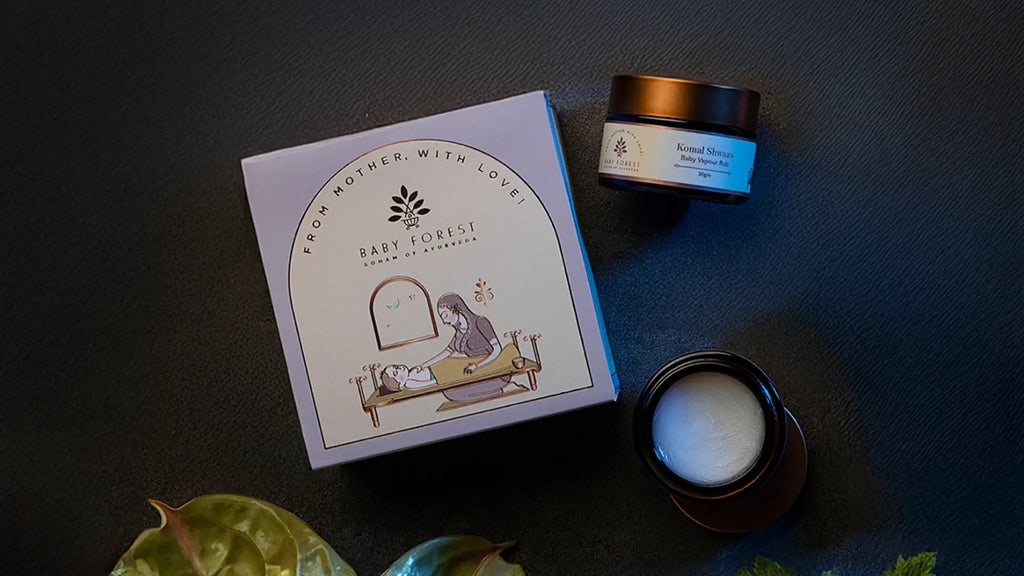
Is Vapour Rub Safe for a Baby? A Trusted Mother’s Guide
Nothing soothes a parent’s heart more than the calming sound of their baby’s quiet breaths when they are asleep. But when a little one catches a cold, even the tiniest sniffle can feel overwhelming, turning those peaceful breaths into restless sighs. Parents notice the little struggles, the blocked nose, the restless tossing in sleep, the way feeding feels difficult, and all they want is to bring comfort back to their baby. In those tender moments, all parents look for safe and gentle ways that can ease the discomfort without worry. Among the many choices, one remedy that has stood the test of time is a baby vapour rub, a natural way to soothe congestion and restore peace to a baby’s nights.
Yet as parents hold their child close, they may wonder if a vapour rub is truly safe for the baby. Let's explore this concern together and understand which baby vapour rub is safe for those little noses.
Why Do Babies Struggle More With Colds?
Babies are wonderfully delicate. Since babies’ immune systems are still developing and their noses are tiny, even a little congestion can feel overwhelming. Unlike adults, who can easily switch between nose and mouth breathing, babies mostly depend on their noses. So when those tiny airways get blocked, everything becomes harder: feeding, resting, and even their cheerful giggles often turn into fussiness.
Colds may be a part of infancy, but that doesn’t make it any easier for a parent’s heart. Watching a little one struggle for breath, seeing those tiny chests rise and fall with effort, it moves parents in ways that words can't describe. And while every parent looks for ways to bring relief, not every remedy at home is gentle enough for such delicate noses.

The Ultimate Guide To Shopping For Baby Products Online
Parenting begins long before the baby arrives, often with a screen full of tabs open, each showcasing something essential. Bottles, booties, swaddles, carriers. The promise of ease that comes with baby products online is vast. But behind that promise lie too many options, confusing sizes, uneven quality, and the struggle to tell what’s truly needed from what’s just being sold. This guide takes a conscious approach to help you with baby products online shopping, one that prioritizes clarity, safety, and practicality.
Start With Setting a Budget for Baby Products
You need to start with a budget, not the shopping cart. This isn’t about cutting corners but creating healthy boundaries. Without a plan, it’s easy to overspend on things you don’t really need, like an extra set of hooded towels or a designer bassinet. You can start by outlining your must-haves: items needed for hygiene, sleep, feeding, and transport. Assign a rough estimate to each category and leave room for unexpected necessities.
Subscription boxes and bundle sets may appear more budget-friendly, but you need to check each item in the box carefully. Many contain filler items you might never use. Remember, some things like a wipe warmer sound useful but serve little purpose in most climates or routines. A clear budget helps you focus on what truly matters and skip the extras that don’t.
Understanding Your Baby's Needs: What to Buy First
Newborns don't need much, but what they do need has to work well. It's tempting to focus on appearance, such as tiny sneakers and themed onesies, but functionality comes first. For a new arrival, immediate needs include:
| Category | Must-Haves & Tips |
|---|---|
| Diapering | Diapers (cloth or disposable), wipes, rash cream |
| Clothing | Basic cotton layers, mittens, caps; avoid synthetic blends |
| Hygiene & Grooming | Gentle skincare, baby comb, nail scissors |
| Feeding | Bottles, steriliser, burp cloths (depending on whether breastfeeding or bottle fed) |
| Sleeping | Swaddles, cotton blankets, crib sheets |
| Changing Essentials | Changing mat, wipes box, diaper caddy organizer |
Baby products online often come in curated categories, but these categories may not reflect urgency or practicality. Buying in phases allows you to respond to your baby's development rather than guessing six months ahead.
How to Spot Safe and High-Quality Baby Products
Online stores frequently advertise safety as a standard, but their definitions vary. Look for compliance with recognized safety standards, such as BIS, ASTM, and EN71. Products without visible certification or material disclosure should be avoided, especially in categories involving skin contact or things babies might put in their mouths.
When shopping for baby products online, be sure to check for product recalls and safety updates. Skincare and feeding items should list ingredients and materials in detail; terms like "safe" or "natural" alone aren’t enough. For toys with detachable parts or clothes with embellishments, review size guidelines and choking hazard warnings carefully. Not everything labeled "baby safe" is truly safe.
How to read Product Descriptions and Labels Online
Descriptions on product pages are often more about persuasion than accuracy. Labels like "chemical free," "organic," or "hypoallergenic" often lack regulation. A cream labeled "natural" might still contain allergens. A swaddle may claim to be "breathable" while being made of 100% polyester.
It's important to read the product descriptions carefully. Is the item certified? Are ingredients or materials listed fully? Can you find usage warnings or disclaimers? Reviews can be helpful, but only if they contain specific details. Watch for mentions of texture, fit, longevity, or unexpected flaws. “Great quality” sounds good, but a review pointing out flaws like “loose threads after one wash” is more informative.
Choosing the Right Size and Fit for Baby Clothing and Gear
Sizing isn't standardized across baby brands. One company's "3-6 months" can fit smaller than another's "0-3 months." For clothing, always refer to size charts instead of relying solely on age labels. Babies grow rapidly, and early misfits are common. Choose clothing with stretch, snaps, or wrap designs. They accommodate growth and reduce struggle during diaper changes.
In gear carriers, bassinets, and car seats, pay attention to weight and height recommendations more than age ranges. And don't ignore the reviews that include images or fit notes. These small, practical insights often reveal more than any product description.
How to Handle Shipping and Delivery When Buying Baby Products
Quick delivery is often promised, but actual shipping experiences vary depending on the seller and location. Some platforms host third-party vendors with independent fulfillment timelines. For baby products online shopping, particularly urgent items like diapers or feeding gear, check estimated delivery windows before ordering.
Make sure to read all of the return and refund policies as well. Products like toiletries or feeding nipples may be marked non-returnable, even when damaged. Verify what qualifies for a refund, what doesn't, and whether pickup is offered or self-shipping is expected. Keep screenshots of policies at checkout, especially when ordering from less familiar sellers.
How to Make Smart Purchases Without Overloading on Products
Shopping fatigue often stems from having too many options to choose from. There's a swaddle for every season and a shampoo for every skin type. The sheer abundance of baby products online creates a false sense of urgency. If one doesn't buy now, the perfect item might disappear. But all of those needs to change quickly because babies grow fast. What works today might be redundant in a month.
Limit yourself to a shortlist of trusted platforms. Read up on category essentials before clicking through trends. Start small, review frequently, and build your inventory with experience, not expectation. Parenthood is full of guesswork; shopping shouldn't add to it.
Why Organic and Eco-Friendly Baby Products Matter
Sustainability isn't just about the planet, it's also about the body. A baby's skin barrier is thinner, permeable, and more reactive than an adult's skin. Products containing pesticide-laden cotton, artificial dyes, or harsh preservatives aren't just harmful for the planet, but they can affect your baby’s health as well.
Organic baby products, particularly in clothing and skincare, reduce exposure to irritants. Look for certifications like GOTS for textiles or Ecocert for formulations. But sustainability also means choosing less and buying fewer, better-quality items that last longer. Baby products online that are biodegradable, reusable, or made with minimal packaging showcase the values better than any catchy slogan.
Conclusion
Online platforms have made baby care accessible but not simpler. Behind each product lies a decision that is layered with safety, function, cost, and principle. While shopping for baby products online, it offers convenience and variety, but also demands sharp attentiveness, one that filters out bold claims. Not every decision will be perfect, but informed ones? Those tend to hold up better for your little one.
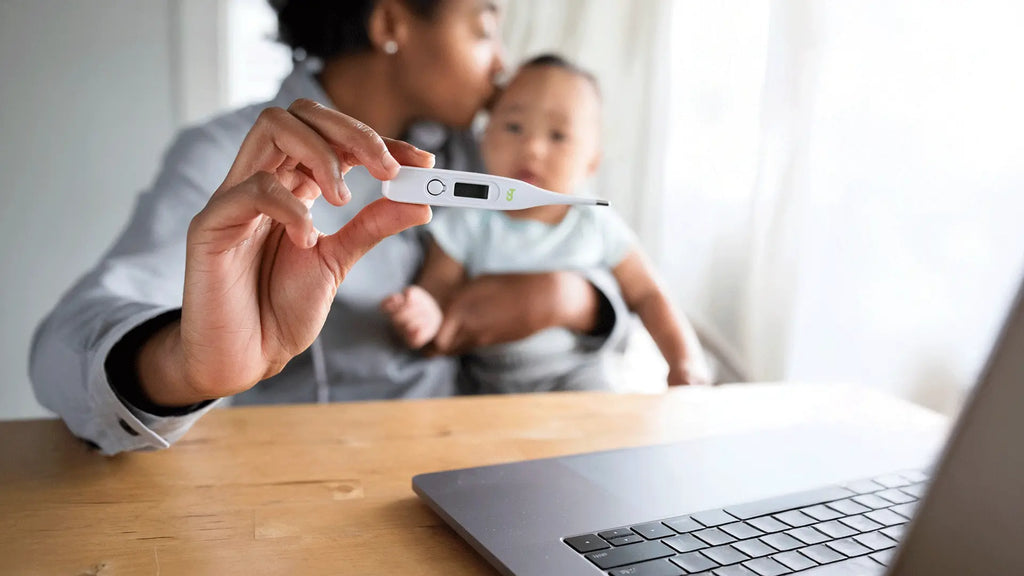
How To Manage Your Baby's First Fever?
Baby fever is one of the most common early health concerns parents face. The first time your baby feels unusually warm or seems more tired than usual, it can be difficult to know what's normal and what needs attention. In most cases, a fever in babies is the body's way of fighting off a mild infection. But even a small rise in temperature can feel alarming if you're unsure what to do next. Understanding how to take your baby's temperature properly, when to offer care at home, and when to call the doctor makes a big difference. This guide will walk you through the basics of managing baby fever, step by step, so you feel more prepared and less anxious the next time it happens.
Understanding Fever in Babies
Fever means the body temperature is higher than normal. A baby's fever temperature is usually anything above 100.4°F (38°C). Fever is not a sickness, it's a sign that the body is trying to fight off germs. In most cases, fevers in babies are caused by viral infections like colds. Teething might make the temperature go up slightly, but it usually doesn't cause a real fever. What matters most is how your baby is acting. Are they feeding normally? Smiling a little? Sleeping well? These things help tell you how serious the baby fever might be.
How to Check Your Baby's Temperature Safely
To know if your baby has a fever, you need to check their temperature the right way. For babies under 3 months old, it's best to use a rectal thermometer (in the bottom), since it gives the most accurate reading.
For babies older than 6 months, you can use a forehead thermometer. Underarm thermometers are fine to use, but they may not give the most accurate reading. Avoid using old glass thermometers, as they can break and pose safety risks.
Always clean the thermometer before and after use. Also, wait a while after your baby has had a bath or has been wrapped up, since this can change the reading. Checking a baby fever temperature correctly helps you decide what to do next.
What to Do When Your Baby Has a Fever
Not every fever needs medicine. If your baby is older than 3 months and seems fine otherwise, eating, sleeping, and alert, you can just keep an eye on them. If the baby's fever temperature goes over 102°F (38.9°C), or they seem uncomfortable, you can give baby-safe medicine like paracetamol (acetaminophen), but always consult a doctor first.
Make sure your baby drinks plenty of milk or fluids. Keep their clothes light and the room cool, not too cold. Gently massage a small amount of Baby Vapour Rub onto your baby’s chest or back after a lukewarm sponge bath. Doing this can add a calming aroma and help ease breathing, bringing extra comfort during a fever.
However, the goal is to help your baby feel better, not to bring the temperature to normal right away. A high baby fever temperature isn't always a sign of danger, but if your baby is not acting normal, not feeding, or crying a lot, it's time to call the doctor.
You should call the doctor right away if your baby is under 3 months old and shows any signs of fever. Also, seek medical help if the fever lasts more than 3 days or is accompanied by symptoms like a rash, trouble breathing, or seizures.
Common Mistakes To Avoid
Many parents make small mistakes when dealing with baby fever. One common mistake is giving medicine too soon, before checking the temperature. Another is waiting too long and thinking the baby is just tired or teething.
Wrapping your baby in too many clothes or blankets can actually make the baby fever worse. Using cold water or rubbing alcohol is not safe and can shock the body. Avoid switching between fever medicines without your doctor’s advice; it can be risky. And don’t just rely on touch to check baby fever temperature; always use a thermometer for accurate results.
Preventing Future Fevers: Tips for Keeping Your Baby Healthy
You can't stop every baby fever, but you can take small steps every day to help your baby stay healthy. Doing these things won't guarantee your baby won't get sick, but they can reduce how often and how seriously fever shows up in babies. And even when it does, a healthier baby recovers more quickly. Here are some simple tips that can help lower the chances of future fevers:
- Wash hands regularly: Always wash your hands before feeding, changing, or picking up your baby, especially after being outside or touching pets.
- Limit visitors when needed: Try to avoid too many visitors when your baby is very young, especially during cold or flu season.
- Keep sick people away: If someone in the family is unwell, they should avoid close contact with the baby until they feel better.
- Clean surfaces often: Wipe down baby toys, pacifiers, feeding bottles, and common touch areas like doorknobs and phone screens regularly with baby-safe cleaners.
- Follow the vaccination schedule: Vaccines protect your baby from many serious illnesses that often come with high baby fever temperature.
- Breastfeed if possible: Breast milk provides natural antibodies that help protect your baby from infections.
- Dress for the weather: Babies can't regulate their temperature well. Dress them in light layers and add or remove clothing depending on the season.
- Use a humidifier in dry weather: This helps keep the air moist and may prevent dry noses or throat infections that can sometimes cause baby fever.
- Give your baby enough sleep and rest: A well-rested body can fight off infections better.
- Feed your baby on time: Whether it's breast milk or formula, regular feeding supports a stronger immune system.
Conclusion
A baby fever is something almost every parent deals with sooner or later. It's a common part of early childhood and usually not a cause for panic. Understanding how to check your baby's temperature safely, when to offer medicine, and when to call a doctor makes managing fever in babies much easier. With calm steps and clear thinking, you can give the right care when your baby needs it most. Whether it's a mild rise in infant temperature or something that needs more attention, having the right information helps you respond with confidence. Baby fever care doesn't have to be confusing; you just need to know what to look for and how to act.

15 Natural Ways to Soothe Teething Pain in Babies
One of the first major challenges that babies encounter is teething. The emergence of new teeth through the gums can make babies irritable, produce excessive drool, and experience sleep difficulties. The way babies handle tooth pain varies, as some experience teething without any issues, but others display obvious signs of pain and agitation. During this time, parents try their best to find effective pain relief solutions that can also provide significant improvements.
The teething process starts at 4 months old and extends through the ages of 2 to 3 years. The process lasts for a few years, although it affects the body through substantial changes. Many parents choose to avoid using medications as their first choice for treating their child's tooth pain. Natural remedies exist to help the baby feel better from teething pain using common household items.
This guide advises 15 natural teething pain relief remedies. All these methods have no risk to the baby and are simple to handle and appropriate for various teething development phases.

Top 15 Natural Remedies To Soothe Teething Pain in Babies
There are many small things you can try at home to help your baby feel better. These natural methods are gentle, safe, and easy to use during different stages of teething.
1. Chilled Spoons
Place a clean metal spoon inside the refrigerator for 10-15 minutes. After it has cooled down from the refrigerator temperature, the cool spoon should be gently pressed against the baby's gums. The cold temperature of the spoon helps to numb the area while its firmness creates a comforting pressure that babies find relaxing. The spoon must always be under adult supervision because it should never be left unattended in a crib or given to a baby without supervision.
2. Cold Washcloths
Dampen a clean washcloth, twist it, and place it in the refrigerator for a while. Once it's chilled, offer it to your baby to chew. The texture of the cloth massages the gums, and the cold helps reduce inflammation. If your baby has teeth already, check that they don't bite through it. Cloth fibers shouldn't end up in their mouth.
3. Silicone Teething Toys
Many babies instinctively chew to ease teething discomfort. A soft, flexible silicone teether can help a lot. Always opt for teethers that are BPA-free and food-grade material. Keep the teether clean and consider chilling it for added relief. These toys are designed to be gnawed on and help with baby teething pain in a hands-on way. If you want one, you can check out the Natural Baby Teether from Baby Forest.
4. Gum Massage
Use a clean finger to gently rub the baby's gums with slow pressure after washing hands completely. The massage technique offers quick relief for a short time. It should be performed in brief intervals of a few seconds and repeated as needed. The gentle warmth and familiar touch of a hand often bring comfort to most babies.
5. Breastfeeding or Bottle Feeding
Feeding comforts babies during teething and distracts them from the pain. Sucking releases natural calming hormones, but if your baby starts biting, that's a cue they need a teether before resuming feeding. This tip works best in short feeding sessions rather than long ones during high discomfort periods.
6. Cold Foods (For Babies Eating Solids)
The baby can find relief from within with the help of chilled foods such as mashed bananas, cold applesauce, and refrigerated yoghurt if they have already begun eating solids. The baby should avoid consuming any food items that are hard or chunky. When introducing new foods to the baby, give small portions because it helps with the first-time food introduction.
7. Wooden Teething Rings
Wooden teethers (made of untreated, chemical-free hardwood) offer a different texture. They're firmer than silicone, which some babies prefer. Make sure the wood is smooth, has no splinters, and is easy to grip. Always check for cracks or wear before giving it to your baby.
8. Movement-Based Distraction
A walk in a stroller, slow bouncing, or even gentle rocking can calm a teething baby. The movement works because it shifts their focus from the pain. If your baby is especially fussy, stepping outside even briefly can reduce crying.
9. Chamomile Tea Compress
Chamomile has natural calming properties. Brew a weak cup (no sugar), cool it down, and dip a clean cloth or pacifier in it. Offer the dampened item to your baby to suck or chew. Some parents even freeze chamomile tea in silicone molds for a gum-soothing chew treat.
10. Chewing on a Clean Finger
Sometimes babies simply want to chew, and if no toy is nearby, a parent’s clean finger can help. Unlike gum massage, which is parent-guided, this is led by the baby. Let them apply their own pressure while you supervise closely. It’s not ideal for long sessions, but in the middle of a meltdown, it can buy a few quiet minutes.
11. Manage Excess Drool
Too much drool can irritate your baby's skin. Keep a clean bib on during the day and wipe their chin and cheeks with a soft cloth. Use a baby-safe moisturizer or barrier cream to prevent rashes around the mouth and neck. Teething discomfort is worse when the skin is sore, too.
12. Stick to Nap and Bedtime Routines
Even if your baby's sleep is disrupted, keep the routine steady with things like a bath, lullaby, feed, and sleep. This predictability helps soothe and lower stress levels, especially during teething peaks. A calm baby may not feel the pain as sharply when they know what's coming next.
13. Teething Necklaces for Parents (Not Babies)
Some caregivers wear chew-safe necklaces made from food-grade silicone. Babies chew while being held; this works as a hands-free teeth pain reliever. Important: these should never be worn by babies. They are adult accessories meant only for use during supervised holding.
14. Quiet Time During Pain Peaks
When discomfort is high, reduce noise, bright lights, and activity. A dim room, the soft hum of a fan, and gentle rocking can do more than any toy. Overstimulated babies cry harder, and the pain feels worse when everything is loud.
15. Observe What Works and What Doesn't
Not every baby likes cold washcloths. Not every baby wants to chew. You might want to try three methods before one click. Take notes. Try different textures, temperatures, and distractions. Your baby's pattern will reveal itself over time, and adjusting to their needs is the best kids teeth pain remedy you’ll always prefer.
Conclusion

Essential Tips for Baby Care in Rainy Weather
Rainy days feel refreshing. But for parents, they bring a new set of worries. The weather gets cooler, the clothes stay damp, and hence, the risk of infections goes up. Babies are more sensitive during this time. Their skin is delicate, their immunity is still building, and even the slightest change in weather can affect them. That is precisely why baby care in monsoon becomes increasingly important for your child. Now we understand that this sounds concerning, but hey, you don't have to worry. We’re here to help you get through this. In this blog, we’ll share simple and useful monsoon baby care tips. These will help keep your baby safe, dry, and happy all through the rainy season.
Why Monsoon Requires Special Care For Babies?
The monsoon season, as mentioned before, can be really tough on babies. It brings in the humidity, sudden weather changes, and an increase in germs. Your child’s skin is sensitive and remains damp for long periods due to the high moisture in the atmosphere. This dampness causes rashes, prickly heat, and fungal infections, particularly in the folds of skin and beneath diapers. It's not just the skin but also the clothes that take longer to dry. If your child wears even the slightest of damp clothes, it can cause discomfort or lead to catching a cold.
Besides, another major issue during the monsoon is the lack of sunlight. With fewer sunny days, there is reduced exposure to vitamin D, which is vital for bone development and a strong immune system. Mosquitoes are also at their peak during monsoon season. This increases the chances of bites and illnesses such as dengue or malaria. Other than that, indoor air becomes stale and musty, which may trigger allergies or breathing trouble in babies. There are a host of other issues that are also very concerning during the monsoon for your baby. In short, special baby care in monsoon is crucial to keep your baby dry, clean, comfortable, and safe from seasonal illnesses. To further protect your little one from mosquito bites, consider using a dedicated baby mosquito repellant spray that’s formulated for infants and safe for frequent use.
Common Baby Health Concerns During The Rainy Season
Now that you know that the monsoon poses a danger to kids' health, you need to be extra careful with their care. That’s why we have a list of monsoon baby care tips to help you.
- Keep Your Baby’s Skin Dry and Clean: Humidity can cause babies to sweat more, and wet skin is going to result in rashes or fungal infections. Always dry their skin gently after bath time or a diaper change. Here, using soft towels and paying attention to skin folds in the underarms, neck, and thighs is important.
- Maintain Good Hygiene at Home: Damp weather leads to the growth of mold and musty odors indoors. To ensure this doesn't happen, clean any wet surfaces, regularly wash toys, and ensure the baby’s room is well-ventilated. A tidy environment is crucial in lowering the risk of infections.
- Protect Against Mosquitoes and Insects: Utilize baby-safe mosquito repellents, such as patches or roll-ons. Keep all of the windows closed in the evening, or if you need the ventilation, you could also add mesh screens. Ensure there's no stagnant water around your home. This prevents the breeding of mosquitoes and insects during monsoon.
- Choose the Right Clothing for Monsoon: Your baby needs soft, breathable cotton garments to be comfortable. Avoid over-layering or using any synthetic material for clothing. If their clothing feels even slightly damp, please change them immediately to prevent chills or skin irritation.
- Diapering and Rash Prevention: Monitor diapers more closely during this season. The humid air makes it easier for rashes to form. Apply a gentle diaper rash cream on your child so your baby can enjoy some diaper-free time each day to let the skin breathe.
- Bathing Your Baby Safely: Continue with bath time and don’t skip it, but try to keep them short and warm. Make sure to dry your baby thoroughly, especially between their toes, underarms, and neck. Use a mild, herbal baby body wash that is gentle on their skin.
- Strengthen Baby’s Immunity Through Diet: If your baby has started on solids, incorporate seasonal fruits (such as steamed pears or apples). You can also incorporate some easy-to-digest foods like dal water, khichdi, or mashed vegetables. Besides, breastfeeding is also a natural way to boost immunity, so continue if it's possible.
- Watch for Common Monsoon Illnesses: One of the most important monsoon baby care tips is keeping an eye out for symptoms of a cold, cough, fever, or digestive issues. Don’t ignore signs like sneezing, loose stools, or unusual fatigue. Seek medical advice if something seems off.
- Keep Baby Warm and Comfortable Indoors: The weather can feel chilly, particularly in the mornings and evenings. Use light blankets and ensure your baby’s feet are kept warm with socks. Avoid sudden temperature shifts by maintaining a comfortably cozy room without it becoming stuffy.
Conclusion
Monsoon can be a magical season, but it’s not the same for babies. By prioritizing baby care in monsoon, you can ensure that your little one remains safe, healthy, and content during the rainy season. Make it a point to keep their skin dry, their environment tidy, and their meals nutritious. Be vigilant for any early signs of illness, and don’t hesitate to contact your doctor if necessary. Above all, trust your instincts and remember that you know your baby best. So, embrace the cozy moments and delightful laughter of the rainy season. Just be prepared, and let your baby discover the joys of this season safely with you by their side.

Air Pollution And Children: Long-Term Risks Every Parent ...
As parents, we do everything we can to ensure our kids eat well, exercise regularly, and develop into healthy and happy people. But the effects of air pollution on infants are a covert danger that we often ignore. Whether it's the air they breathe at home, the environment at school, or the playground, infants are always surrounded by pollution. Some of this air pollution is visible, like smog, and most of it is not visible, like the microscopic particles in the air. The harmful effects it has on infants can be especially alarming, as their bodies and brains are still developing.
These parts of their developing bodies are far more vulnerable to harmful toxins. The consequences of air pollution on infants are severe, persistent, and cause for great concern. In this blog, we’ll have a close look at what air pollution is, why it affects children more severely, and what long-term risks it poses even into adulthood. But here’s the real deal: we’ll also share some simple but powerful ways you can protect your child every day.
Understanding Air Pollution and Its Common Sources
Air pollution is one of the most harmful types of pollution. It refers to the presence of harmful substances in the atmosphere that can be detrimental to both our health and the environment. These harmful particles and gases are typically not visible to the naked eye. There are a few types of air pollutants that exist. Some are extremely severe, while some others are mild. These different pollutions originate from various sources. Automobiles, including cars, trucks, and buses, contribute significantly to pollution, particularly in densely populated urban areas.
Construction activities and dust from unpaved roads contribute to the issue as well. Factories and energy plants emit harmful fumes into the air. In rural areas, the act of burning agricultural waste and wood also contaminates the atmosphere. Even within our homes, certain items like incense, mosquito repellent coils, smoke from cooking, air fresheners, and strong cleaning agents are known to pollute the indoor air quality. The effects of air pollution on infants can be especially severe, leading to long-term health challenges that may not be immediately visible but can impact growth, brain development, and immunity over time.
Why The Effects Of Air Pollution On Infants Are More Severe Than In Adults
Children are simply “mini adults.” Their bodies are still in the growth phase, making them more exposed to environmental toxins such as polluted air. In fact, the effects of air pollution on infants can be even more serious. Here are the reasons why:
- Quicker Breathing Rate: Kids breathe at a rate that is double that of adults. This results in them taking in more pollutants relative to their body size.
- Developing Lungs and Immune Systems: A child’s lungs are still maturing until they reach about 18 years old. Exposure to pollutants can disrupt this development, increasing the likelihood of respiratory diseases. Additionally, their immune systems are not as strong in fighting against airborne toxins.
- Time Spent Outdoors: Children are often outside playing or walking to school, which frequently coincides with higher pollution levels.
- Close to Ground-Level Pollutants: Pollutants such as heavy metals and dust typically settle closer to the earth. Because toddlers and young kids are shorter, they are nearer to this "pollution zone."
- Longer Exposure Duration: Being exposed early on leads to increased exposure over a lifetime, heightening long-term health risks.
Impact Of Air Pollution On Brain Development
Most of us know that air pollution can harm our lungs, but fewer understand that it can also influence the brain, particularly in young children. In truth, the harm can begin even before birth. A fetus's brain starts to develop during pregnancy and is highly vulnerable to hazardous elements in the environment. When a pregnant woman encounters significant air pollution, it may result in reduced birth weight, smaller head circumference, and hindered brain development in the unborn child.
After birth, exposure to polluted air can also affect the growth and function of a child's brain. Research indicates that children who breathe in high levels of pollution, particularly fine particles such as PM2.5 and gases like nitrogen dioxide, frequently have diminished IQs, slower cognitive processing, and difficulties with concentration and attention. The effects of air pollution on infants can be especially concerning, as their developing brains are highly sensitive to environmental toxins during the earliest stages of life. Moreover, newer studies have linked air pollution to mental health issues in children, such as anxiety, depression, and even behavioral challenges like ADHD. In simple terms, the air our children inhale not only impacts their physical health but can also influence their capacity to learn, feel, and develop.
Effects Of Air Pollution On Physical Growth
Air pollution is not as easy as making children cough; it can have far worse repercussions. It can also get in the way of how their bodies grow and develop.

- Reduced Lung Function: Children who live in areas with high pollution often don’t develop full lung capacity. Their lungs may grow smaller and weaker than those of children who breathe cleaner air, and this reduced function can last into adulthood.
- Chronic Respiratory Problems: Frequent exposure to polluted air can lead to frequent breathing problems like asthma, wheezing, chest infections, and even long-term lung conditions that affect day-to-day life.
- Weakened Immunity: Pollution can also weaken a child’s immune system. When the body constantly fights off infections and inflammation caused by polluted air, it leaves less energy and strength for growing and staying healthy. Over time, this can make children more likely to develop allergies or other immune-related issues.
- Nutrient Absorption Issues: When children fall sick often, their appetite can go down. This affects how well their bodies absorb nutrients from food, which can slow their physical growth and lead to delays in development.
Long-Term Health Risks Into Adulthood
What’s truly alarming is that the damage caused by air pollution during childhood doesn’t just vanish; it often carries forward into adulthood.
- Heart Issues: Research shows that initial exposure to air pollution is associated with a heightened likelihood of developing heart-related ailments, hypertension, and strokes later on.
- Chronic Lung Diseases: Kids who breathe in contaminated air face a significantly greater risk of suffering from COPD (chronic obstructive pulmonary disease) when they reach their 40s or 50s.
- Diabetes and Weight Gain: New studies reveal a link between pollution and insulin resistance as well as metabolic syndrome, which escalates the chances of developing Type 2 diabetes and obesity.
- Cancer Risk: Extended contact with harmful substances such as benzene and formaldehyde, commonly found in polluted air, can elevate the risk of lung cancer and cancers of the blood, including leukemia.
How Indoor Air Pollution Adds to the Burden
Many parents believe that their home is a safe haven from pollution, but indoor air pollution is a very real problem and sometimes even more harmful than outdoor pollution. Common sources of indoor pollutants include smoke from cooking, especially when using traditional stoves fueled by wood or coal, as well as cigarette smoke, which can linger for hours in enclosed spaces. Household items like synthetic fragrances, air fresheners, incense sticks, and mosquito coils release chemicals that pollute the air inside our homes. Dust, pet dander, mold, and allergens also contribute to poor indoor air quality.
Additionally, low-quality furniture, paints, and adhesives can emit volatile organic compounds (VOCs), which are toxic gases that affect respiratory health. Because children spend a significant amount of time indoors sleeping, playing, or studying, exposure to these pollutants can increase the risk of breathing difficulties, skin irritation, allergies, and even long-term developmental problems. This makes improving indoor air quality just as important as managing outdoor air pollution to protect children’s health.
What Parents Can Do: Prevention & Protection
You may not be able to control the air outside, but there’s still a lot you can do to protect your child from the harmful effects of pollution. Small steps at home and in daily routines can make a big difference.

- Watch the Sky, Trust Your Senses: Keep an eye on visible signs of poor air quality like smog, heavy dust, or strong smells. If the air looks or smells polluted, it’s best to keep your child indoors and avoid intense physical activity outside.
- Plan Outdoor Play Wisely: Try to schedule outdoor time during the afternoon, when pollution levels tend to be lower. Avoid going out near busy roads or during times when traffic is heavy or people are burning garbage or leaves.
- Keep Your Indoor Air as Clean as Possible: Let fresh air in when outdoor conditions are better, especially during the early afternoon. Choose natural cleaning products and avoid spraying air fresheners or using scented candles. You can also wipe down surfaces regularly to reduce indoor dust.
- Add Greenery to Your Home: Indoor plants like aloe vera, peace lily, and money plants not only add beauty to your home but also help purify the air naturally. Just make sure the plants are safe and non-toxic for young children.
- Feed Them Foods That Strengthen the Body: Make sure your child eats a well-balanced diet with fruits, vegetables, and foods rich in vitamins like C and E. These help boost immunity and protect the body from pollution’s harmful effects.
- Care for Their Skin Gently: Pollution can irritate sensitive skin. Using soft, natural skincare products like baby sunscreen and water wipes, can help keep your child’s skin nourished and protected without exposing them to harsh chemicals.
Read More: Know All About Garbh Sanskar: Shaping the Unborn Child with Traditional Wisdom
Conclusion
Air pollution might be a silent enemy, but it’s one we can fight one small step at a time. By staying informed and making conscious changes, you can create a safer environment for your child, both now and in the future. Understanding the effects of air pollution on infants is the first step toward taking action because these early years are the most vulnerable and precious. Every child deserves to grow, play, and dream without having to fight for every breath.
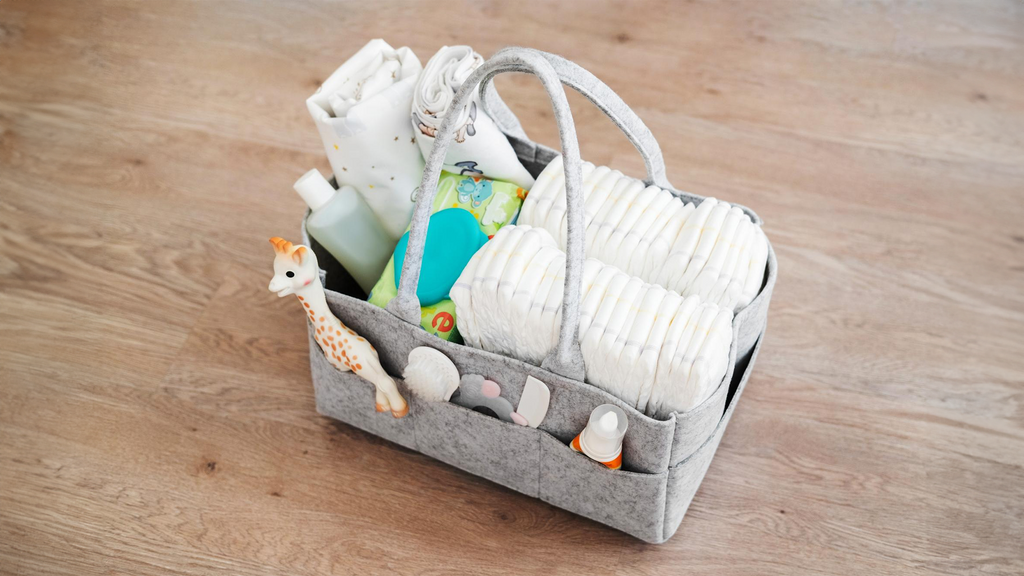
Diapering Essentials Checklist: Must-Have Items for Newborns
Bringing your newborn home is a very special time. As you settle into your new routine and get to know your baby, you'll quickly realize that some tasks become a big part of your day. One of the most frequent (and important!) ones? Diapering. It might just feel like a full-time job! It's so easy to forget how to change a diaper, or if you are a parent for the first time, you may want a diapering refresher! If you have good-quality diapering items and helpful diapering essential goods, it will make taking care of your little one a whole lot easier.
From keeping your baby comfy to avoiding messy surprises, let's go over everything you need to make diapering simple and stress-free!
Choosing the Right Diapers: Cloth vs. Disposable

One of the first decisions you'll face is choosing between cloth and disposable diapers.
-
Cloth Diapers:
Cloth diapers are environmentally friendly, reusable, and usually gentle on your baby's skin. You can find cloth diapers in a variety of different styles, from prefolds to all-in-ones. Thankfully, cloth diapers are more convenient than ever. -
Disposable Diapers:
Disposable diapers are super absorbent, useful, and an good fit for parents who prefer convenience. Just check for ones that are free from harsh chemicals, to avoid irritating your baby's sensitive skin.
There's no right or wrong choice pick what works best for you!
Baby Wipes: How to Pick the Best One for Your Baby's Skin
You'll go through a lot of baby wipes, so choosing the right kind is important.
- Opt for fragrance-free, hypoallergenic wipes to avoid skin irritation.
- Organic or water-based wipes are a great option for sensitive skin.
- Consider biodegradable wipes if you're looking for an eco-friendly choice.
Pro tip: Always do a patch test before using a new brand on your baby's skin.
Diaper Rash Cream: Preventing & Treating Irritation
Diaper rashes happen to almost every baby, but don't worry—they're totally manageable! The trick is to be prepared. A good diaper rash cream acts like a shield, keeping moisture away and calming irritated skin.
Look for creams with natural ingredients like zinc oxide, aloe vera, or coconut oil—they're gentle and super effective. And here's a pro tip: applying a thin layer at every diaper change can help prevent rashes before they even start. A happy bum means a happy baby (and a less stressed you)!
Changing Pad & Covers: Keeping Diaper Changes Clean & Comfortable
A portable changing pad is a lifesaver, whether you're at home or out and about.
- Choose a waterproof pad for easy cleaning.
- Keep extra covers on hand to swap out after messy diaper changes.
- Consider a travel-friendly changing pad for on-the-go convenience.
Having a dedicated changing area can make diapering smoother and more organized.
Diaper Bag Essentials for On-the-Go Parents
Your diaper bag will become your best friend when you're out with your baby. Here's what you should always pack:
- Diapers (at least 4-6 per outing)>
- Baby wipes
- Diaper rash cream
- Changing Sheet
- Extra baby clothes
- Burp cloths
- Hand sanitizer
- Small plastic bags for soiled diapers
A well-stocked diaper bag ensures you're always ready for any surprise messes!
Diaper Pail & Liners: Managing Odours & Hygiene
Diapering means dealing with waste, and a good diaper pail helps keep odors under control. Choose one with:
- A tight-sealing lid to trap smells
- Biodegradable liners for an eco-friendly option
- A hands-free design for easy disposal
If you're using cloth diapers, a wet bag or pail with a washable liner is a must-have.
Extra Clothing & Burp Cloths: Handling Unexpected Messes
Babies are unpredictable, and diaper leaks happen. Always keep extra clothing and burp cloths nearby to handle accidents. Soft, breathable cotton outfits are the best choice, and burp cloths can double as quick clean-up rags.
Nighttime Diapering: What You Need for Longer Sleep
A good nighttime diapering setup can help your baby sleep longer without discomfort.
- Use highly absorbent diapers to minimize overnight leaks.
- Apply a thick layer of diaper rash cream before bed.
- Keep diaper changes quick and quiet with a soft night light and pre-prepared supplies.
The goal is to keep your baby dry and comfortable so they can sleep soundly.
Conclusion
Diapering might seem like a big task at first, but with the right diapering essentials, it's a breeze! From picking the perfect diapers to keeping a well-stocked diaper bag, having the right gear makes all the difference. A little preparation goes a long way before you know it, you'll be handling diaper changes like a pro, so no stress is needed!
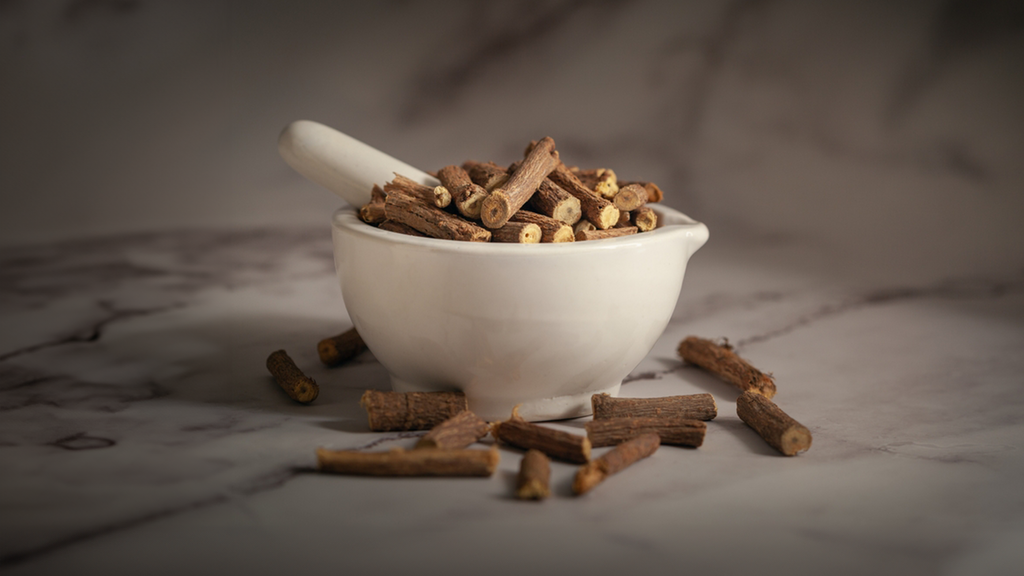
Secrets of Licorice: Ancient Remedy or Modern Superfood?
Parenting is a journey of continuous learning, blending tradition with modern care. Licorice, known as mulethi in India, is a natural herb valued for its soothing, antimicrobial, and anti-inflammatory properties. Exploring the Secrets of Licorice reveals how it can enhance your baby’s daily care with gentle, natural benefits—like using Organic Licorice for purity or Licorice Root Sticks for traditional wellness.
What is Licorice?
Licorice is a beloved herb, prized for its naturally sweet taste, soothing qualities, and healing potential. The Secrets of Licorice reveal themselves in its long-standing use in herbal remedies, where its anti-inflammatory and antimicrobial properties shine, supporting wellness in gentle, effective ways. Whether it’s Real Black Licorice, offering an authentic, robust essence, or Organic Licorice, delivering a pure and clean touch, this herb adapts to countless needs. Beyond its role in baby care—like calming irritated skin or easing mild congestion—it extends into broader traditions, bridging ancient wisdom with modern parenting. From vapor rubs to teething aids, licorice proves its versatility, providing a natural boost to daily routines. Its sweet charm and protective benefits make it a standout choice for nurturing little ones, ensuring comfort without harsh chemicals—a perfect blend of nature’s best for today’s caregivers seeking reliable, time-tested solutions.

Benefits of Licorice in Baby Care Products
Licorice has become a cornerstone in baby care, delivering gentle nourishment and protection that parents can trust—picture it as the Best Licorice for your tiny tot. Unlocking the Secrets of Licorice unveils its remarkable benefits, making it a standout ingredient in products designed for little ones. This herb’s natural properties soothe and shield, offering a safe, effective way to care for delicate skin and beyond. From calming irritations to providing a protective barrier, licorice proves its worth in everyday routines. Its gentle touch ensures babies stay comfortable without harsh chemicals, blending tradition with modern care seamlessly. Whether in creams, rubs, or cleansers, licorice enhances the nurturing experience, showing why it’s a go-to choice for thoughtful parenting today.
-
Gentle on Delicate Skin
Licorice brings its anti-inflammatory magic to baby care, easing redness and irritation with a soft, calming effect—perfect for diaper rash creams and soothing treatments. The Secrets of Licorice spotlight how it comforts sensitive skin, offering a gentler approach than something like Cinnamon Licorice might imply with its bolder profile. This herb works wonders on tender areas, reducing discomfort without overwhelming delicate systems. Parents can rely on its natural properties to keep their baby’s skin smooth and irritation-free, especially during those fussy moments. Unlike harsher options, licorice provides a nurturing touch that aligns with the needs of little ones, making it a staple in gentle care routines that prioritize safety and comfort above all.
-
Protection Against Bacteria
Licorice’s antimicrobial strength steps up in baby care, guarding fragile skin against harmful bacteria with ease. It shines in vapor rubs, soothing mild colds and congestion—a subtle treasure within the Secrets of Licorice, far from the intense flavor of Chocolate Licorice, which isn’t suited for babies. This herb acts as a natural shield, keeping infections at bay while offering relief during stuffy nights. Its protective qualities extend beyond the surface, ensuring your little one stays healthy and comfortable. Safe and gentle, licorice in these products provides peace of mind for parents, blending efficacy with nature’s care. It’s a quiet hero in maintaining baby wellness without relying on synthetic additives.
-
Natural Cleanser in Baby Products
Infused in shampoos and soaps, licorice keeps baby skin soft and tackles issues like cradle cap with a tender touch. The Secrets of Licorice reveal its knack for gentle cleansing, surpassing flavored varieties like Strawberry Licorice that don’t fit baby-safe formulas. This herb cleans without stripping natural oils, leaving skin smooth and nurtured—a perfect ally for daily baths. Its soothing nature ensures even the most sensitive scalps stay calm, making it a parent’s friend in maintaining hygiene naturally. Licorice stands out for its ability to care gently, avoiding the harshness other cleansers might bring, and keeps your baby’s skin in top shape with ease. -
A Healthy Sweetener
Licorice offers a natural sweetness that safely replaces refined sugar in teething products, easing the baby’s discomfort with care. This lesser-known perk among the Secrets of Licorice makes it ideal for little ones, not like Chocolate Licorice, crafted for adult indulgence. Its mild flavor comforts without overloading tiny systems, providing a gentle alternative in soothing gels. Parents can trust this herb to deliver sweetness that’s safe and effective, steering clear of artificial additives. Licorice’s role here highlights its versatility, ensuring teething moments are less stressful and more natural, keeping your baby happy and healthy with every use. -
A Natural Mosquito Repellent
Licorice powers mosquito repellents and patches, creating a soft yet strong shield against insects for your baby. The Secrets of Licorice extend to this natural defense, with Real Black Licorice extract boosting its strength beyond flavors like Cinnamon Licorice or Strawberry Licorice. This herb keeps bites at bay without harsh chemicals, offering a gentle barrier that’s safe for delicate skin. It’s a smart, natural way to protect your little one outdoors, blending efficacy with care. Licorice proves its worth here, giving parents a worry-free option to keep their baby comfortable and bite-free every day.

How to Use Licorice Safely
Using licorice safely unlocks more of its Secrets of Licorice for your baby’s care:
- Patch Test: Always test a small amount—like a dab of Black Licorice-infused cream—on your baby’s skin to check for reactions.
- Choose Baby-Specific Products: Use products formulated for babies to ensure the right concentration, avoiding strong types like Black Licorice.
- Follow Label Instructions: Stick to the recommended usage to avoid overexposure with this Best Licorice.
- Consult Your Pediatrician: Before introducing new products, seek medical advice for your baby’s safety, especially with unique options like Licorice Root Sticks.
Conclusion
Licorice is a gentle yet effective ingredient in baby care, offering soothing and protective benefits. By understanding the Secrets of Licorice, you can opt for baby-friendly formulations and consult your doctor before introducing new products to ensure the best care for your little one.