
Caring for Infants: What Every New Parent Should Know
 Skip to main content

Caring for Infants: What Every New Parent Should Know

10 Common Infant Bottle Feeding Mistakes New Parents Should Avoid

How to Choose the Best Oil for Your Newborn's Hair and Scalp

How to Build a Balanced First Trimester Diet That Supports Baby's Development

How to Choose a Safe Baby Soap Without Harmful Chemicals
Breastfeeding is a learning experience for both you and your baby. A comfortable position can make feeding feel easier, encourage a deeper latch, and support effective milk transfer. While some babies latch comfortably from the start, others need a little more guidance and practice. Finding a position that feels natural can make each feeding session calmer and more enjoyable.
As your feeding routine develops, you may occasionally introduce baby feeding bottles while continuing to nurse. Even then, choosing the right breastfeeding positions remains important because proper positioning can improve comfort and help your baby feed more efficiently. Every parent and baby pair is different, so trying several positions can help you discover what feels best.
Let’s explore seven practical positions that can encourage a deeper, more comfortable latch.
A baby's latch depends on more than hunger alone. Proper positioning helps your baby open their mouth wider, stay comfortably supported, and feed with less effort.
As a result, proper positioning can also help reduce nipple discomfort for mothers while supporting more effective milk intake for babies.
Different breastfeeding positions work in different stages of your baby's growth and different feeding situations. Some are helpful during the newborn weeks, while others provide extra comfort after childbirth or during nighttime feeds.
Learning several positions gives you more flexibility and confidence throughout your breastfeeding journey.
Every baby has unique feeding preferences, so exploring different breastfeeding positions can help you find one that encourages a secure latch and greater comfort. The following positions support different feeding needs while helping make nursing sessions more relaxed for both you and your baby.

The laid-back breastfeeding position encourages a relaxed feeding experience by allowing your baby to use natural feeding instincts. It is often comfortable during the newborn stage and continues to work well as your baby grows.
How to do it:
Benefits:
The cross-cradle hold provides extra support while helping you guide your baby into a deeper latch. It is especially useful during the early weeks when your baby is still learning to breastfeed.
How to do it:
Benefits:
The cradle hold is one of the most familiar breastfeeding positions and often becomes easier once feeding is well established. It allows you and your baby to stay close while maintaining a natural feeding posture.
How to do it:
Benefits:
The side-lying position allows you to breastfeed comfortably while you and your baby lie on your sides facing each other. It is a practical option for overnight nursing and can help reduce physical strain during frequent feeds.
How to do it:
Benefits:
The upright koala hold keeps your baby in a seated position against your body throughout the feeding session. Many babies who prefer staying upright find this position comfortable and easier to manage.
How to do it:
Benefits:
The dancer hand position provides additional stability for babies who find it difficult to maintain a secure latch. It gives you greater control while supporting both your breast and your baby's jaw.
How to do it:
Benefits:
Breastfeeding in a sling can make feeding more convenient once your baby has developed good breastfeeding skills and head control. It helps keep your baby close while allowing you to move around and manage light daily tasks.
How to do it:
Benefits:
For additional feeding guidance, you can also explore the Baby Forest Breast Milk Calculator, which estimates your baby's daily breast milk requirements based on their age and weight. This can help you better understand your baby's feeding needs as they grow.


Finding the right breastfeeding position takes patience, and there is no single approach that works for every family. Paying attention to your baby's feeding cues and choosing a position that feels comfortable for both of you can make each nursing session more enjoyable.
If discomfort or latching challenges continue despite trying different breastfeeding positions, consult a lactation specialist or healthcare provider for personalized guidance.
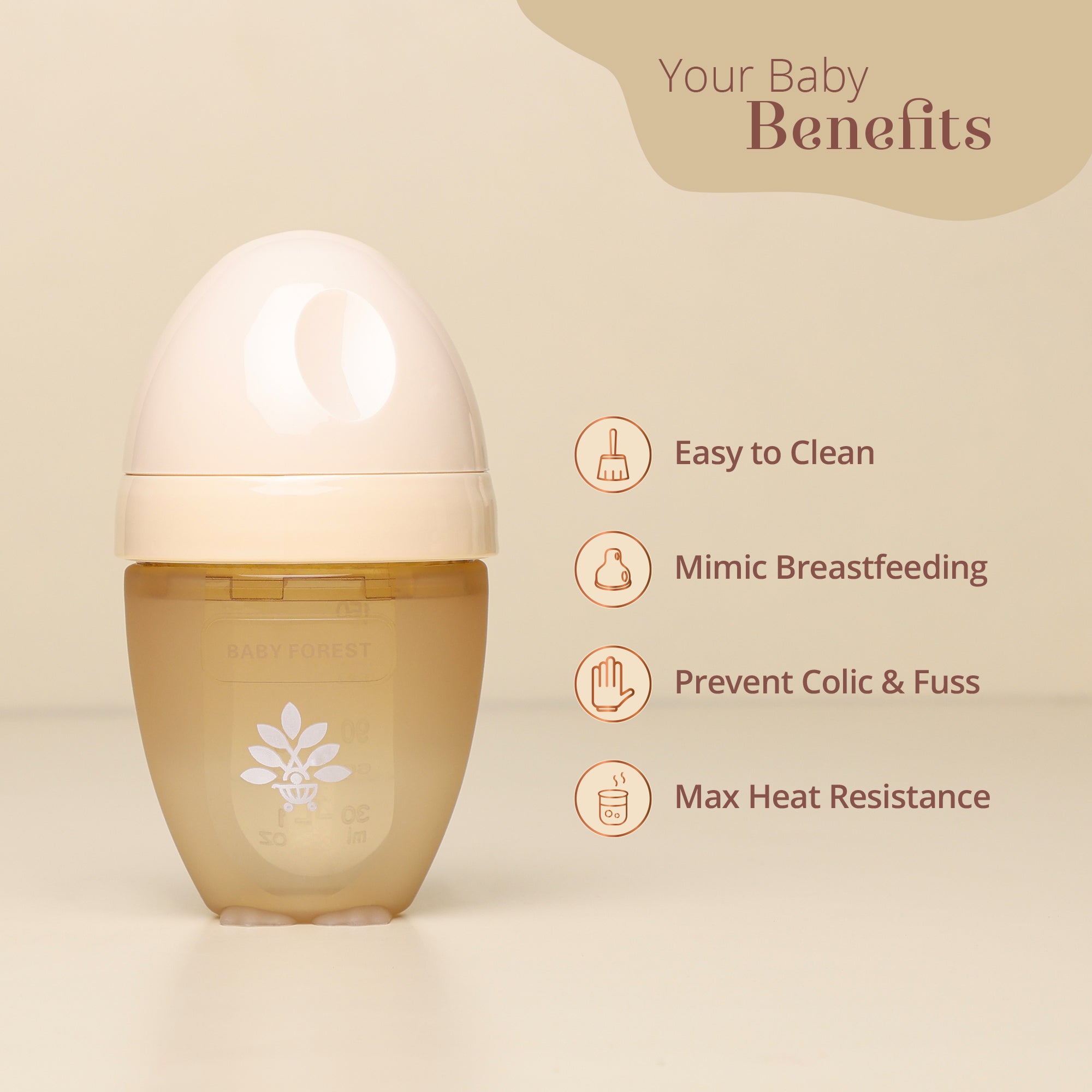
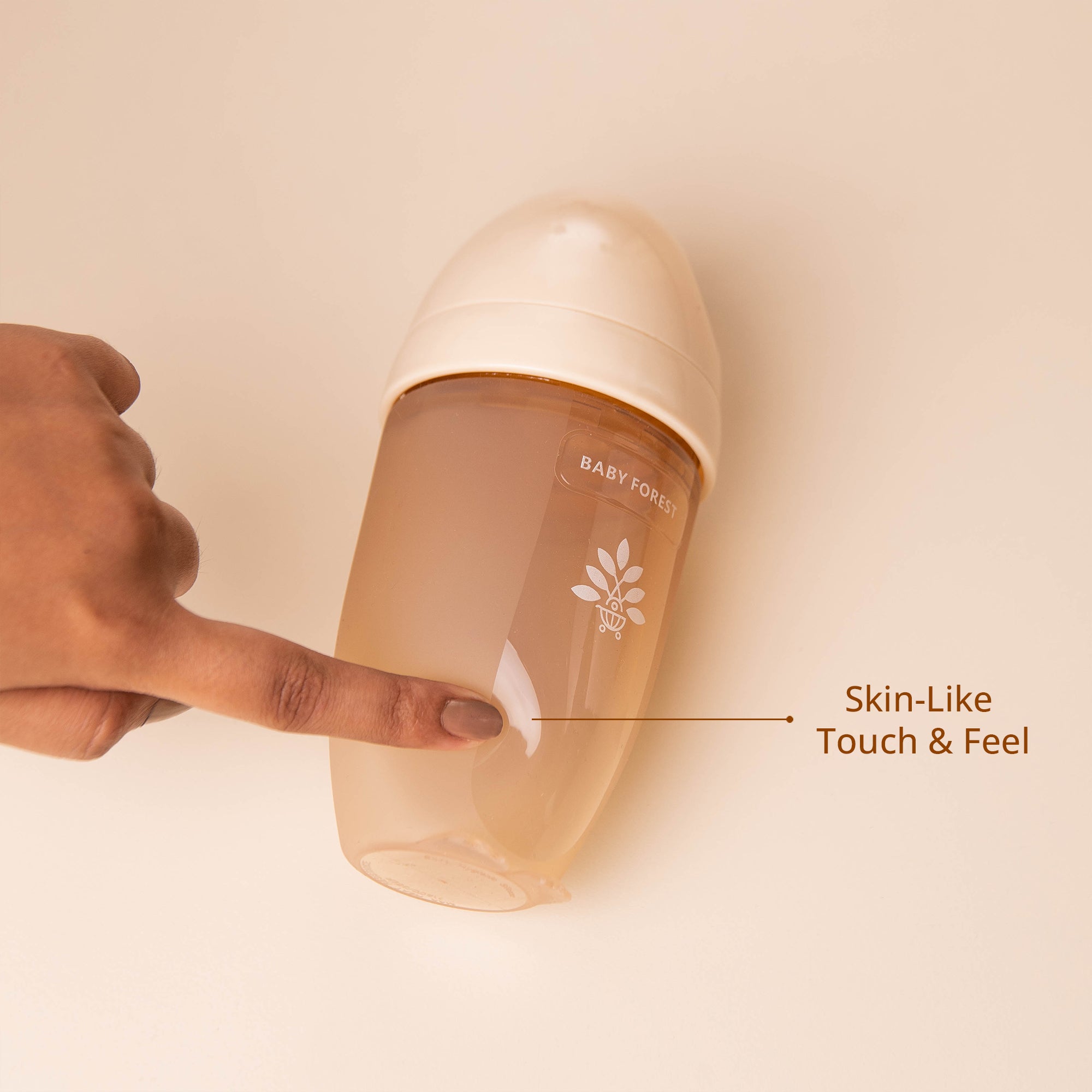
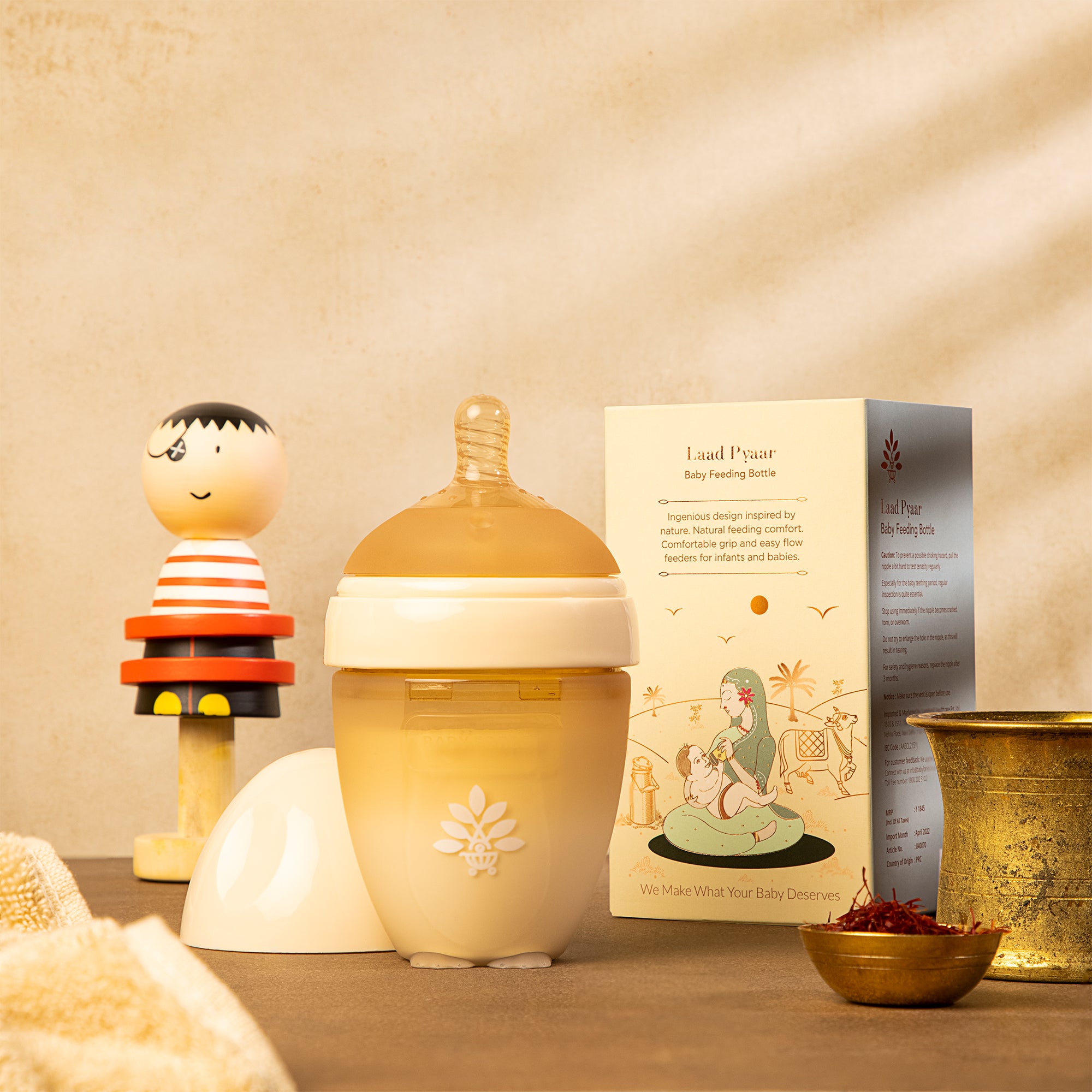
As your feeding routine develops, you can also explore Baby Forest's baby bottles to support feeding sessions while maintaining a routine that works best for you and your baby.
Also Read: Top 10 Parenting Tips for New Moms and Dads