






SPF 30 vs SPF 50 Sunscreen: What’s Best for Your Baby?
 Skip to main content

Rs. 2,340.00
Rs. 2,090.00
Rs. 1,145.00
Rs. 5,499.00
Rs. 13,215.00
Rs. 13,215.00
Rs. 9,770.00

Rs. 9,770.00

Rs. 10,080.00
SPF 30 vs SPF 50 Sunscreen: What’s Best for Your Baby?

First 6 Months of a Baby: Traditional Practices & Common Mistakes to Avoid

200 Unique Indian Baby Girl Names for Your Little Princess

Swaddles & Pashmina Blankets: Gentle Comfort for Your Baby From Day One

A Parent’s Guide to Building the Perfect Baby Bathing Kit
The first things related to babies are always extraordinary and special. And in Hindu culture, the first haircut is primarily ceremonious. Commonly known as Mundan, the ritual is called choodakaran or chaul in some parts of India.
According to Ayurveda, the ritual of mundan is believed to help regulate the body's temperature and maintain cerebral balance, thus promoting better and healthier growth. The act of shaving the head is also thought to open the crown chakra, enhancing the body's energy flow, which is vital for mental and physical health. Additionally, Ayurveda suggests that this practice can remove impurities and past karma, potentially improving the child's well-being.
The Mundan ceremony is a special event/ritual for babies in some cultures, particularly among Hindus. It involves shaving off the baby's first hair, usually when they are around one to three years old. People believe this ceremony cleans the baby from their past life, protects them from evil, and blesses them with a good future. Family members, friends, and a priest usually gather to celebrate this occasion with prayers and blessings. The Mundan is both a religious ritual and a joyful family gathering, marking an important milestone in a baby's life.
Many parents often get confused on one thought: “when mundan should be done?” Ideally, the ceremony should be performed from the first year to the third year of a baby's life. The time is correct because the child is not as delicate as a newborn. In exceptional cases, parents can do the mundan later as well. But, doing the mundan at an odd number of months and years is suggested. It can be done at 7, 9, or 11 months of age. Some families follow the auspicious time indicated by the priest.


The Mundan ceremony can be performed in various locations depending on family traditions and preferences. Commonly, it takes place in a religious setting such as a temple, which provides a sacred environment for the ritual. However, some families choose to hold the mundan ceremony for their baby boy or girl at their home for a more intimate setting, especially if they wish to include only close relatives and friends. In some cases, it may also be conducted at a pilgrimage site or a significant religious place, adding spiritual significance to the event.
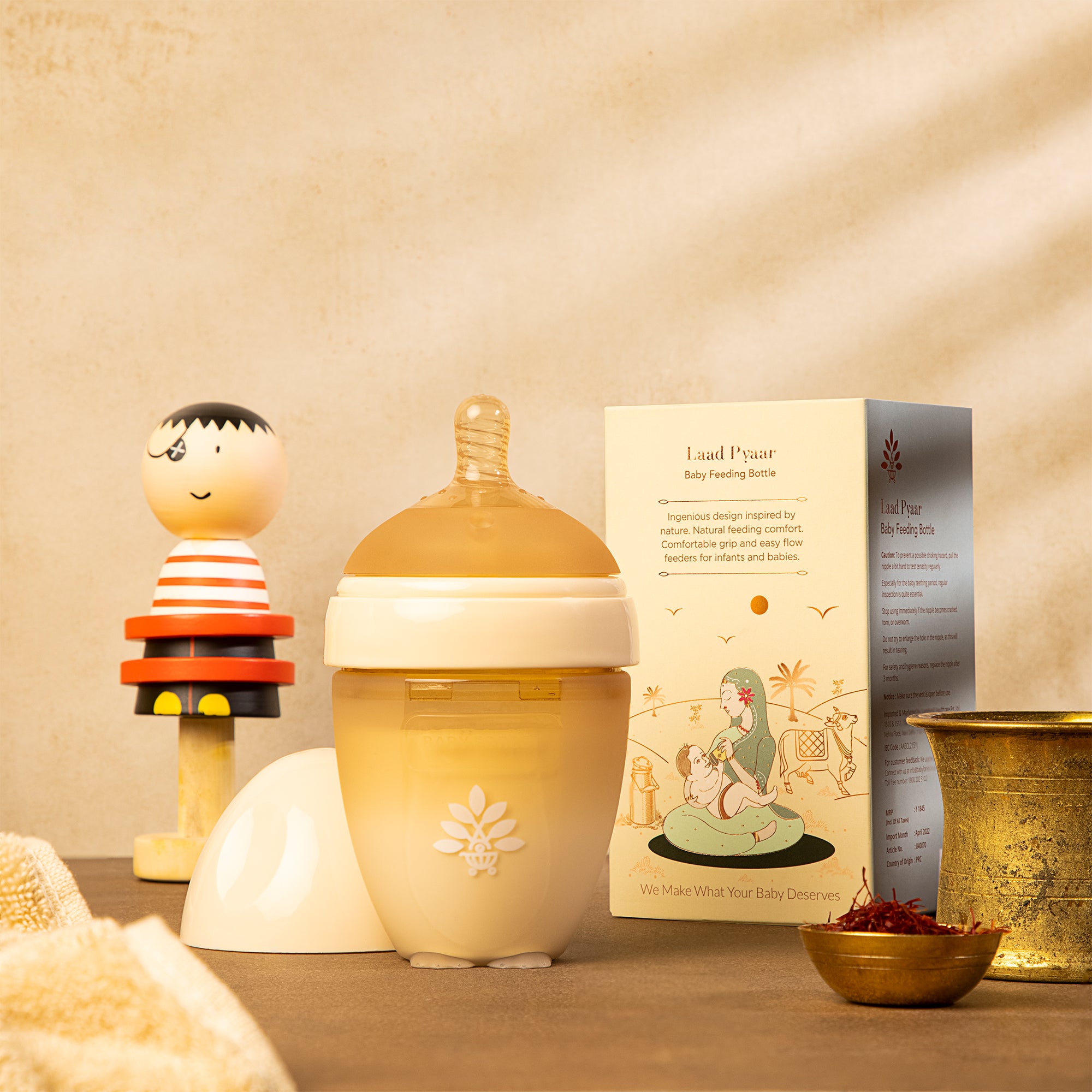
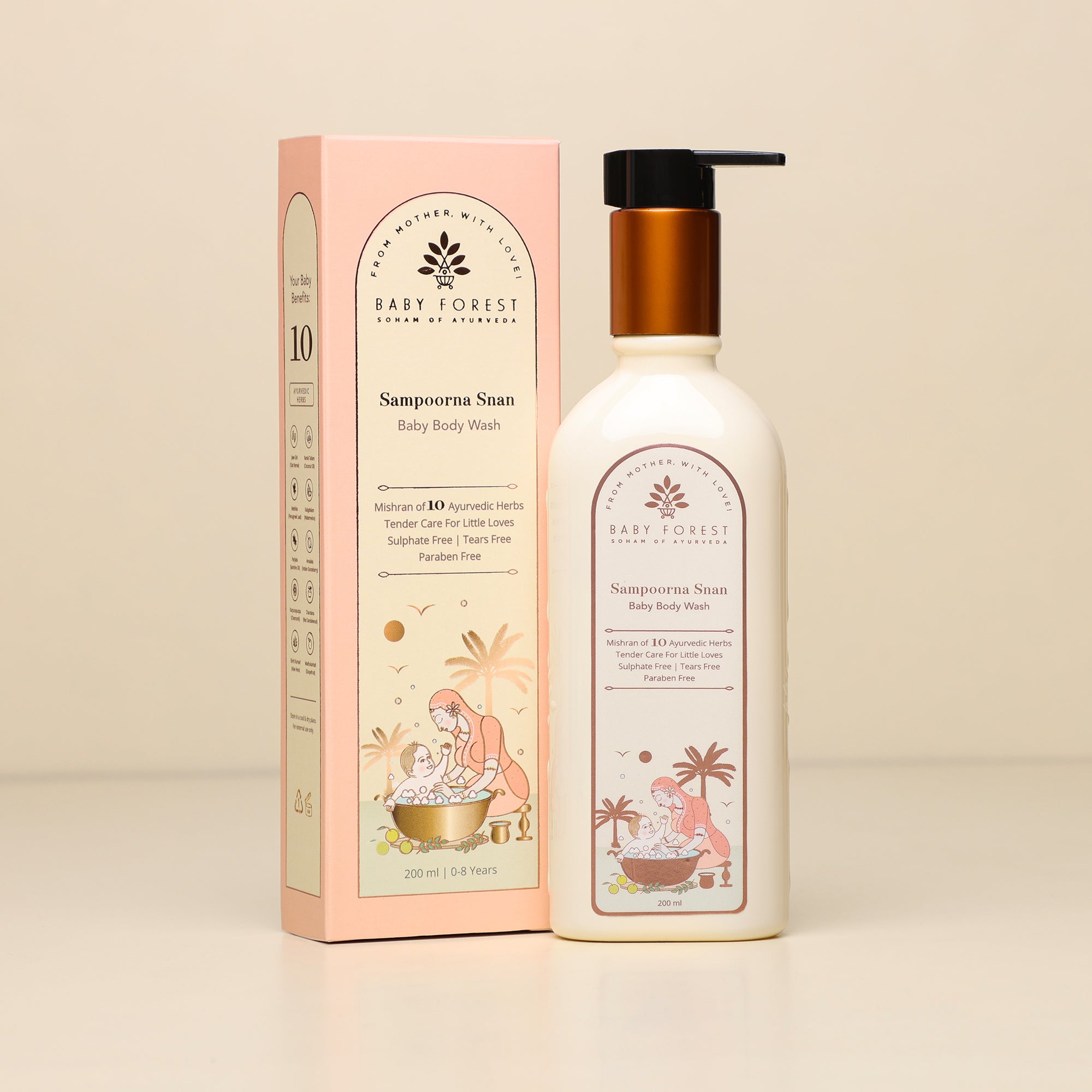
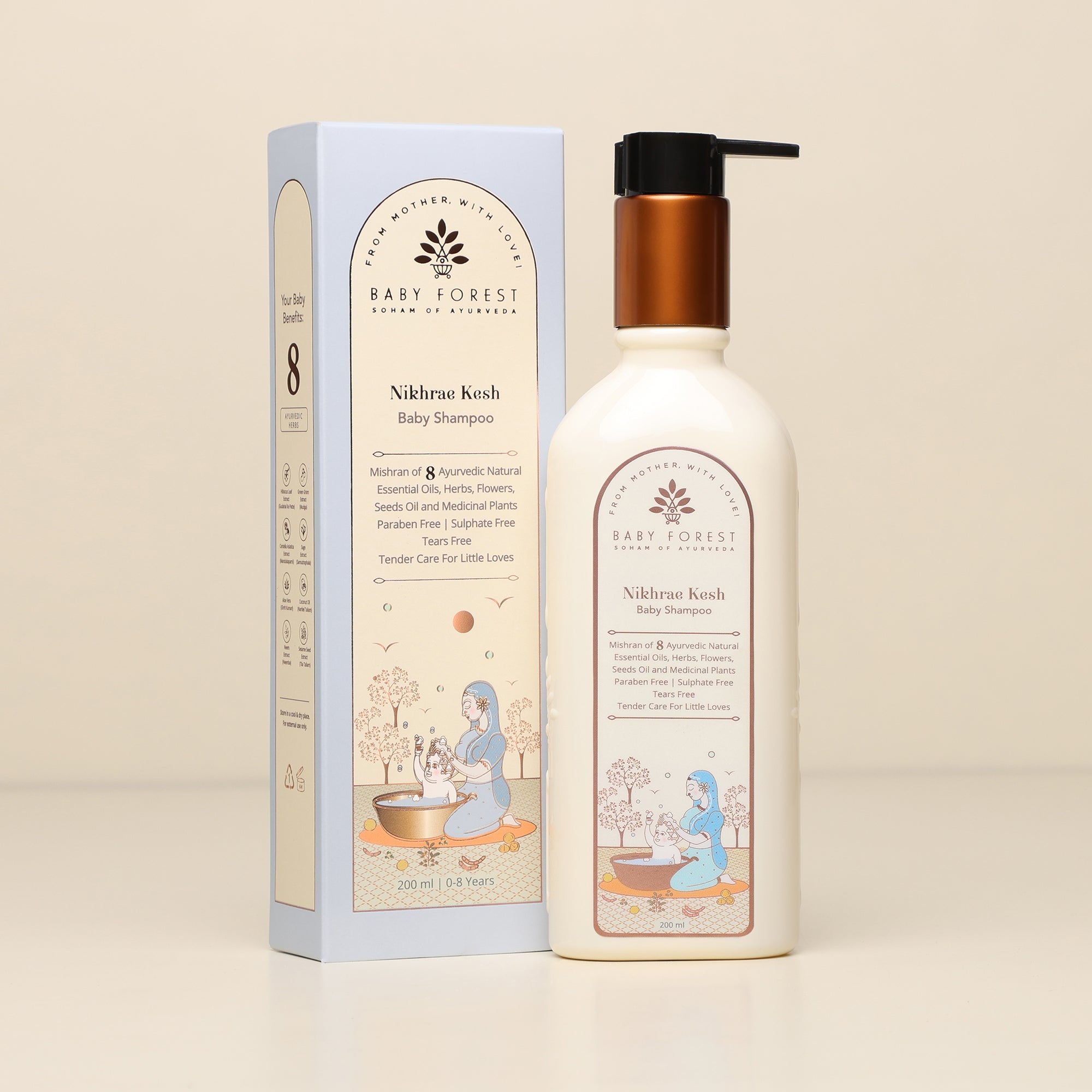
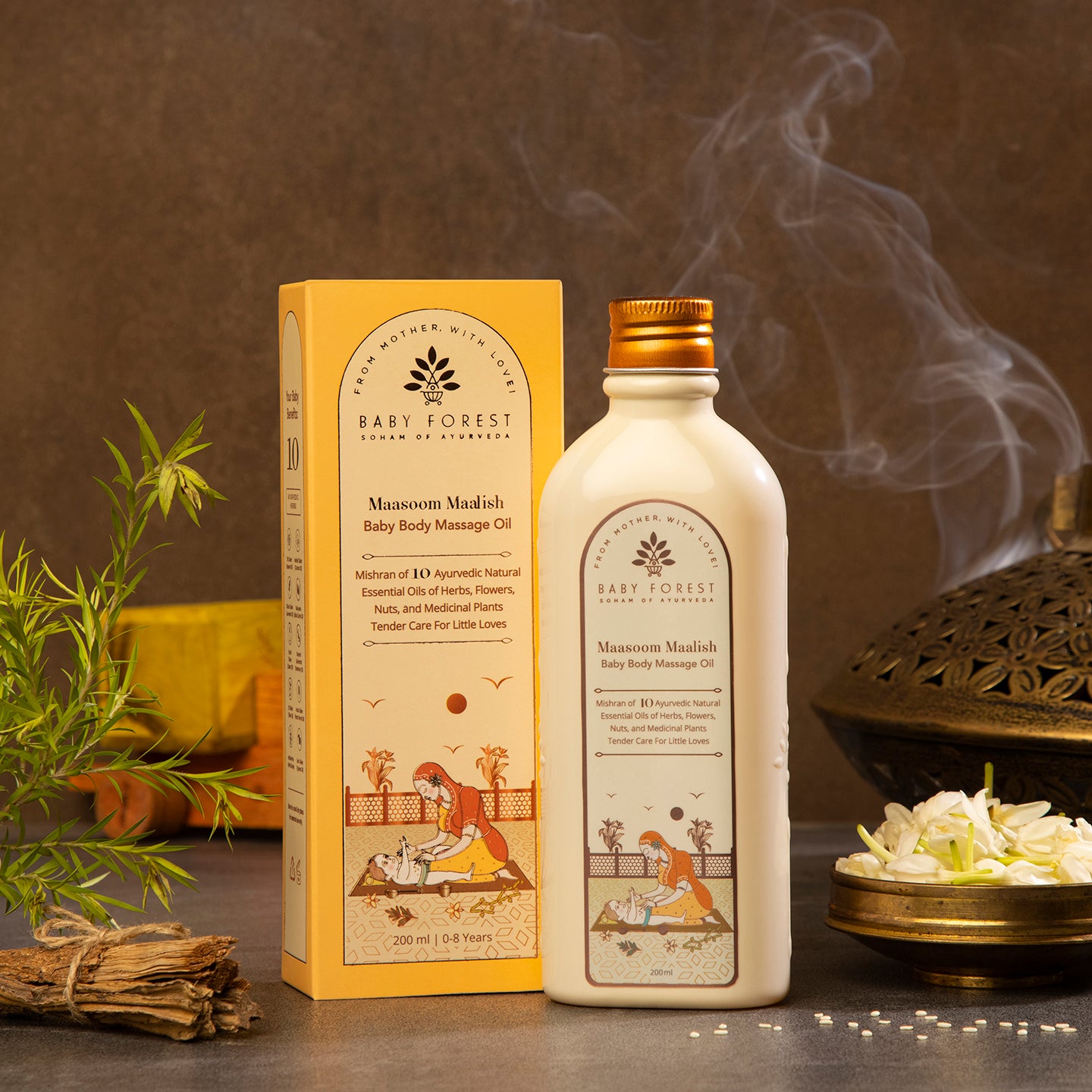
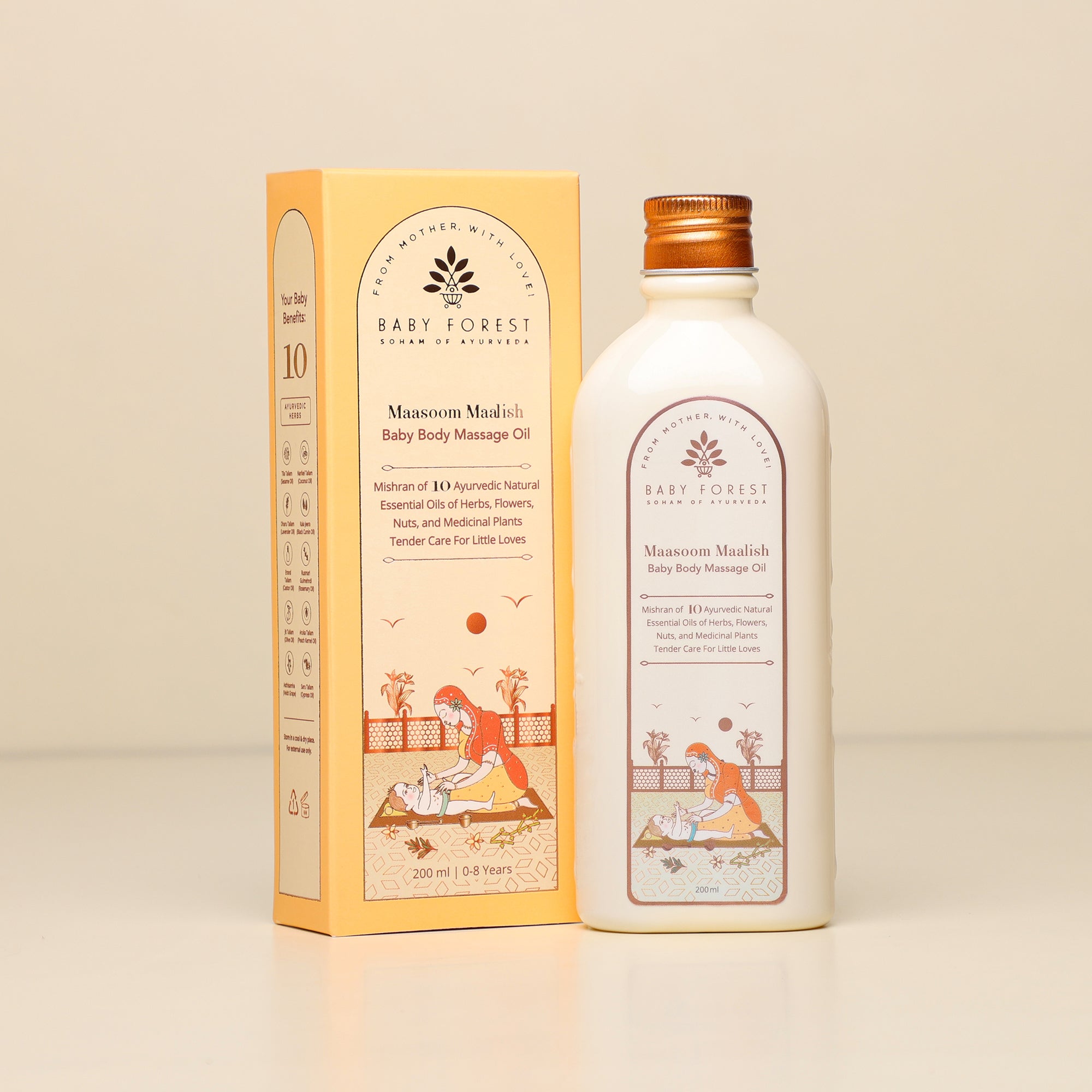
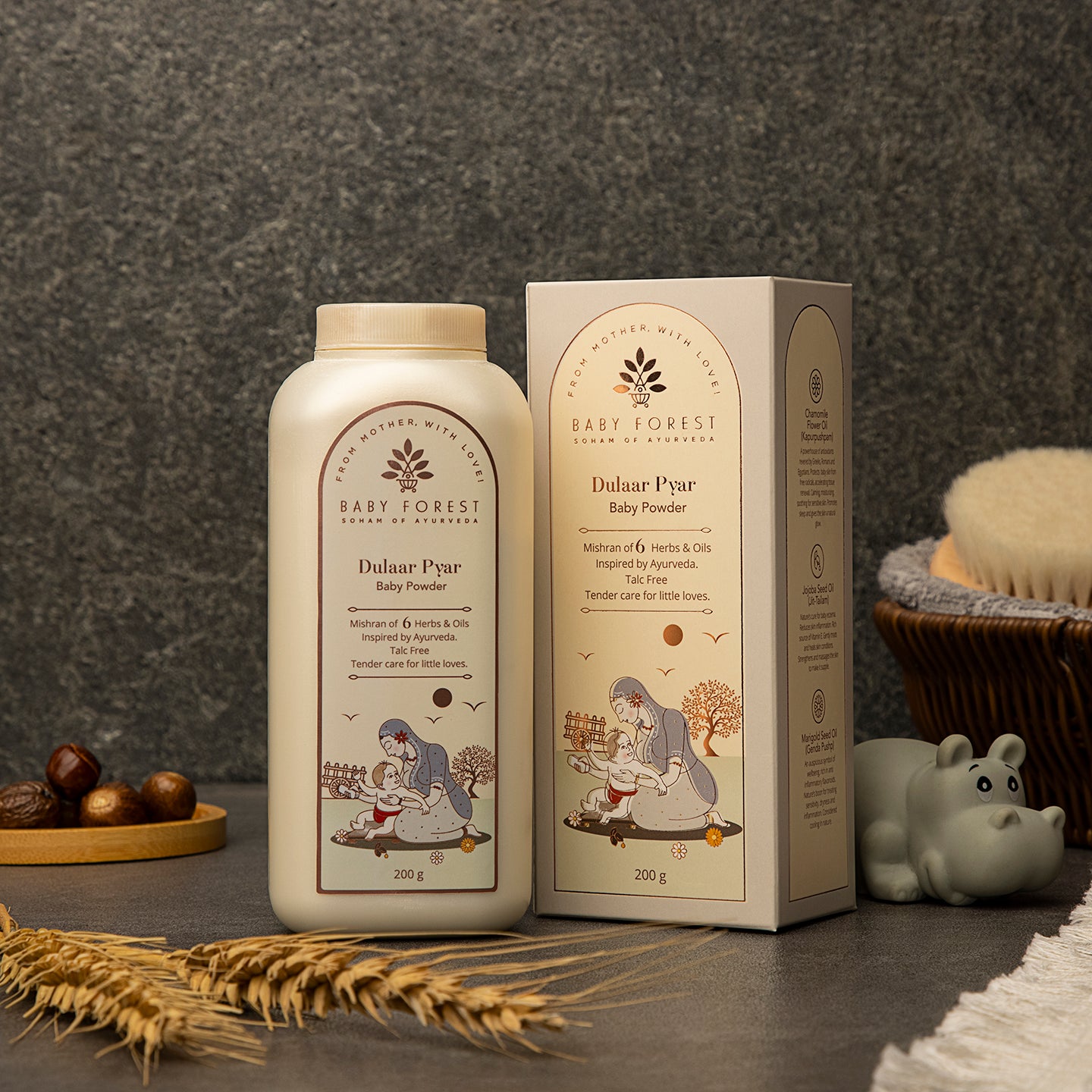
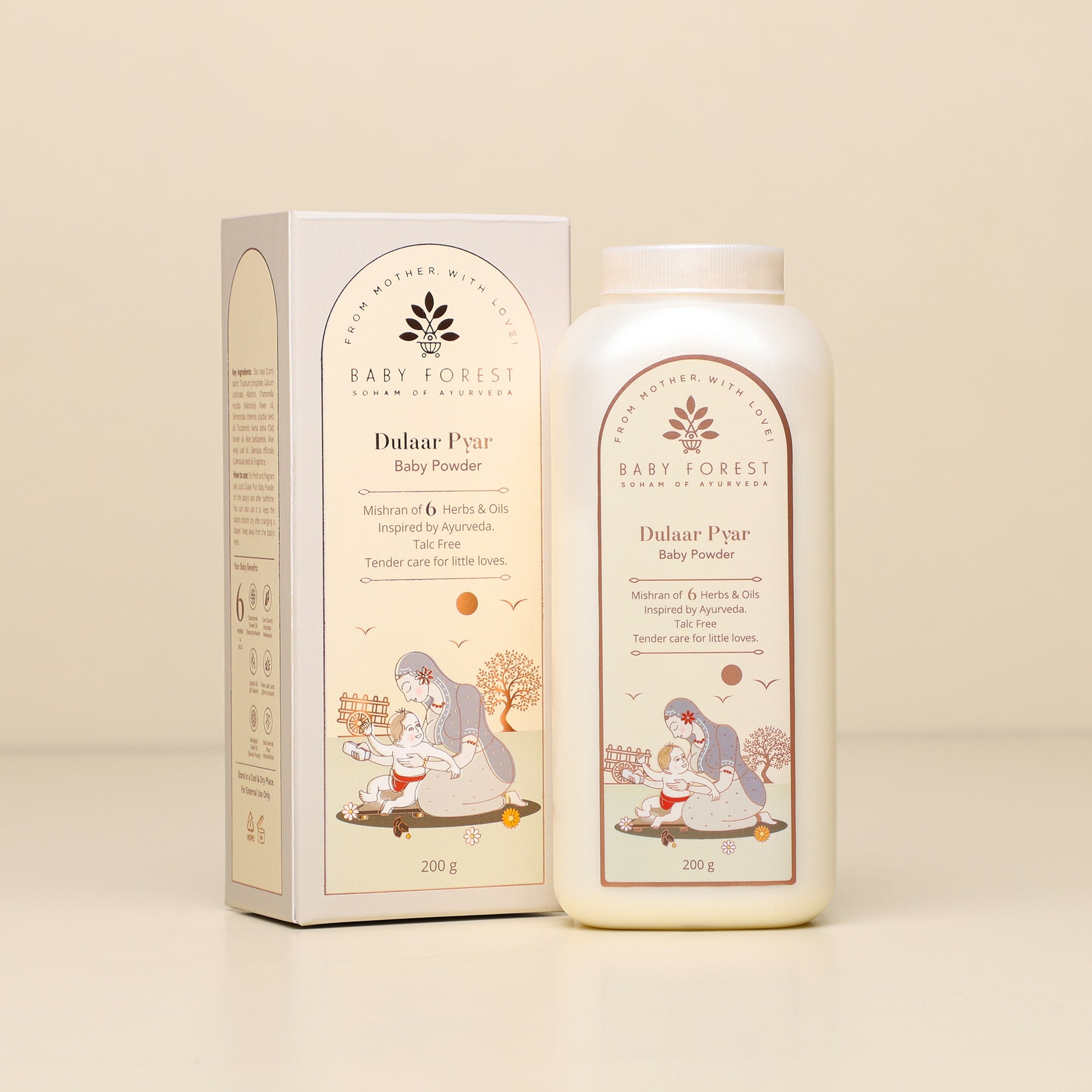
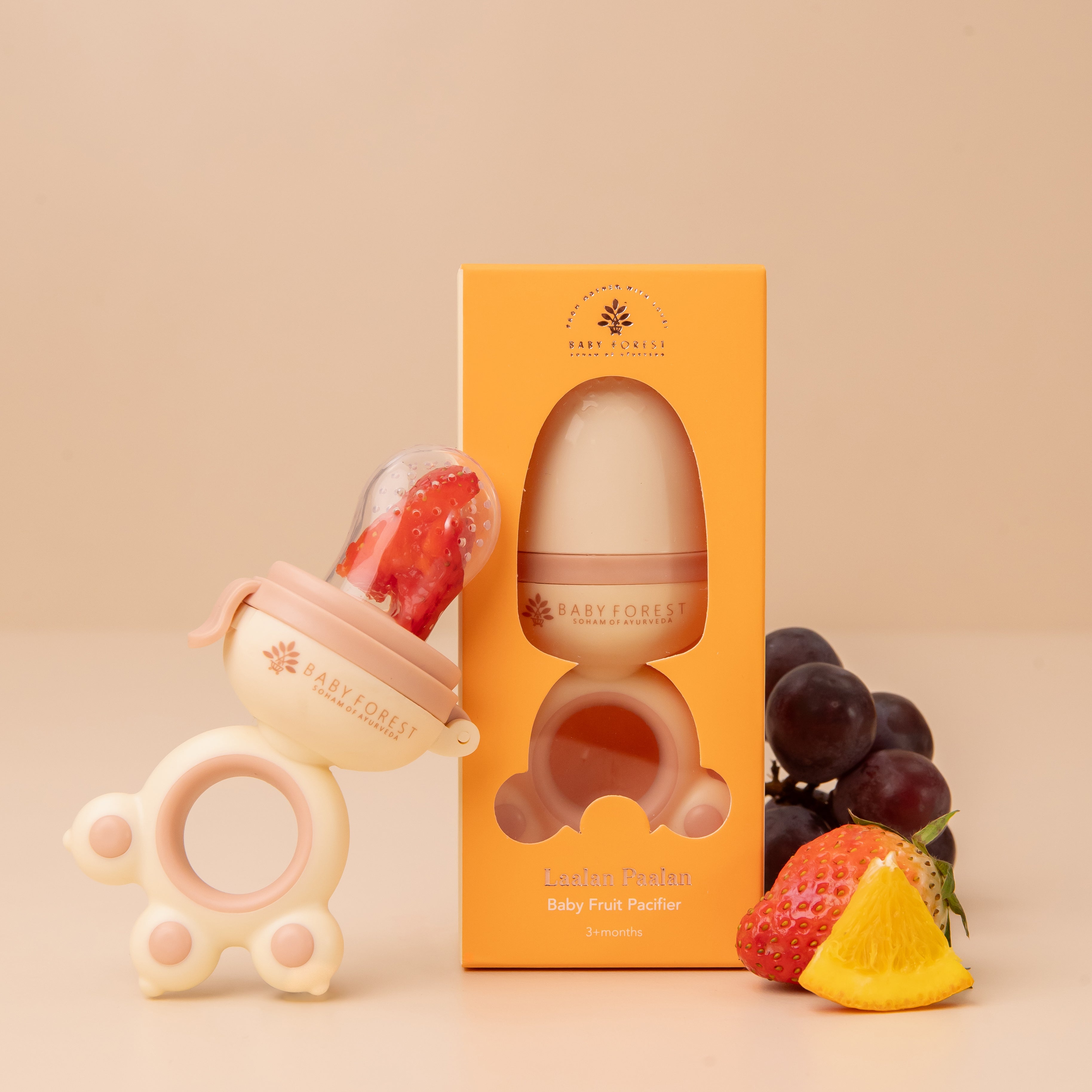
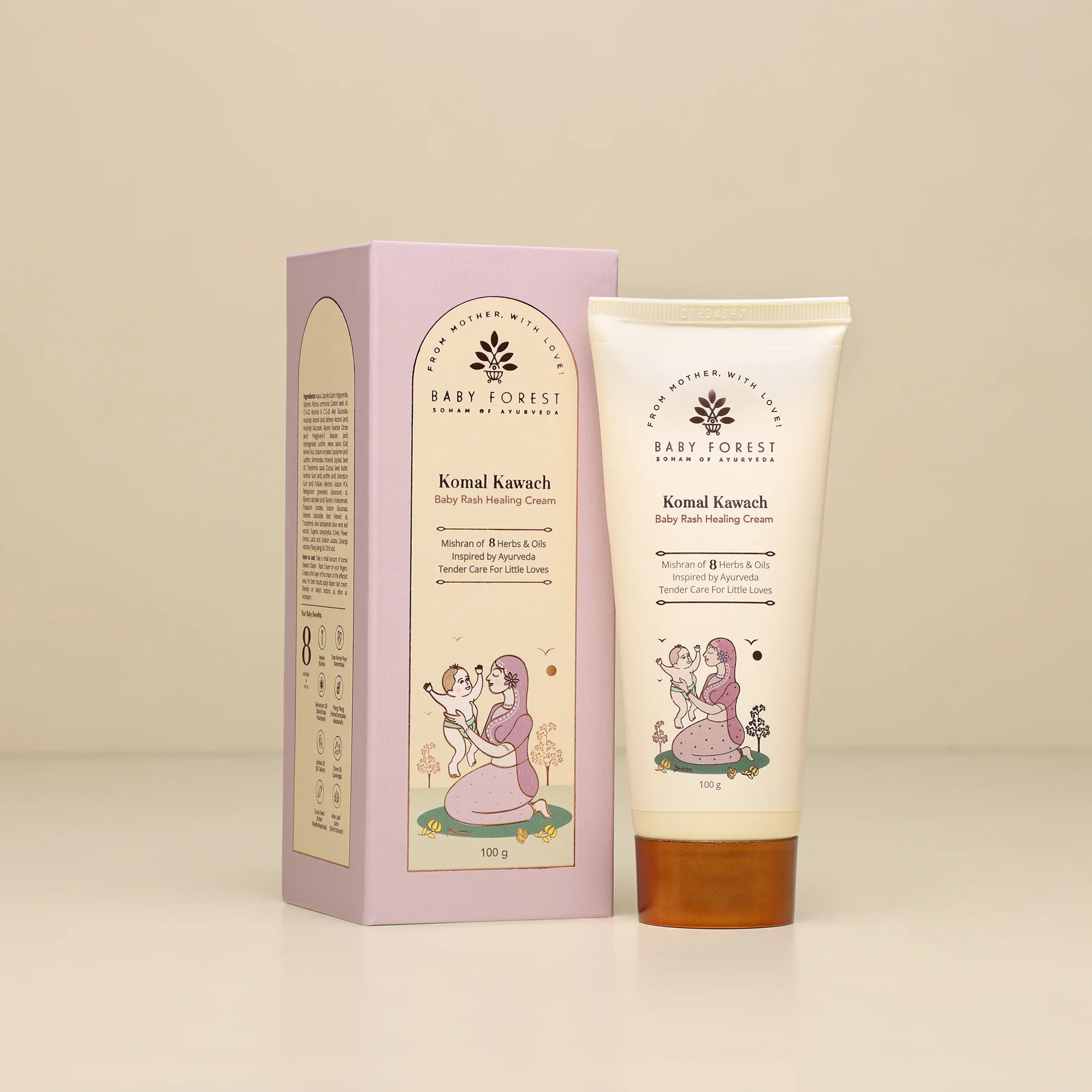
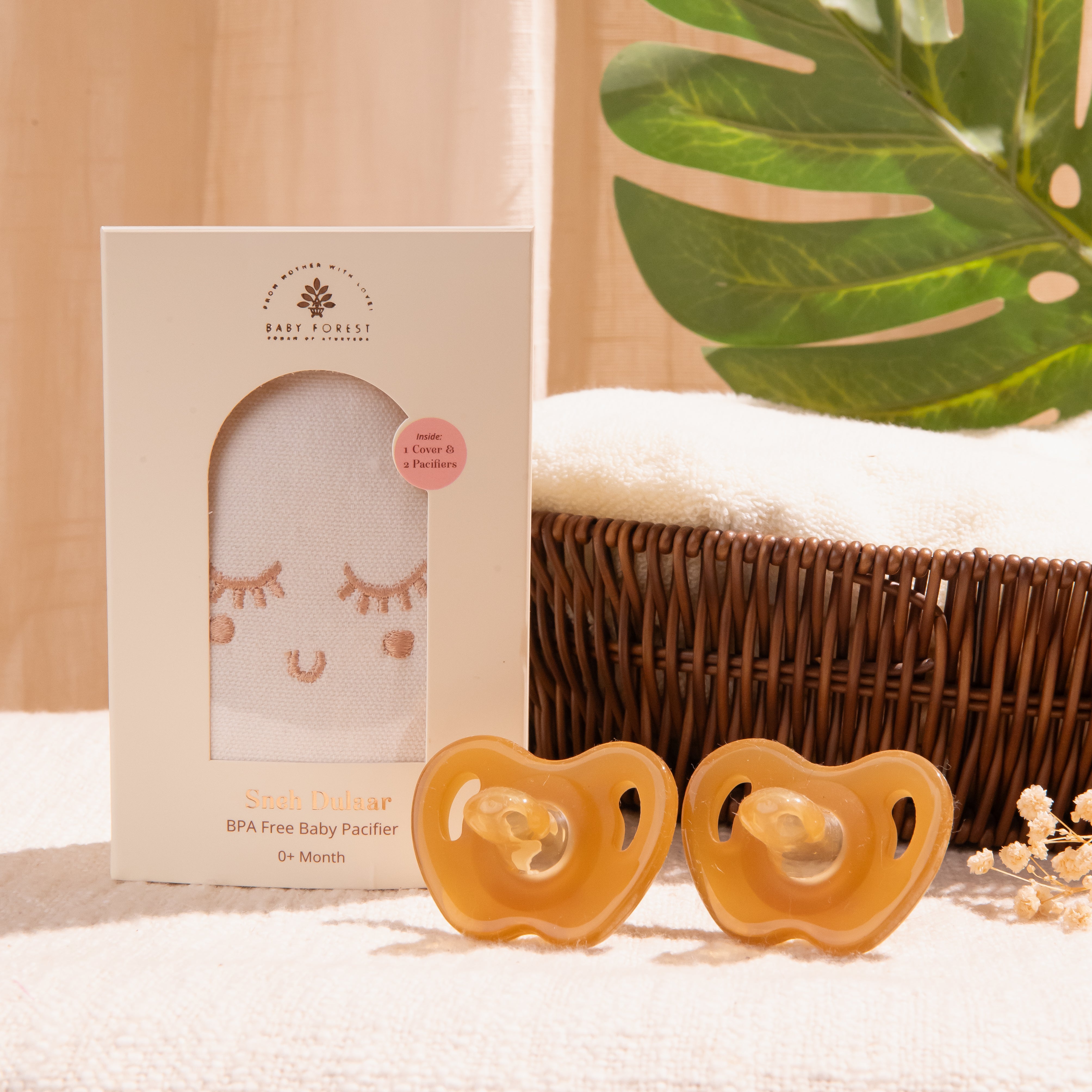
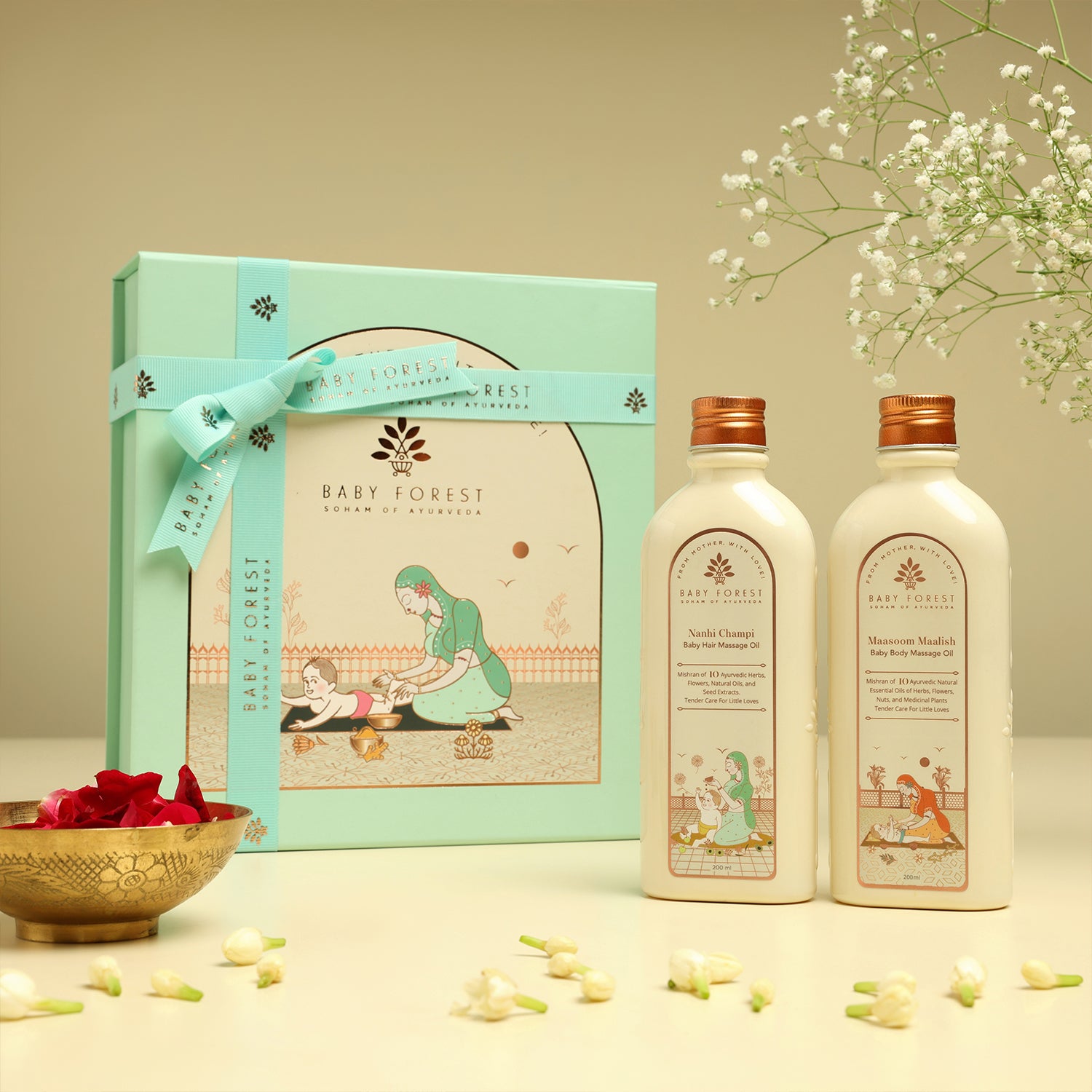
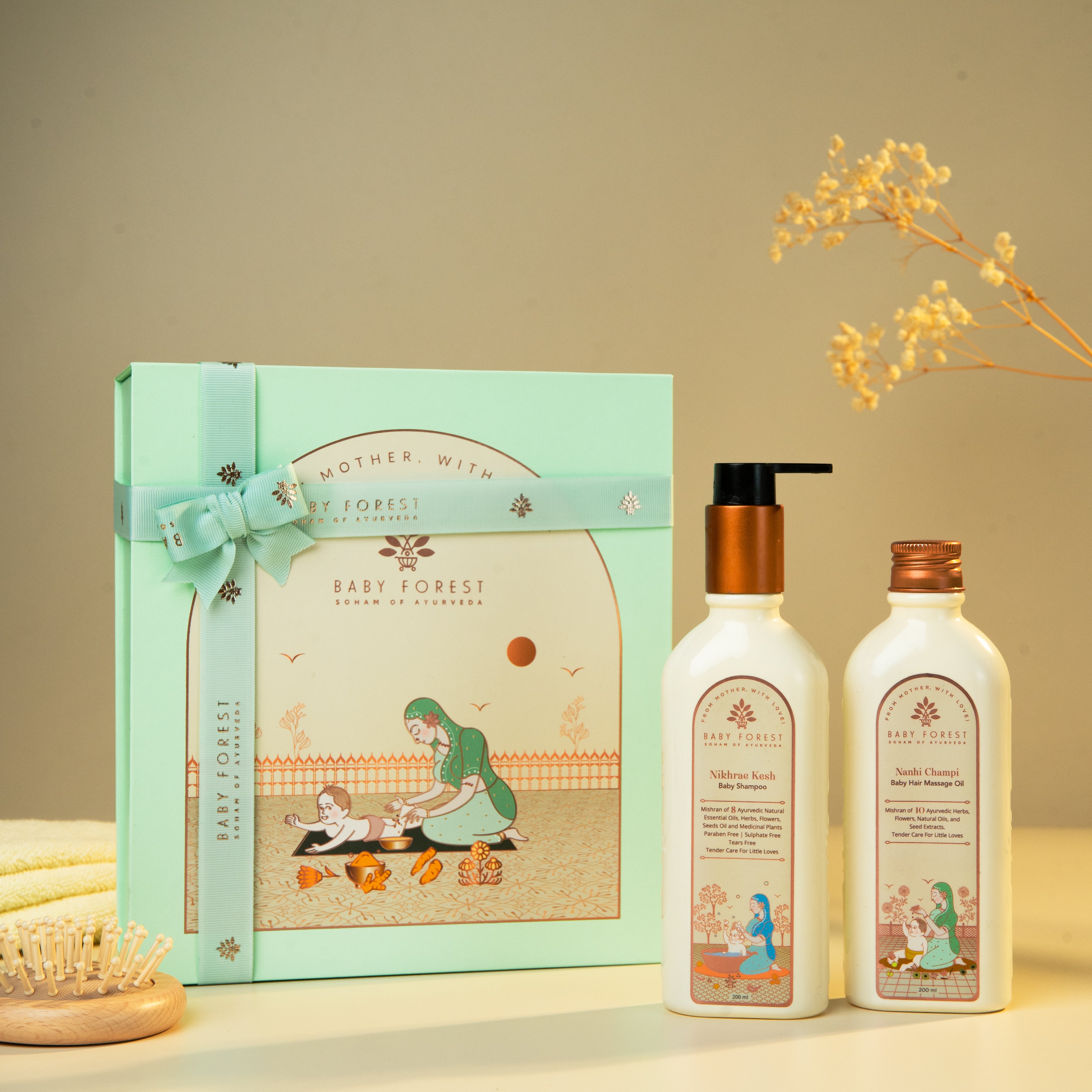
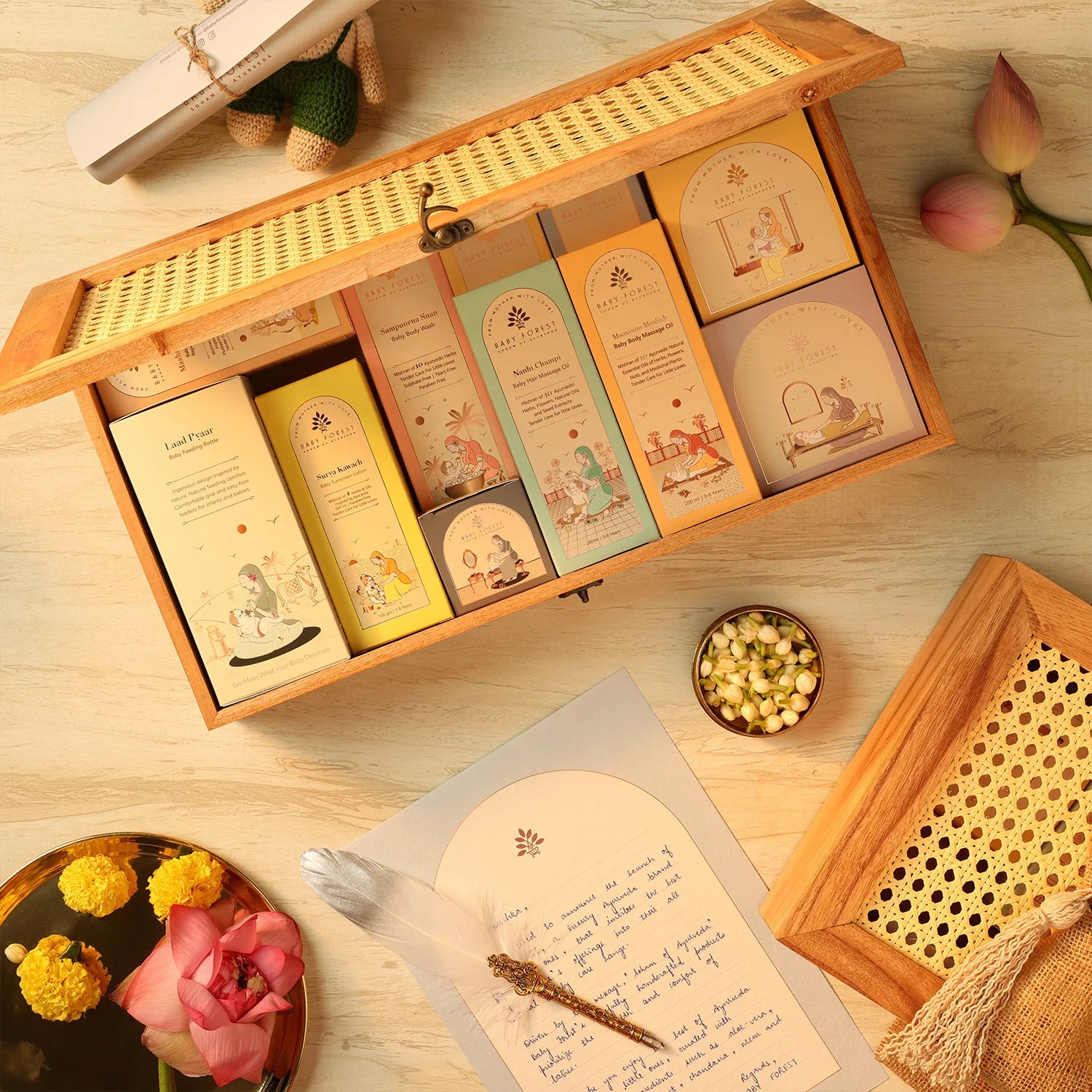
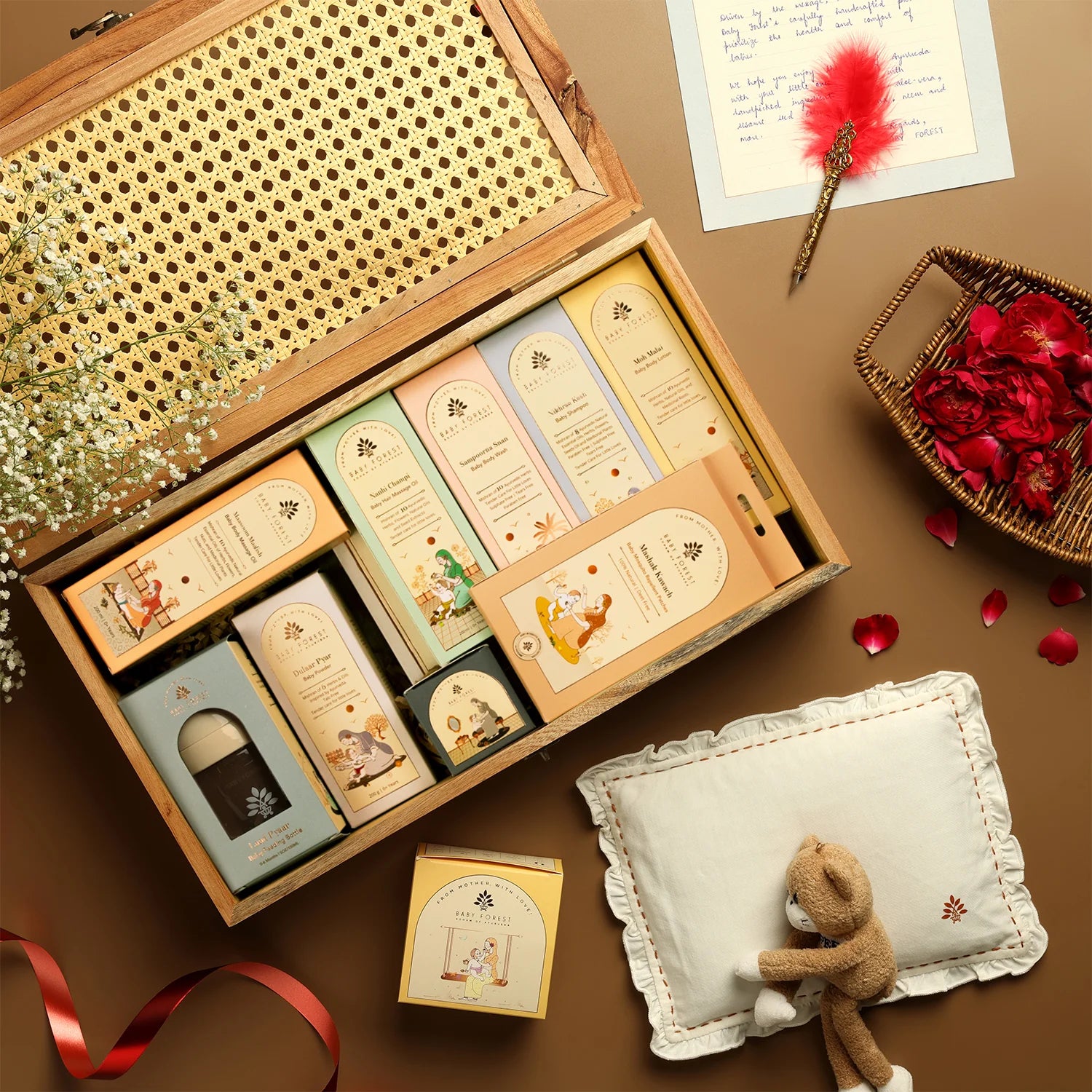
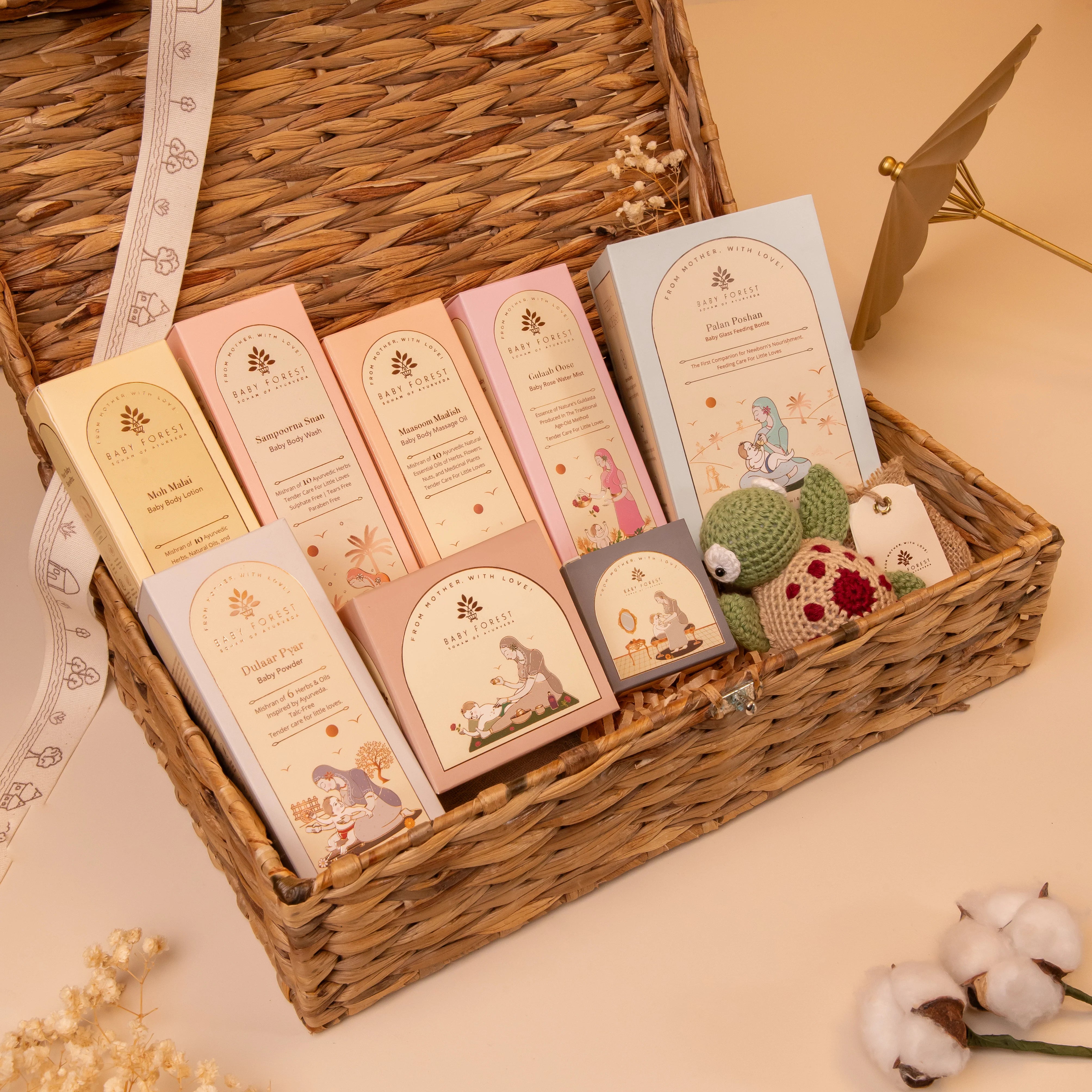
Mundan ceremonies are not merely about rituals but also about love and blessings. Guests usually look for significant ways of marking this milestone, and selecting a thoughtful baby gift is a significant aspect of the event. Instead of regular presents, many families now prefer gifts that support the baby’s daily care and well-being. Baby Forest’s gifting baskets are a premium selection, carefully crafted with tender care essentials like nourishing body lotions, hydrating face creams, soothing massage oils and other products that are safe for babies. These curated gifting boxes and baskets are a combination of tradition and practicality, and thus make a memorable and useful gift for both the baby and the parents.
Every ceremony in traditions has some deeply rooted significance. Some of them are scientific, and some of them are logical beliefs. Here are the benefits of Mundan:

Some parents choose to perform the Mundan Ceremony at the holy places of Ganga Ghats or temples. In contrast, some of them conduct the ceremony at home. These days mundan is also conducted at salons. Wherever it is, Mundan is one of the most important Sanskar out of sixteen Sanskaras in Hinduism. Every strand of hair is kept to be offered to the deities. In some traditions, they are immersed in the holy river Ganga.
The Mundan ceremony is one of the most meaningful sanskaras in a baby’s life, blending tradition, faith, and family in a beautiful way. As loved ones gather to bless the child, thoughtful gestures like a well-chosen baby gift add warmth to the celebration. Baby Forest’s gifting baskets, thoughtfully put together with gentle care essentials, offer a warm and meaningful way to support a baby’s everyday routines. Celebrate this special milestone with love, care, and mindful gifting by exploring Baby Forest’s beautifully curated gifting options.
Care-based gifts are practical, meaningful, and aligned with the purpose of the Mundan ceremony, which focuses on the baby’s well-being. Unlike decorative items that may not be used often, baby care products become part of the child’s daily routine. They support skin health, comfort, and hygiene during a sensitive time. Gifting thoughtfully curated care hampers, such as Baby Forest’s gifting baskets, ensures that your present adds real value while still honouring the emotional significance of the ceremony.