

10 Things You Must Do in Your Baby’s First Year
 Skip to main content

10 Things You Must Do in Your Baby’s First Year

Best Weaning Foods for Babies: 6-12 Month Baby Food Guide

Ancient Skincare Ritual: Benefits of Using Loi Ubtan with Rose Water

Make Her First Mother’s Day Special: Ideas & Gifts for New Moms

Zinc Oxide in Sunscreen: Why It Is the Safest Choice for Your Baby
Choosing the right toys for young children is more than just about fun—it's about supporting their growth and development. Toys play a crucial role in helping children learn about the world, develop new skills, and spark their imagination. However, with so many options available, it can be hard to know which toys are best for your child at each stage of their development. In this blog, we'll explore different types of toys that are ideal for young children based on their age and developmental stage.
Babies and toddlers develop rapidly. A newborn toy that suits a 2-year-old may frustrate a 12-month-old, while something too simple for a preschooler may not engage their growing curiosity.
When toys align with a child’s developmental stage:
Children are more likely to feel confident rather than overwhelmed
Learning happens naturally through play
Play feels engaging without becoming overstimulating
At every stage, a few thoughtful choices tend to be more effective than too many options.
In the first six months of life, babies are just beginning to explore the world around them. At this stage, they are developing their senses, such as sight, sound, and touch. Toys that stimulate these senses are ideal.
What They’re Learning:
Visual tracking and focus
Recognition of familiar sounds
Early grasping and hand movements
Overall sensory awareness
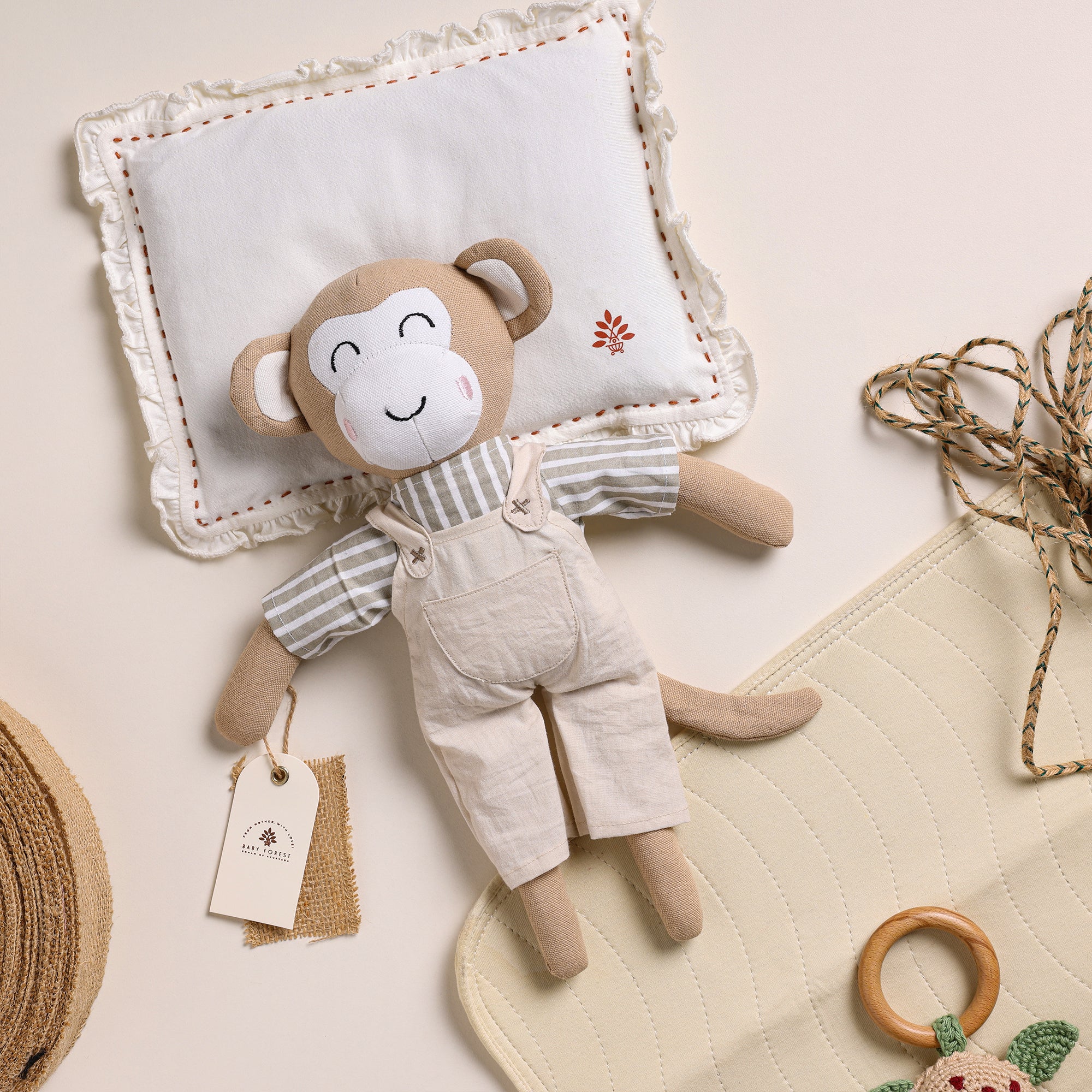
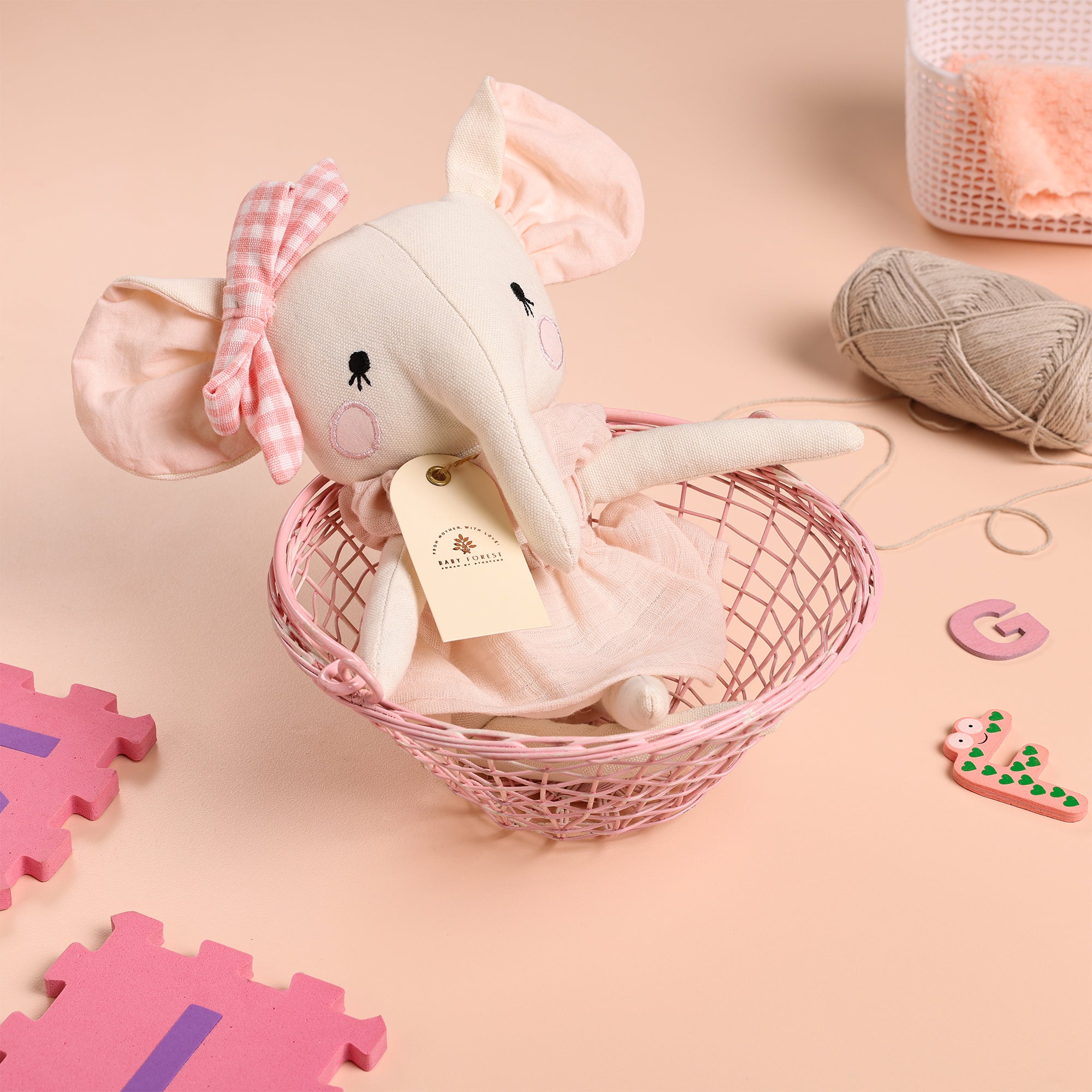
Soft toys are perfect for newborns. They provide comfort and are safe for babies to touch and cuddle. Look for toys with different textures to help your baby explore the sense of touch. Soft baby toys such as Mr. Monkey Soft Toy and Lady Elph Soft Toy offer comforting textures that many parents appreciate for early play.
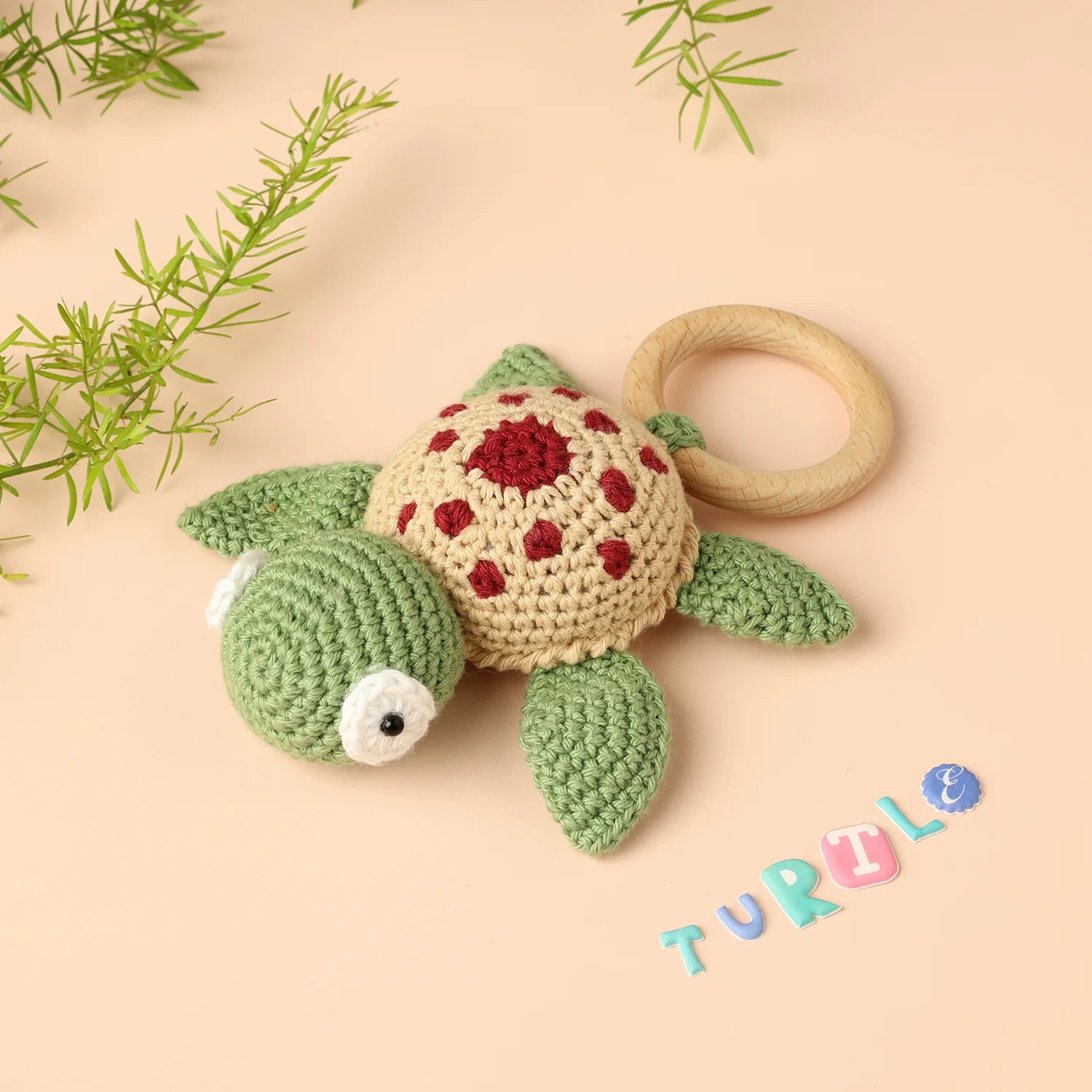
Rattles are another great option for this age group. They are easy for little hands to grasp and shake, making them a fun way to explore sound. Baby rattles can also help develop motor skills as your baby learns to hold and move the rattle.
At this stage, it's important to choose toys that are safe, with no small parts that could be a choking hazard. Soft toys and rattles made from non-toxic materials are the best choices.
Between 6 and 12 months, babies become more active and start to develop their motor skills. They learn to sit up, crawl, and eventually take their first steps. Toys that encourage movement and coordination are ideal for this stage.
What They’re Learning:
Hand-eye coordination
Object permanence (realising that objects still exist even when they can’t see them)
Balance and early mobility
The spinning lattu is a traditional toy that can be a lot of fun for babies who are beginning to sit up. While your baby may not be able to spin the lattu on their own just yet, they will enjoy watching it spin. This toy helps develop hand-eye coordination as your baby learns to reach out and interact with it.
Stacking toys, such as rings or blocks, are great for developing fine motor skills. Your baby will enjoy stacking the pieces and knocking them over, which also helps them understand cause and effect.
As babies become more mobile, they also enjoy toys that they can push or pull. These types of toys encourage walking and help develop balance and coordination.
From 12 to 24 months, toddlers are curious and eager to explore. They start to solve simple problems and understand how things work. Toys that encourage problem-solving and creativity are great for this age group.
What They’re Learning:
Problem-solving
Early counting concepts
Independence
Simple decision-making
The Abacus Baby Wooden Toy is a classic educational toy that helps toddlers learn to count and develop their fine motor skills. The bright colors and moving beads capture their attention, and as they slide the beads back and forth, they start to grasp the concept of counting.
Shape sorters are another fantastic toy for this stage. They help toddlers learn about different shapes and sizes while also developing their problem-solving skills as they figure out which shape fits into which hole.
Toddlers also enjoy toys that let them mimic adult activities, like toy kitchens or tool sets. These toys allow them to engage in pretend play, which is important for developing imagination and social skills.
As children enter their toddler years, their imagination begins to blossom. They enjoy playing pretend and exploring new roles. Toys that encourage imaginative play and creativity are perfect for this stage.
What They’re Learning:
Cooperative play
Early leadership
Logical reasoning
Physical coordination
Soft dolls or stuffed animals can become your child's favourite companions. They will enjoy playing house, caring for their dolls or animals, and even taking them on adventures. This type of play helps develop empathy and social skills.
Building blocks are a staple for this age group. They allow children to create structures and explore their creativity. Whether they are building towers, houses, or their own imaginative creations, blocks provide endless possibilities for play.
Simple art supplies, like crayons, colouring books, and playdough, are also great for toddlers. These tools help them express themselves creatively and develop fine motor skills.
By the time children are 3 to 5 years old, they are ready for toys that challenge their growing minds and bodies. At this stage, they enjoy activities that involve learning, coordination, and social interaction.
Puzzles are fantastic for enhancing problem-solving skills and hand-eye coordination. Start with simple puzzles with large pieces and gradually move to more complex ones as your child's skills develop.
Simple sports equipment, like a ball or a small basketball hoop, encourages physical activity and helps develop coordination. Playing sports also teaches children about teamwork and following rules.
Educational games that teach letters, numbers, and shapes are also popular with this age group. These games make learning fun and prepare children for school.
Choosing the right toys for your child's age and developmental stage is a wonderful way to support their growth and learning journey. But remember, toys are just one part of the equation. Your involvement and interaction with your child during playtime are equally important. Playing together not only strengthens your bond but also enhances their learning experience. So, whether it's spinning a lattu or stacking blocks, make playtime a special time to connect, learn, and create lasting memories.
Rotate your child's toys every few weeks. This keeps their interest alive and allows them to discover new ways to play with familiar items, further boosting their creativity and cognitive skills.
Childhood never announces its next step; it simply moves forward. One day, a rattle is enough, a few months later, they are stacking blocks with serious concentration. Then suddenly they have opinions about what they are building.
Age-appropriate newborn toys simply make that journey smoother. When something matches where a child actually is, it makes the play feel easier. There is less frustration, more focus and many more small wins.
Toys play a major role, but what usually stays with children is the experience around them. Someone sitting nearby or someone responding, and sometimes even noticing. In the end, choosing baby toys online thoughtfully is less about buying and more about paying attention. Watching what interests them. Offering just enough. And letting play unfold at its own pace.