

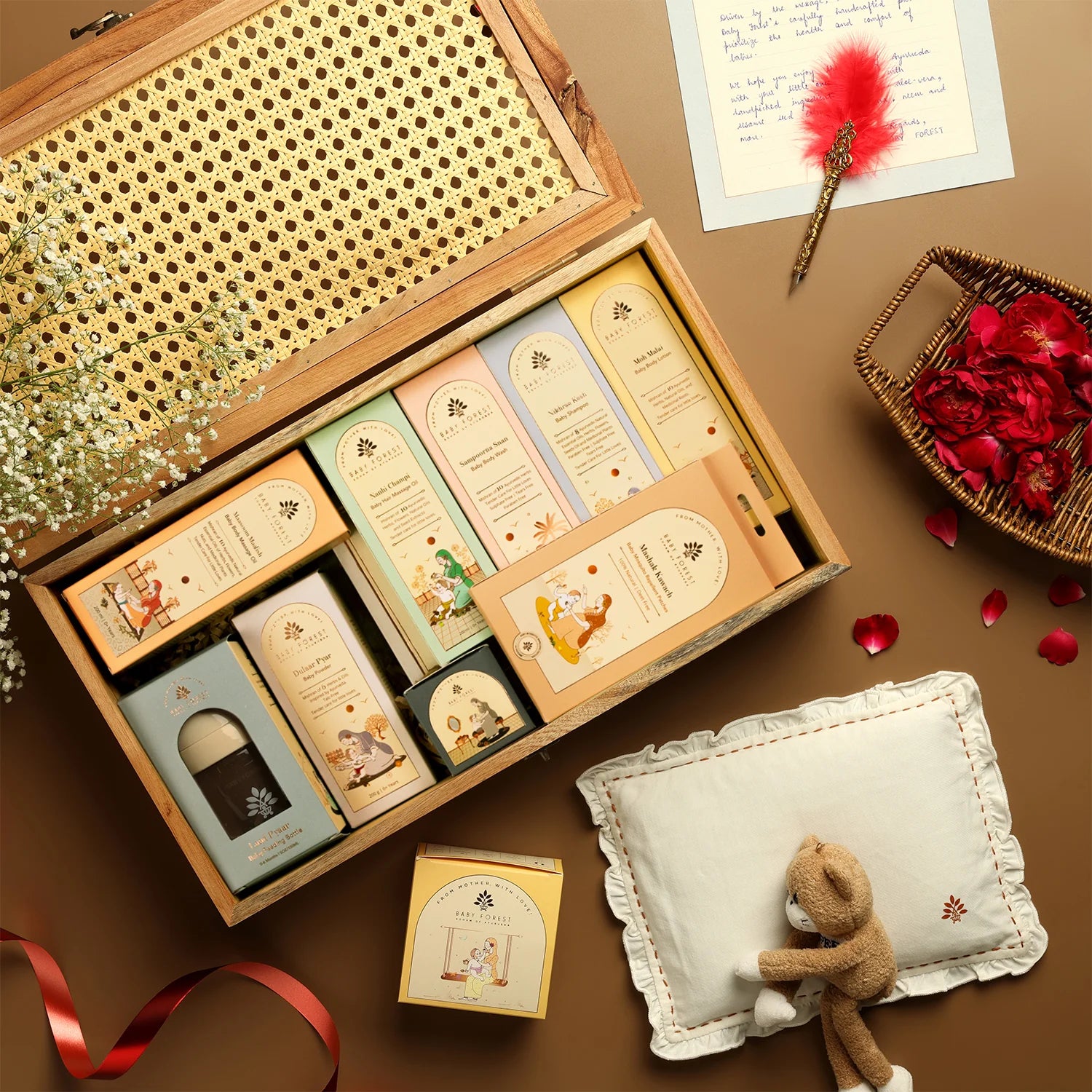

A Complete Guide to Choosing Infant Gift Ideas That Are Truly Thoughtful
 Skip to main content

A Complete Guide to Choosing Infant Gift Ideas That Are Truly Thoughtful

Why Cleaning Baby Bottles Properly Matters for Your Baby’s Health

Why Choosing the Best Wipes for Newborns Matters More in Summer

How to Take Care of a Newborn in Indian Summer: Heat, Humidity, and Skin Safety

How to Build Your Newborn's First Baby Care Products Kit for the Summer Season
Welcoming a baby into the world is one of the most emotional and meaningful moments for any family. In India, this arrival is celebrated not just with joy, but with timeless rituals that honor the baby’s physical, emotional, and spiritual beginnings.
Rich with symbolism, prayers, and family involvement, the baby birth ceremonies in India reflected how deeply Indian culture values nurturing, protection, and the sacred bond between the child, parents, and the universe.
The birth of a baby in India is more than a joyous event, it is a sacred journey filled with rituals, blessings, and deep cultural meaning. Baby birth ceremonies in India, also known as samskaras, celebrate every milestone.

From the moment a baby is born to their early years. Each ritual has a specific purpose: from welcoming the soul, seeking protection, introducing the baby to society, to marking developmental transitions. It’s an intimate, emotional moment that marks the beginning of their journey in the world.
Jatakarma is the very first ceremony performed immediately or shortly after a baby is born. Rooted in ancient Vedic tradition, the purpose of this ritual is to welcome the newborn into the physical world and bless them with health, intellect, and spiritual protection.
During the ceremony, soft mantras or prayers are gently whispered in the baby’s ear, often invoking blessings for a long and prosperous life. In some traditions, the father performs a symbolic gesture signifying the bonding between the parent and the child. Jatakarma is believed to create the baby’s first connection with sound, intention, and the love of family.
Chhathi Puja falls on the sixth day after birth. This ceremony varies across regions but is generally centered around invoking divine protection from the Goddess Chhathi Maiya or Shashthi, who is the guardian of newborns and the writer of their destiny.
For this puja, a small altar is set up at home with offerings like rice, turmeric, flowers, and sweets. Elders pray for the baby’s well-being, strong health, and a protected future. Some families mark this day as the moment when goodness symbolically writes the baby’s fate.
Namakaran usually takes place between the 11th and 41st day after birth. It is one of the most joyful and publicly celebrated ceremonies in the early stages of an infant’s life.
The baby is formally given a name, often chosen after astrological considerations or family tradition. The chosen name is whispered into the child’s ear. Family members bless the baby with gifts, chants, and wishes for a fulfilling life.
Typically performed in the fourth month, Nishkramana marks the baby’s first conscious encounter with the world outside their home. The baby is taken outside, traditionally at sunrise, for the first time. They are shown the sun, which is believed to bestow vitality and strength. Five components of nature, i.e., earth, water, air, fire, and space, are introduced to the child during this.
This ceremony signifies the start of exploration, curiosity, and outward growth. This tradition also demonstrates that a child is never confined to the boundaries and limits of their home.
Annaprashan marks a baby’s first introduction to solid food, usually performed after 6 months of age. Annaprashan is an important milestone that celebrates nourishment, growth, and the beginning of a new developmental stage.
This cherished tradition symbolizes the beginning of a lifelong relationship with an adult diet and plays a meaningful role in supporting a child’s physical and cognitive development, especially as teething begins.
During the ceremony, babies are gently introduced to new textures and feeding methods, encouraging early sensory exploration and independence. In many cultures, the first bite is traditionally offered as rice pudding or kheer, though the dish varies beautifully across regions and customs.
Performed in many North Indian families after the baby’s first few months. Usually, after the baby’s first outing or around the same time as Annaprashan. Kuan Pujan is a symbolic ceremony performed around a village well or a symbolic water source.
During the ceremony, the mother and elders circle the well while singing traditional songs, seeking blessings for the child’s future, health, and connection to the family lineage. The ceremony represents continuity, abundance, and the flow of positive energy. Kuan Pujan welcomes the baby into the larger family and ancestral heritage.
Jalabhishekam is a soothing and symbolic ceremony where the baby receives their first sacred bath. Traditionally performed with pure or sanctified water, sometimes infused with herbs or flowers. This ritual represents purification, protection, and divine grace.
As prayers are chanted, the baby is bathed, wrapped in fresh clothes, and blessed by elders. The ceremony signifies the beginning of a life filled with peace, purity, and spiritual well-being.
Karnavedha is an ancient ritual that marks one of the early adornment traditions for babies in India. During this ceremony, the baby’s ears are pierced while blessing and protective mantras are chanted.
Beyond aesthetics, Karnavedha is believed to stimulate vital energy points, support healthy development, and bring balance to the body. The ritual beautifully blends cultural heritage with warmth, care, and joy of celebrating the baby’s growing identity.
Mundan, also known as Chaula, is a significant milestone when the baby’s first hair is shaved, often in temples or during a family puja. This ceremony is believed to cleanse past impressions or karmas, promote purity, and invite blessings for a bright future.
Families see mundan as a moment of renewal, marking the baby’s transition into early childhood. The day is often celebrated with prayers, rituals, festive gatherings, and heartfelt blessings for health, happiness, and good fortune.


Hindu rituals for newborns hold profound significance, reflecting the belief that a child’s arrival is both a sacred event and a spiritual journey. These ceremonies welcome the baby’s soul into the world with love, prayers, and positive energy, creating a protective shield around them during their earliest days.
Each ritual marks an important milestone, offering blessings for health, purity, nourishment, and emotional well-being. They also strengthen family and community bonds, bringing loved ones together to celebrate the child’s growth. Through acts like naming the baby, introducing solid food, or offering their first sacred bath, families pass down cultural roots, values, and traditions that shape the child’s sense of identity.
Many of these rituals honor natural elements such as water, sunlight, and earth, reflecting the Hindu belief in living in harmony with nature. Together, these timeless customs weave a beautiful foundation of love, protection, and cultural belonging for every newborn.
Many Hindu baby ceremonies, though rooted in ancient tradition, hold surprising scientific relevance even today. Practices such as Jatakarma, Chhathi Puja, and Nishkramana encourage early bonding, calmness, and sensory development through gentle touch, soothing sounds, and exposure to natural light.
Rituals like Annaprashan align with pediatric guidelines, introducing solids at a stage when a baby’s digestive system has matured enough to process grains and soft foods. Mundan is believed to improve scalp hygiene and reduce heat during early childhood. At the same time, Karnavedha stimulates specific pressure points connected to hearing and brain development, which follows similar principles to acupuncture*.
Ceremonies like Jalabhishekam and Kuan Pujan emphasize purity and connection to natural elements, fresh water, sunlight, and open air, which play vital roles in immunity building and emotional security. Together, these traditions beautifully blend cultural wisdom with scientific benefits, offering newborns a holistic and nurturing start to life.
*Acupuncture: It is a healing technique where very thin, sterile needles are gently inserted into specific points on the body. These points help improve the flow of energy, reduce pain, and support natural healing.
Baby birth ceremonies in India beautifully weave together heritage, emotion, and intention, turning every milestone from the first whispered mantra to the first taste into a blessing.
These rituals infuse meaning into moments that may otherwise pass quietly, transforming a simple bath into prayer, a name into a wish, and a first outing into a bond with nature. Even as families blend traditional with modern life, the essence remains the same, i.e., welcoming a child with love, rooted in cultural wisdom, and surrounded by positive energy from the very beginning.