

Can Natural Ingredients Help Ease Newborn Cold Symptoms?
 Skip to main content

Can Natural Ingredients Help Ease Newborn Cold Symptoms?

Soap vs Soap-free Cleanser: Which is Better for Babies?

Infant Solid Foods: A Beginner's Guide for Parents

Which Ingredients in Vapour Rub Help Ease Chest Congestion in a Newborn

The Science Behind pH-Balanced Baby Skincare Products
Pregnancy is a transformative experience filled with physical, emotional, and psychological changes. However, as the due date draws closer, many expectant mothers notice a strong urge to prepare their surroundings for the baby's arrival.
This heightened motivation to clean, organize, and set up a nurturing environment is known as the Nesting Syndrome. This is not a recognized medical condition; instead, it refers to the primary parenting instinct, much like how animals build a secure nest before giving birth. For humans, it is an overwhelming urge to get your nest, i.e., your home, clean, organized, and prepared for the baby’s arrival.
Although it may seem like a sudden burst of energy during the most tiring weeks of pregnancy, nesting is an instinct that has deep biological and emotional roots.

As the due date approaches, a mother’s mind and body work in harmony to ensure the environment is ready for the baby’s arrival. This surge of productivity during late pregnancy is shaped by the following interconnected triggers:
The strongest driver of nesting is the hormonal transformation that happens within the body. Throughout pregnancy, hormones like estrogen, progesterone, and oxytocin continuously fluctuate to support fetal growth and maternal well-being.
As the third trimester begins, oxytocin, the hormone of bonding, protection, and care, rises significantly, preparing the mother not just physically for labor but also emotionally for nurturing.
These hormones heighten a mother’s alertness and motivation, fueling the instinctive desire to clean, organize, and secure the environment. The body’s internal clock recognizes that birth is near and encourages behaviors that promote the survival and comfort of the newborn.
As the due date approaches, parents begin preparing for parenthood emotionally and mentally. This stage often brings with it a mix of excitement, nervousness, and a sense of responsibility. Nesting acts as an outlet for these feelings by:
The emotional aspect of nesting acts as a psychological bridge, helping parents transition from pregnancy into the reality of welcoming a new life.
Beyond instinct and emotions, nesting is also a functional necessity. The arrival of a newborn means significant changes in lifestyle and priorities. This urge to prepare in advance helps to ensure:
This practical groundwork contributes to reducing postpartum stress and offers a comforting sense of readiness.
Nesting is a great opportunity to channel your energy and excitement into thoughtful preparation before your baby arrives. By prioritizing helpful and manageable tasks, you can ensure that the weeks leading up to childbirth are productive, organized, and stress-free.
Here are some practical ways to make the most of your nesting instincts:

New fabrics often carry residue from production and storage, giving them a gentle wash makes them soft, clean, and safe for newborn skin. Use a mild, fragrance-free detergent to avoid irritation. Once everything is washed and dried, organize them into drawers or a closet. This ensures that everything is within easy reach and also makes the nursery feel calm and ready for your little ones.
One of the most joyful nesting tasks is creating a cozy and functional nursery space. Setting up the crib, arranging changing areas, and having a dedicated space for feeding can make daily routines easier.
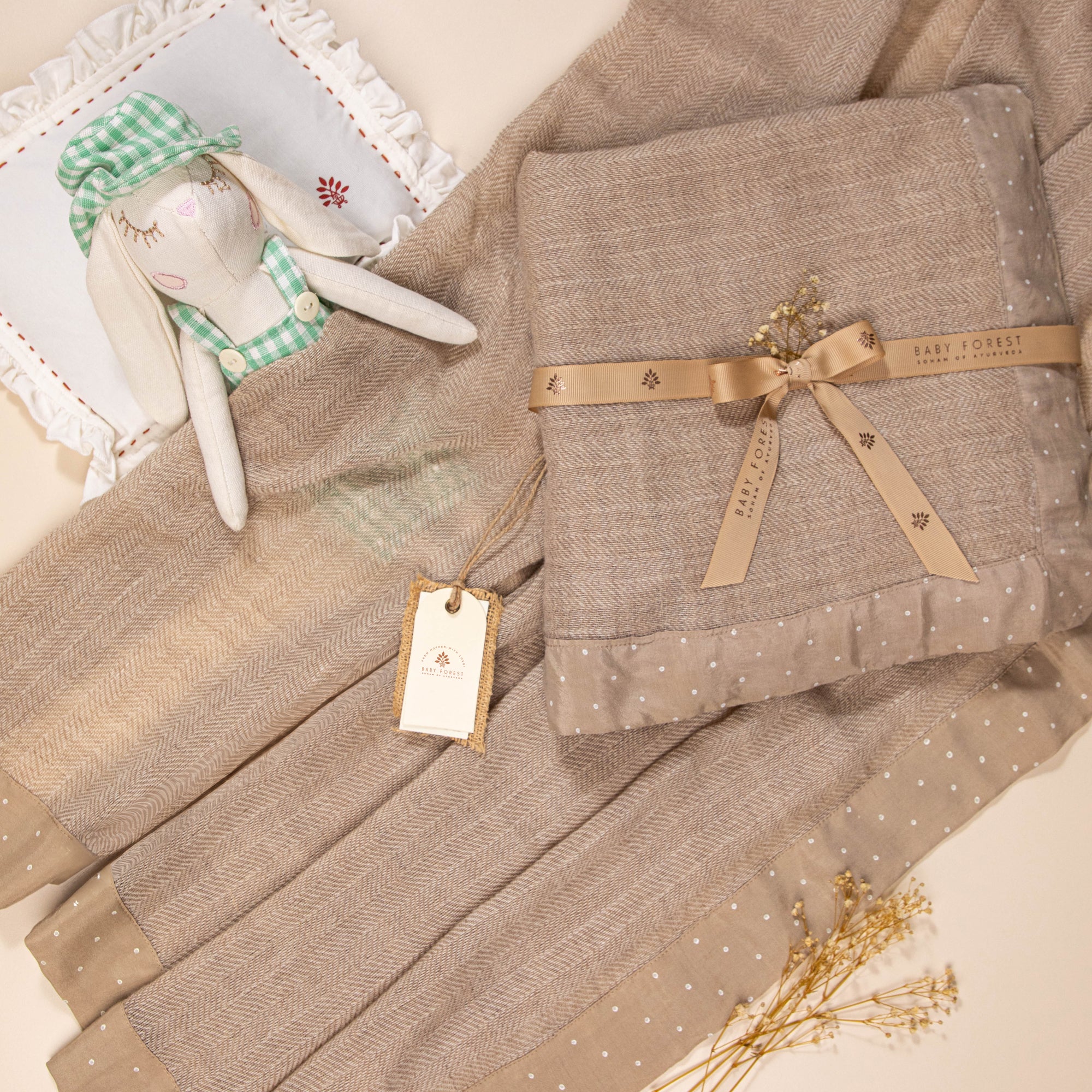
Keep essentials like diapers, wipes, swaddles, and creams within arm's reach for easy access. Adding personal touches like warm lighting and soft and cuddly toys transforms the space into a welcoming space for both the baby and mother.
The nursery symbolizes the beginning of a beautiful chapter, making this task feel especially meaningful.
A properly installed car seat is one of the most important safety preparations you can make before the baby’s arrival. It is best to install a car seat during the nesting phase to ensure that you have enough time to learn its features and adjust it correctly.
Make sure that the seat meets current safety standards and fits securely into your vehicle. Practicing buckling and unbuckling helps you feel confident for that first ride home from the hospital, giving peace of mind right from day one.
In the early weeks with a newborn, cooking can become overwhelming. Preparing and freezing meals ahead of time is a thoughtful way to care for your future self.
Choose nutritious and comforting meals that reheat well, like soups, stews, and dals. Organizing your pantry with snacks, dry fruits, and feeding supplies ensures you won't feel rushed or unprepared when hunger strikes.
This food preparation makes sure you spend more time resting, recovering, and bonding with your little one instead of worrying about what’s for dinner.
Preparing your hospital bag early helps you avoid last-minute stress as labor starts unexpectedly. Include essentials like comfortable clothing, toiletries, important documents, and outfits for the baby.
Having everything packed and placed in an accessible spot near your main entrance ensures a smooth and calm transition. This preparation also helps you to focus completely on the excitement of meeting your little one rather than scrambling for forgotten items.
Nesting can be a fun and productive way to prepare for the arrival of your baby, however, it is equally important to stay safe and avoid anything that could put stress on your body or create risks. By following a few precautions in mind you can enjoy this phase without overworking yourself.
You should avoid:
Nesting is often talked about as a universal experience for every pregnant woman, but that’s not always the case. The motivation to clean, organize, and prepare can vary widely from person to person. Some may feel a strong nesting urge, while others may not experience it at all, and both are completely normal.
Remember, mothers, nesting instinct or a lack of it doesn’t describe the type of mother that you will be.
Here are the two most common myths about nesting and the truth behind them
1. Myth of a Strict Biological Imperative
Many believe that nesting is something all mothers are naturally required to do. But in reality, while hormones do influence nesting, not every expecting parent feels the same level of energy or motivation.
Some women may nest early, while others nest very late, and some not at all, none of this reflects their ability to care or bond with their baby. Remember, nesting is helpful, but not the only way to be prepared for motherhood.
2. Myth of Psychological and Emotional Influences
Another misconception is that nesting is purely driven by excitement or anxiety about the baby’s arrival. Despite emotional readiness playing a role, it is not the only factor, hormonal changes and practical needs also contribute to it.
Nesting isn’t a sign of nervousness or overthinking, it is simply one of the many natural responses to big life changes.
Nesting instinct is not just about organization but creating a safe and loving environment that welcomes your baby with warmth and care. Embrace this instinct at your own pace, and remember to make it about you as well. Parenthood is a journey that begins long before the baby arrives, and nesting is one beautiful part along the way. Embrace it with whatever feels right for you and trust that you are already creating a loving home for your little one.