


























First 6 Months of a Baby: Traditional Practices & Common Mistakes to Avoid
 Skip to main content

First 6 Months of a Baby: Traditional Practices & Common Mistakes to Avoid

200 Unique Indian Baby Girl Names for Your Little Princess

Swaddles & Pashmina Blankets: Gentle Comfort for Your Baby From Day One

A Parent’s Guide to Building the Perfect Baby Bathing Kit

Shishu Abhyanga Guide: Benefits of Baby Oil Massage
Teething marks one of the most exciting yet challenging milestones in a baby’s early development. The teething typically begins around six months of age; however, it can start anytime between three and twelve months.
During this stage, babies may experience sore gums and discomfort. So choosing the right baby teether can help soothe their gums and provide much-needed relief, making the teething journey easier for both babies and parents..
However, not all teethers are created equal. Choosing a suitable teether is crucial for a baby's comfort, safety, and overall oral health. Parents who want safe, gentle options for their little ones can trust natural rubber baby teethers for comfort and care. These teethers not only help ease teething pain but also support healthy oral and sensory development. This article explores why choosing the right baby teether matters and what key factors parents should consider before making a decision.
Teething occurs when a baby’s first teeth start pushing through the gumline, marking an important stage in their early growth and development. The first teeth to emerge are usually the bottom front teeth (lower central incisors). The top front teeth typically follow about 4–8 weeks later. During this period, the baby might show signs of discomfort, such as drooling more than usual, being fussier, or trying to bite and chew on things.
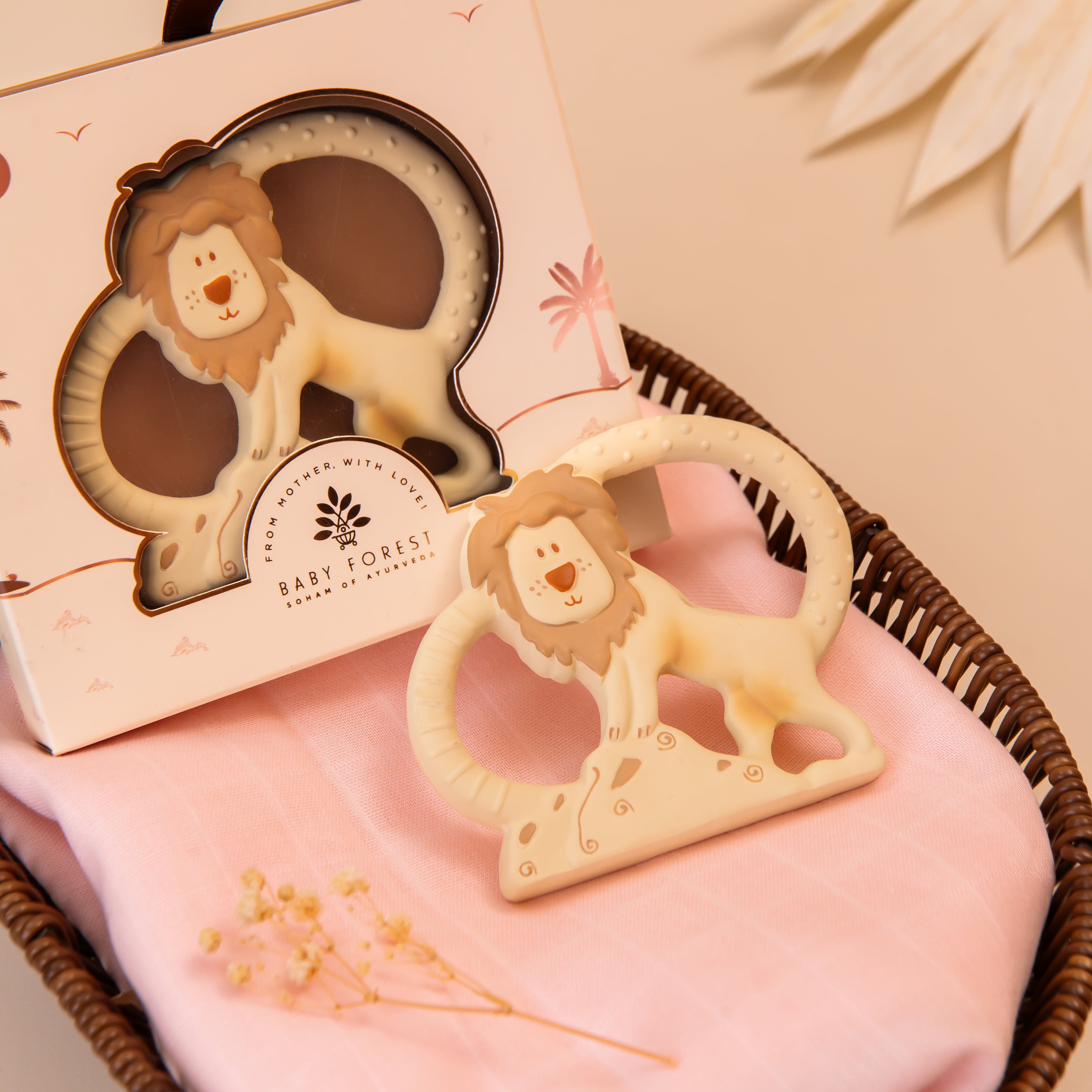
At this stage, a safe, soft teether can make a remarkable difference. The best natural rubber teethers are designed to reach both front gums and back molars, providing comfort throughout every teething phase.
*Incisors: These are one of the eight sharp teeth at the front of the mouth that are used for biting
Teething may feel brief when a single tooth is emerging, but the entire teething journey actually spans several years, bringing along plenty of big emotions for both babies and parents throughout the process. A good teether can be a great help during those difficult days.
Here are a few reasons why teethers are such an important part of a baby’s teething journey. They help during those difficult days, not just as something for babies to chew on, but as a small source of comfort they can rely on when their gums feel sore or inflamed.
Babies naturally look for something to bite when teeth begin to push through, and a good teether gives them a safe, soothing outlet for that urge.
The gentle pressure from chewing helps calm irritated gums while also supporting early oral development as those first teeth start to grow.
Parents often prefer non-toxic, BPA-free options, especially natural ones. A natural rubber baby teether feels soft in a baby’s mouth and gives that comforting bounce that tiny gums enjoy.
Different textures can make a big difference, too. Little ridges or patterns help massage tender spots and also give babies a chance to explore new sensations.
It also helps when the teether is light and easy for those tiny hands to hold. Babies love being able to control what goes into their mouths, and it boosts their early motor skills without them even realizing it.
And of course, parents appreciate a teether that’s simple to wipe clean and use again, because teething can get messy quickly.
A thoughtfully designed rubber teether for babies also keeps safety at the forefront with smooth edges, baby-safe shapes, and a size that minimizes choking risks.
Choosing the right teether isn’t just about soothing gums. It’s about giving your little one something safe, familiar, and comforting to hold onto while they go through one of their very first milestones.
Introducing a teether at the right time can help ease a baby’s discomfort during the teething phase. Parents can consider offering one when the baby begins putting hands in the mouth or chewing on fingers—clear signs that gum irritation has started. Teething often begins around three months of age, as babies explore their surroundings through touch and taste, though the exact timing can differ from one baby to another. Here are a few clear signs that your baby might be ready to use a best baby teether:
Chewing more frequently on toys, fingers, or nearby objects
Drooling more than usual
Becoming unusually fussy or irritable without a clear reason
Gums appearing red, swollen, or tender where new teeth are coming in
Trouble sleeping or waking up more often at night
Reduced appetite during teething phases
Rubbing cheeks or tugging at ears because of gum discomfort
When these signs appear, offering a safe teether can bring quick comfort, and prevent babies from chewing on unsafe household objects.
Material Safety
The foremost consideration is the safety of the material. Always look for teethers made of non-toxic, BPA-free materials. Common safe materials include silicone, rubber, and organic cotton. Each material offers different textures and firmness, so parents might want to try a few to see which one the baby prefers.
Texture and Hardness
The texture should be firm enough to provide necessary pressure against the gums but not so hard that it could hurt the baby's tender gums. Many baby teething products come in various textures, which can be more soothing and engaging for the baby.
Size and Shape
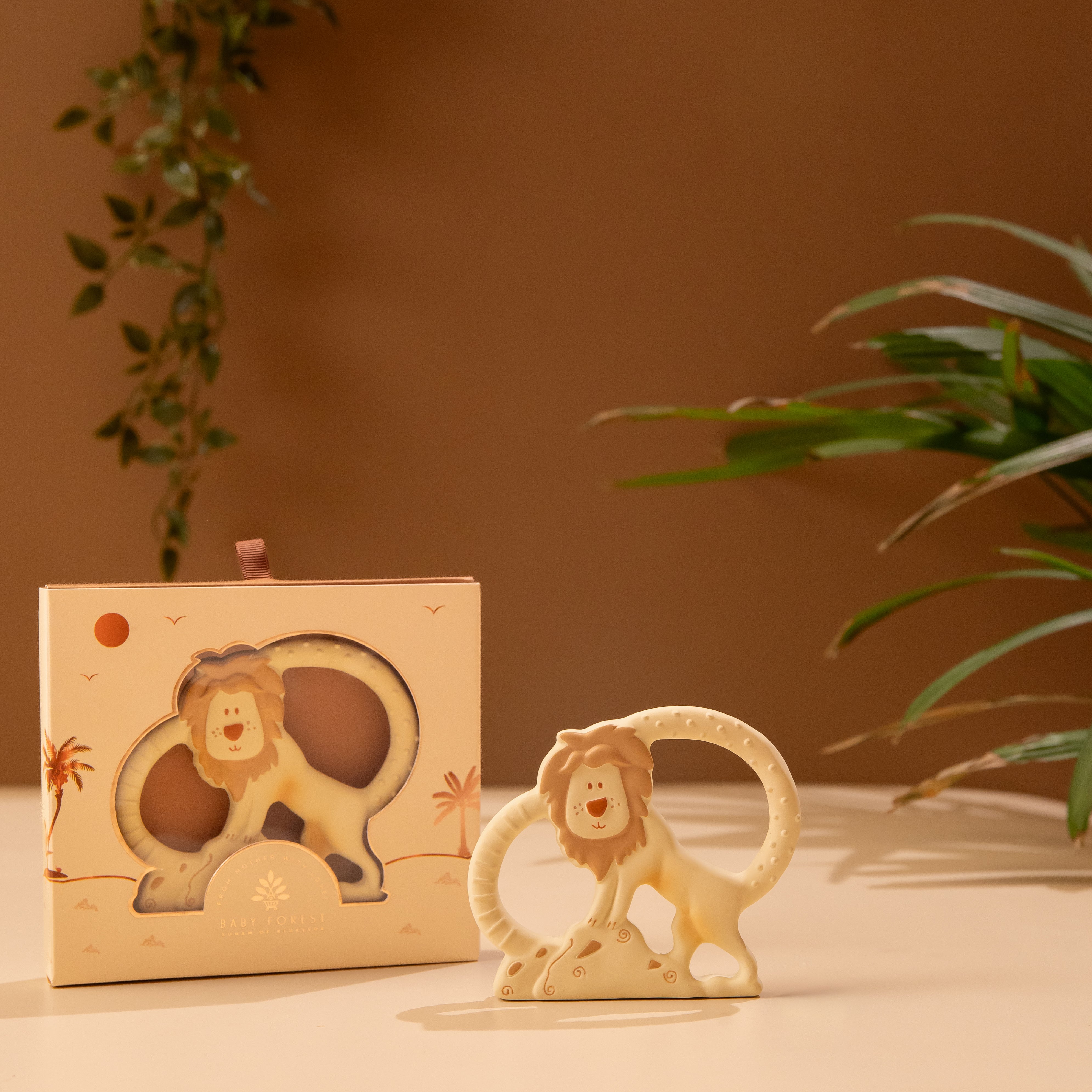
The teether for a baby should be large enough so that there is no risk of choking, but easy for small hands to hold and manipulate. Many teethers come in shapes that babies can easily grip, like rings or characters. Also, ensure it can reach all the areas in the mouth where teeth are developing.
Ease of Cleaning
Hygiene is critical when it comes to anything in the baby's mouth. When selecting teethers, choose ones that can be easily cleaned with soap and water or are dishwasher-safe to ensure they remain germ-free.
Cooling Feature
Some baby teether toys can be cooled in the refrigerator, providing extra soothing qualities. The cold can help numb the gums and reduce inflammation. However, avoid freezing teethers, as extreme cold can be harmful.

It is important to check the teether on a regular basis for any signs of damage or wear. This will help ensure that it is safe for use and prevent any potential harm to the baby. Immediately discard if any parts pose a choking hazard.
It is important to supervise the baby while using a teether to prevent choking hazards and ensure safety.
Keep teethers clean and dry when not in use.
Primarily, avoid:
Liquid-filled teethers that could leak or break during chewing
Teethers with small decorative pieces that might become choking hazards
Teething gels or medicines containing benzocaine or lidocaine
Teething necklaces, bracelets, or anklets that can pose strangulation or choking risks
Teething is one of the first major challenges parents face as their baby grows. Finding the right teething products becomes essential, as they help soothe sore gums and provide much-needed comfort to the baby. A safe, high-quality baby teether isn’t just a toy; it’s a comforting companion during one of the first big challenges of infancy. Every baby is different, so finding the perfect teether may take a little trial and patience. But once parents discover what works best, it makes the teething journey calmer for both the baby and the family.
With the right teether and plenty of care and cuddles, teething becomes just another gentle step in growing up. Happy teething!